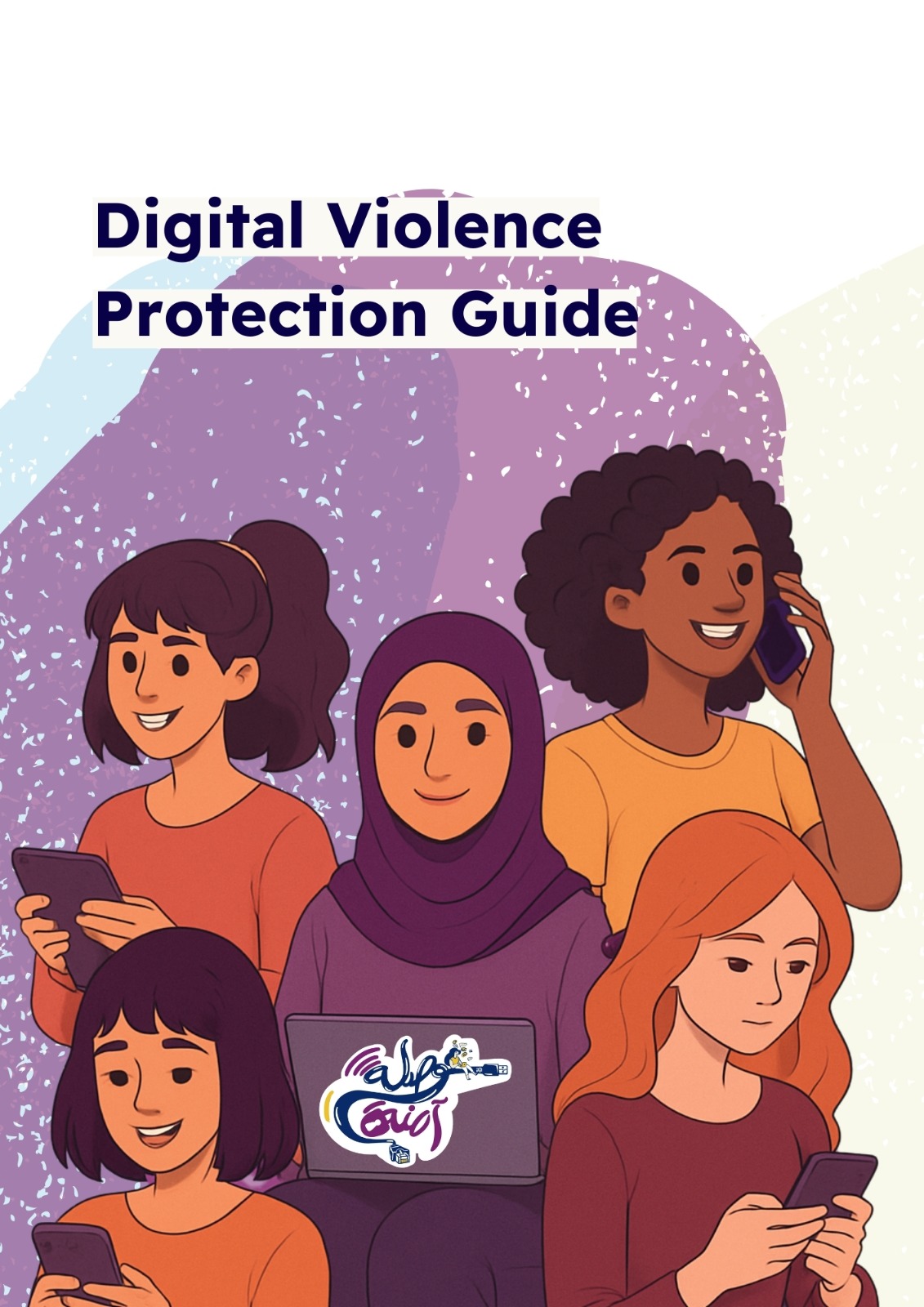
Guidance Manual for Protection from Digital Violence

This manual was developed as part of the “Strengthening the Protection of Women and Girls from the Threats of Online Violence” project, implemented by Edraak in collaboration with Diakonia. It aims to create a safe and sustainable digital environment that enables women and girls to express themselves with freedom and privacy.

The project seeks to empower women and girls to understand their digital rights and strengthen their ability to take practical measures to protect themselves from online abuse and confront digital violence. This is achieved by promoting a culture of digital safety, raising awareness of digital threats and available protection tools, and placing particular emphasis on supporting survivors and encouraging the reporting of incidents. The project also focuses on building partnerships with civil society organizations, feminist and student groups, and educational institutions to disseminate the knowledge and skills necessary to enhance digital safety at the community level.

The manual draws on examples informed by real life cases in which women and girls were subjected to multiple forms of digital violence. It also documents developments driven by feminist initiatives and organizations working on digital rights, alongside recent progress in legal frameworks and reporting and enforcement mechanisms. These shifts have been strengthened through sustained efforts to spotlight the issue working with women and girls who chose to confront digital violence and advocate for safer digital spaces for everyone.

The manual outlines different forms of digital violence and presents relevant procedures, reporting mechanisms, and protection measures, helping users distinguish between available options. It prioritizes practical steps for legal and digital protection. Accordingly, this manual is not a general introduction to digital safety; it focuses specifically on gender-based digital violence.

To view the full Arabic version of the guide, please use the following link: (For translated editions, please contact us) _الدليل الإرشادي وصلة آمنة
The second meeting of the Reproductive and Sexual Health Task Force

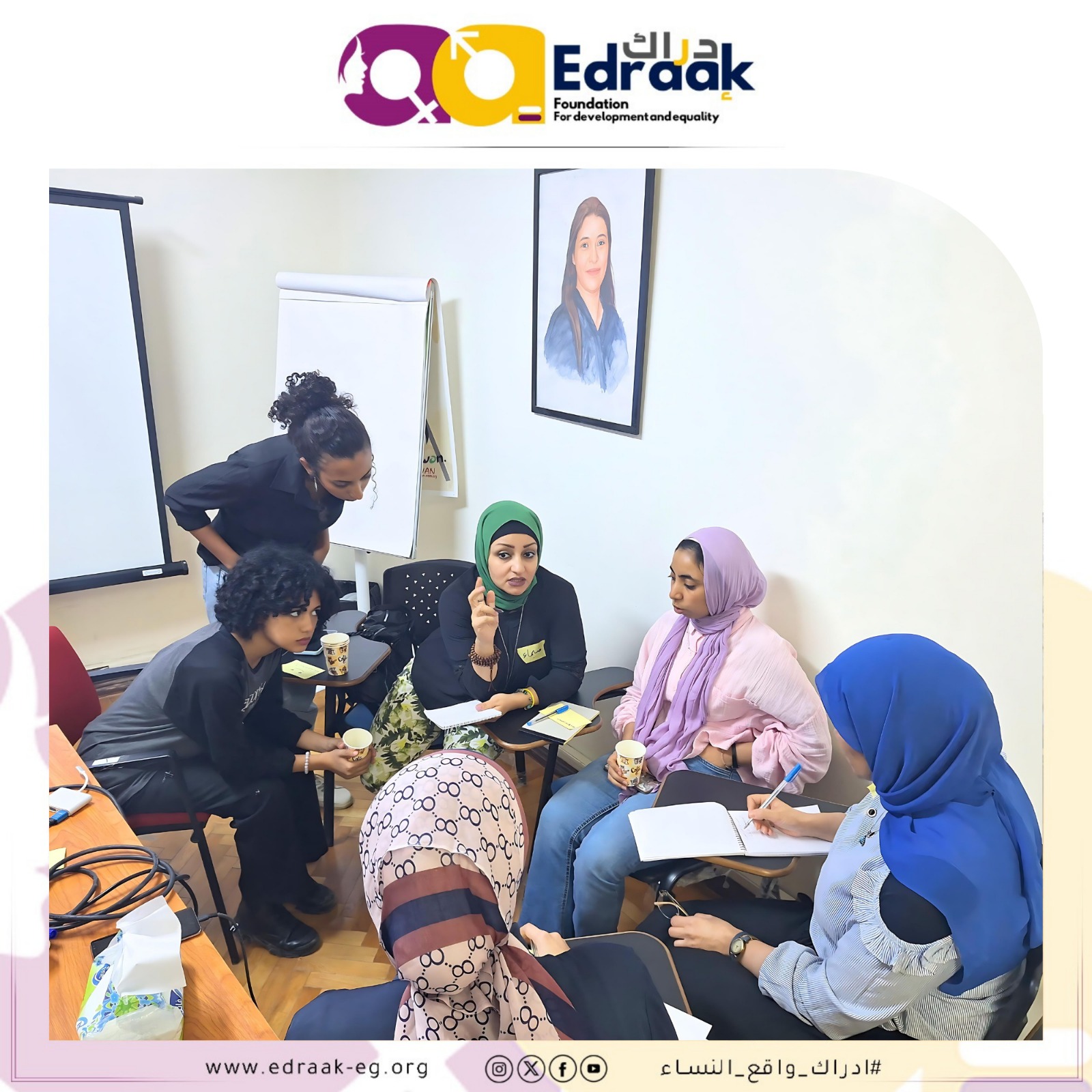
The Reproductive and Sexual Health Task Force held its second meeting of 2025 with the participation of several institutions and initiatives working in the field of sexual and reproductive health and rights. The meeting marked a significant expansion in the task force’s membership, growing from seven to eleven participating organizations, following the inclusion of Bar Aman, Manara, 6 Aman, and Bastet. This expansion reflects the increasing momentum toward collaboration and joint efforts to enhance public awareness of reproductive and sexual health in Egypt.

The session featured extensive discussions on preparations for launching a new digital awareness campaign targeting young men and women. Participants emphasized the importance of developing culturally sensitive and accessible digital content that communicates key messages in a realistic and relatable way. The discussion also focused on creating unified messaging across different platforms and initiatives to ensure consistency and maximize the campaign’s outreach and impact.

Participants exchanged field experiences and highlighted common challenges faced during community-based activities, such as persistent social stigma surrounding discussions of sexual and reproductive health, limited access to rural and marginalized areas, and the need to strengthen the capacity of field teams to address these topics with sensitivity and confidence. The importance of engaging young people—both men and women—as active partners in awareness efforts was also underscored.

The meeting further addressed several public issues that gained attention in Egypt during 2025 and intersect with reproductive health topics, including the debate around introducing sexual health education in schools, increasing awareness about the dangers of early marriage, the link between adolescent mental health and reproductive decision-making, and the economic factors influencing family planning choices. Participants also discussed the growing spread of misinformation on social media related to pregnancy and contraception and stressed the need for science-based, accurate communication to counter it.

By the end of the meeting, the participating institutions and initiatives agreed to develop a joint implementation plan for the upcoming digital campaign, with clear stages and measurable indicators to assess its reach and social impact. The task force members affirmed that expanding participation within the group is a positive step toward building stronger, sustainable partnerships capable of creating real change in how Egyptian society perceives and engages with reproductive and sexual health—grounded in respect, knowledge, and human rights.

.

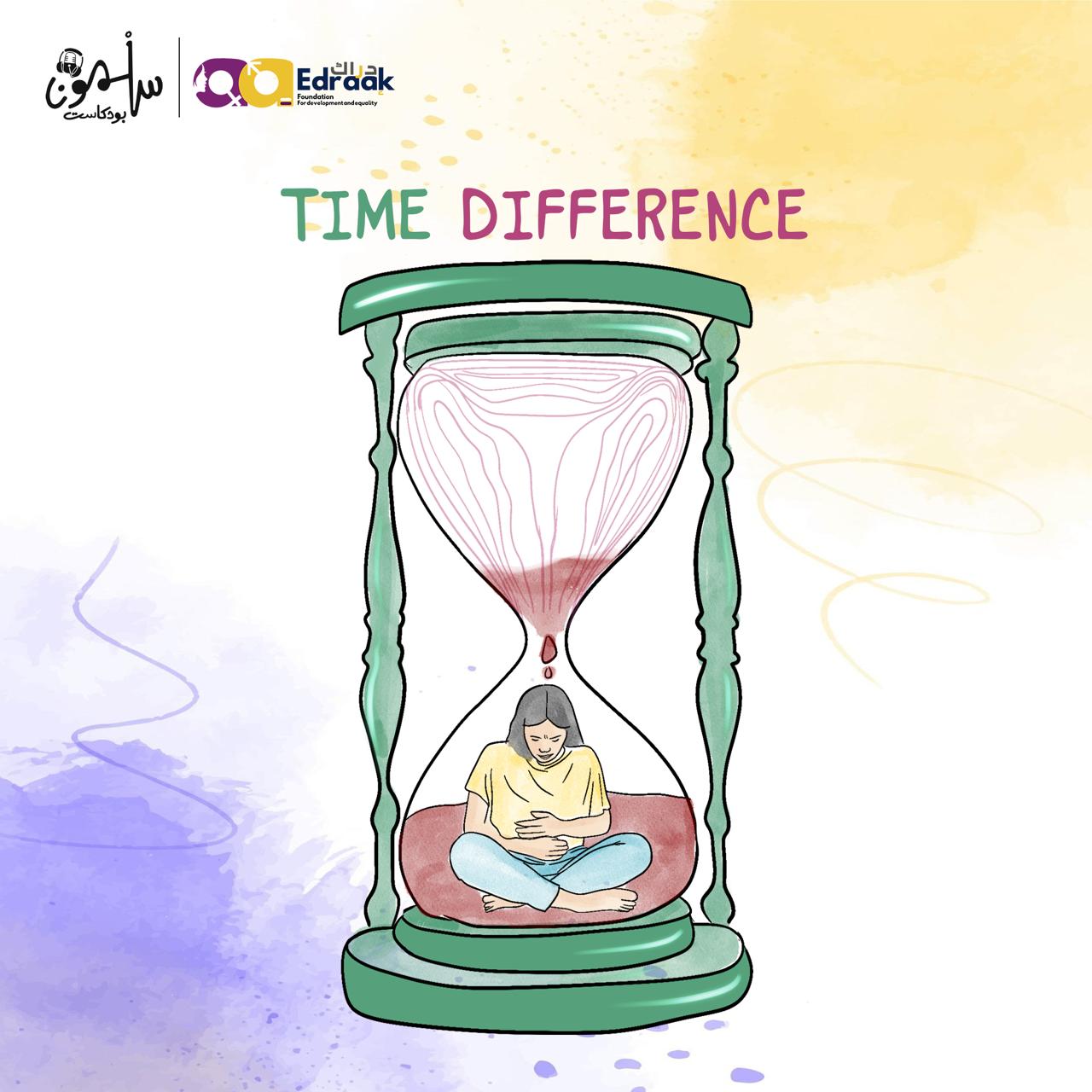
Podcast: Time Difference

When your body starts to change without warning, and you find yourself lost between doctors and conflicting diagnoses, without access to clear and accurate information or support… This is what happens to women who face premature menopause.
In this episode “Time Difference”of #SalmonPodcast we’ll listen to the stories of women experiencing premature menopause. and its impact on their relationship with themselves, their bodies, and the people and society around them. We’ll also know more about premature menopause from a medical perspective and the best ways to deal with it.
Episode Guest: Dr. Monica Magdy, Physician and Sexual Health Consultant
This episode was produced in collaboration between #Edraak_Foundation and Salmon Podcast.