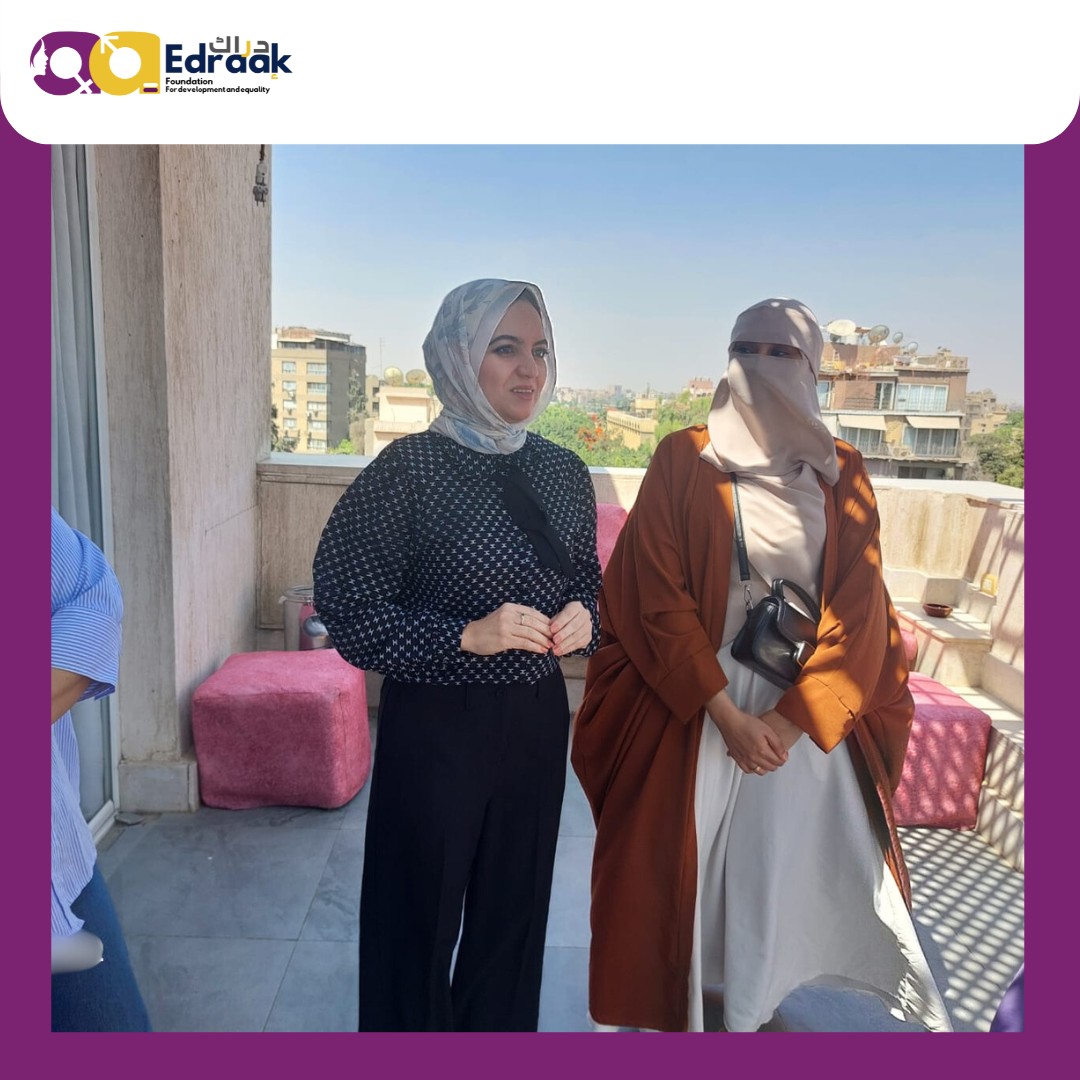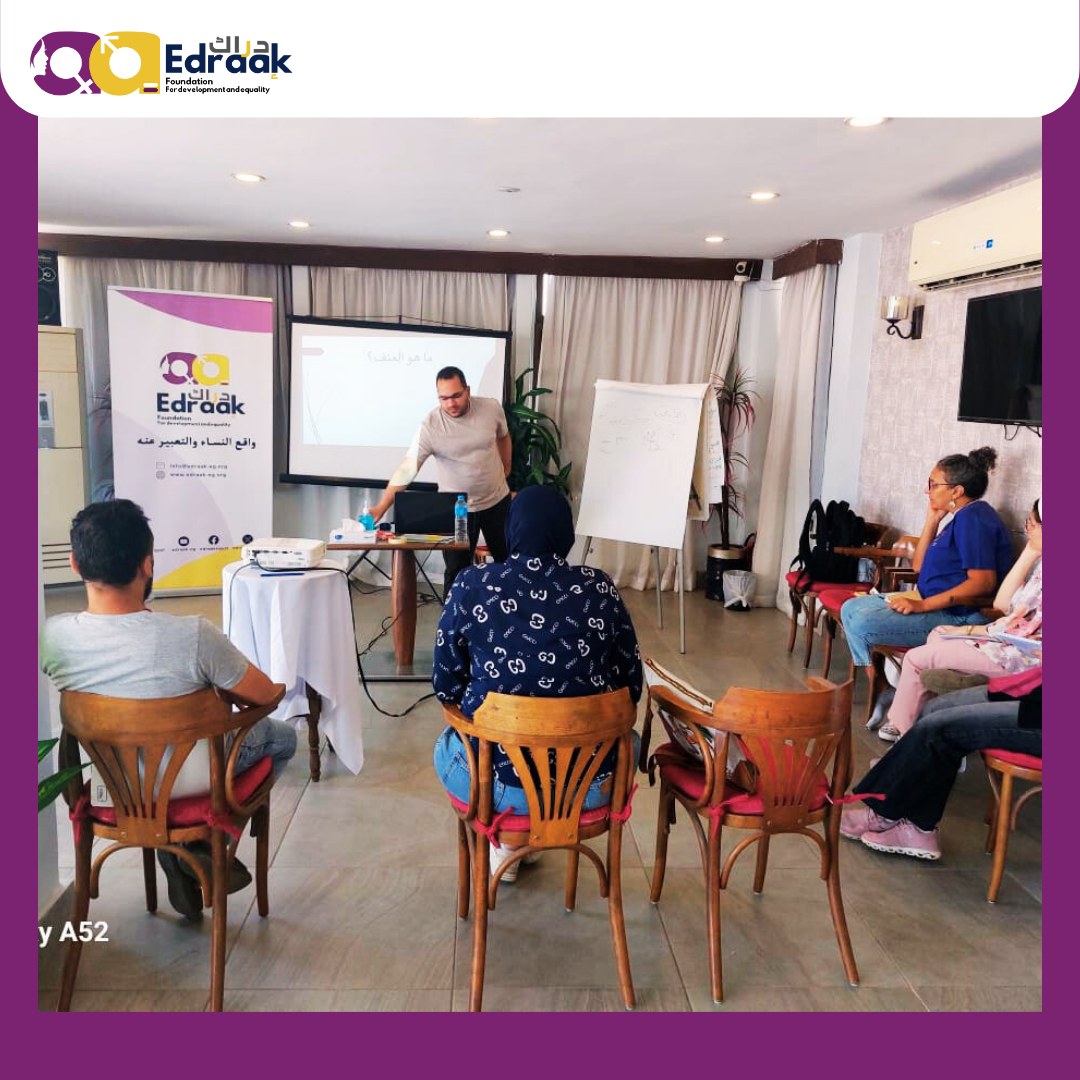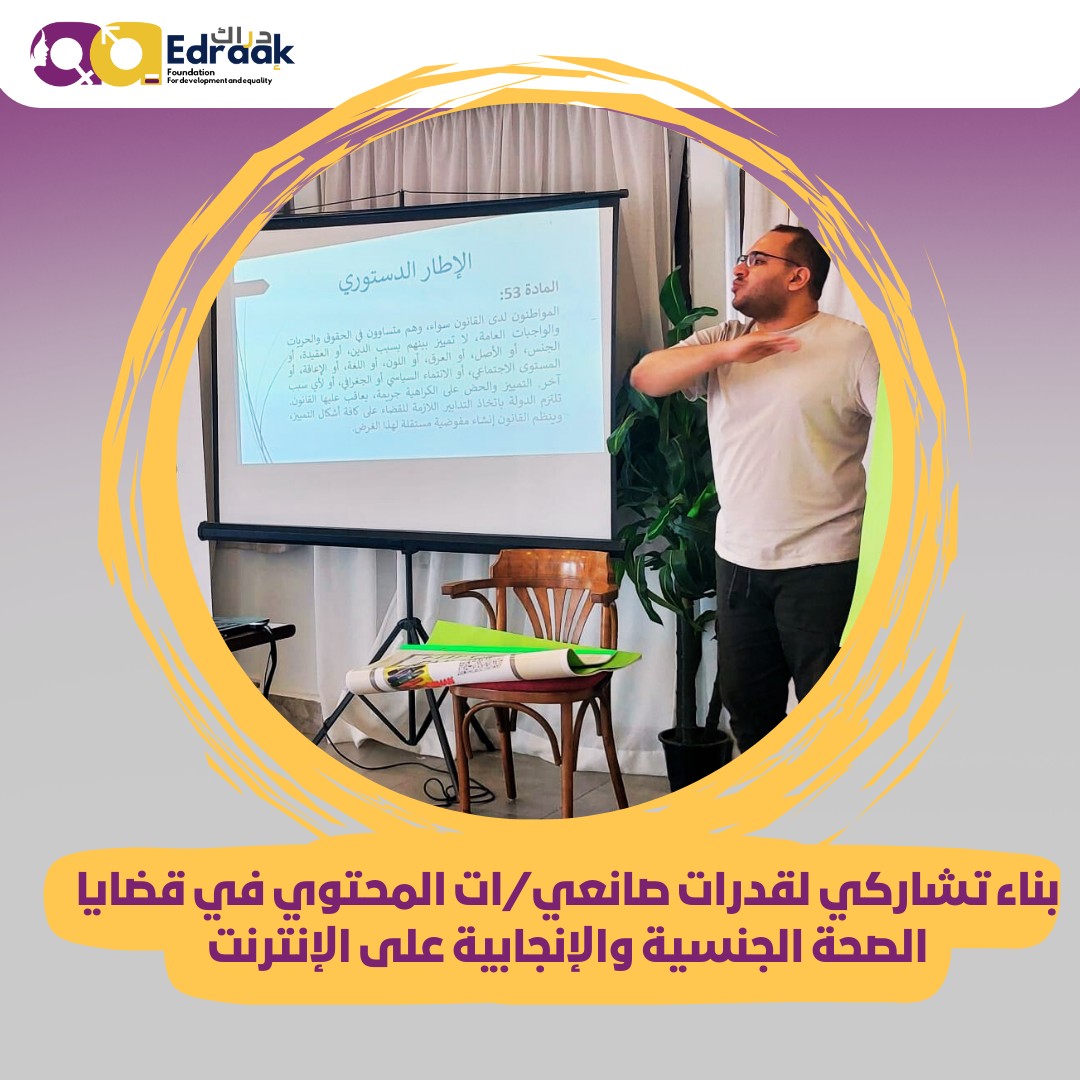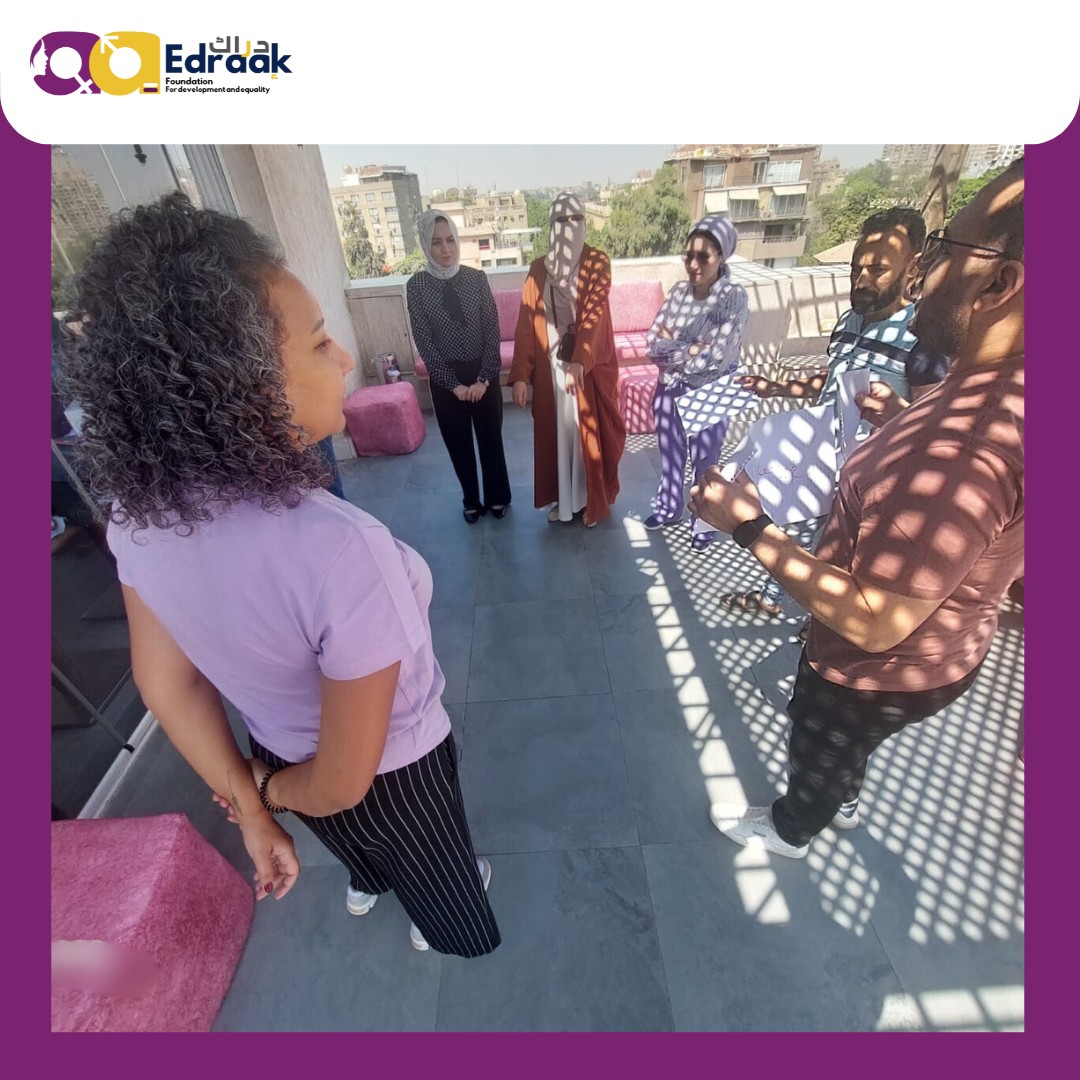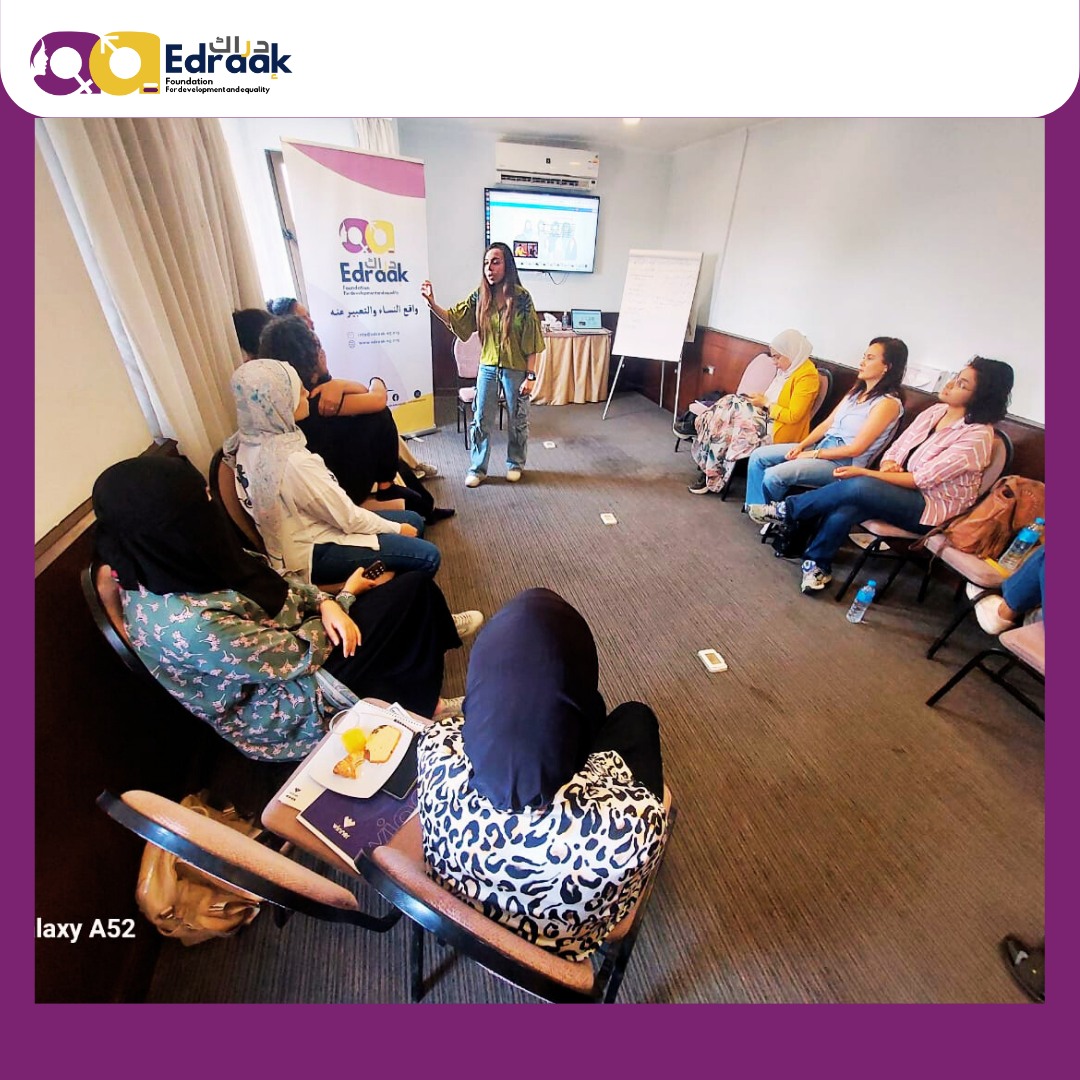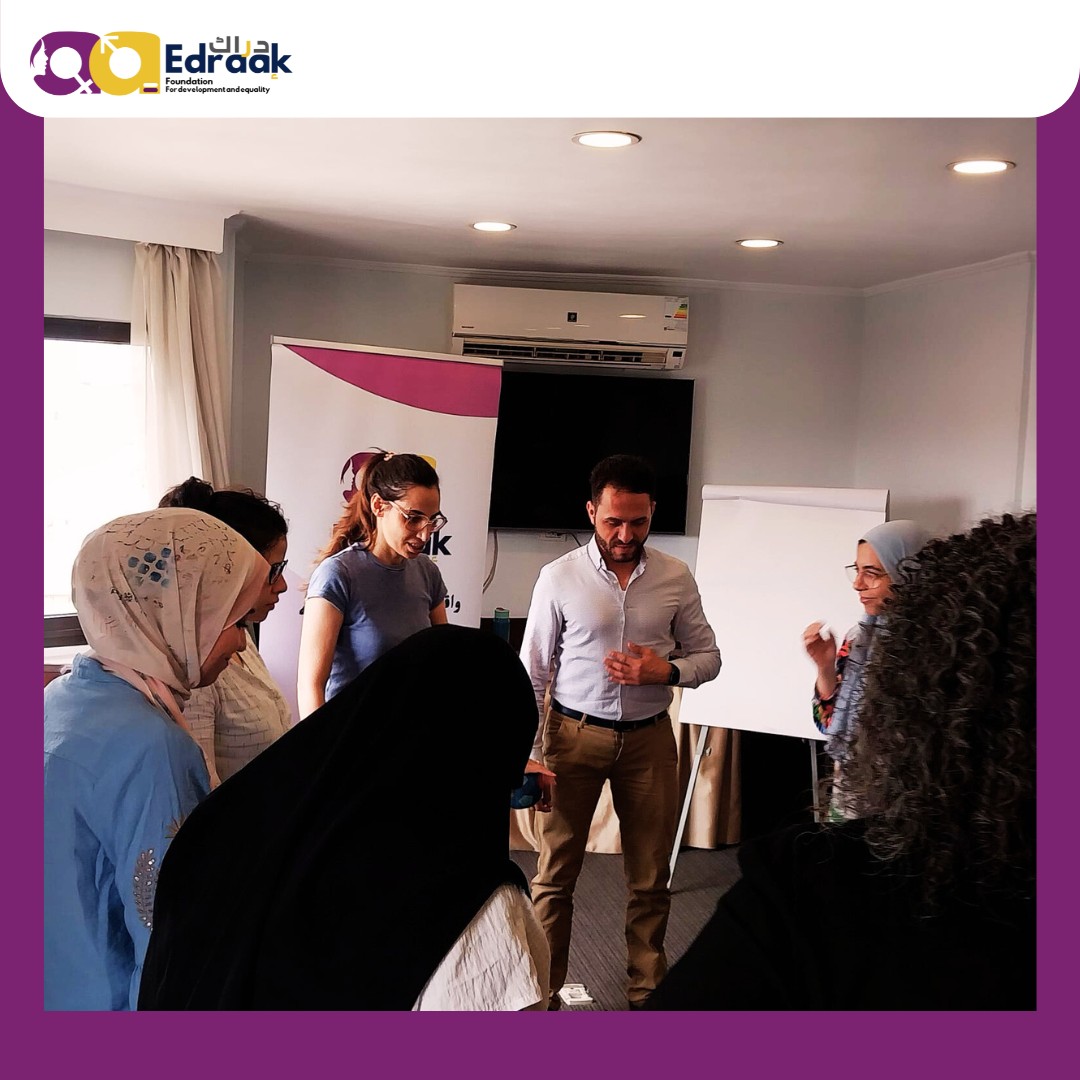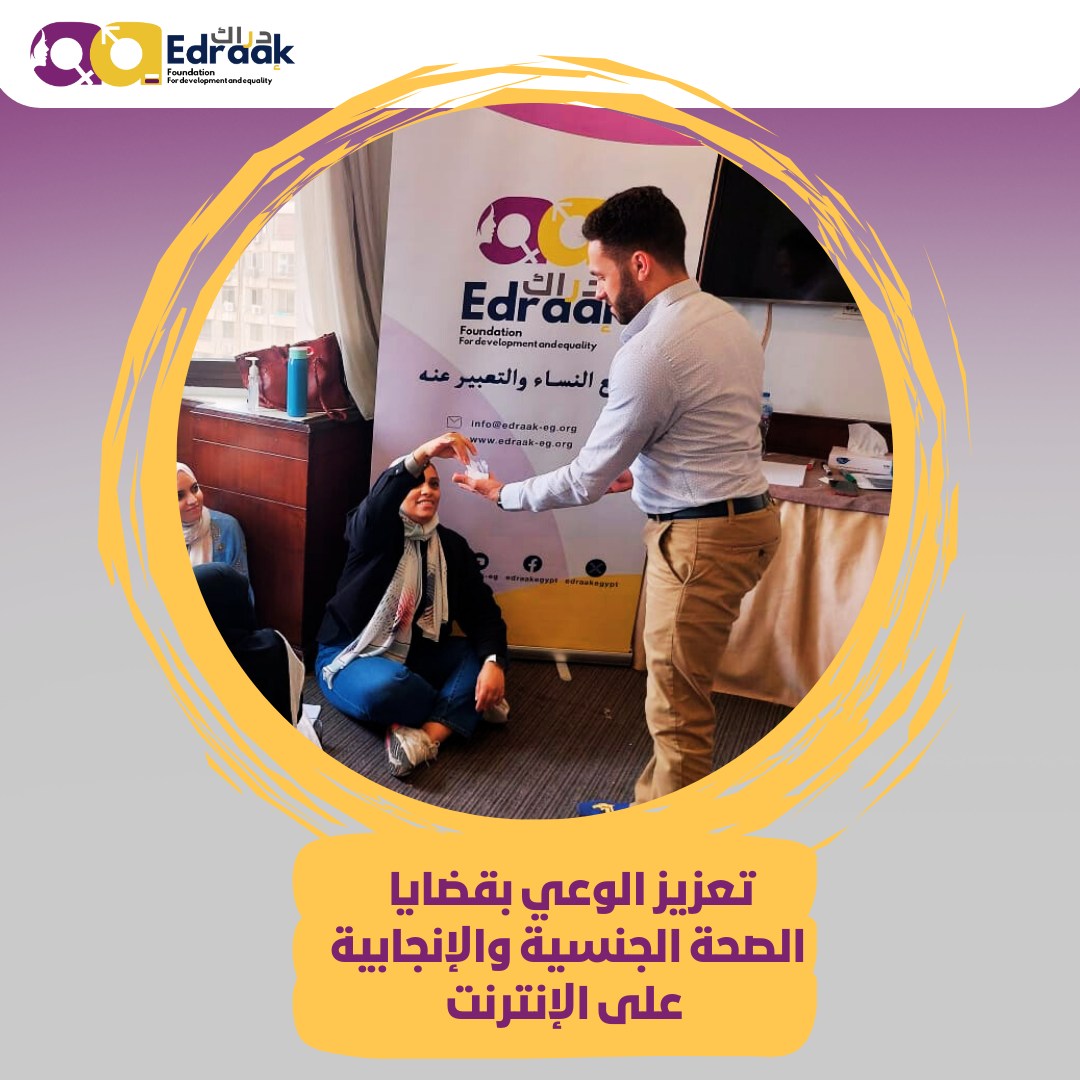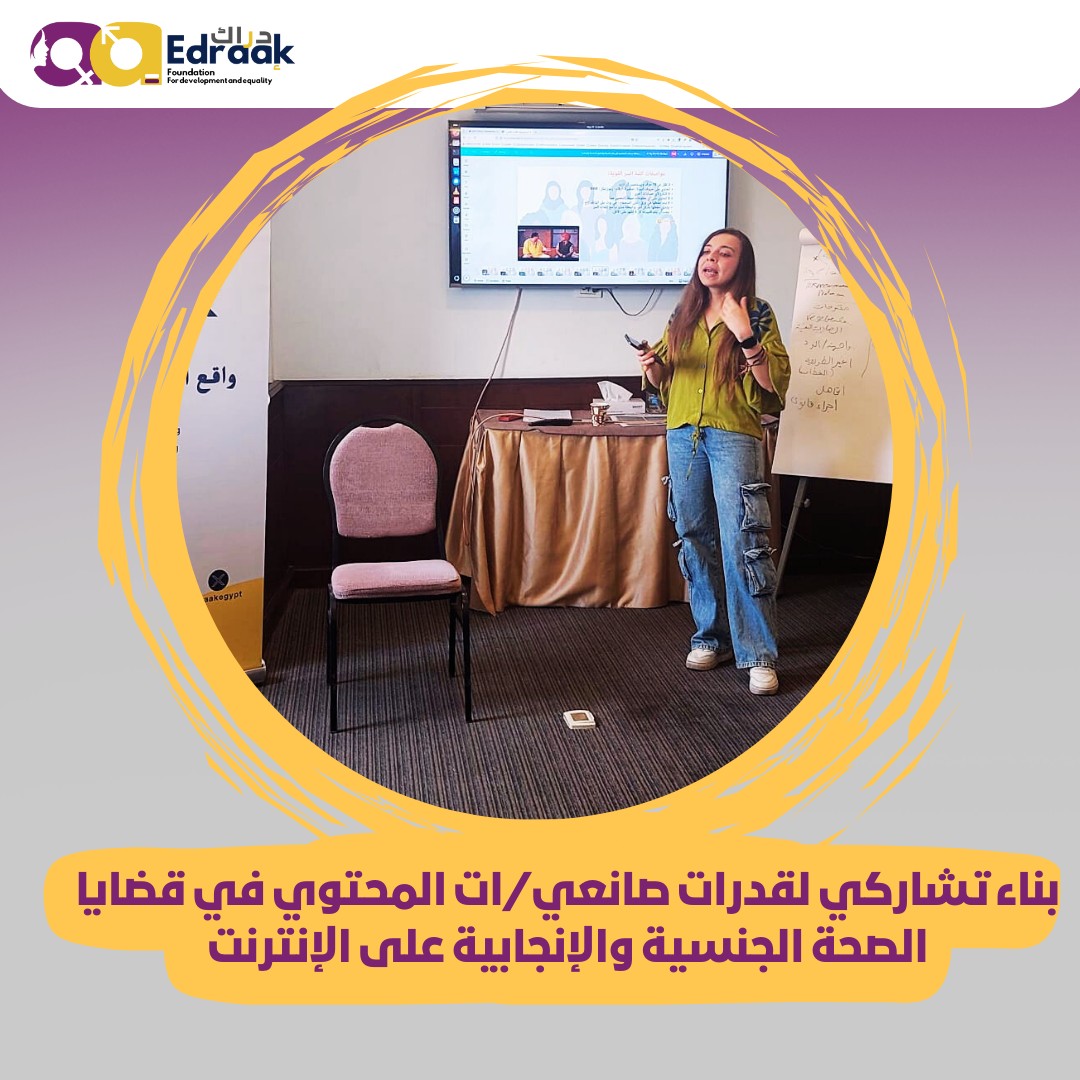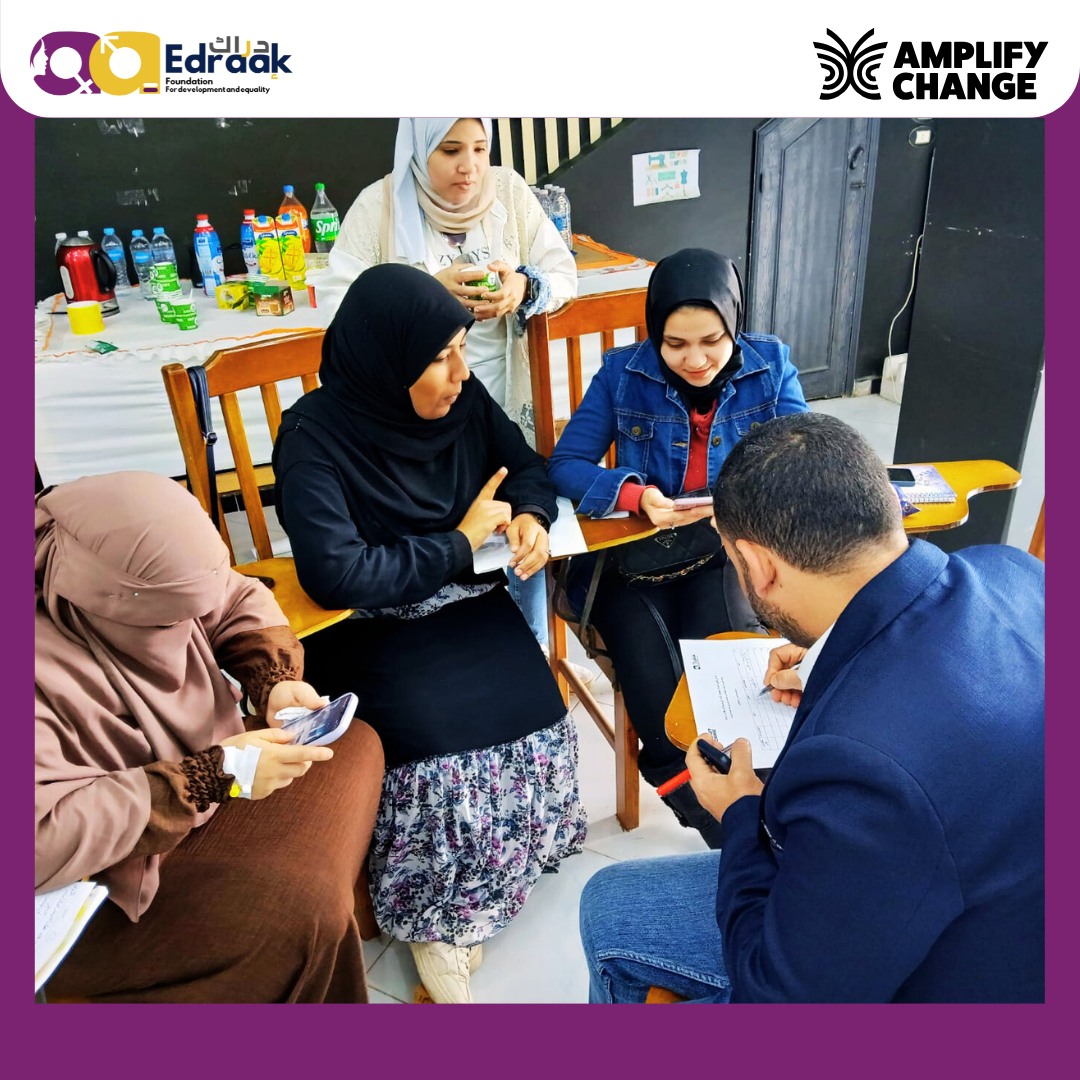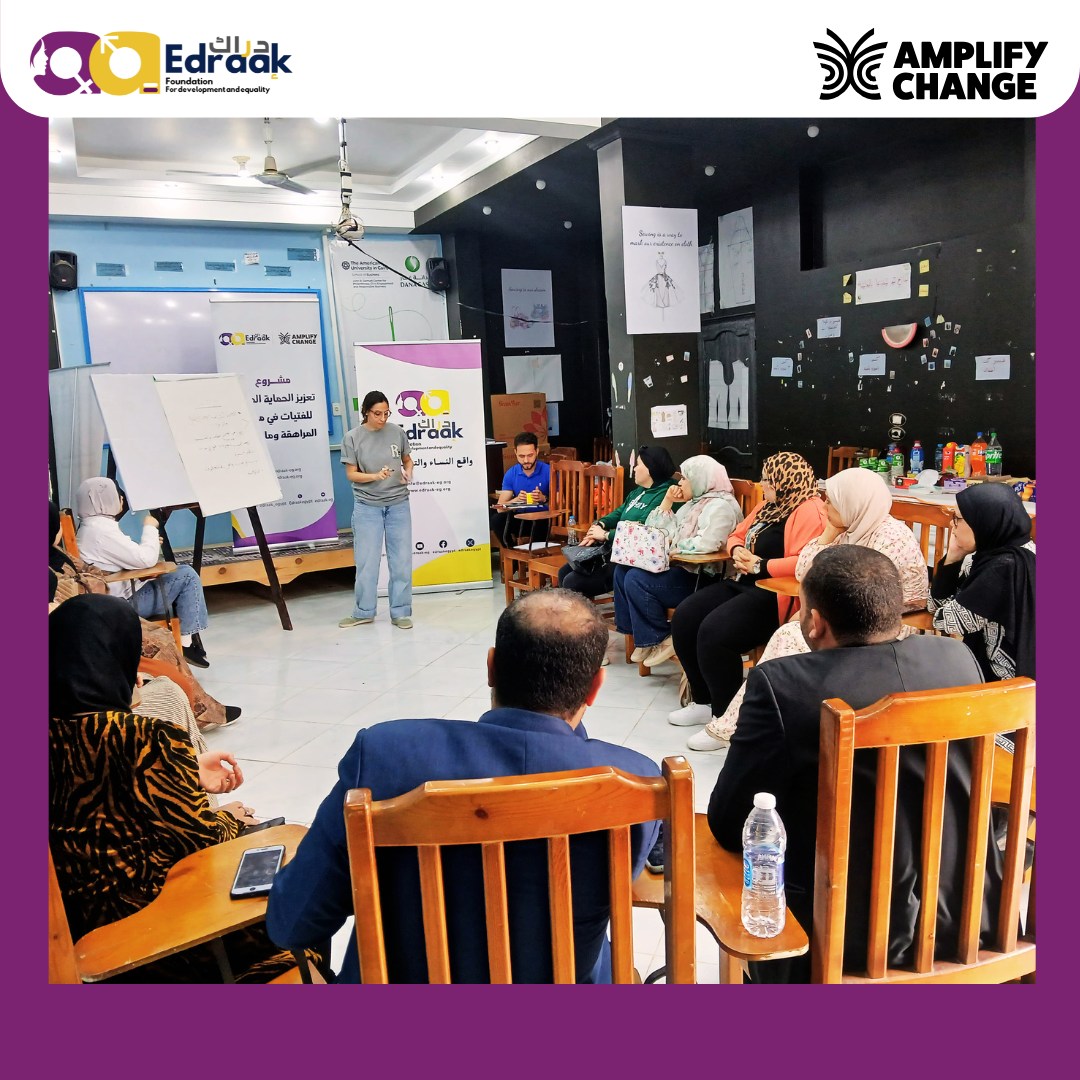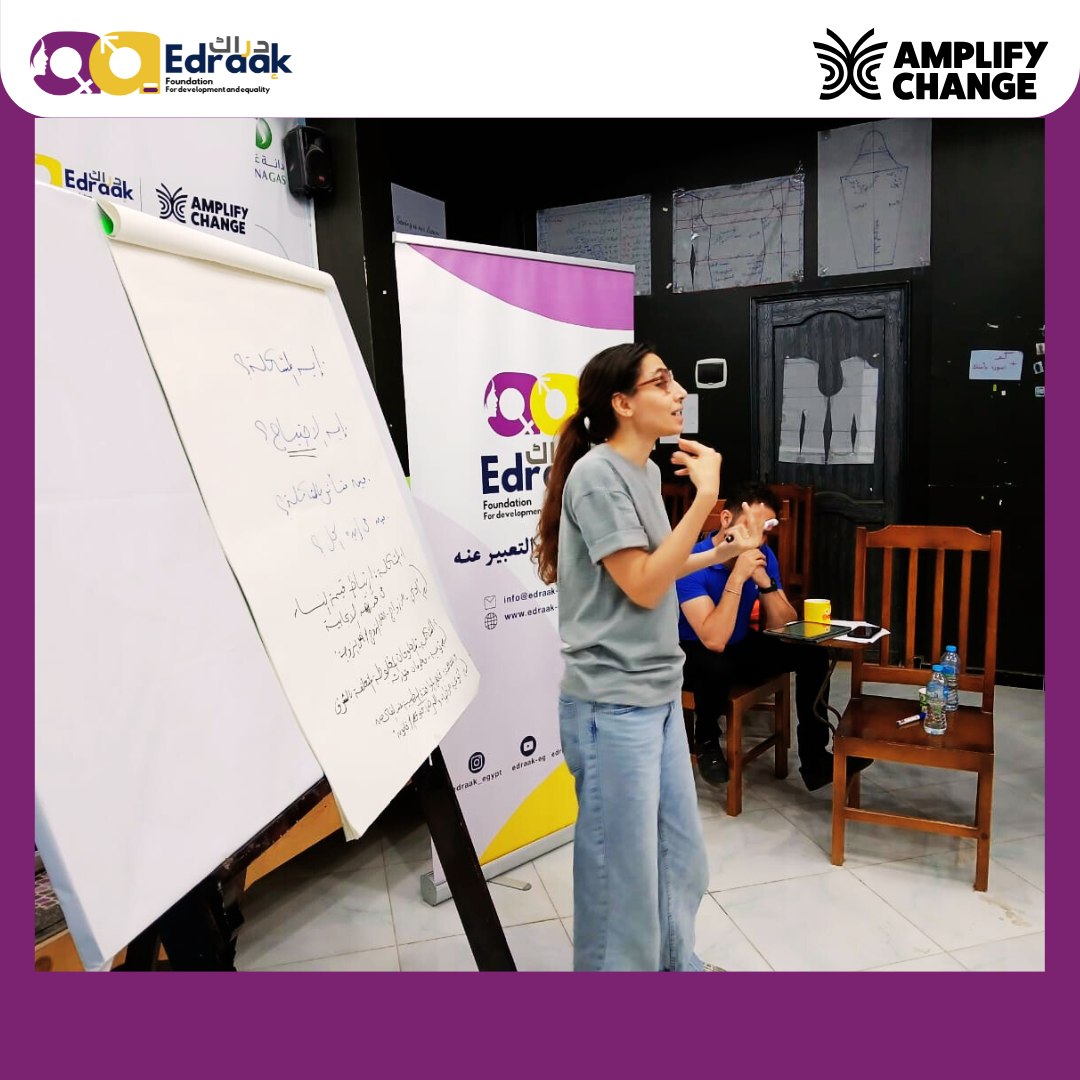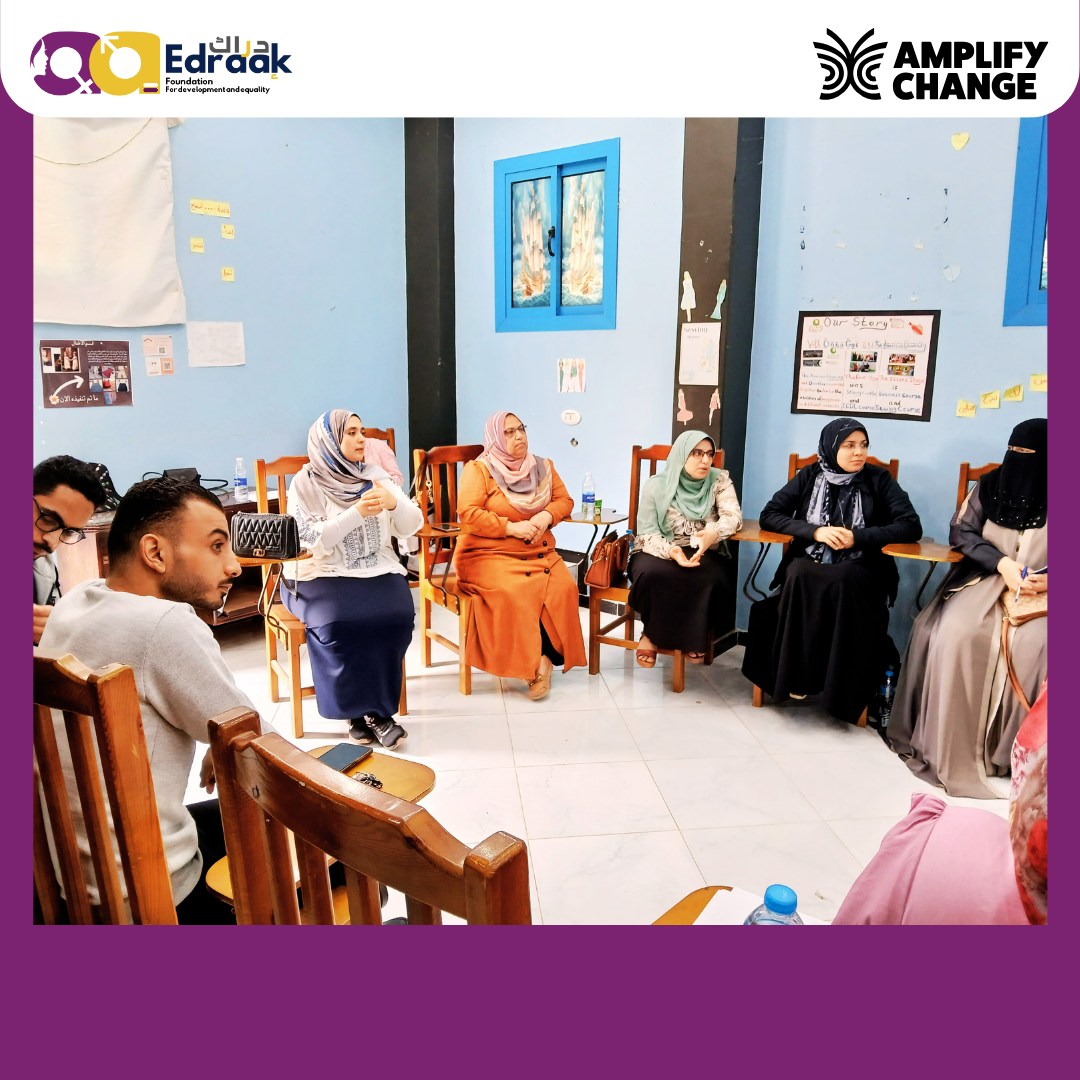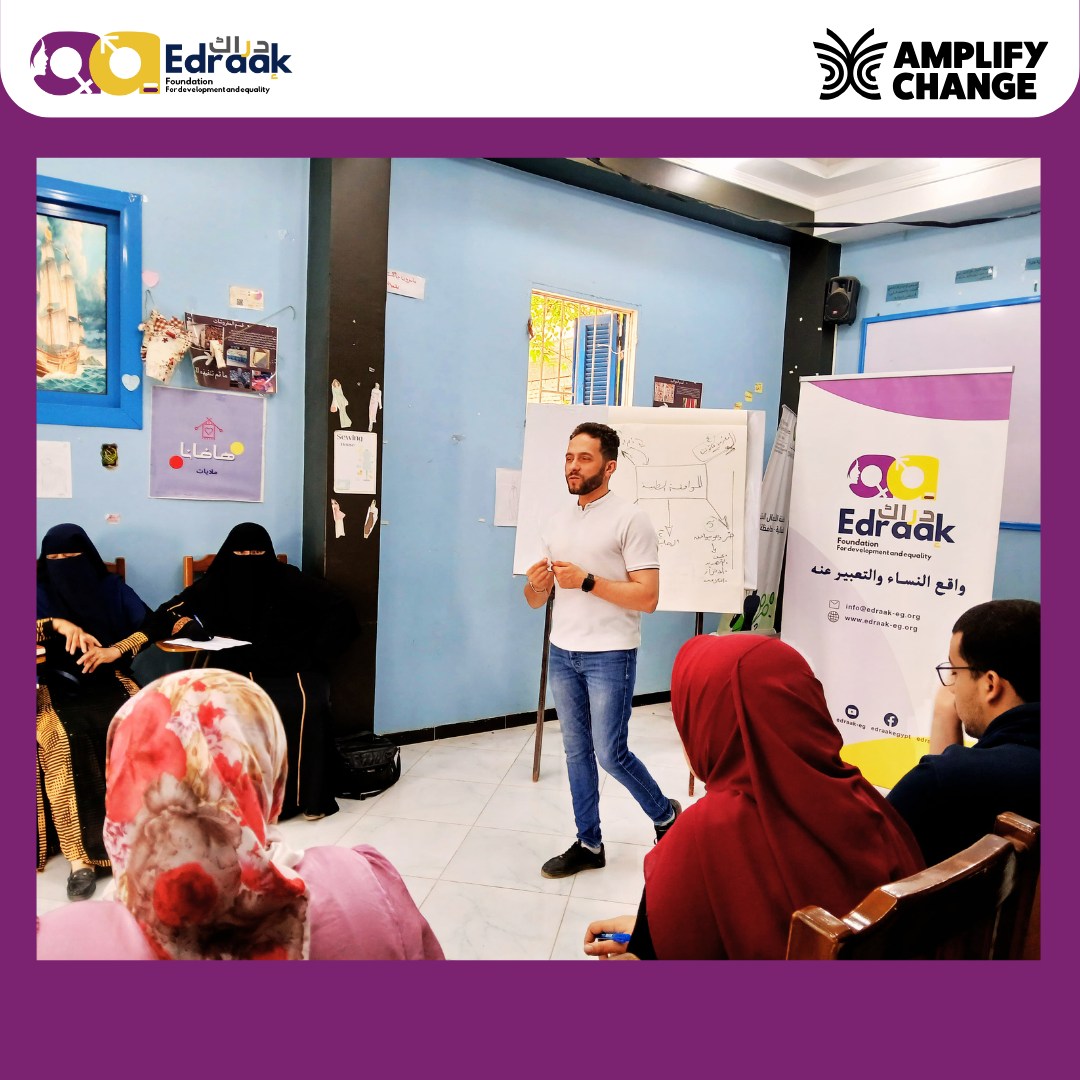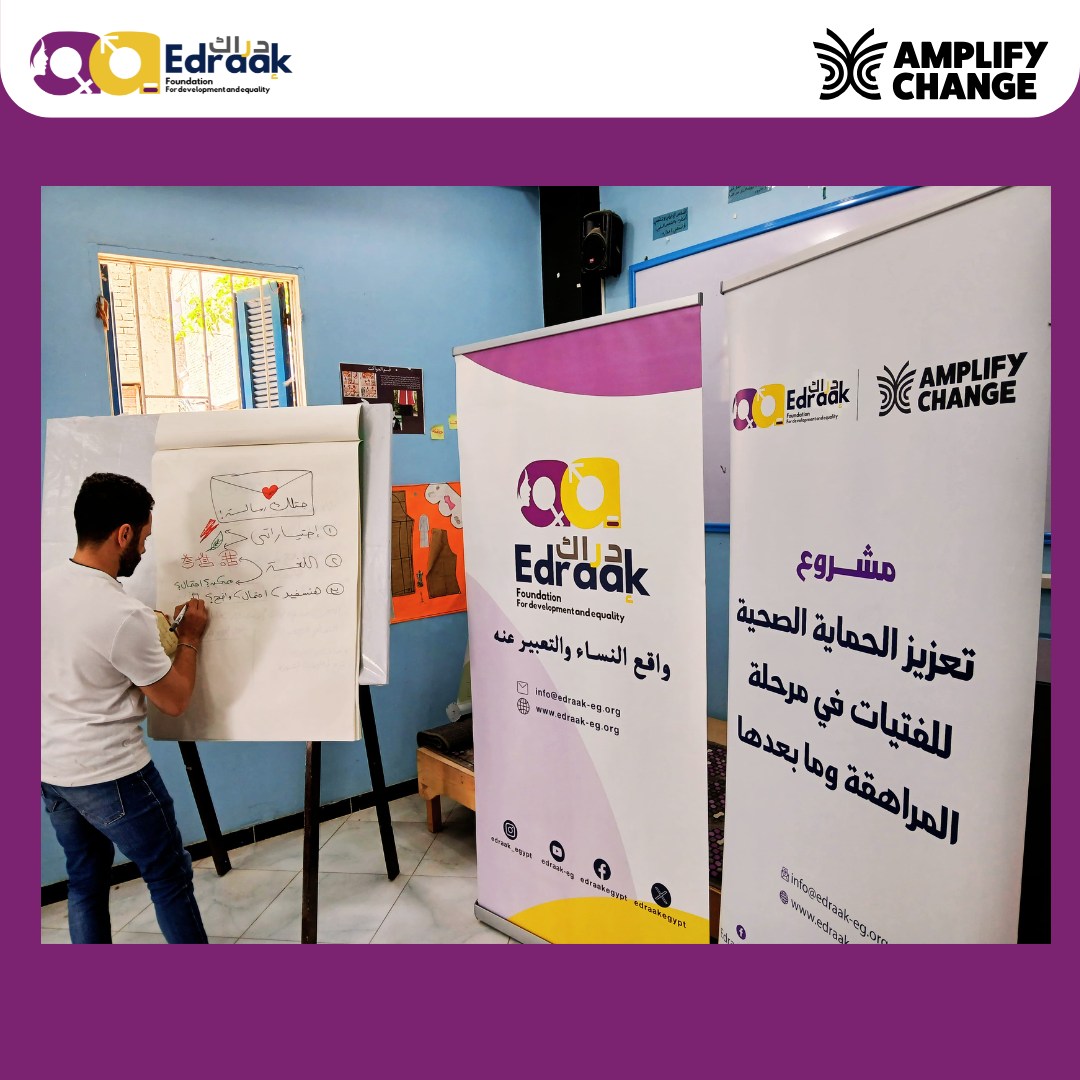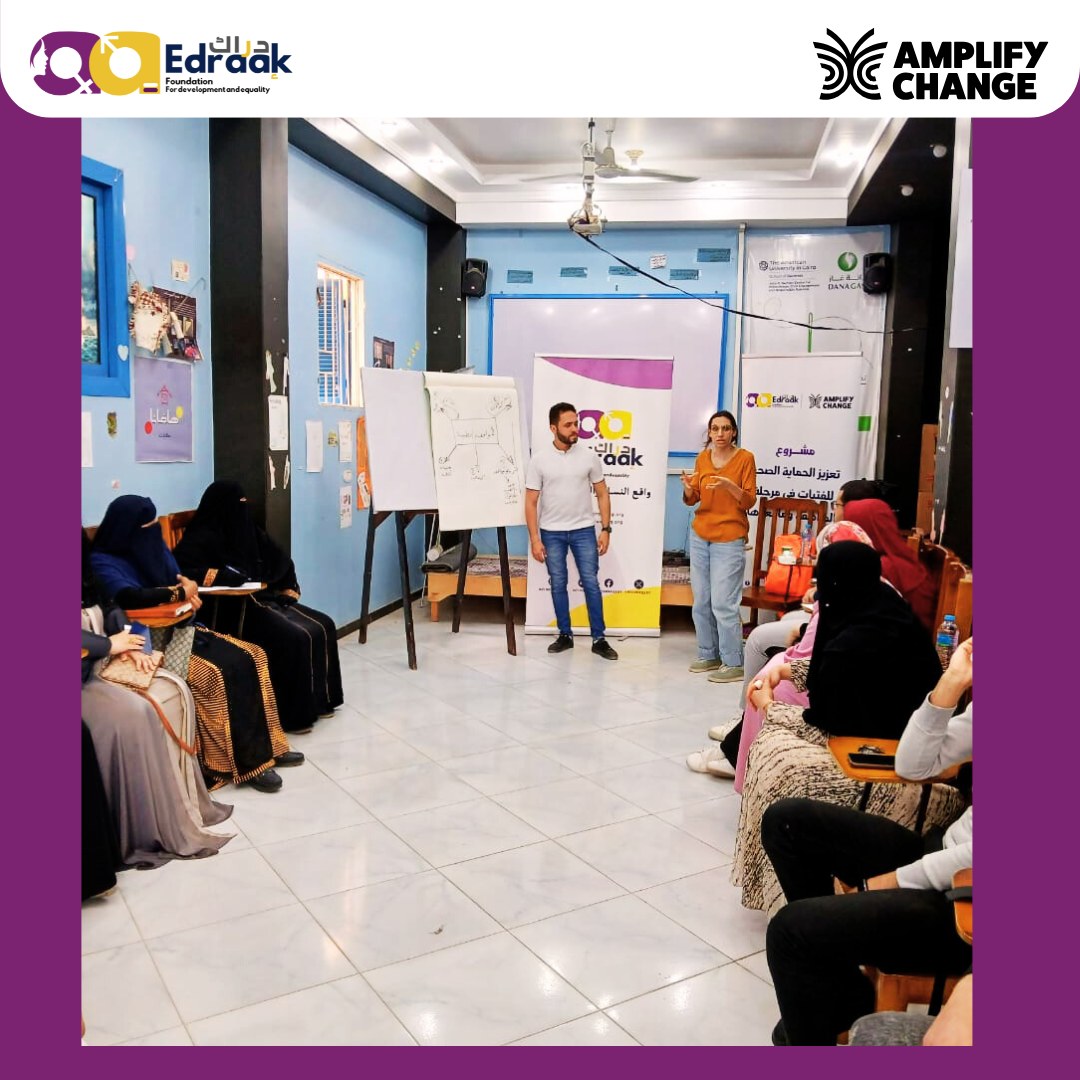
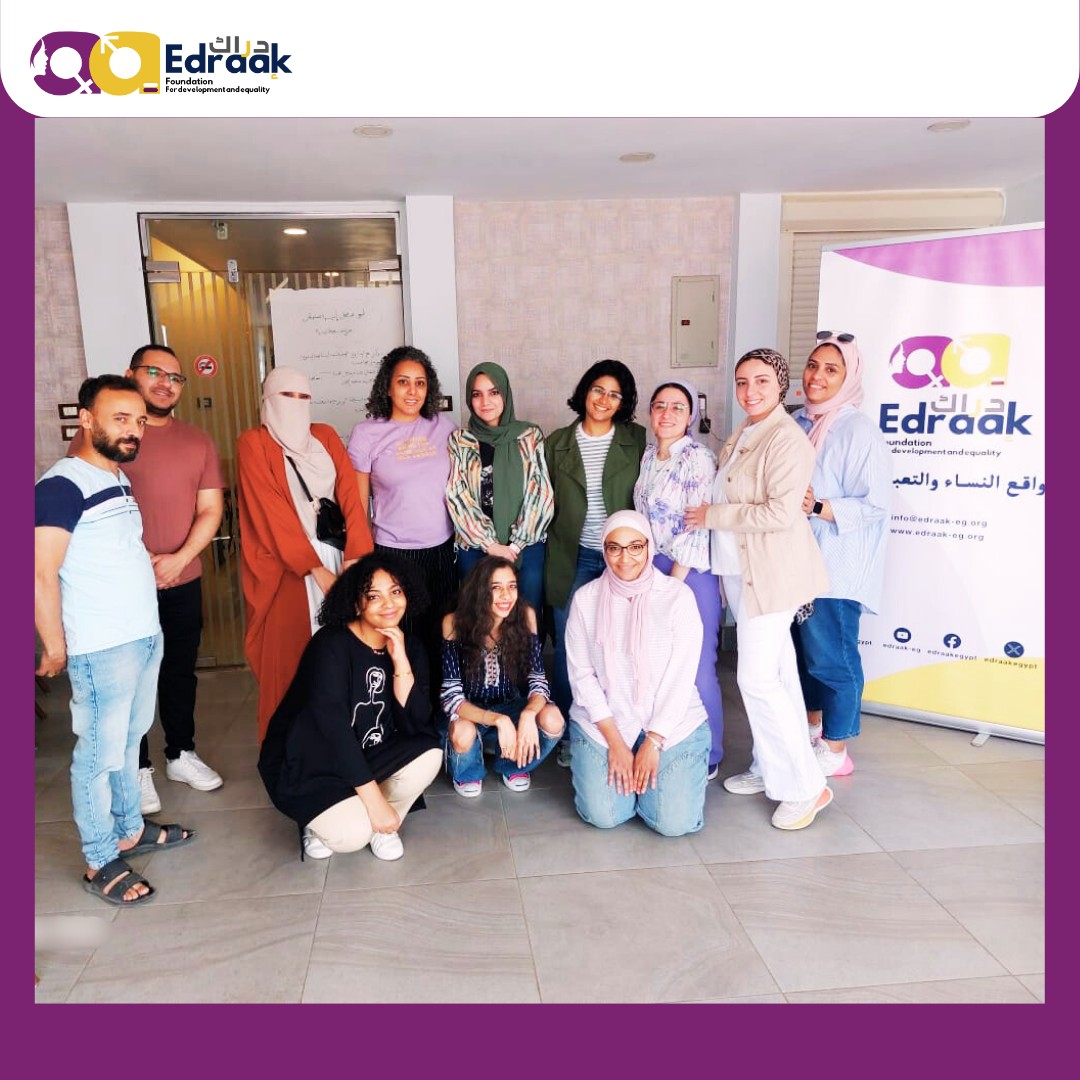
Edraak concludes a specialized training to support content creators to address sexual and reproductive health issues.

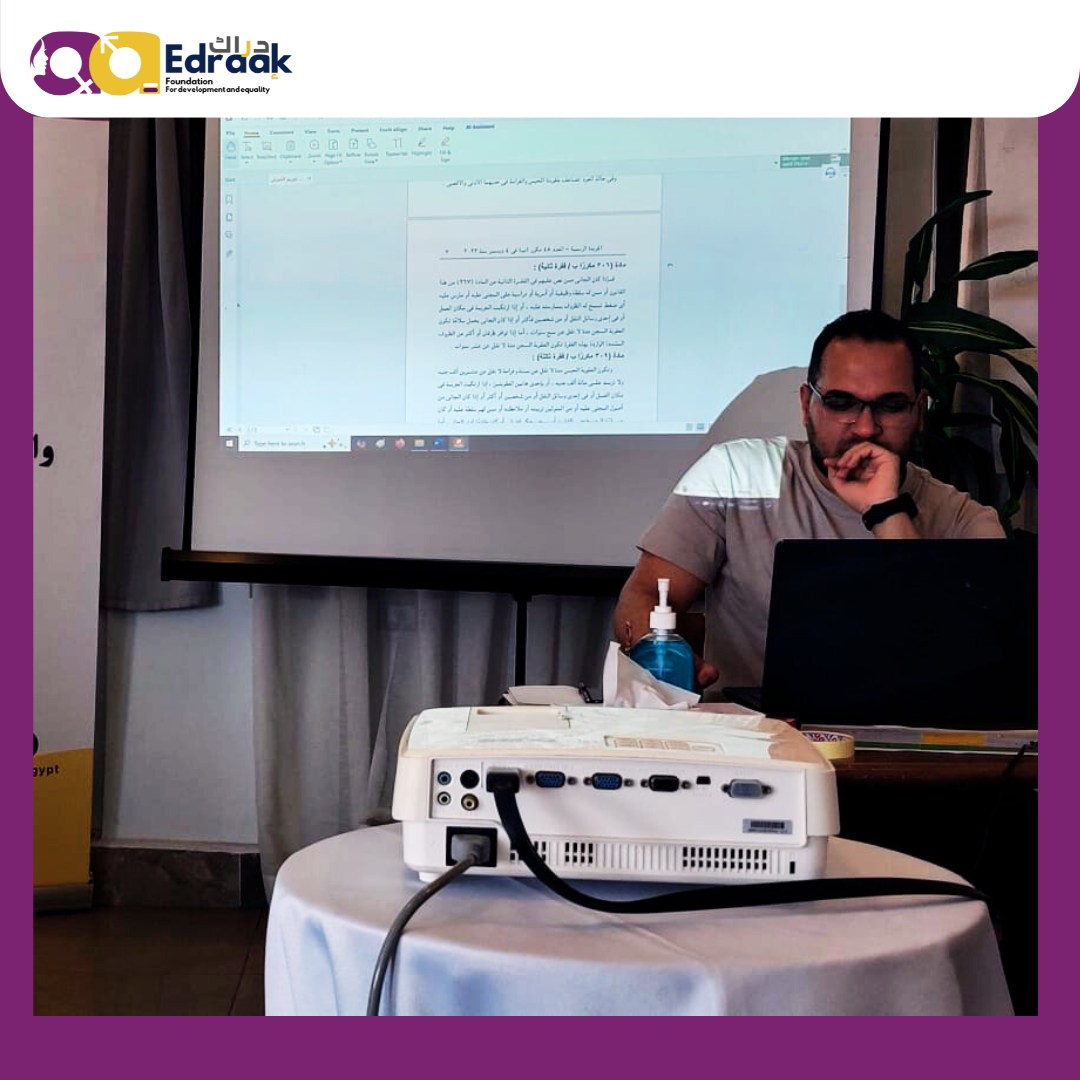
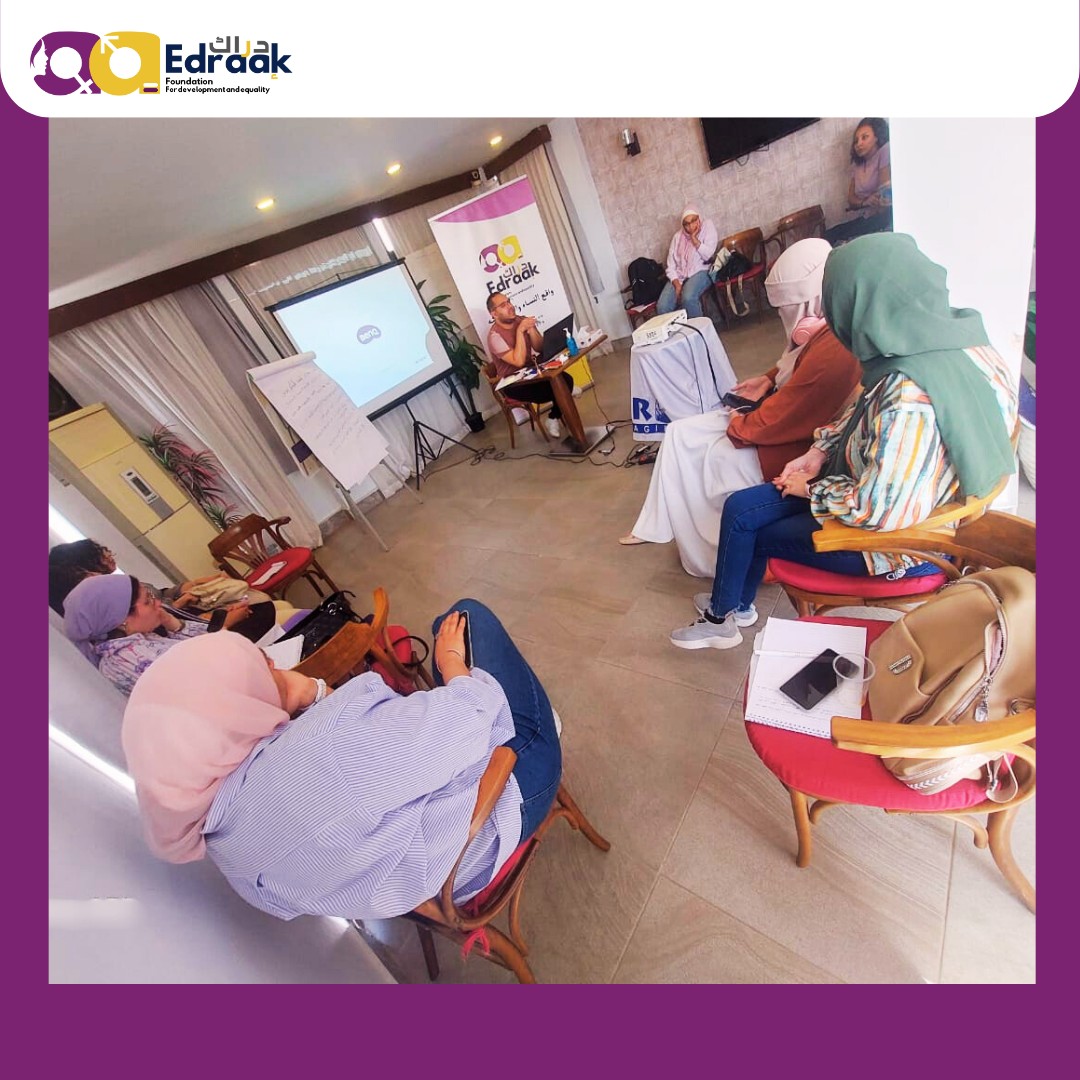
Edraak Foundation for Development and Equality concluded a specialized training titled “Participatory Capacity Building for Online Content Creators on Sexual and Reproductive Health Issues.” The four-day training, held in Cairo, brought together a group of digital content creators interested in raising awareness and educating about Sexual and Reproductive Health .
Day 1: Learning rights-based digital storytelling techniques, breaking stereotypes, and impactful influencing across social media platforms.

Day 2: Learning the fundamentals of digital safety, understanding algorithmic mechanisms, and dealing with digital challenges.

Day 3: Discuss the legal aspect of publishing on sexual health issues, such as abortion, and the ways for content creators to be legally protected
Day 4: Emphasizing ethics and inclusive language in content creation, and the importance of fostering a fair and non-discriminatory discourse.

This training is part of Edraak’s efforts to promote safe digital spaces and build the capacities of content creators to deliver awareness and rights-based messages that contribute to changing societal narratives and supporting the right to access information.

#HerBodyIsHerRightAndHerRightDecides
#ImportantWordsNotShameful
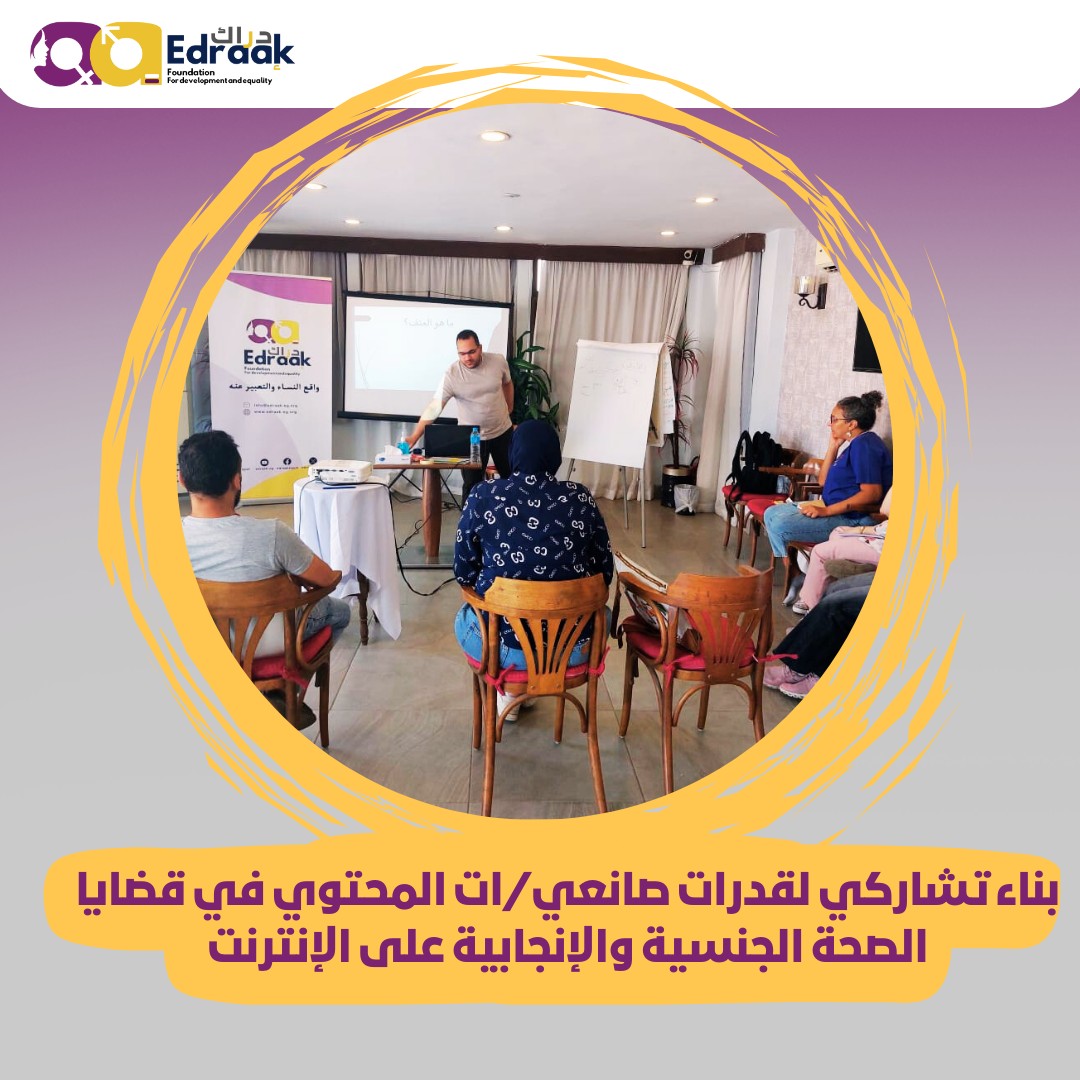
A workshop for Civil Society Association: “Improving the Quality of Reproductive Health Services for Women in Dakahlia”

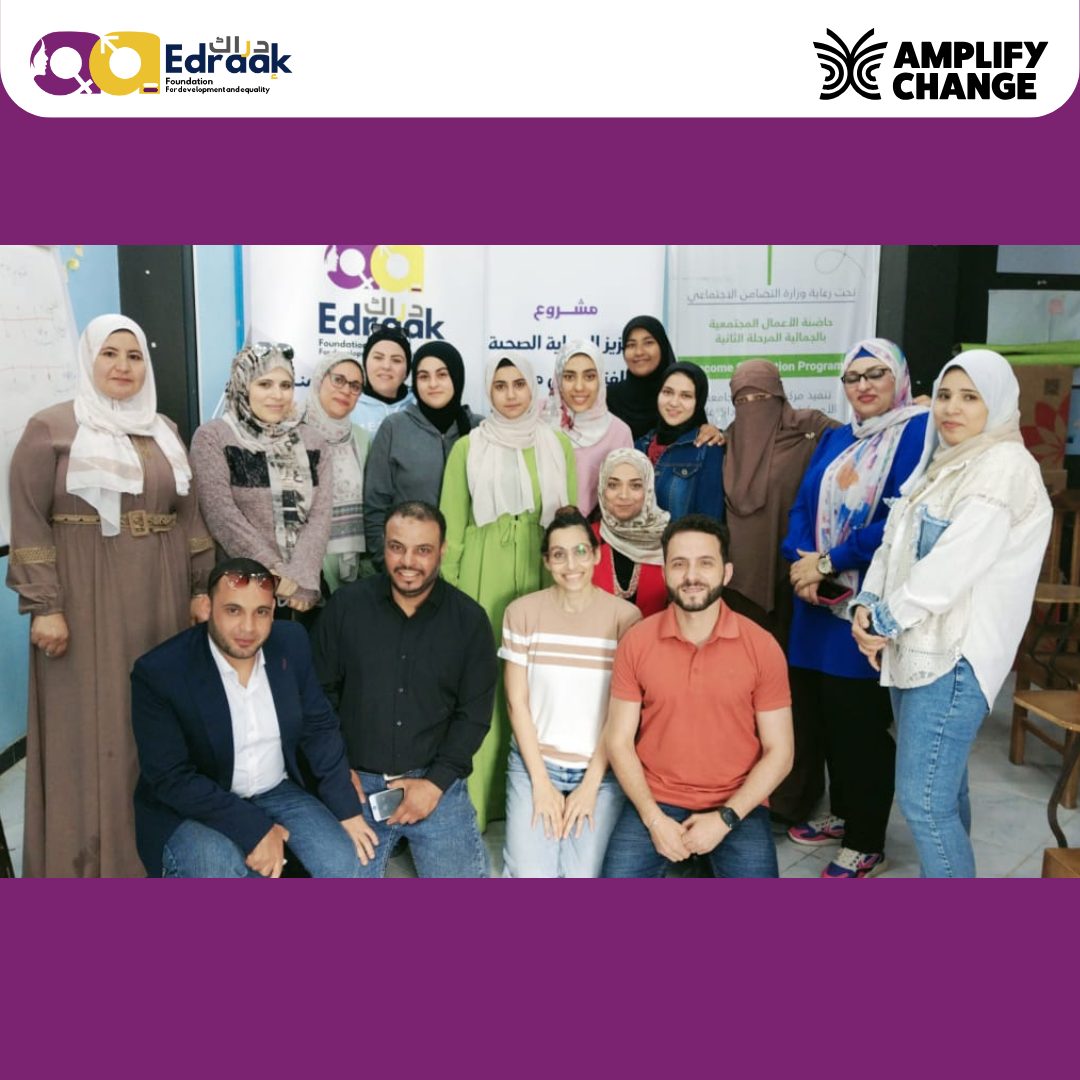
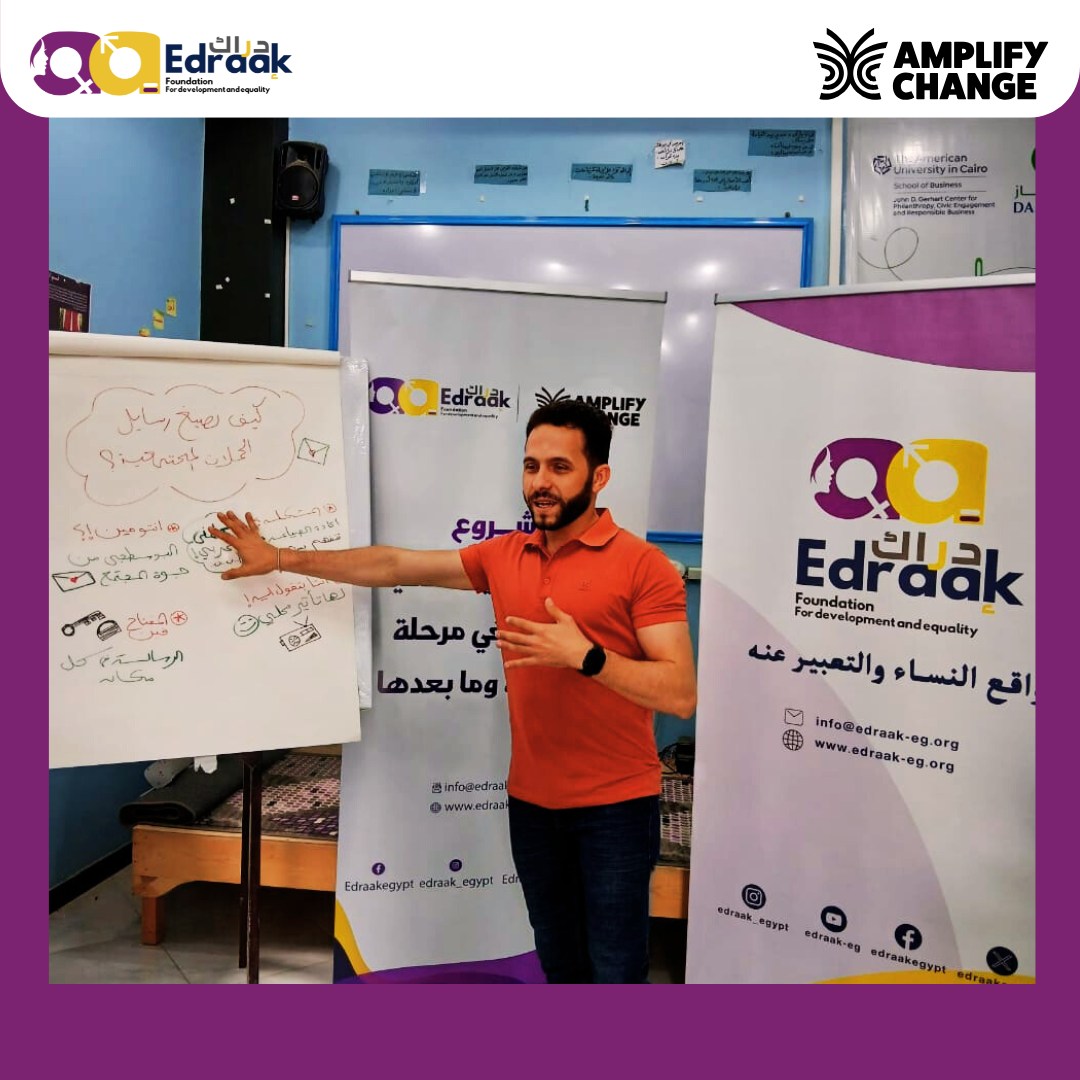
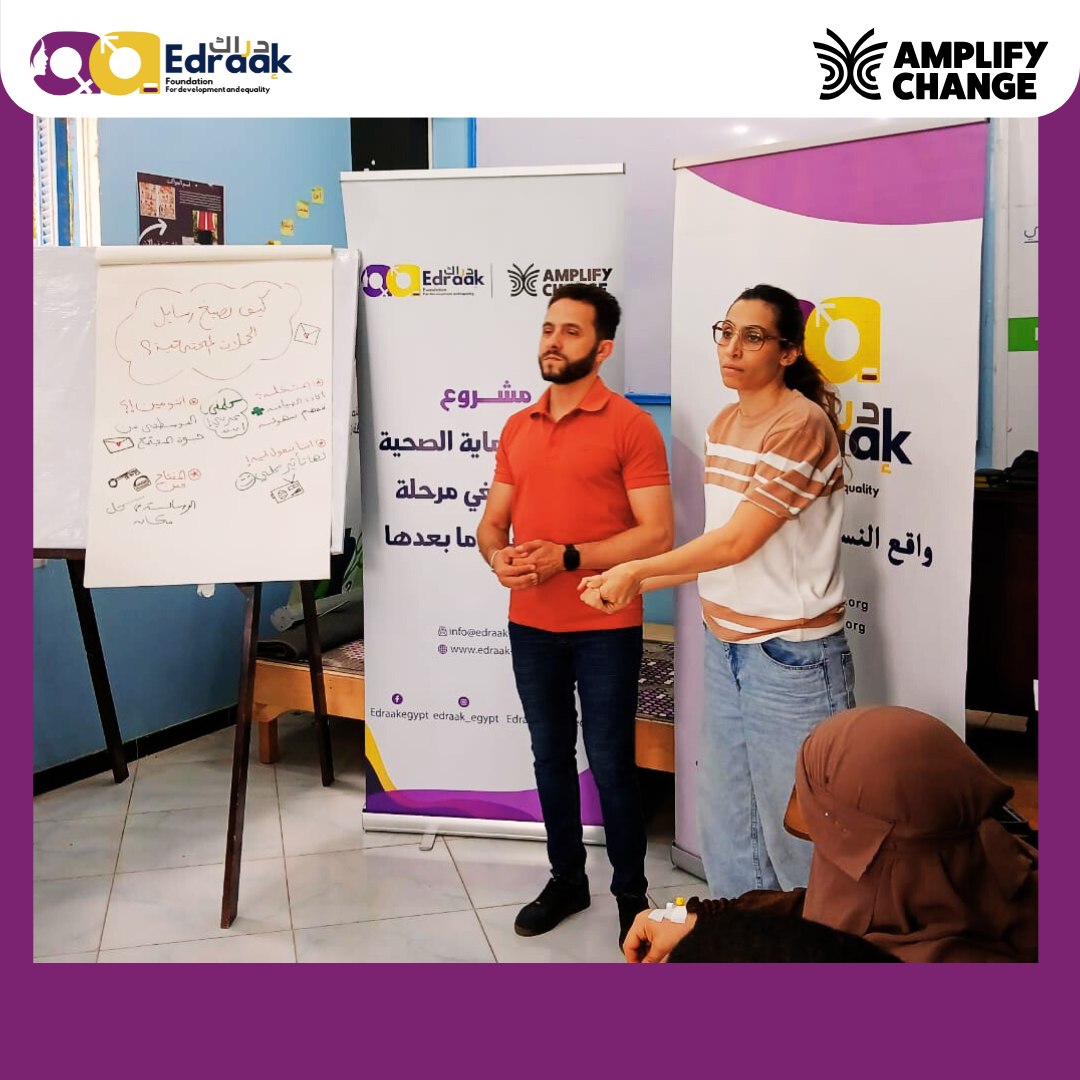
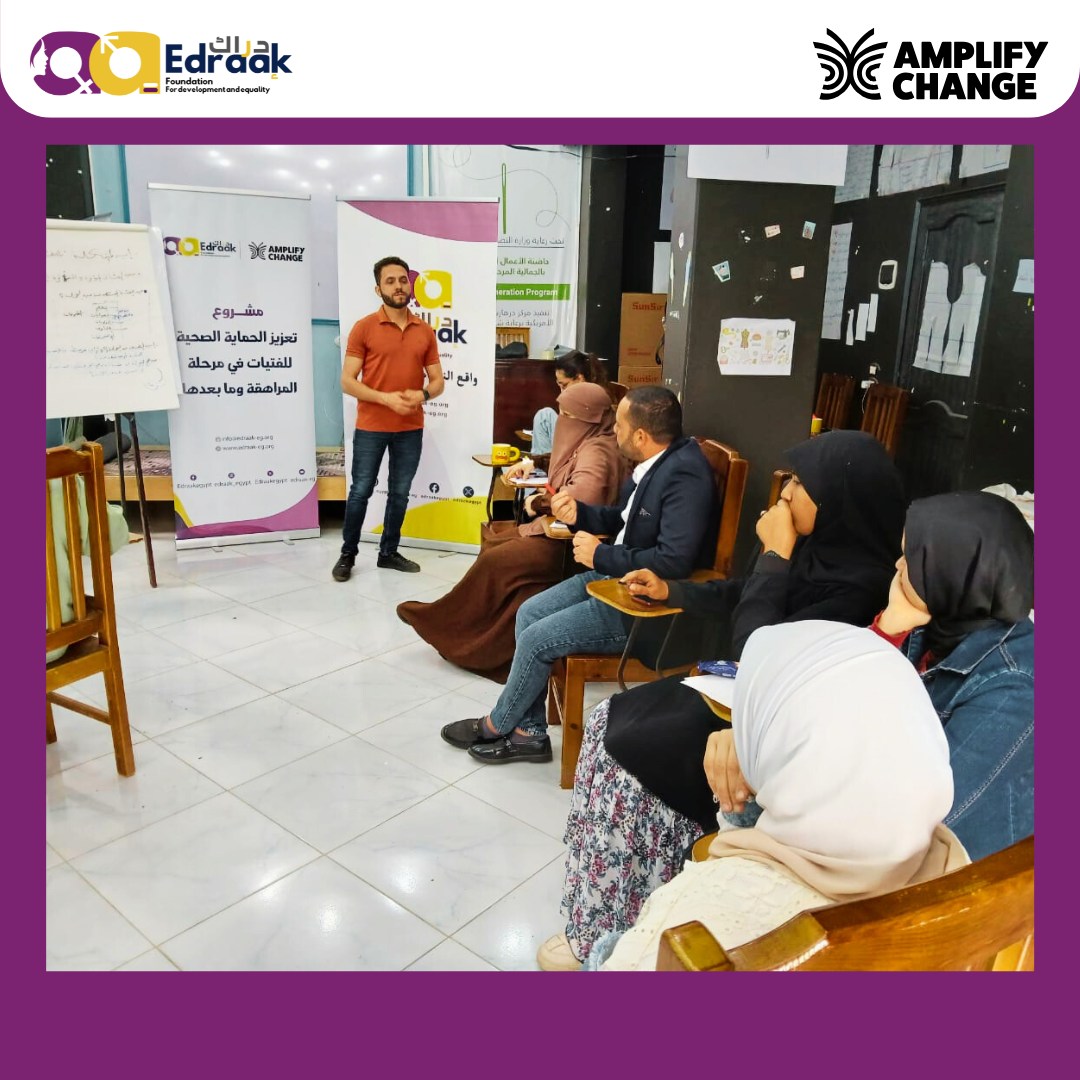
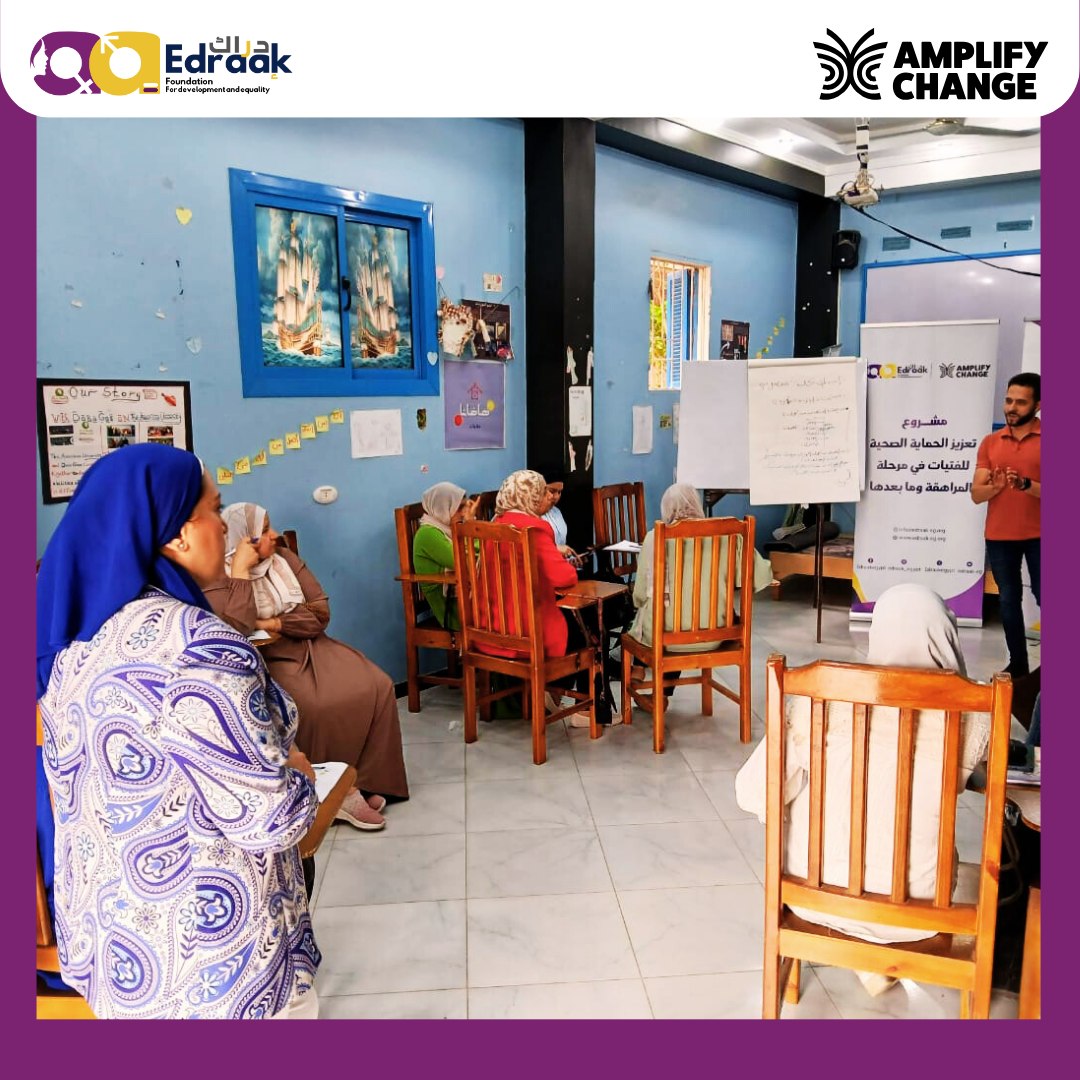
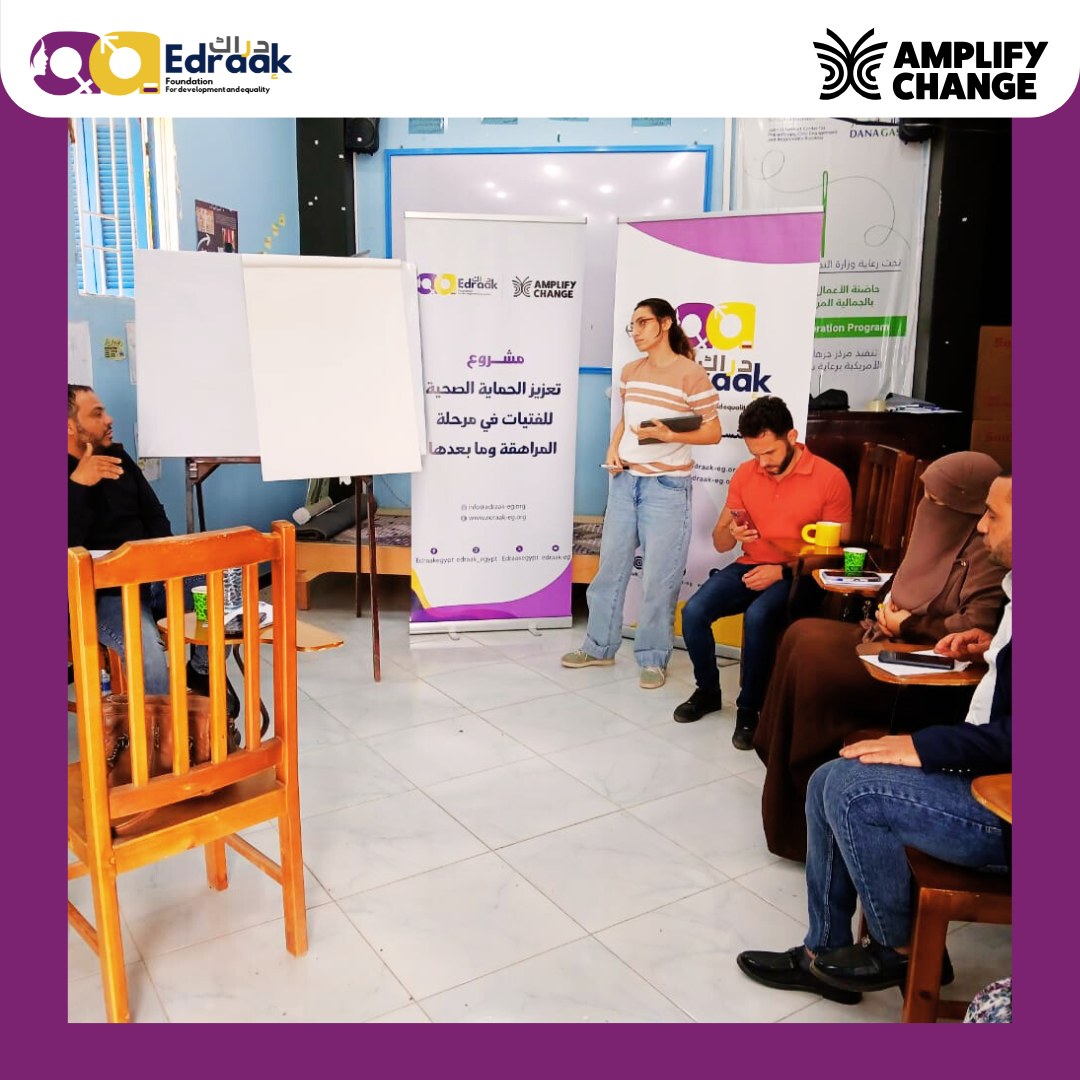
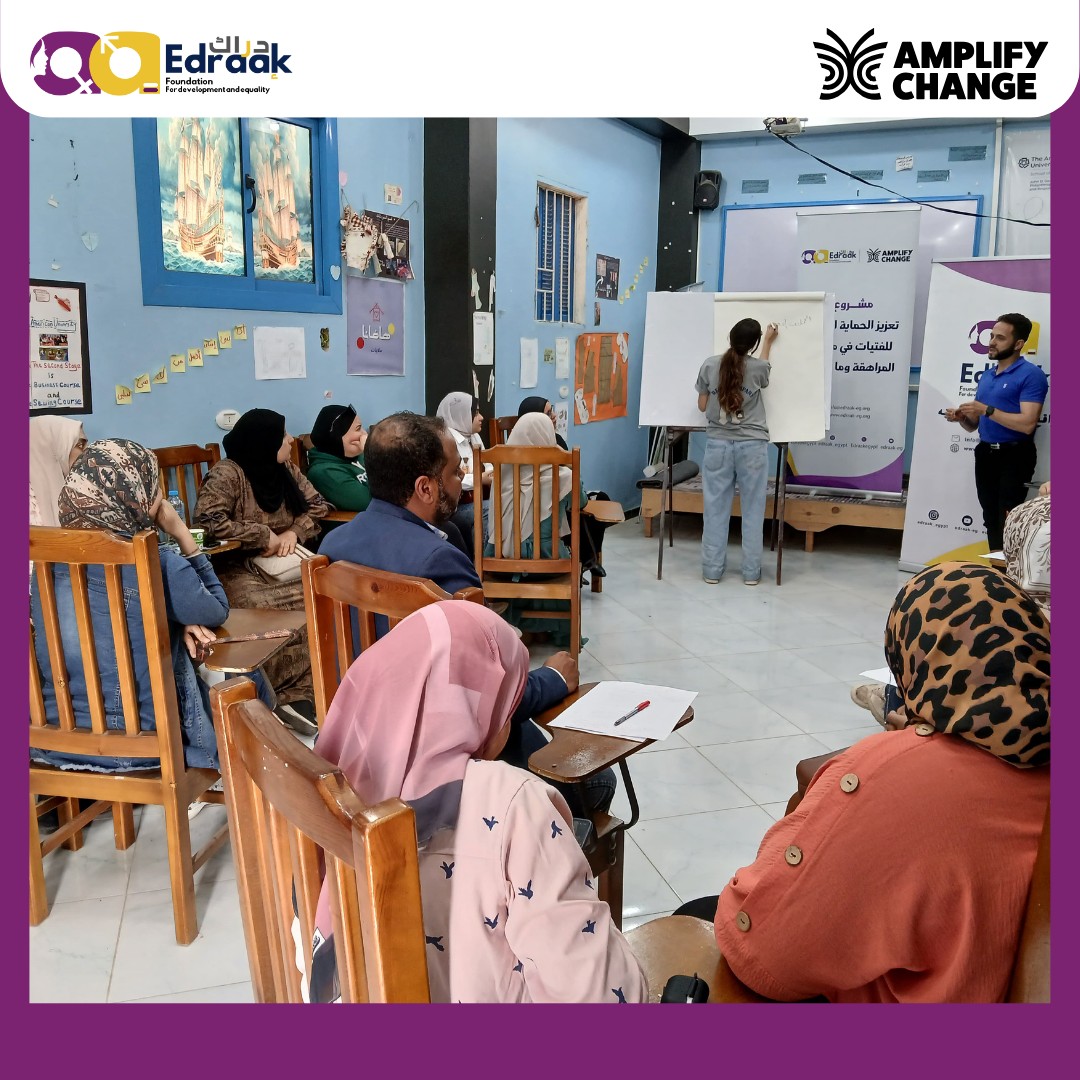
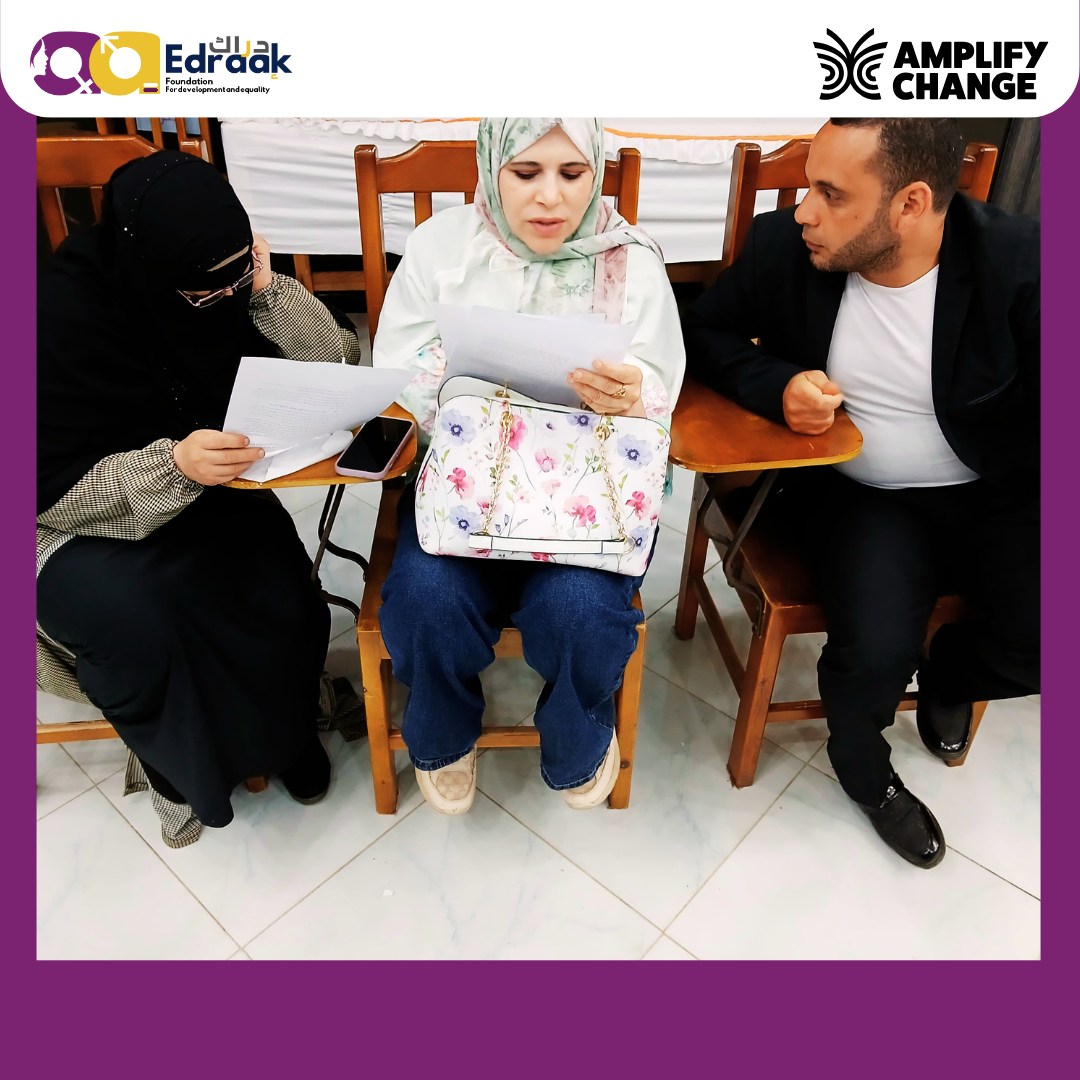
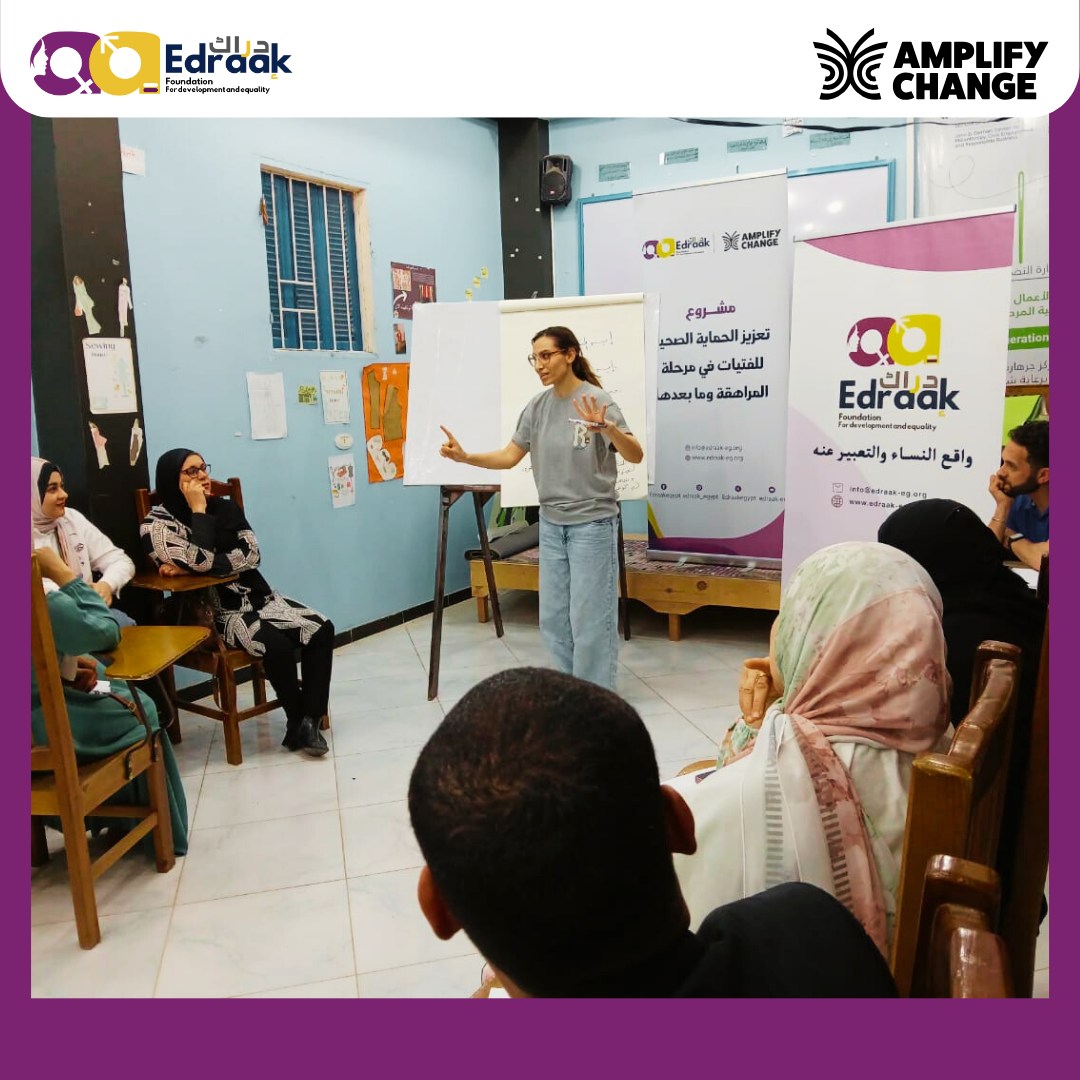
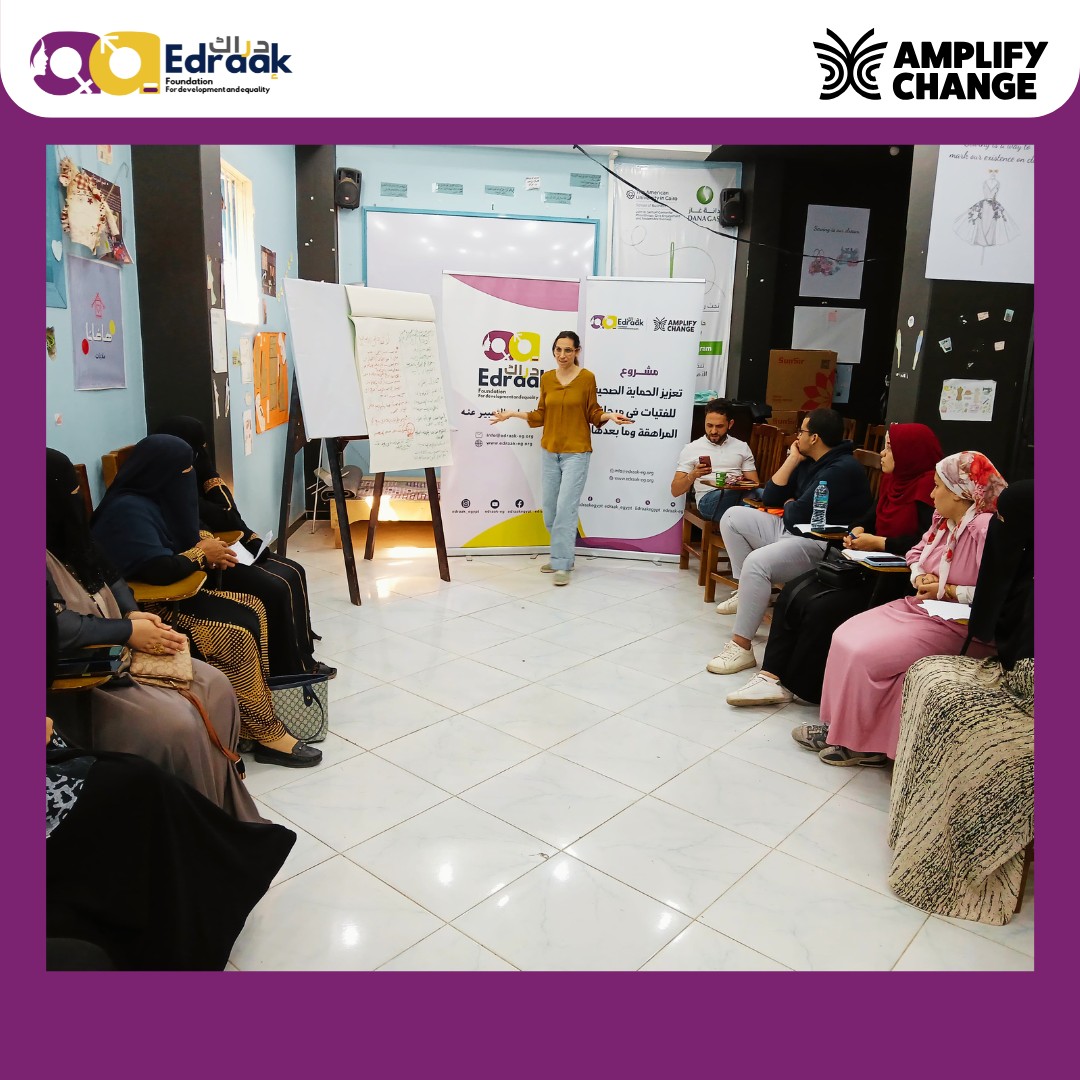
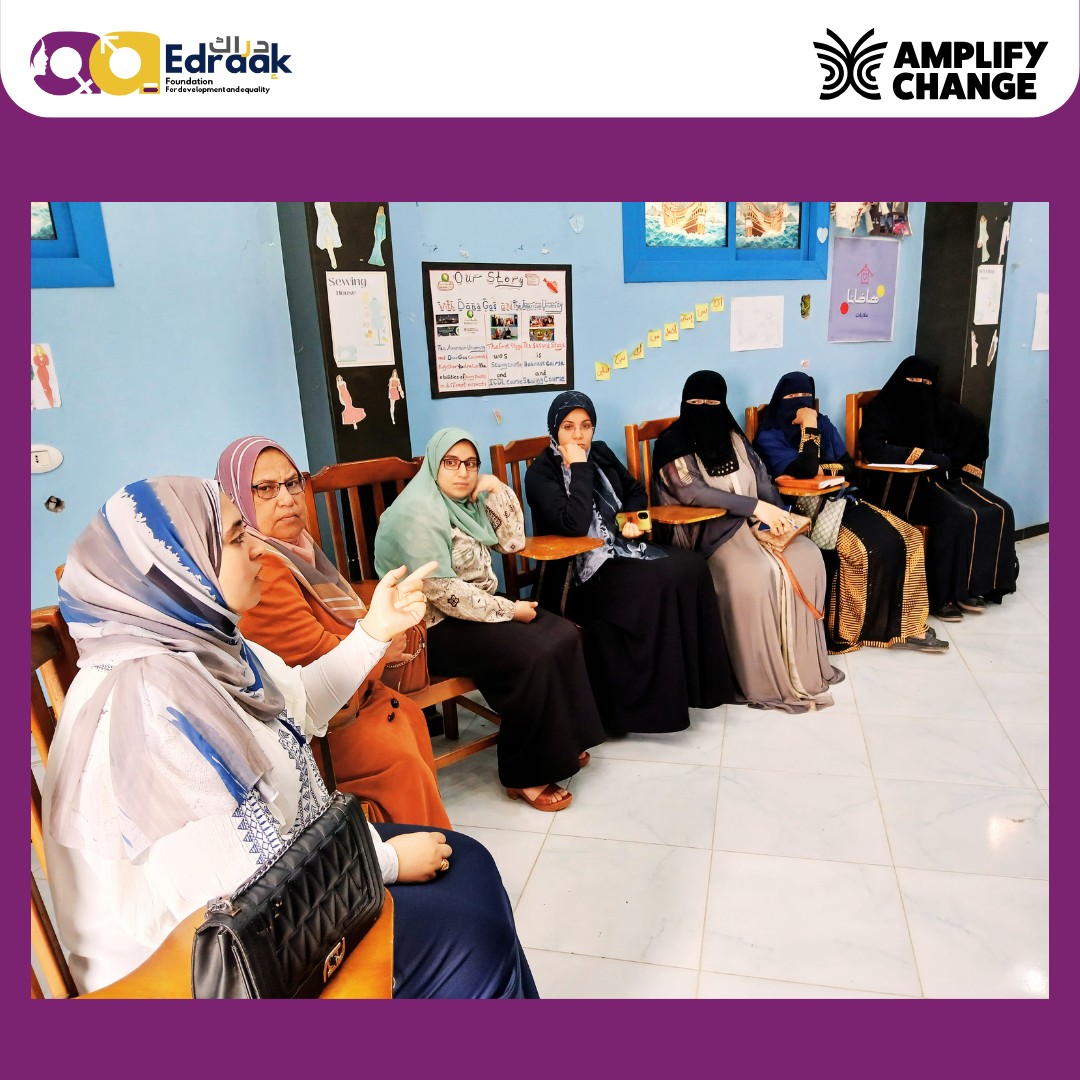
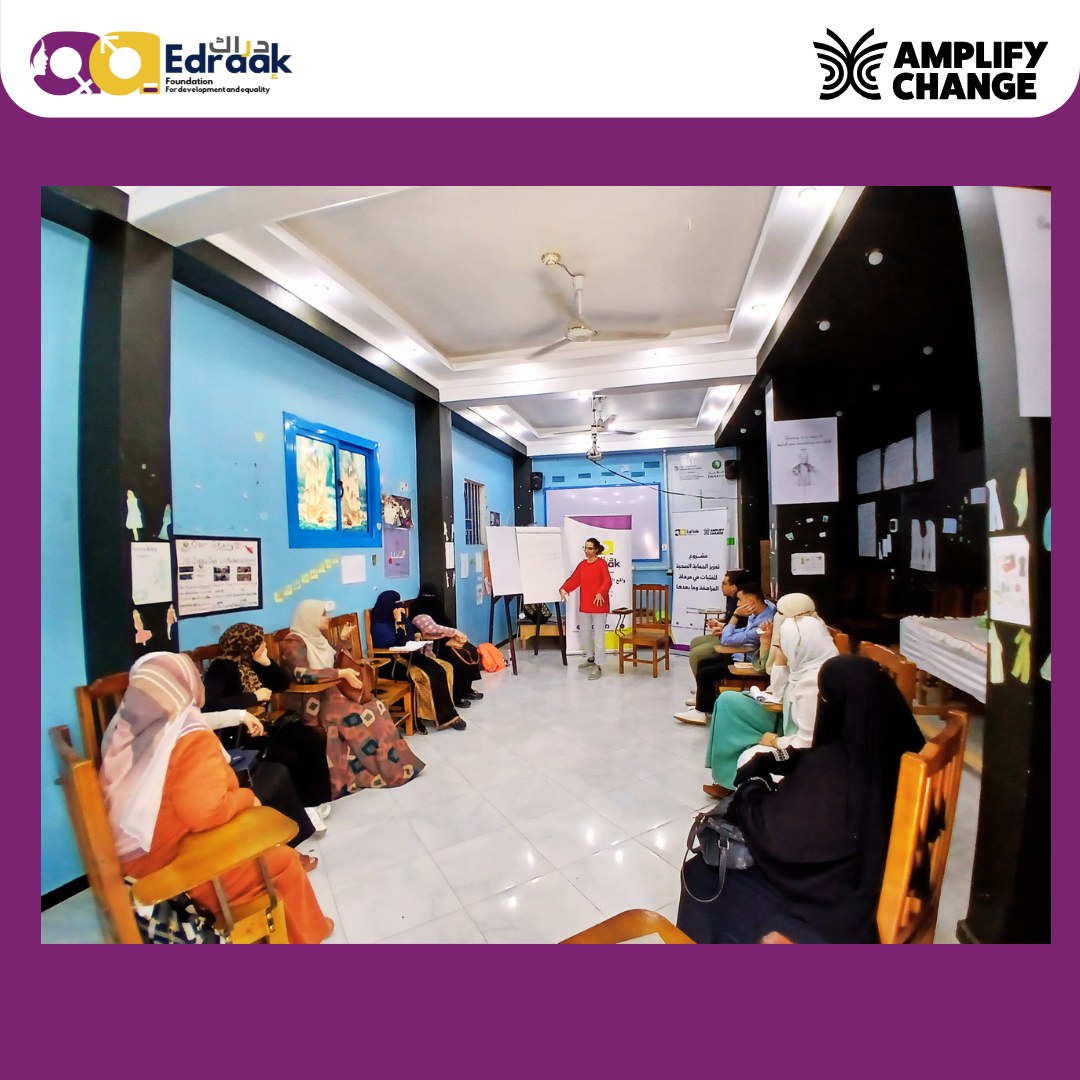
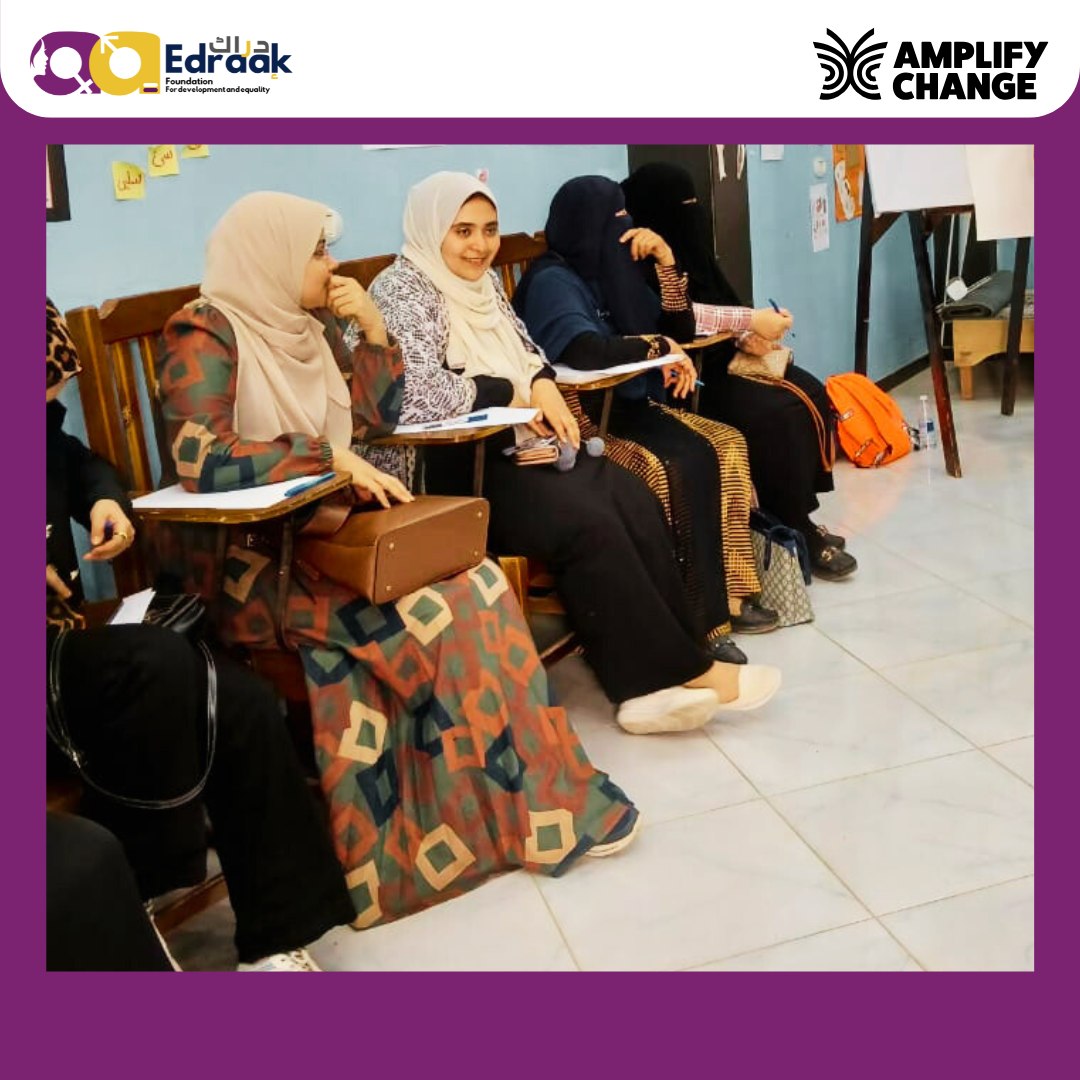
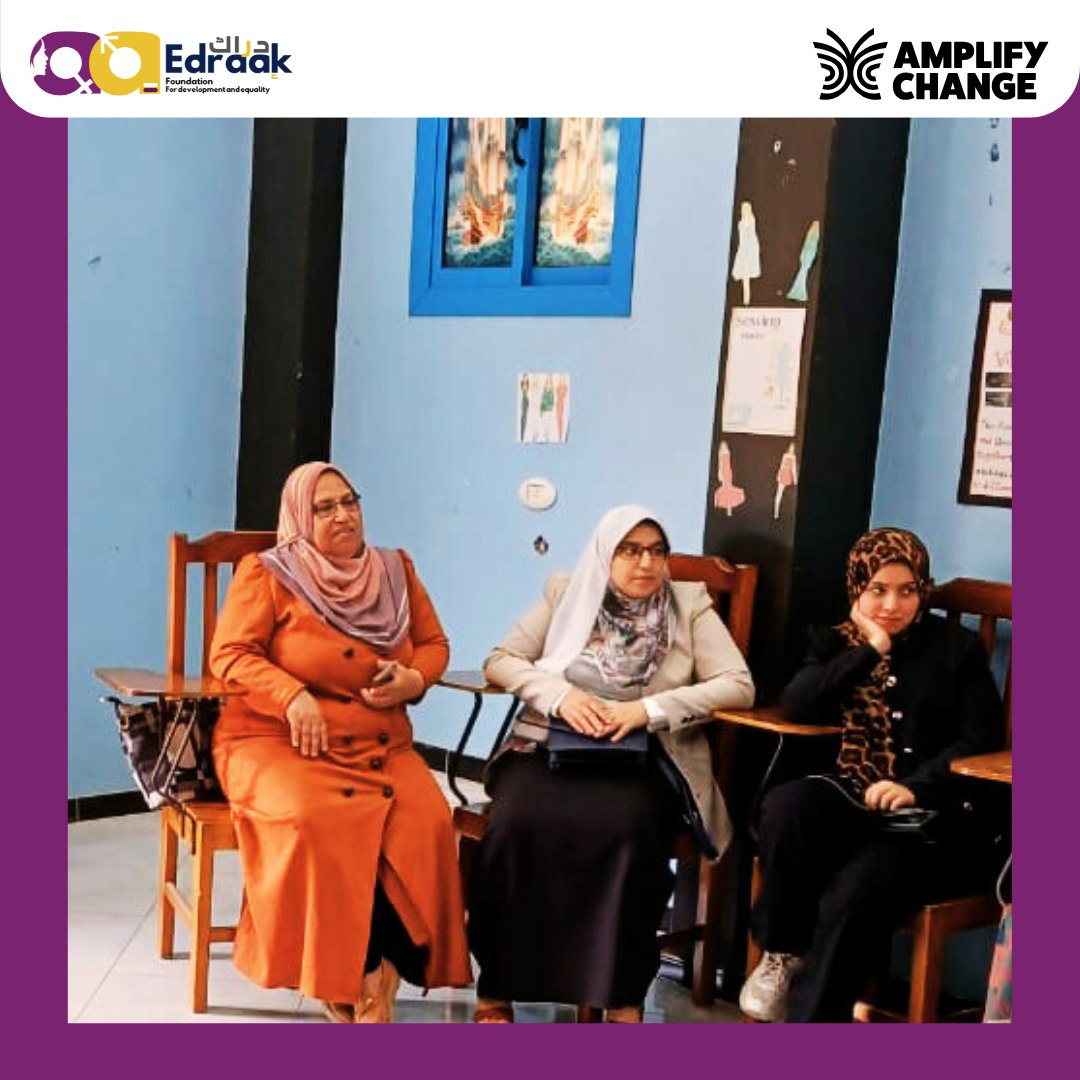
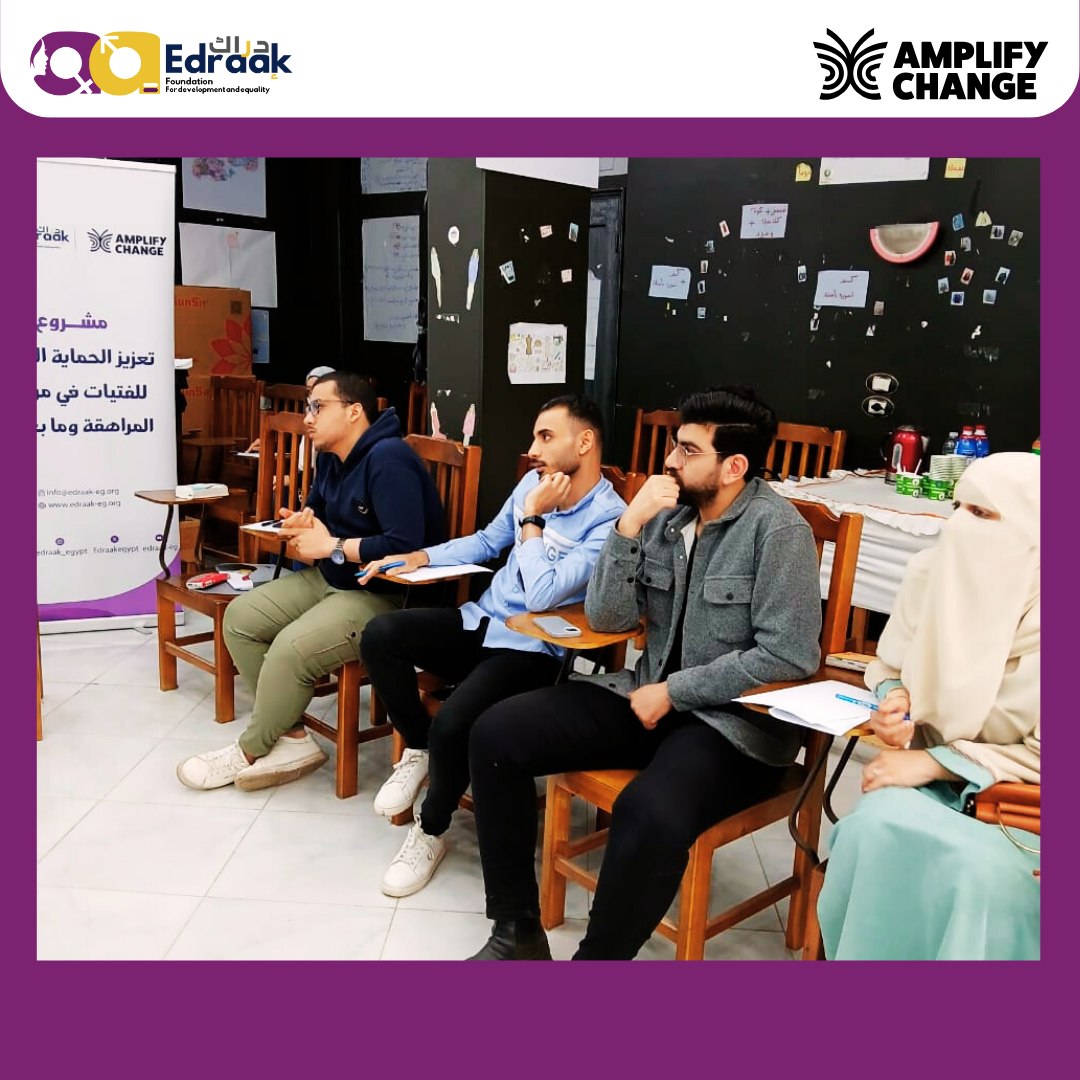
In its efforts to respond to the reproductive health needs of women in local communities, #Edraak Foundation for Development and Equality, in cooperation with AmplifyChange, organized an intensive training in Dakahlia Governorate, titled: “Enhancing Health Protection for Women and Girls,” with the participation of representatives of civil society Associations and community activists..
Spanning several days, the workshop covered crucial topics related to providing quality, privacy-sensitive health services for women, especially in rural and marginalized areas. On Day 3, the workshop sessions focused on the core knowledge and skills that are essential to provide quality services that meet the reproductive health needs of women.
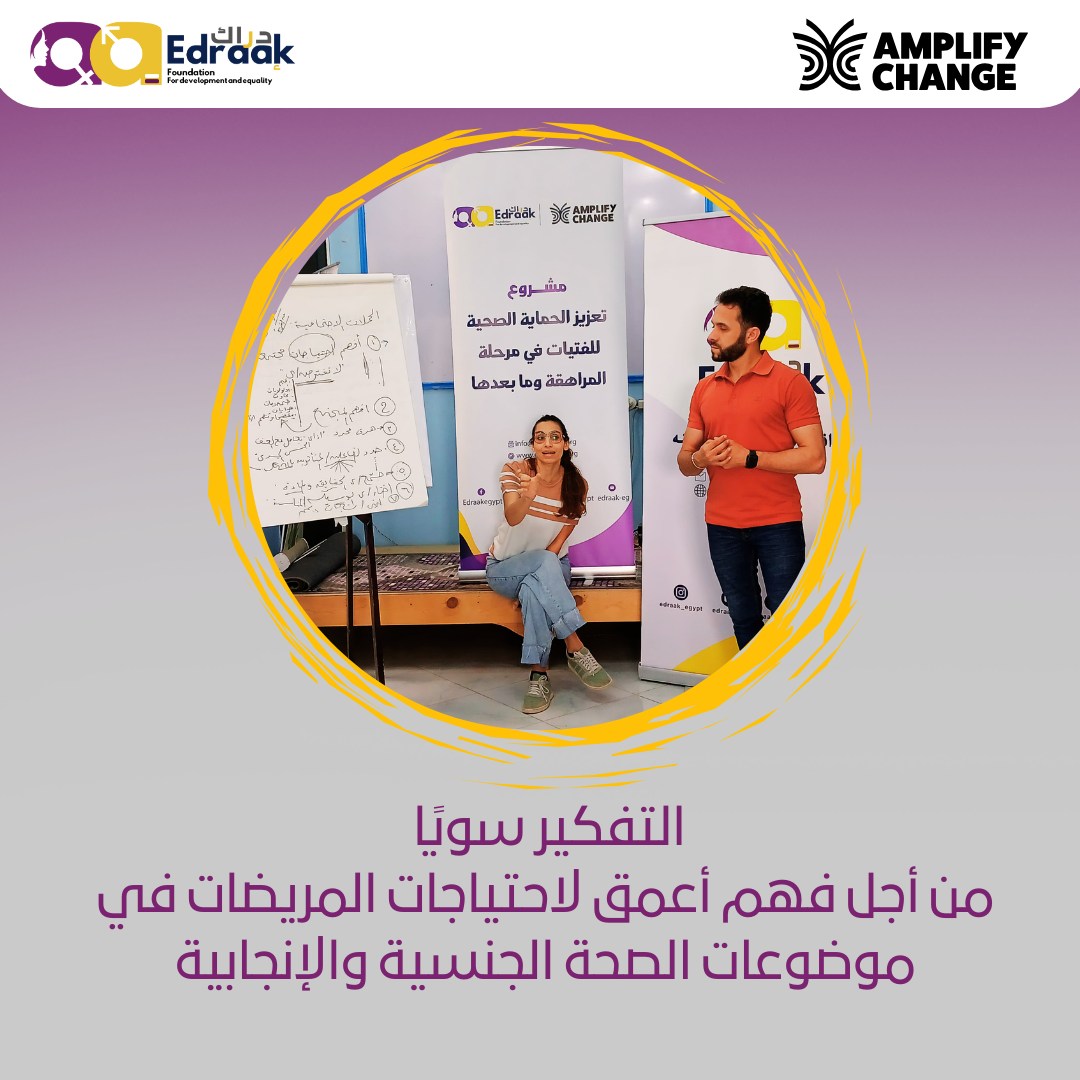
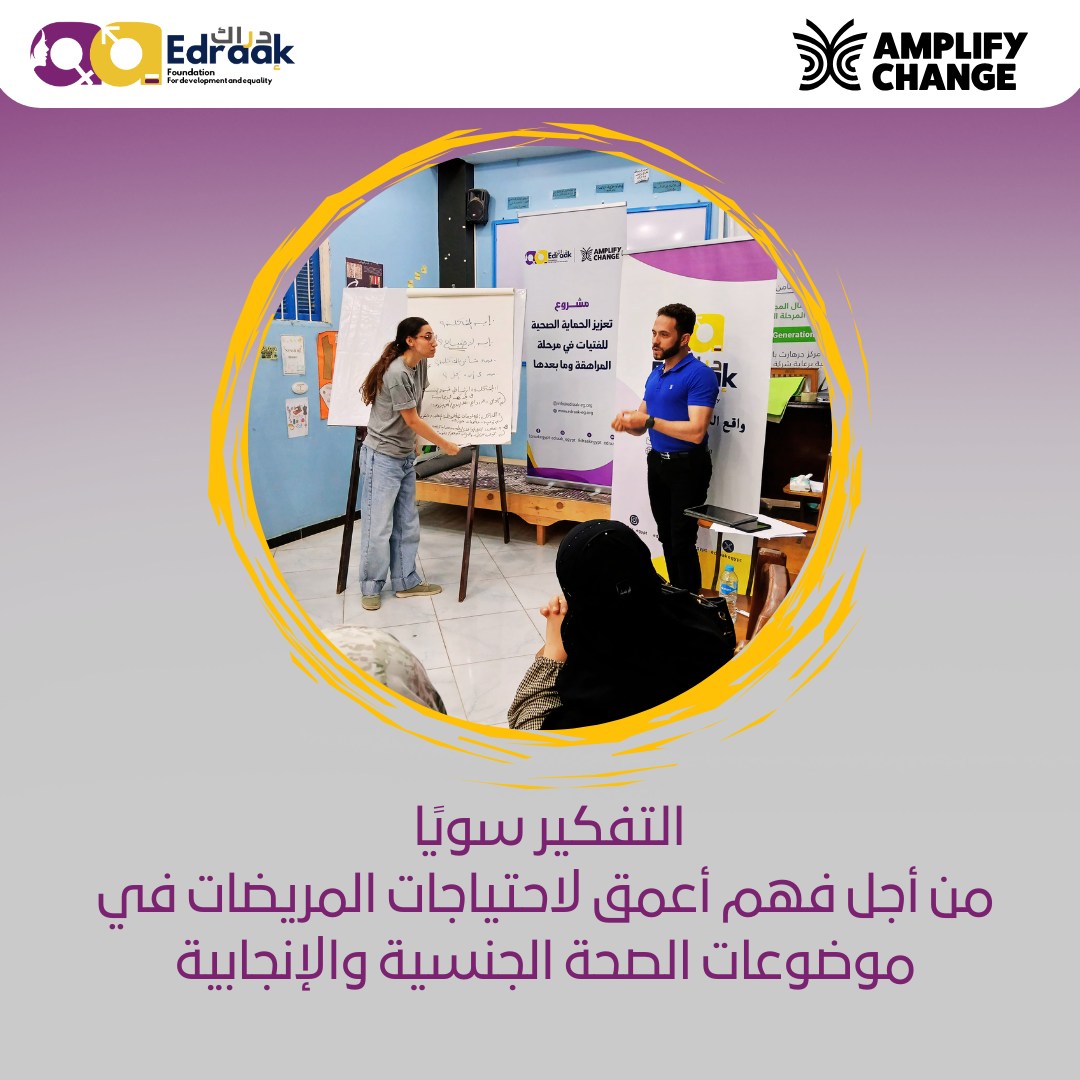
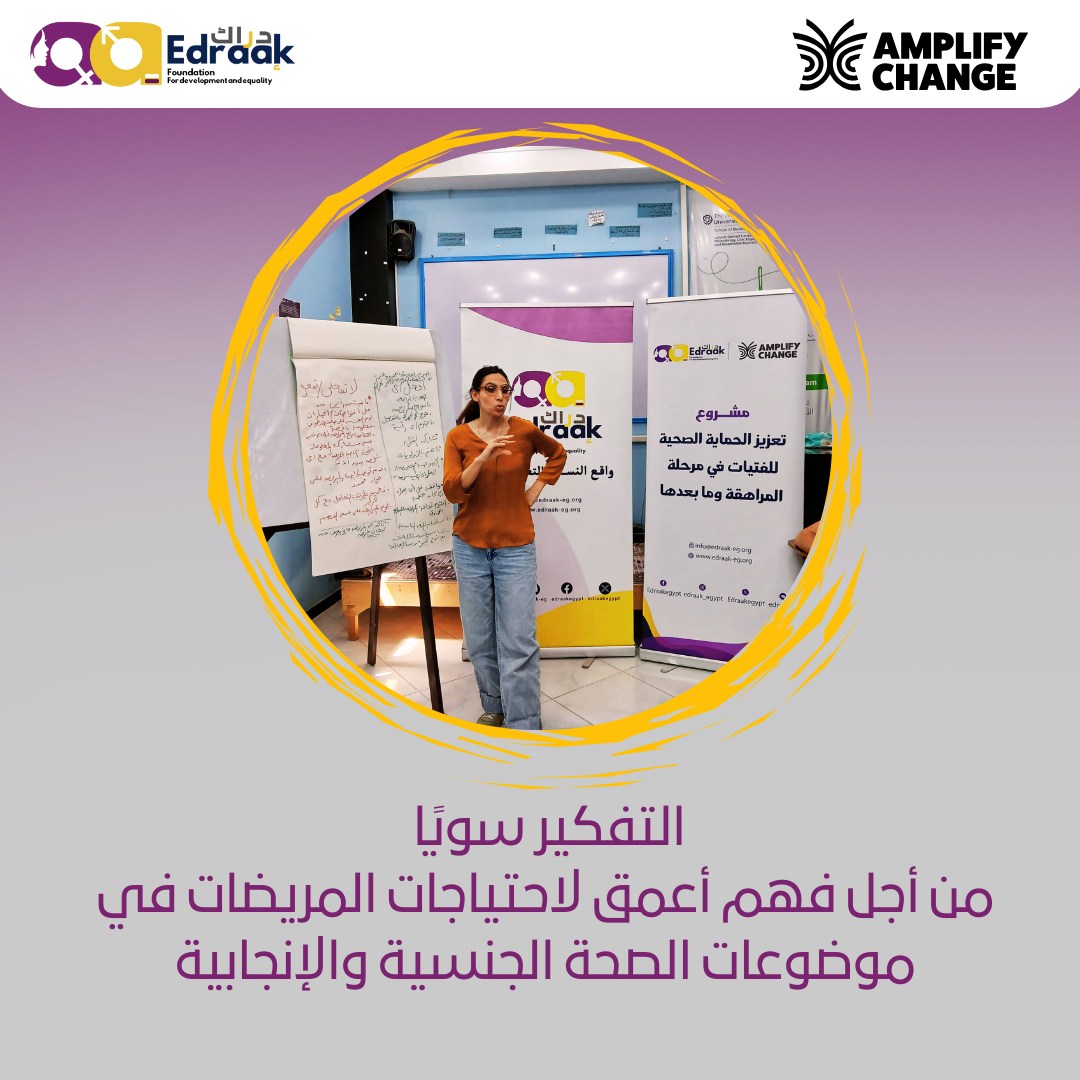
The Day 4 activities included an open discussion that was moderated by trainer and researcher Sama Al-Turki, in collaboration with Dr. Omar Al-Gabry, focusing on women’s health needs in Dakahlia Governorate and how to meet them through local community work.
Overall, the Interactive Training Sessions focused on:

– Understanding the social and cultural contexts that influence women’s health needs.
– Crafting health messages, particularly those related to sexual and reproductive health, in a safe and effective manner.
– Discussing effective tools and methods for conveying these messages, such as awareness workshops, field work, and social media.
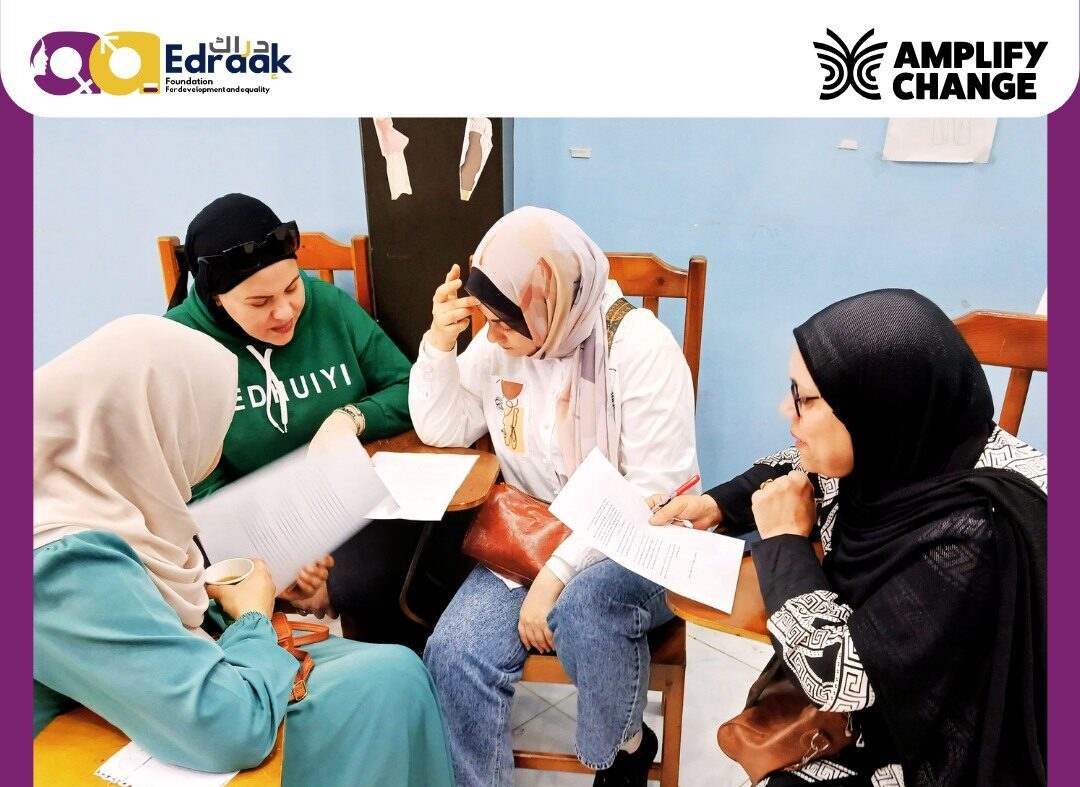
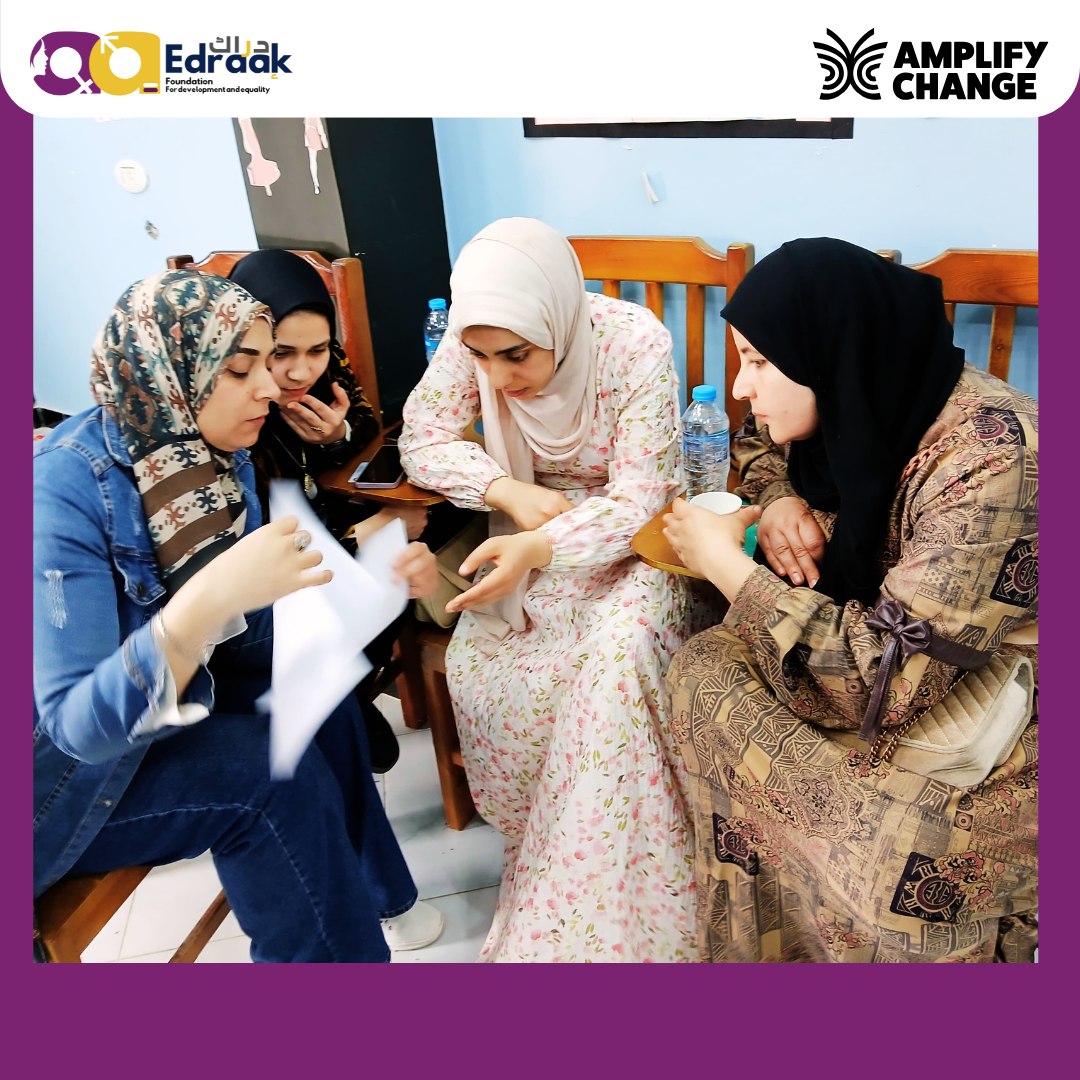
– Interactive working groups were also held to discuss how to design these tools and messages to suit the needs of each community group,with a strong emphasis on building trust between service providers and the women they serve
Towards a gender-sensitive healthcare services
The workshop aimed at empoweringNGOs workers to develop a gender-sensitive health discourse that places women’s needs at the heart of the planning and implementation process and ensures their right to access quality and comprehensive health services. The workshop represents a practical model for partnerships between civil society and supporting institutions to build a safe health environment that supports women and girls, especially in light of the increasing health and social challenges.

#Edrak Foundation
#YourHealthIsAPriority #GynecologyClinicIsNotShameful #Women’sHealth #ReproductiveHealth #Doctors #GynecologicalExamination #Adolescence
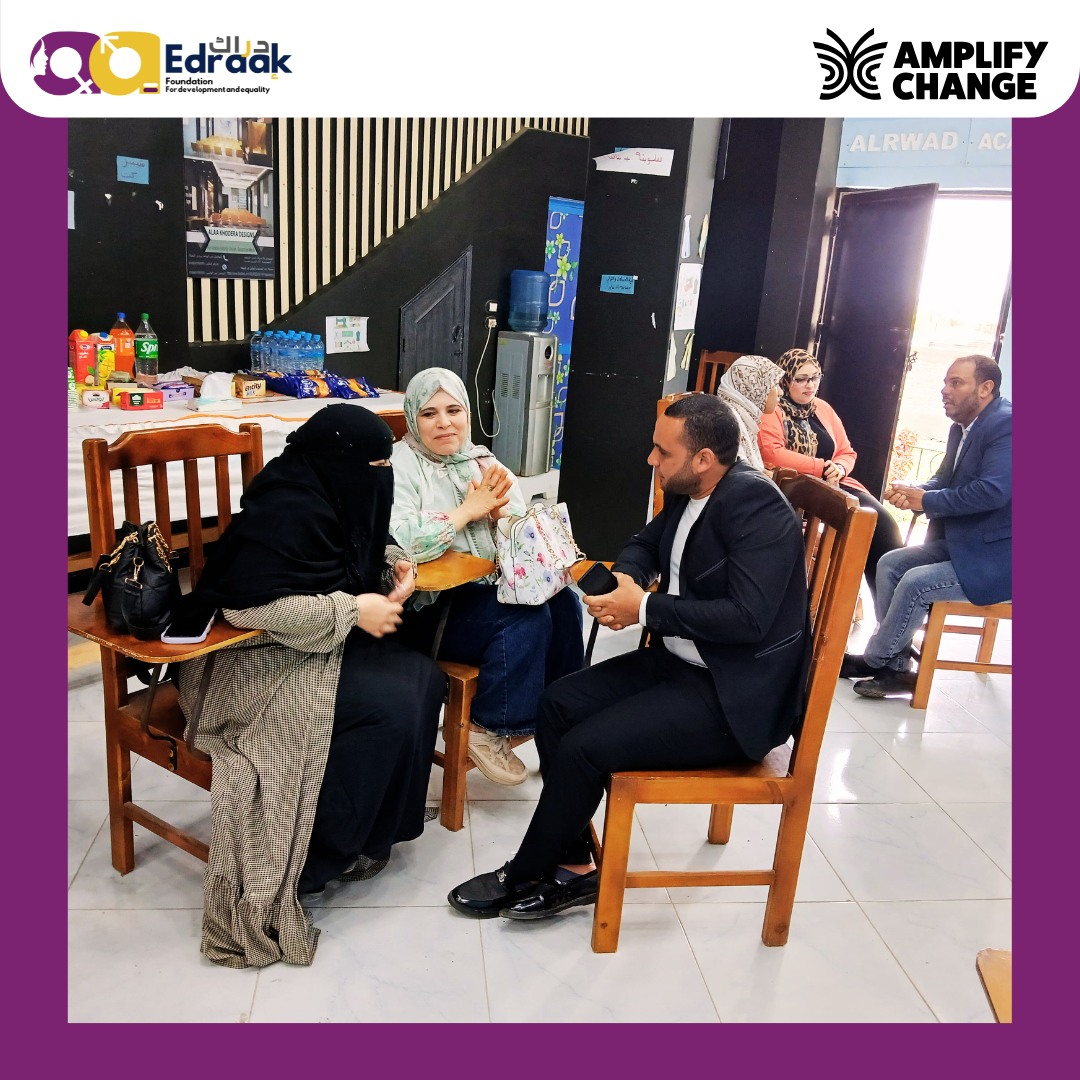
#HerBodyIsHerRightAndHerRightToDecide #KnowledgeMakesA Difference

Doctors’ workshop on understanding women patients’ needs in sexual and reproductive health in Dakahlia

As part of the “Enhancing Health Protection for Women and Girls” project, the #Edraak Foundation for Development and Equality, in collaboration with AmplifyChange, organized an interactive workshop bringing together a group of doctors and healthcare providers in #Dakahlia Governorate to discuss a study on:
“How do women make decisions related to their sexual and reproductive health?”
The workshop was led by Dr. Omar Al-Gabry, and the researcher and trainer on SRHR Sama Al-Turki. The first day featured a rich discussion about the role of medical service providers in providing quality and safe healthcare for women. The second day focused on:
– Women patients privacy, including maintaining the confidentiality of health information, respecting privacy during examinations, and ensuring informed consent before any medical procedure.
– How to convey medical information in a simplified, scientific, and safe manner that enhances women patients’ awareness and supports their decisions.
– Assumptions and stereotypes: How do they affect the quality of health care? And the importance of dismantling them to ensure fair and humane treatment of women patients and create a supportive environment for them.
– The importance of creating a judgment-free space that allows women and girls to interact freely and confidently with the medical team.
Follow us for more workshop activities on how healthcare providers in #Dakahlia are promoting privacy, respect, and fairness while providing medical services.

#EdrakFoundation
#YourHealthIsAPriority #GynecologyClinicIsNotShameful #Women’sHealth #ReproductiveHealth #Doctors #GynecologicalExamination #Adolescence
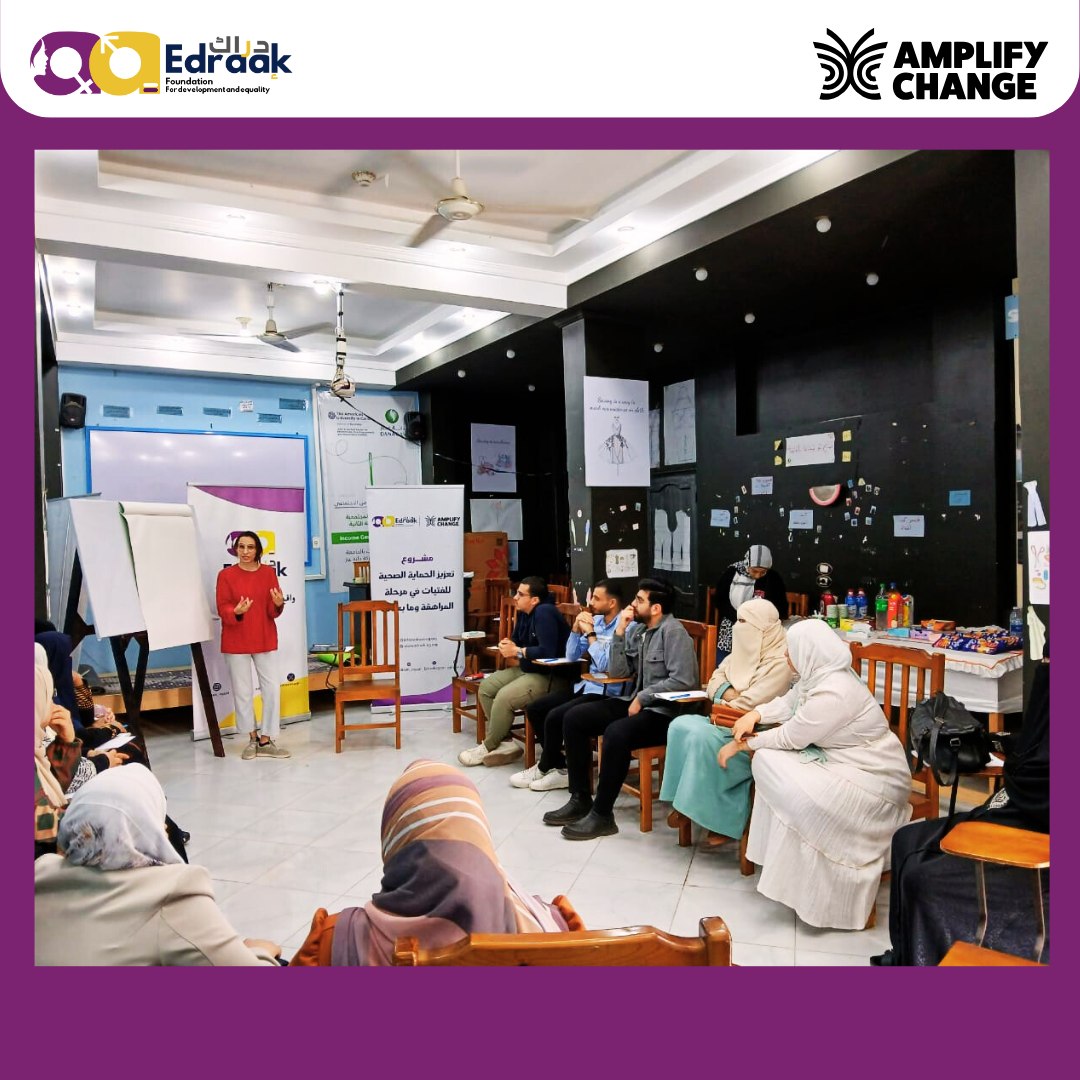
#HerBodyIsHerRightAndHerRightToDecide #HerBodyHerRightSheDecides #KnowledgeMakesA Difference

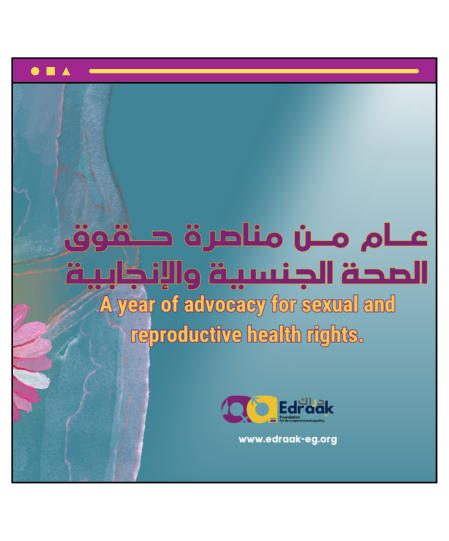
A Year of Advocacy for Sexual and Reproductive Health Rights (SRHR)

Edraak Foundation has released its annual newsletter, documenting a full year of advocacy for sexual and reproductive health rights in Egypt. This work was achieved through implementing various activities and programs aimed at empowering women and girls, raising community awareness, and training healthcare providers, in collaboration with civil society organizations and partners from feminist groups and initiatives.
The report captures powerful testimonies and on-the-ground stories, and initiatives that have made a tangible impact across various governorates.
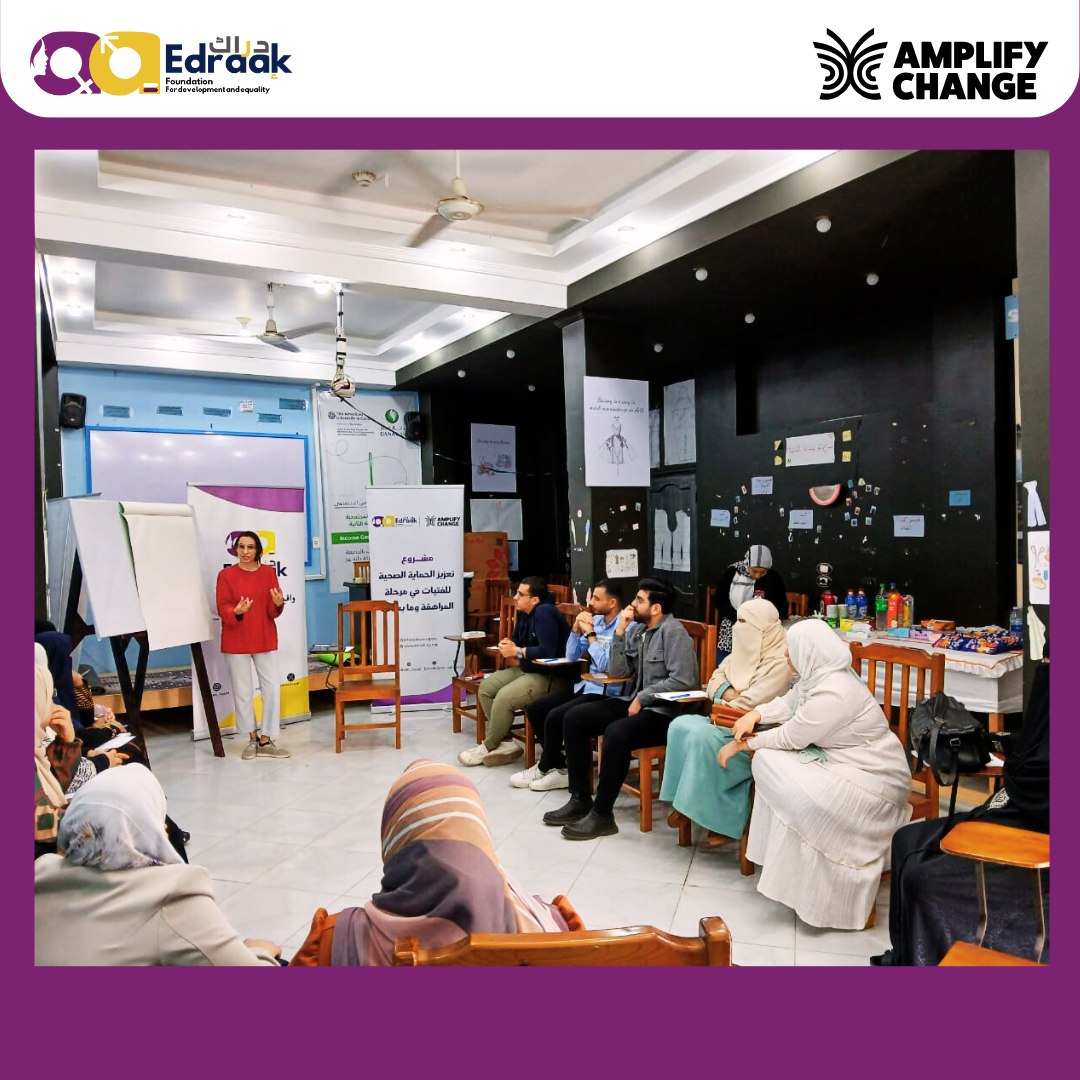
To read the full newsletter, click Here : A year of advocacy on SRHR
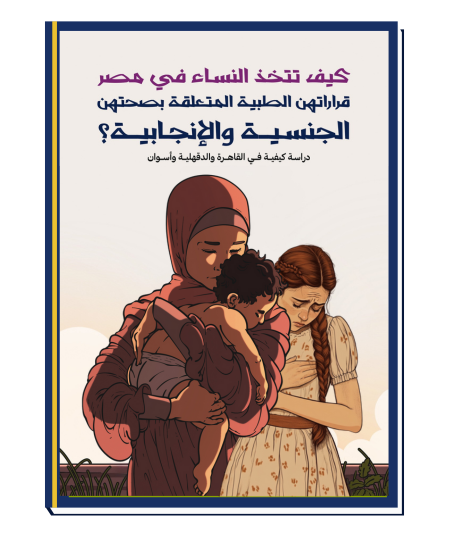
How Do Women in Egypt Make Medical Decisions Regarding Their Sexual and Reproductive Health?

Edraak Foundation has released a qualitative study titled “How Do Women in Egypt Make Their Medical Decisions Regarding Their Sexual and Reproductive Health?” The study draws on the experiences of 135 participants through focus group discussions conducted across three governorates — Cairo, Dakahlia, and Aswan.
The research highlights the social, cultural, and economic factors that influence women’s health-related decisions, including family pressure, the concept of virginity, lack of sexual education, fear of stigma, and the dominance of healthcare providers in medical decision-making.
Findings reveal that the uterus is often perceived as part of a woman’s gender identity, that postponing treatment until after marriage remains common due to prevailing social norms, and that negative personal experiences within the healthcare system deeply affect women’s trust in health services.
The study recommends reforming the relationship between healthcare providers and women, enhancing sexual education, and empowering women to make informed decisions that respect their privacy, autonomy, and dignity.
📎 To read the study summary: How do women in Egypt make medical decisions regarding their sexual and reproductive health