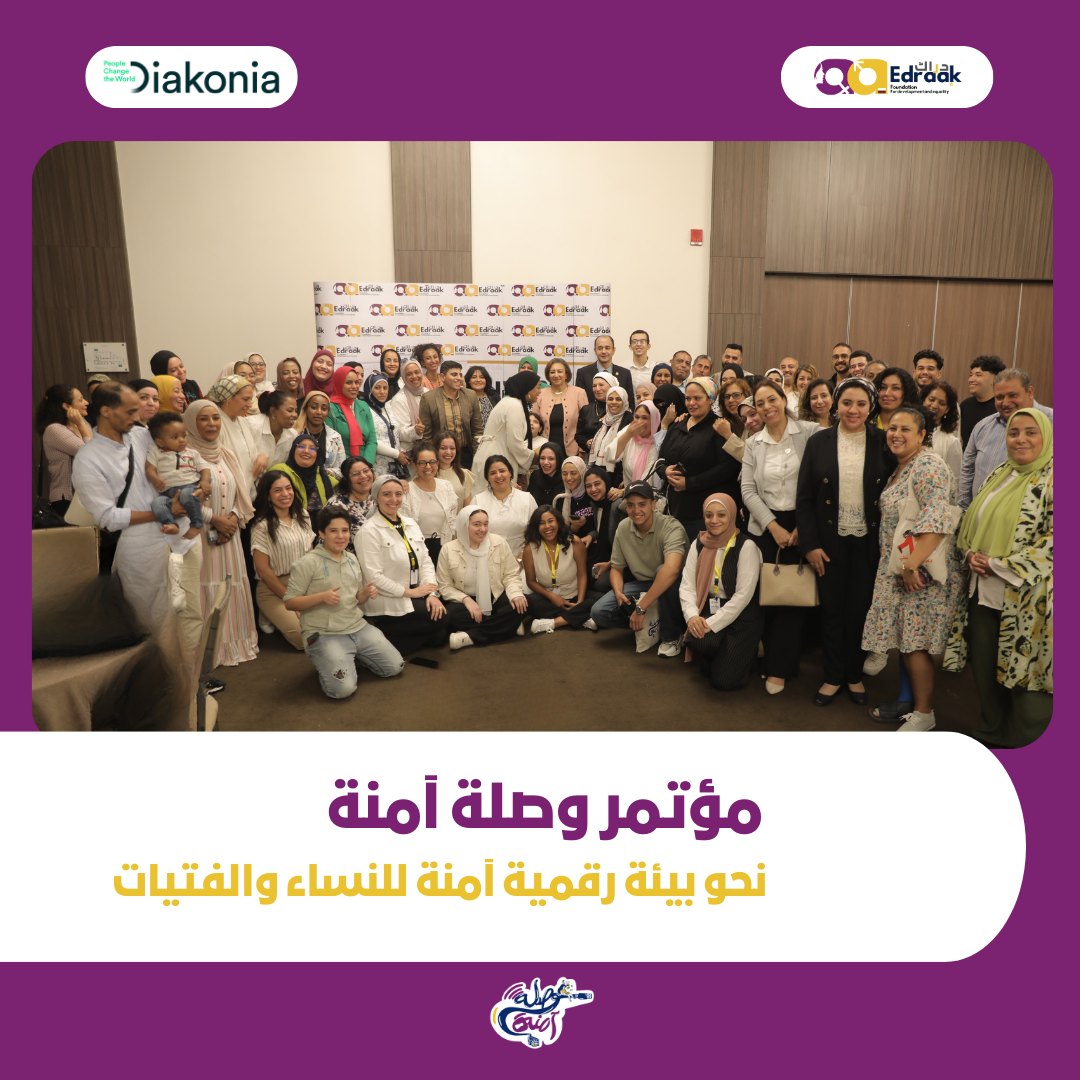
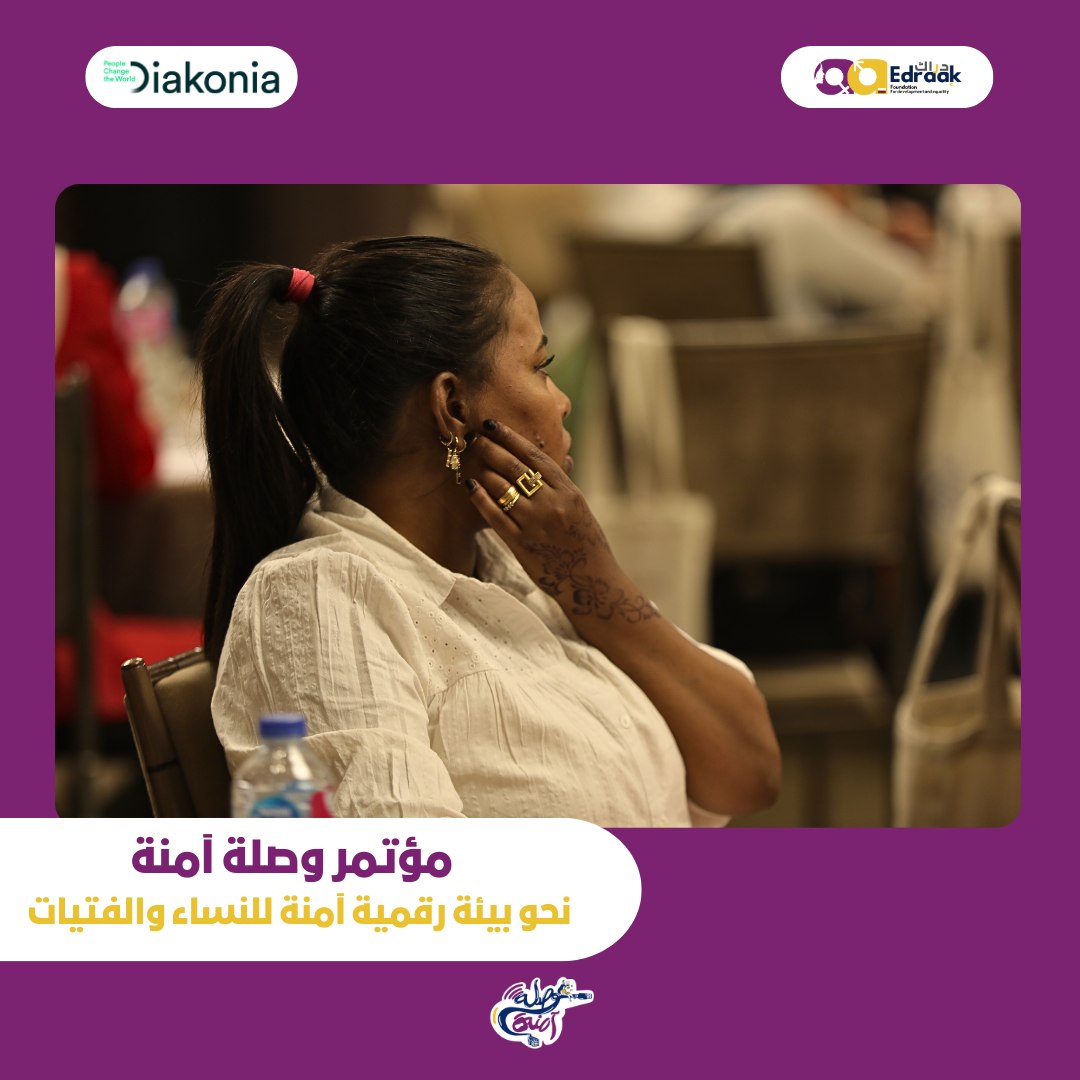
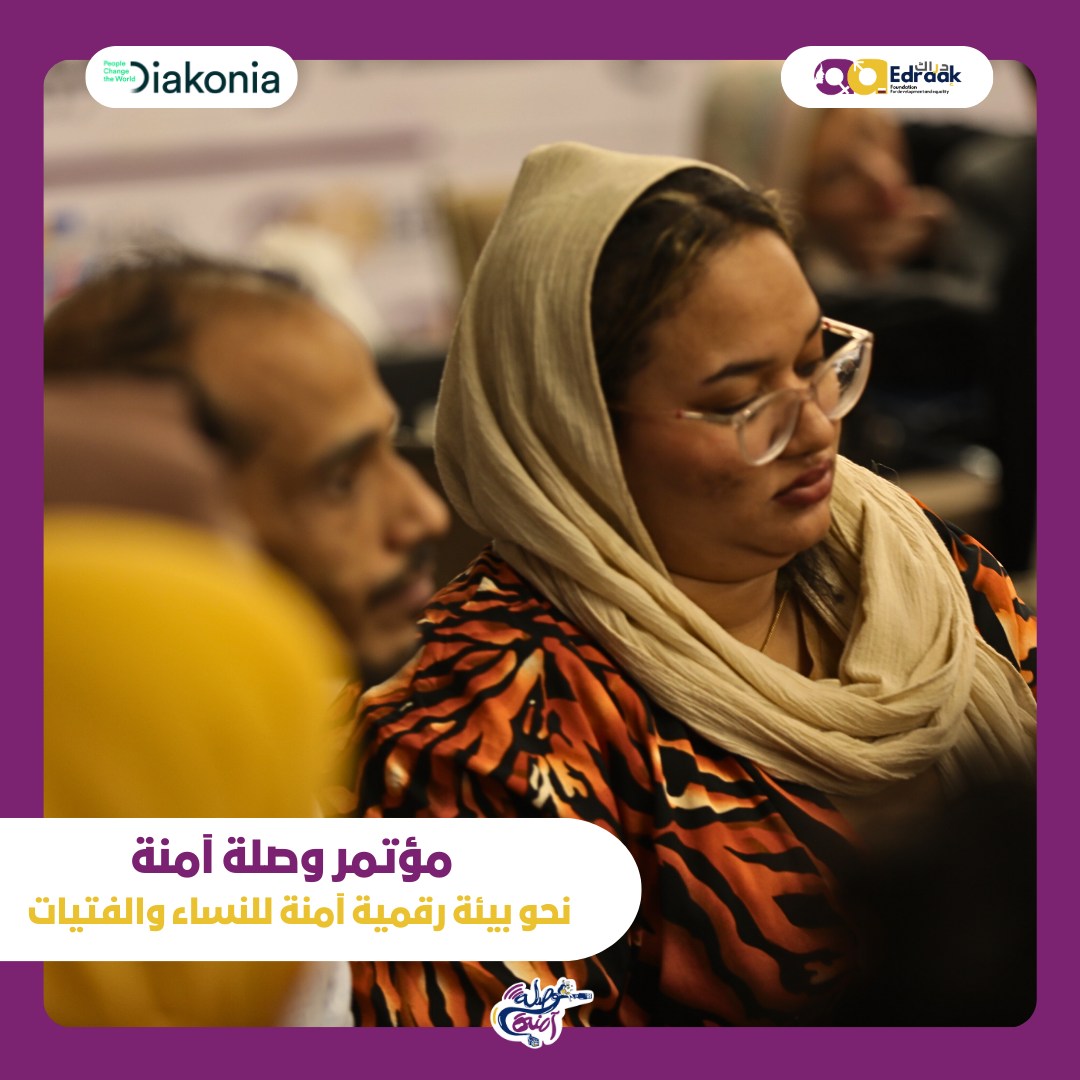
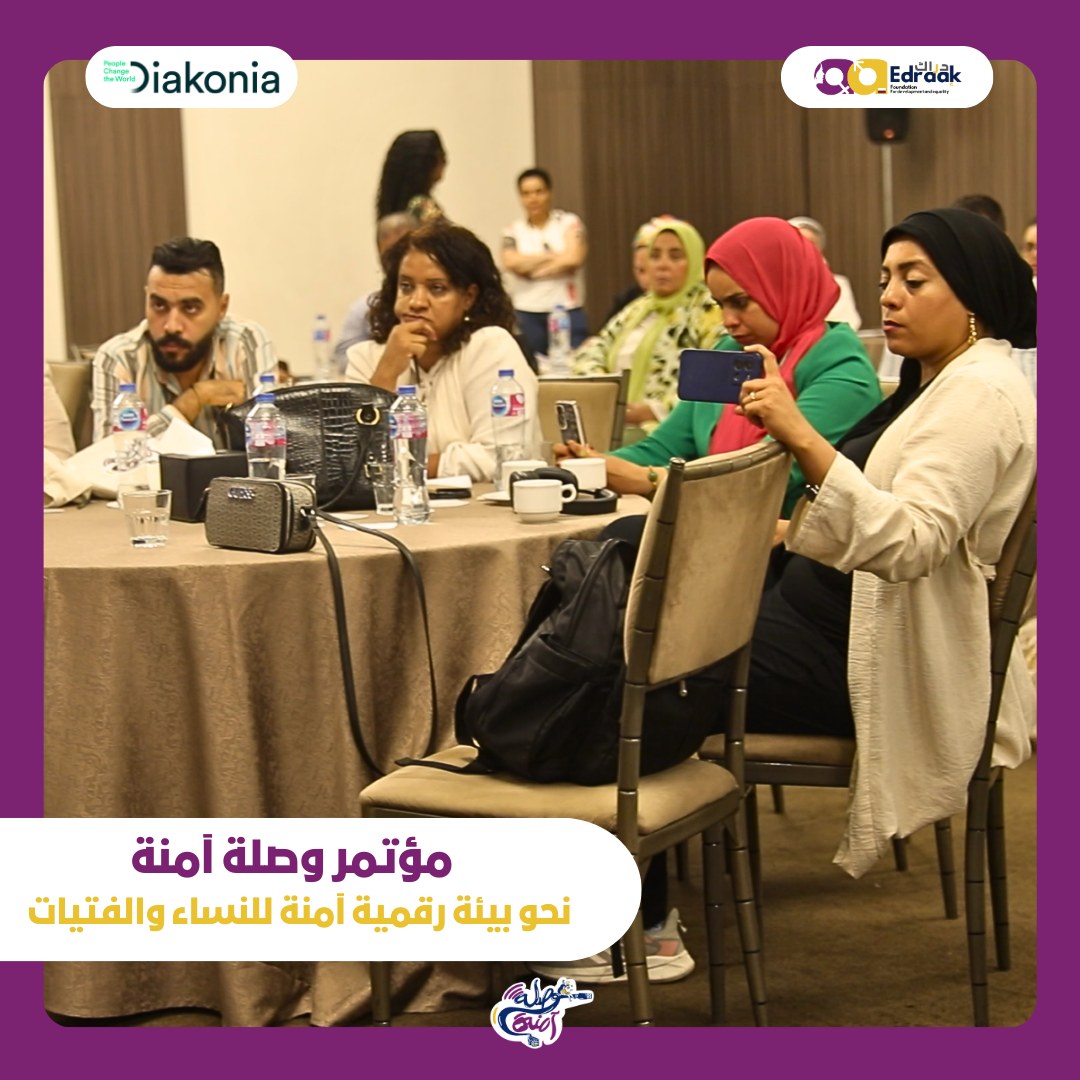
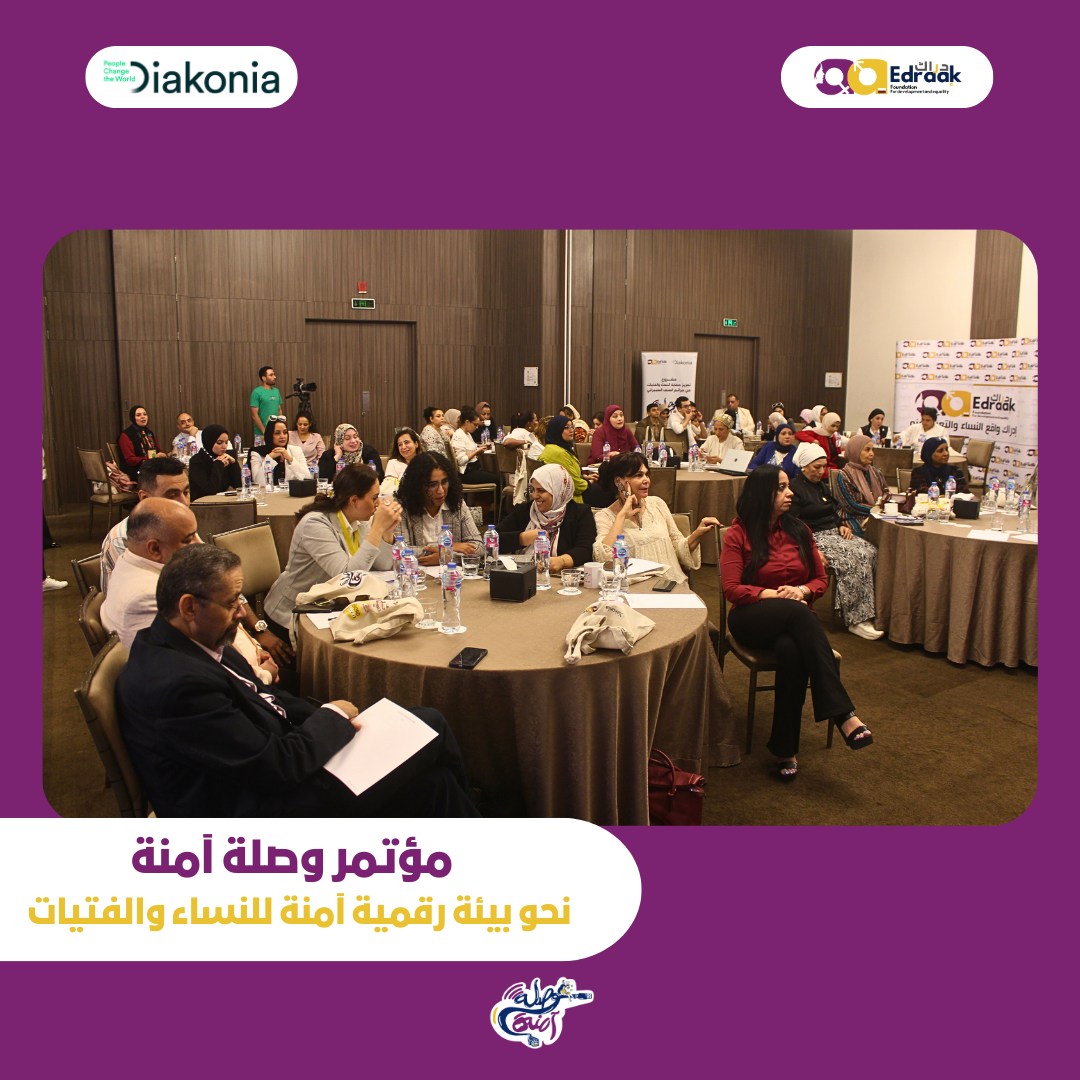
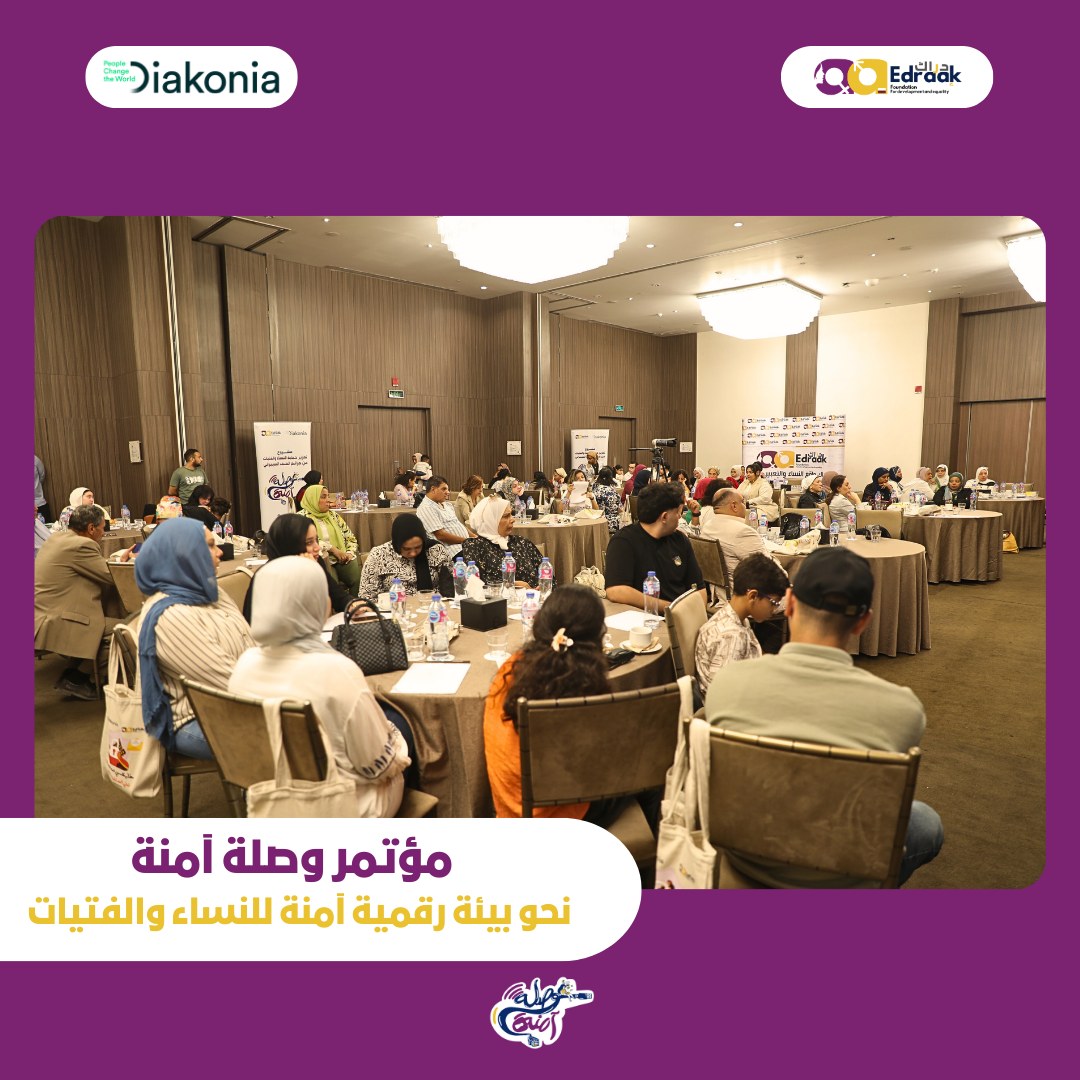
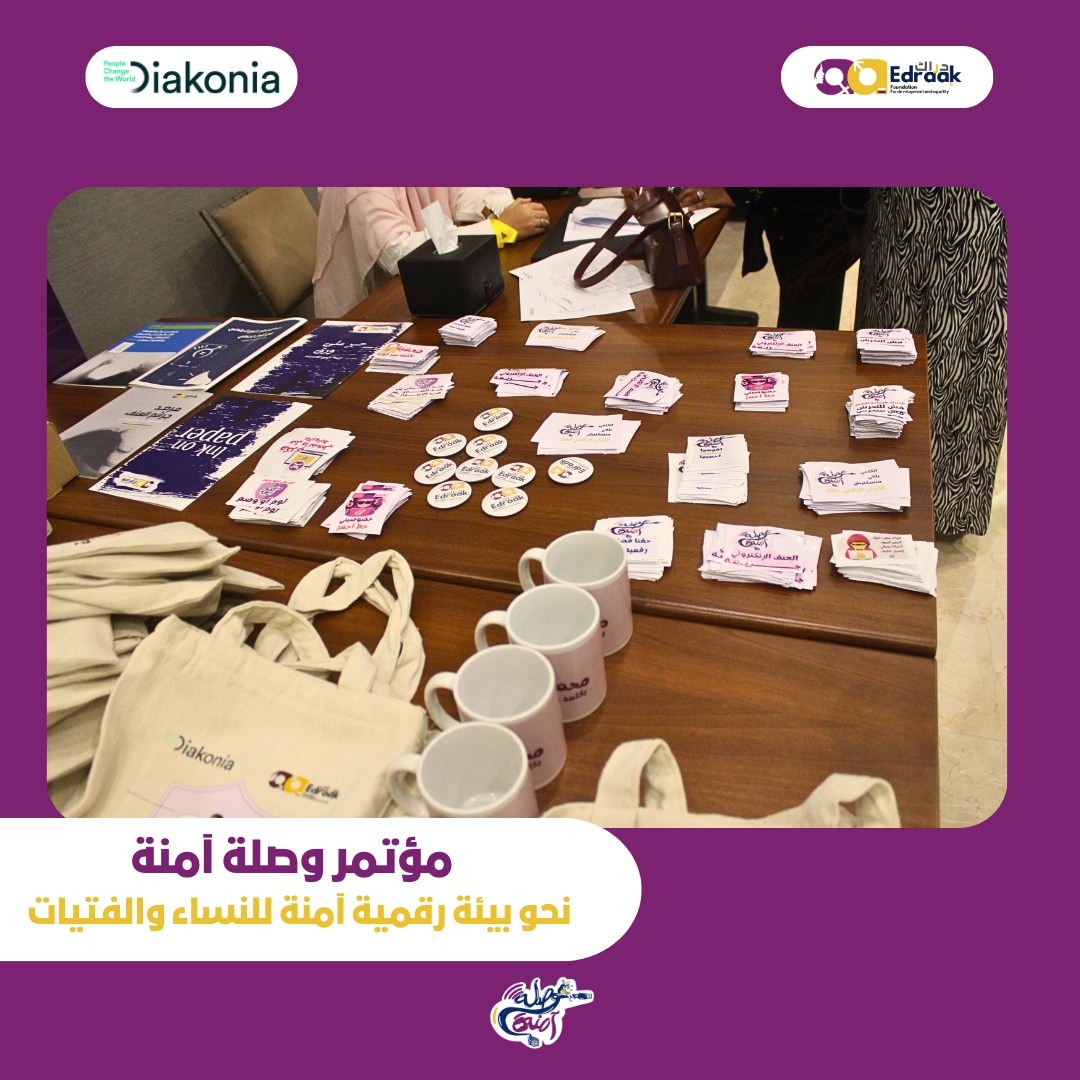
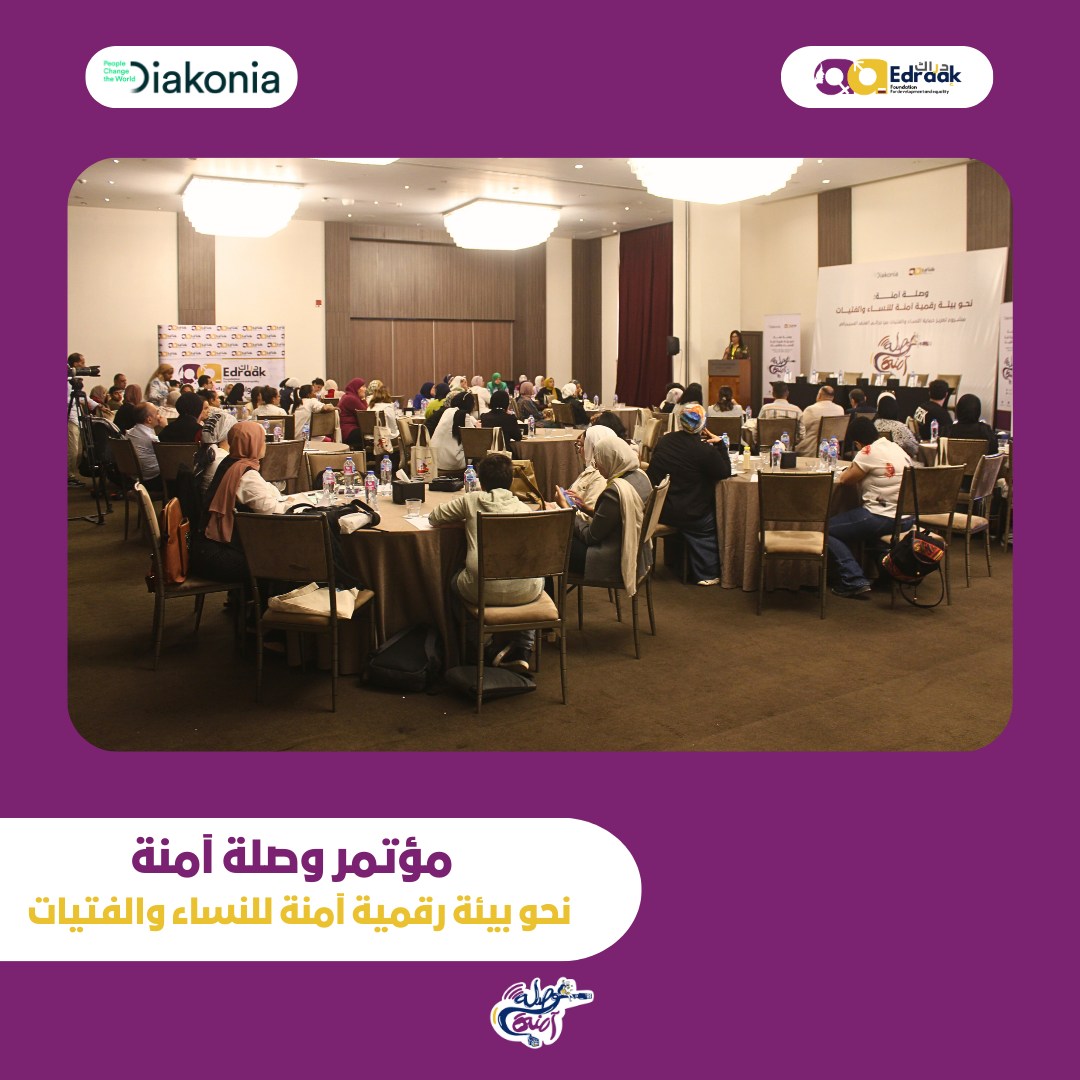
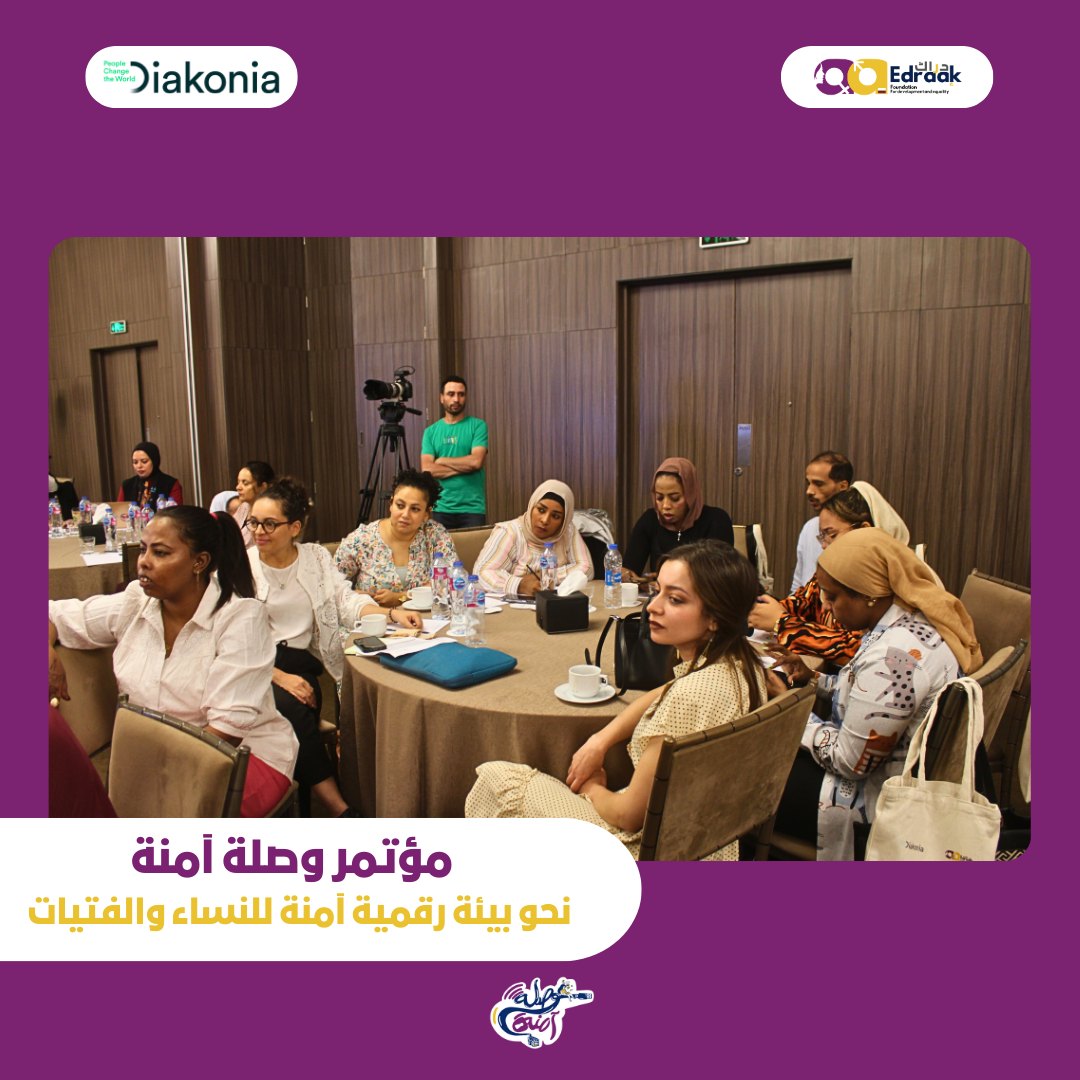
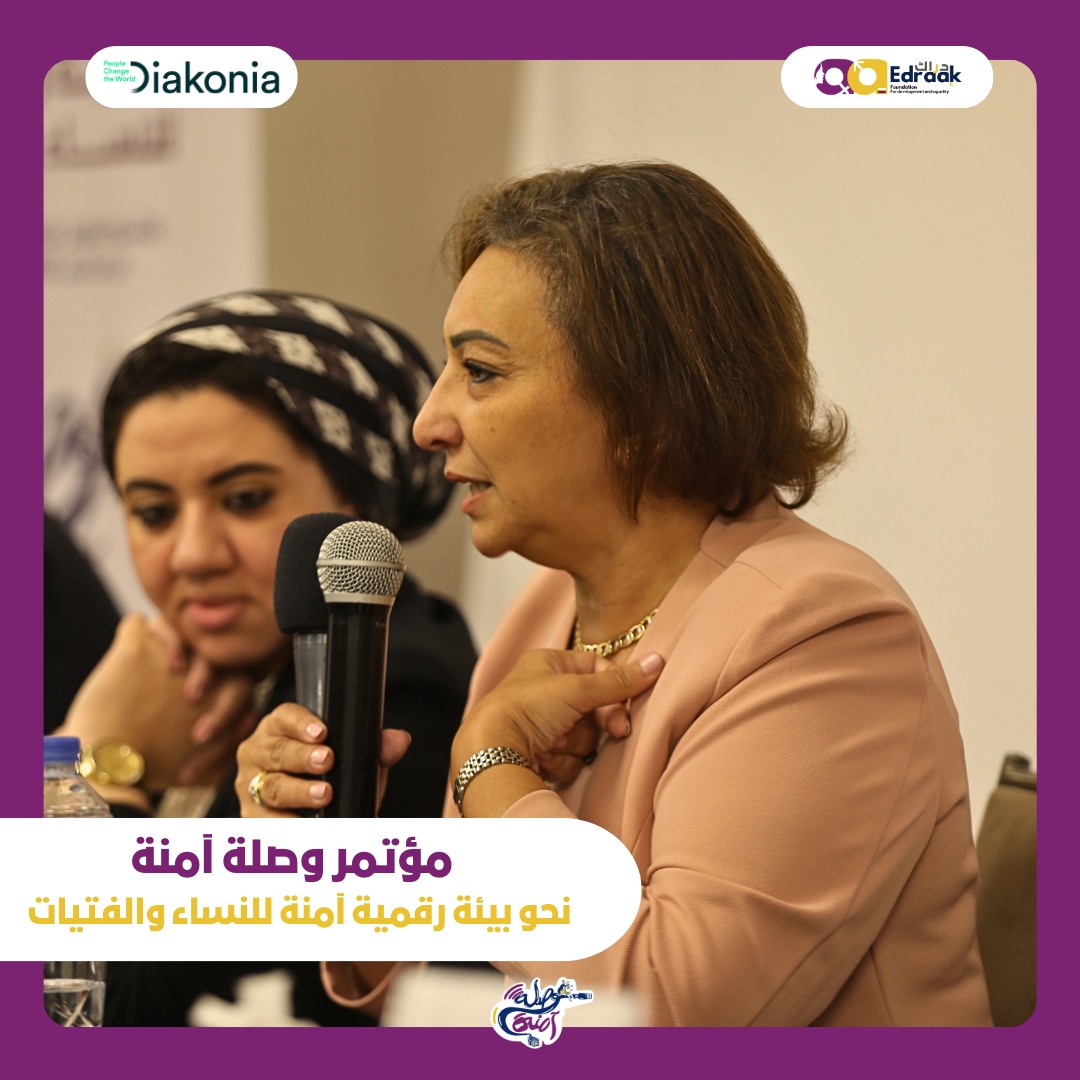
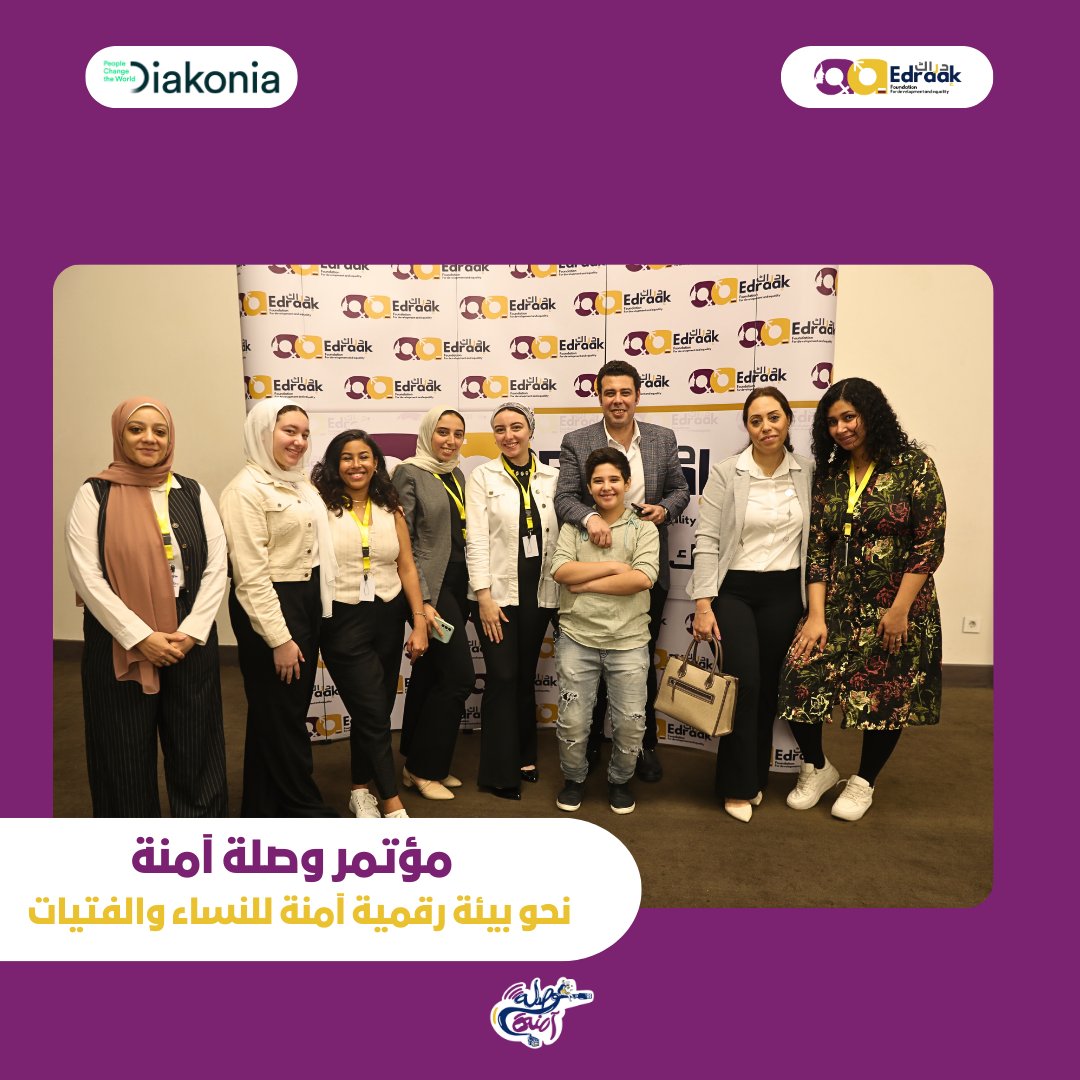
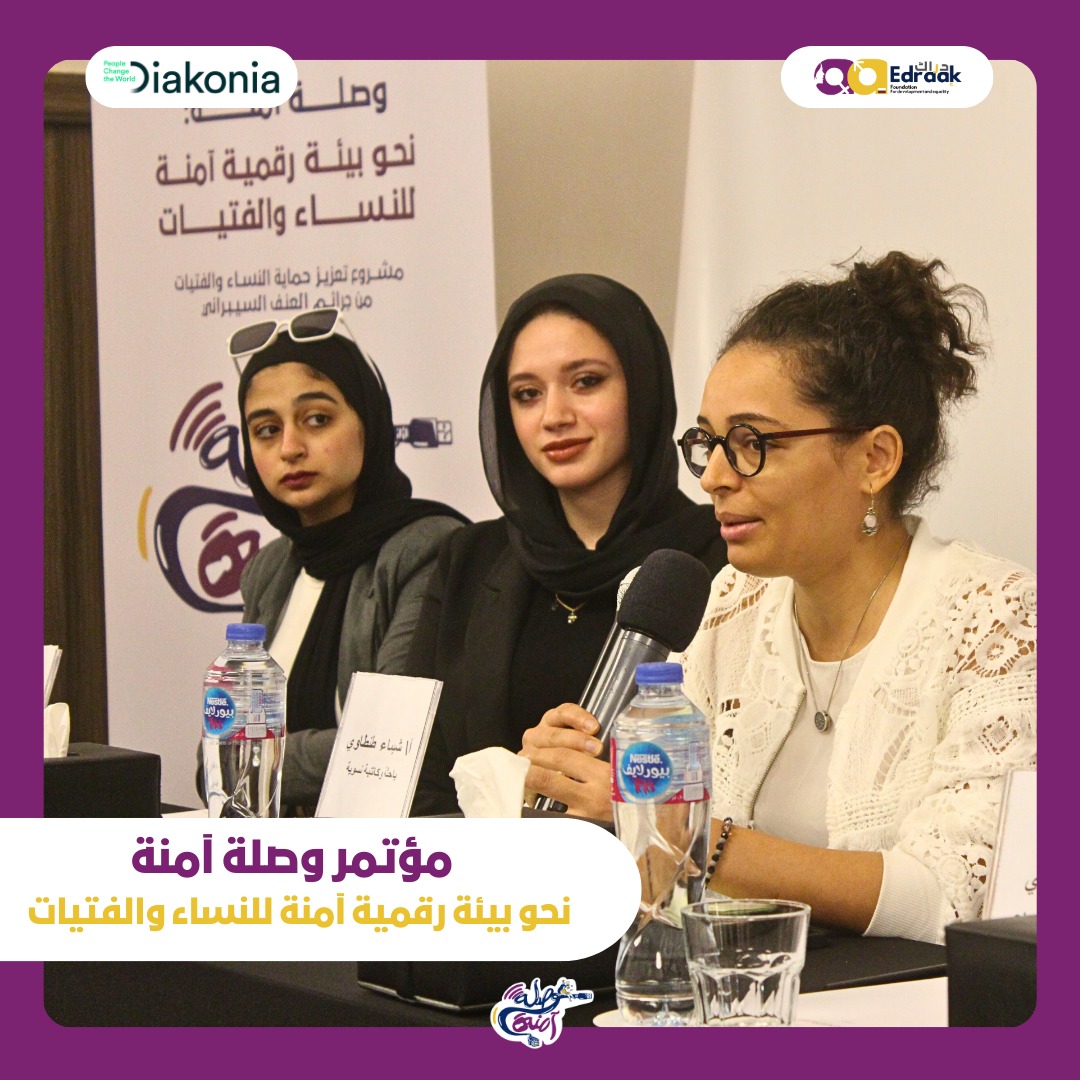
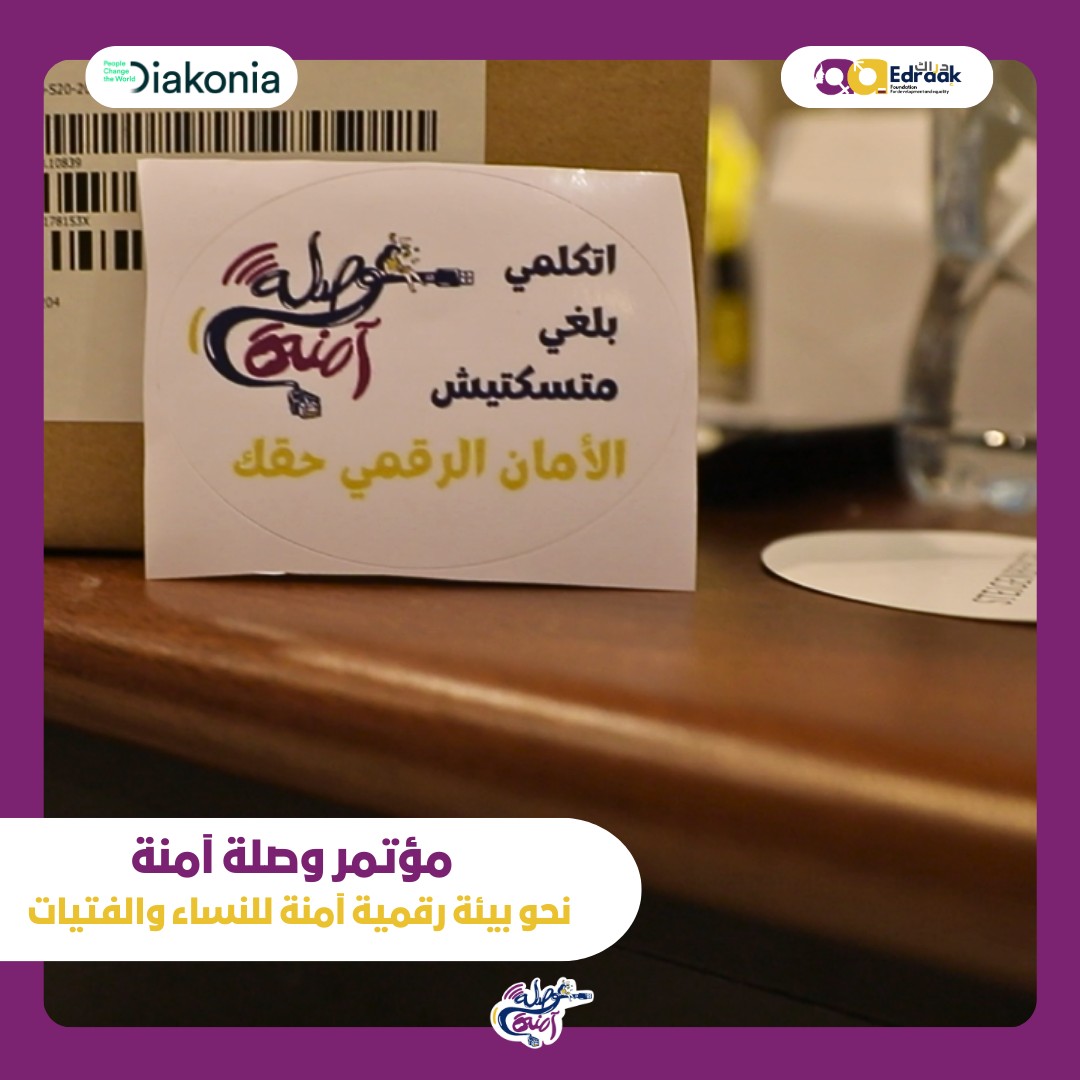
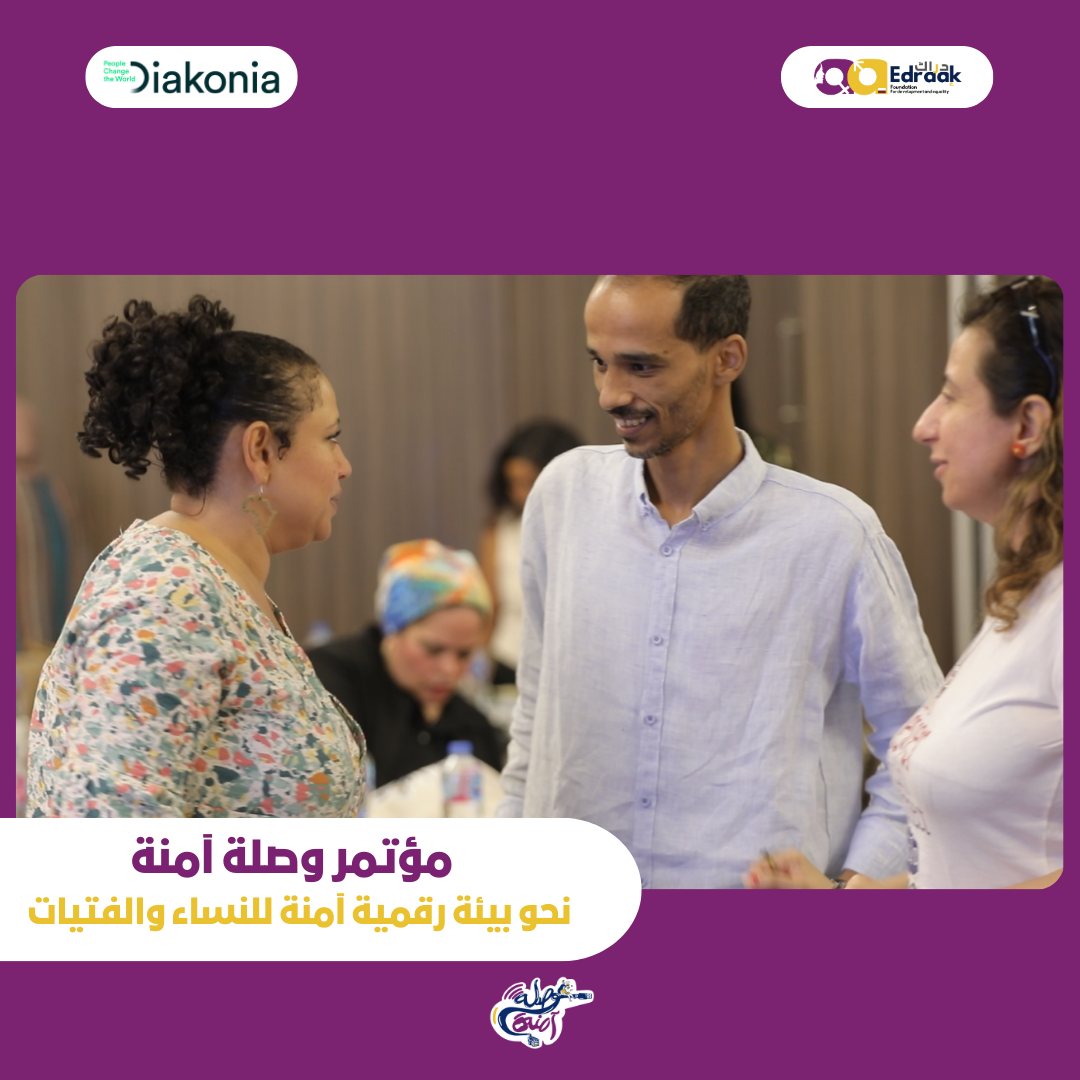
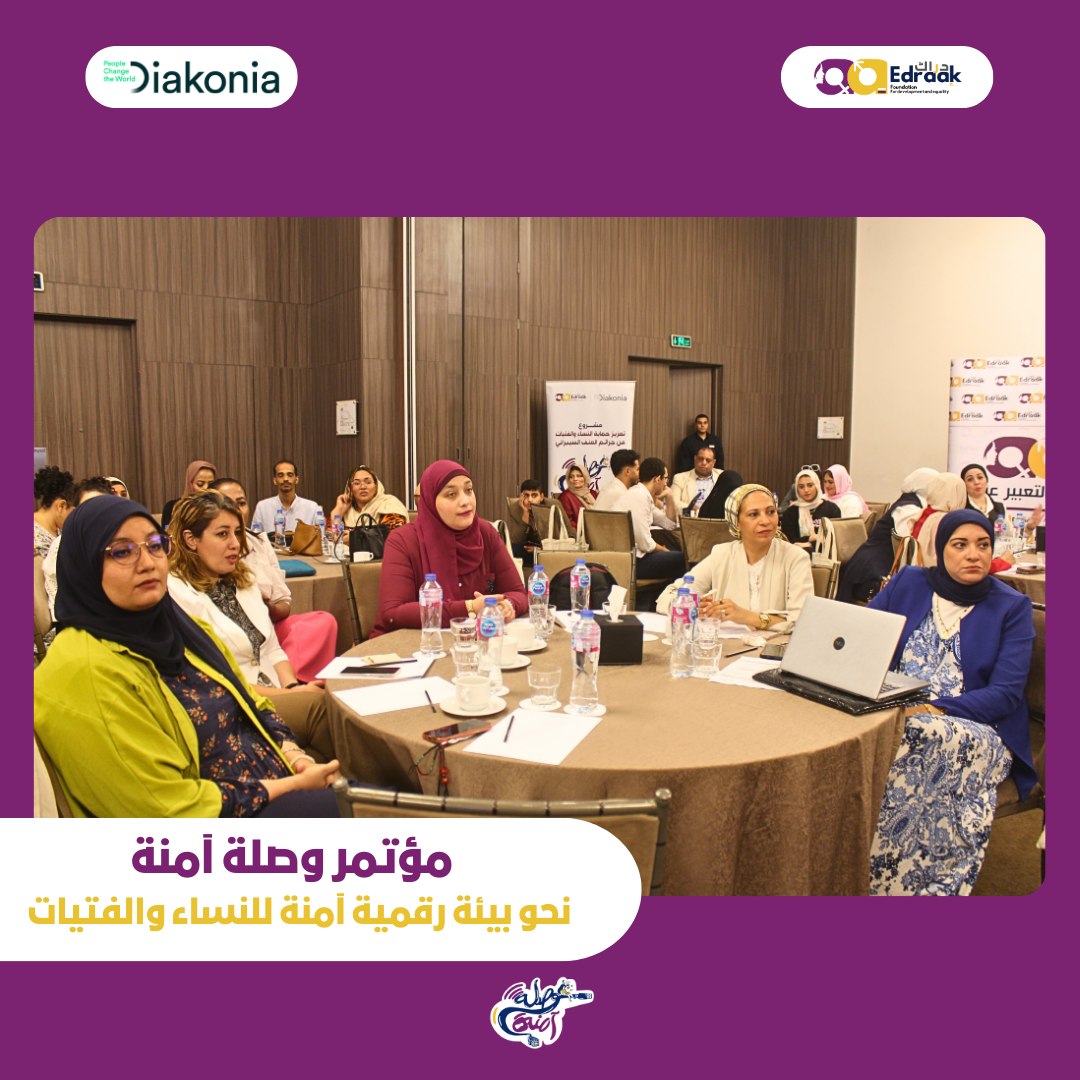
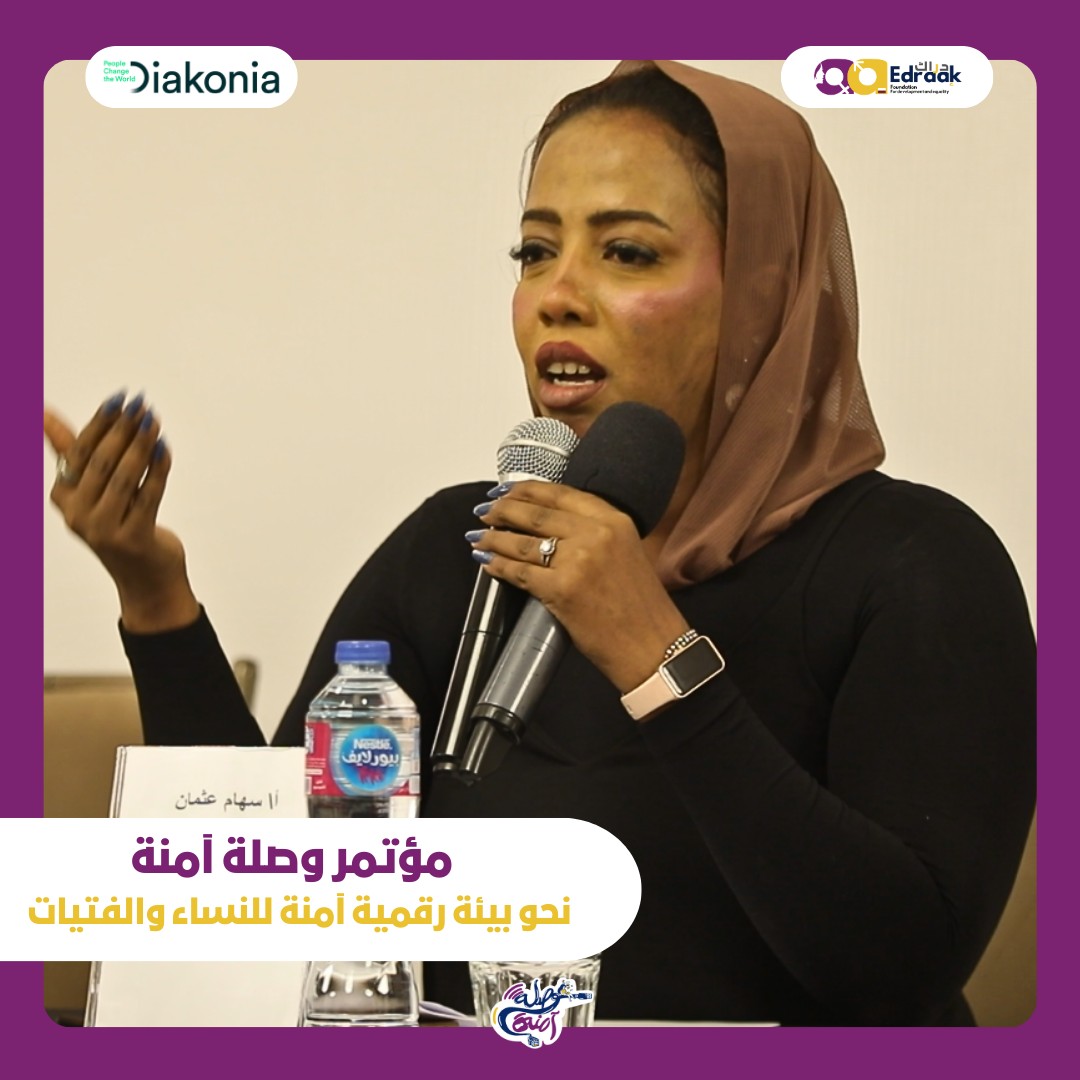
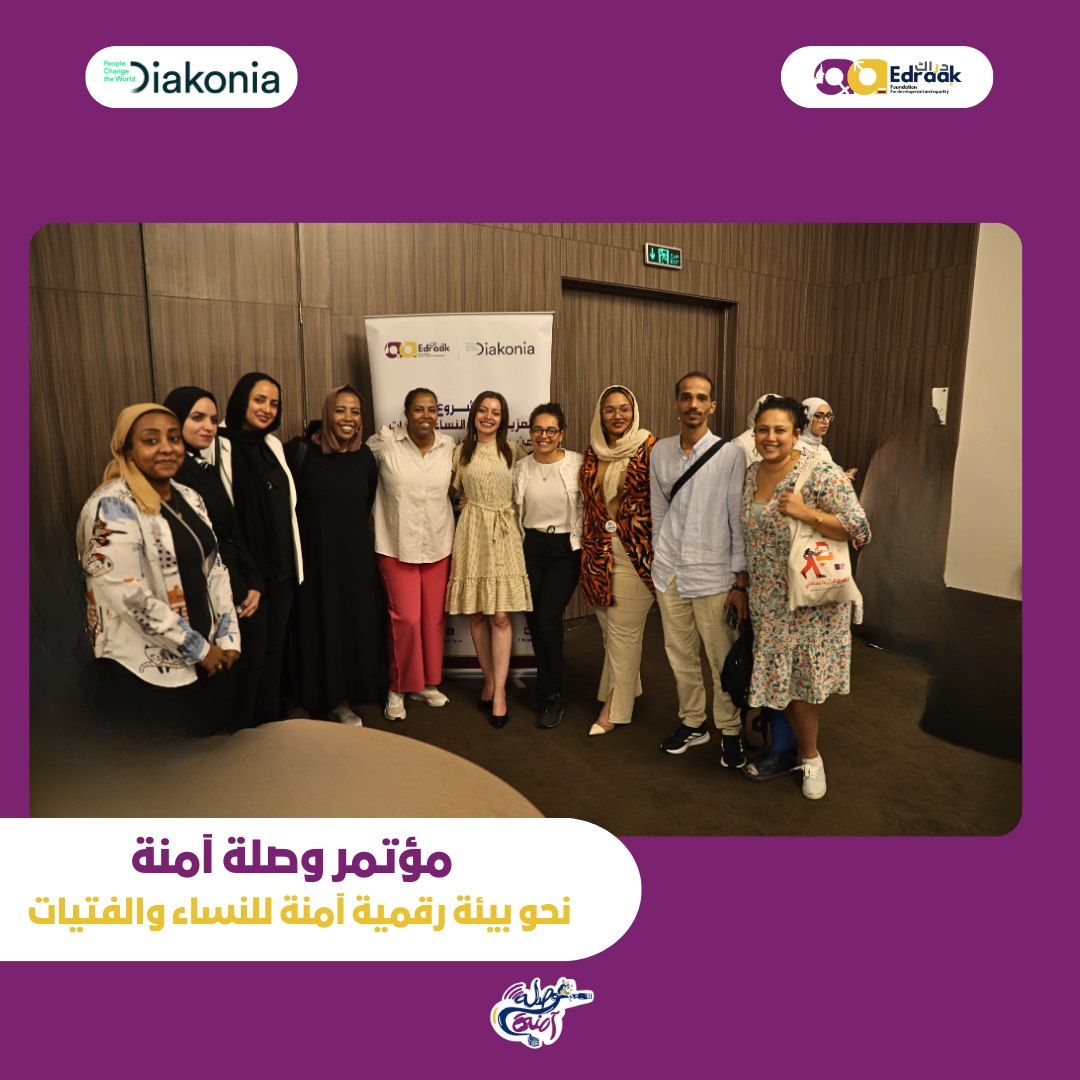
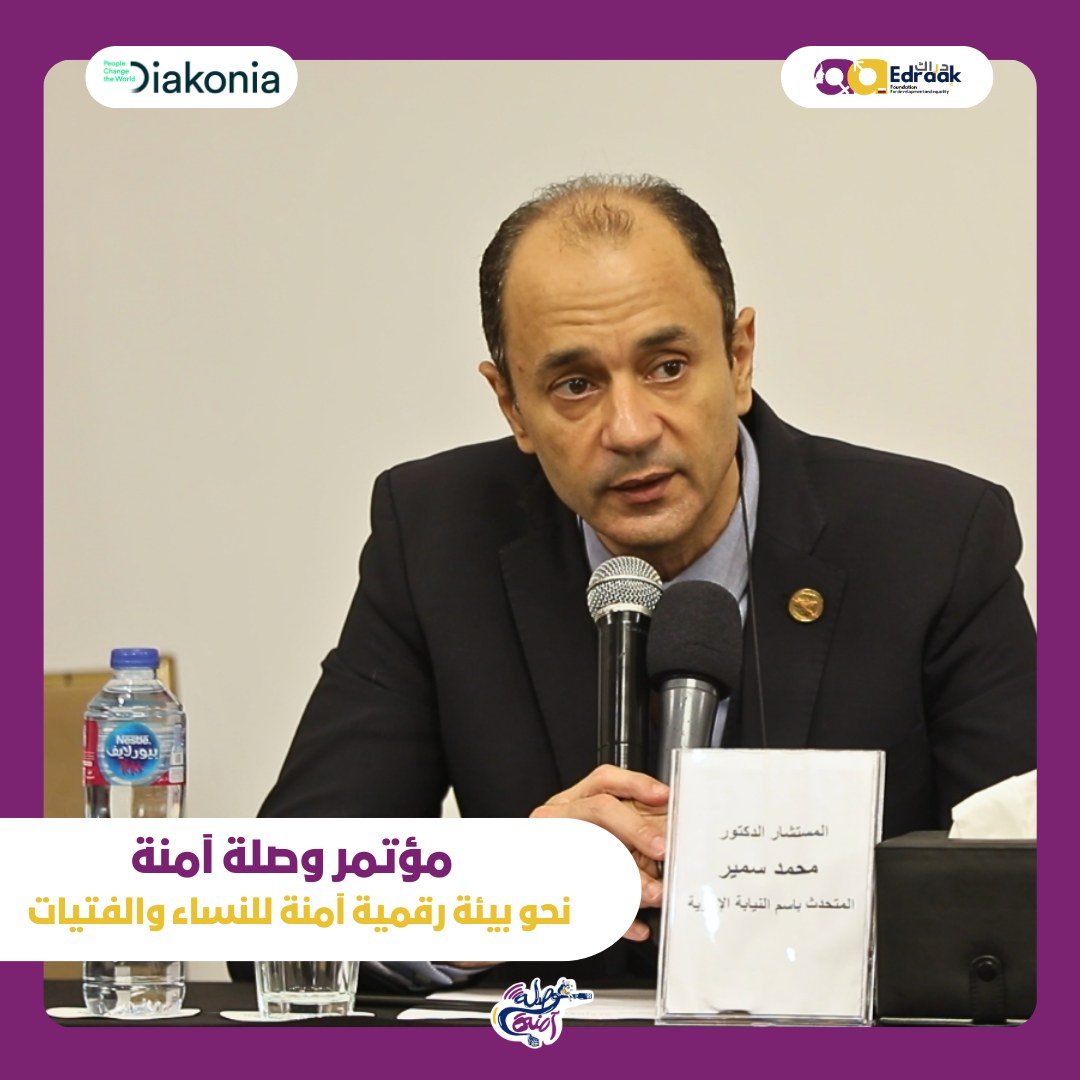
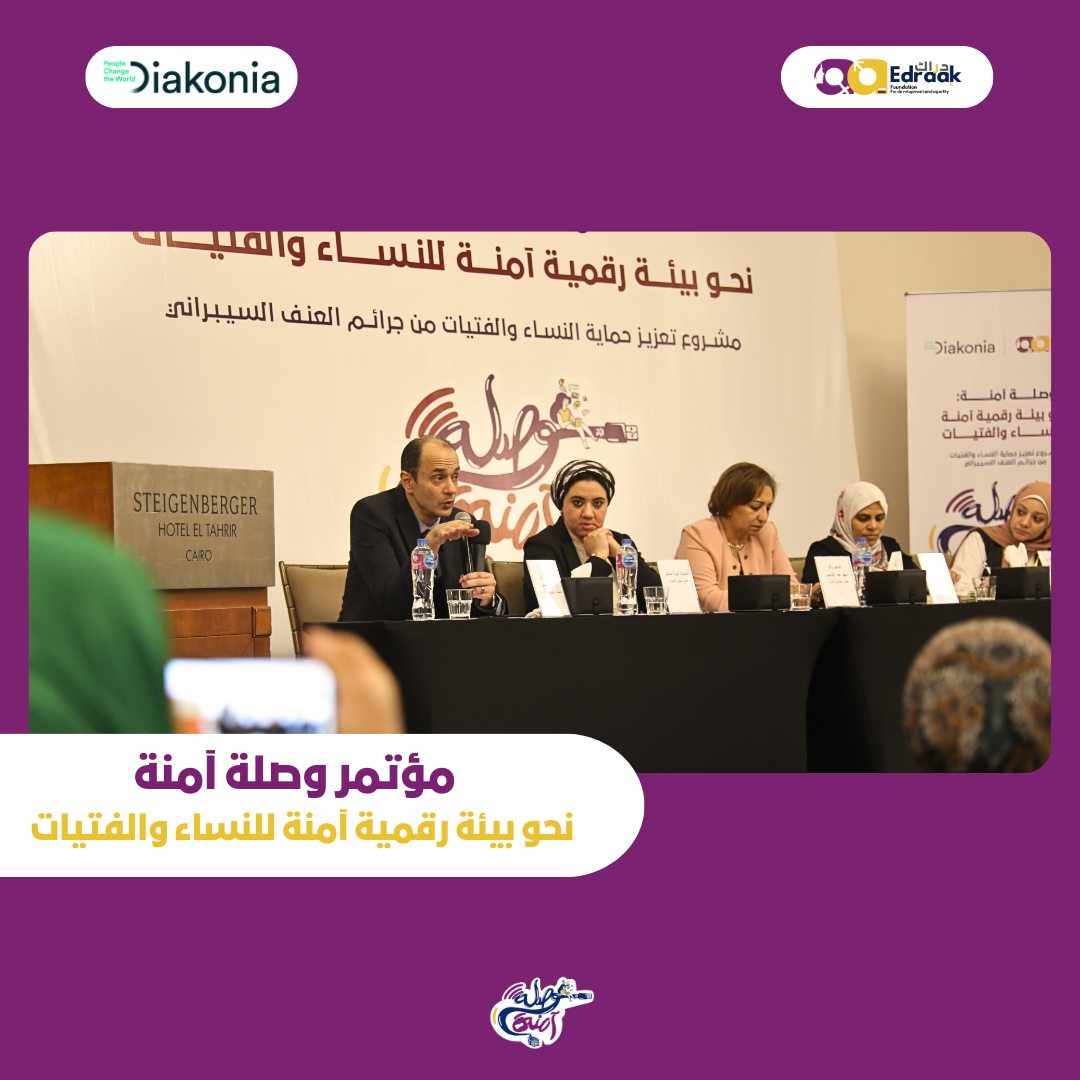
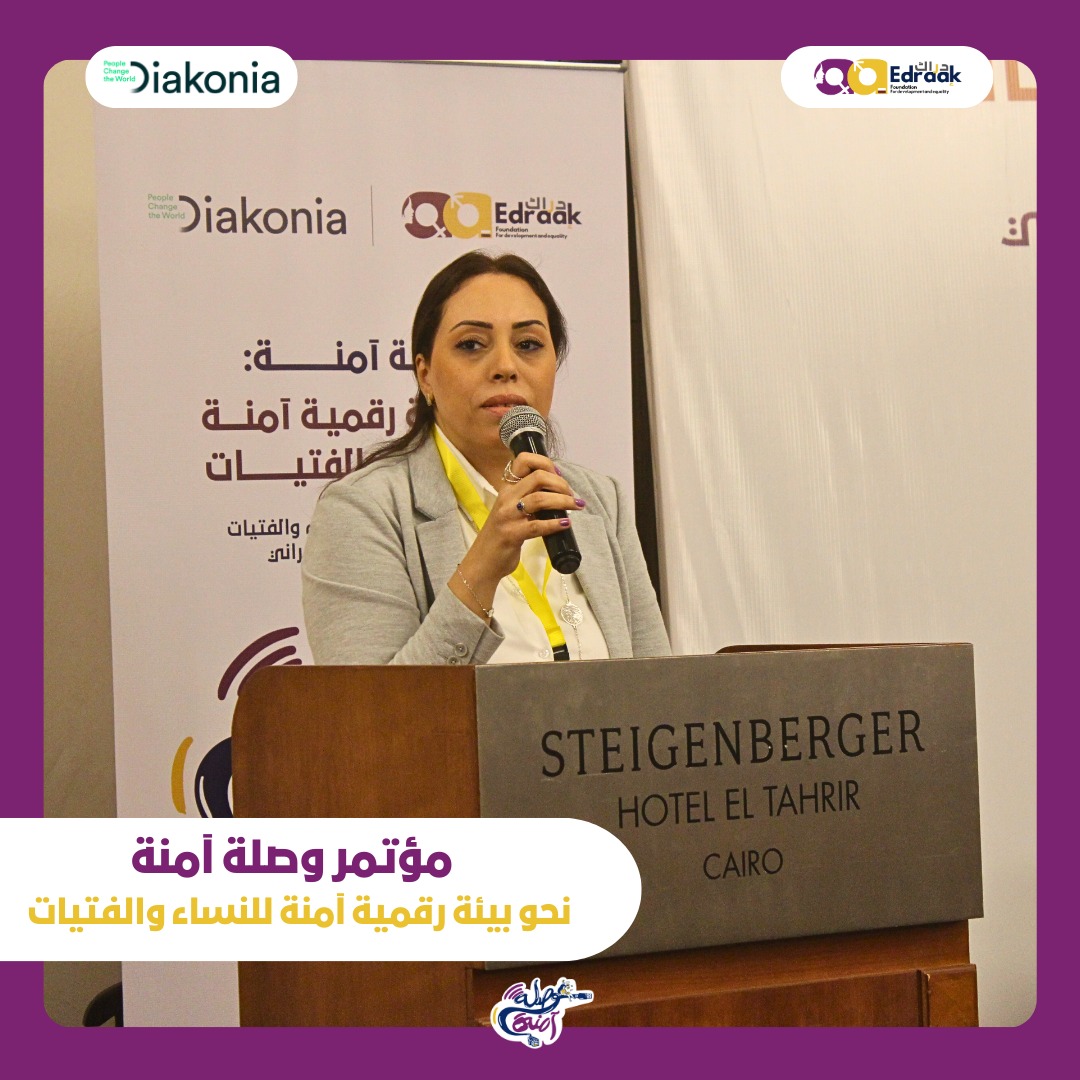
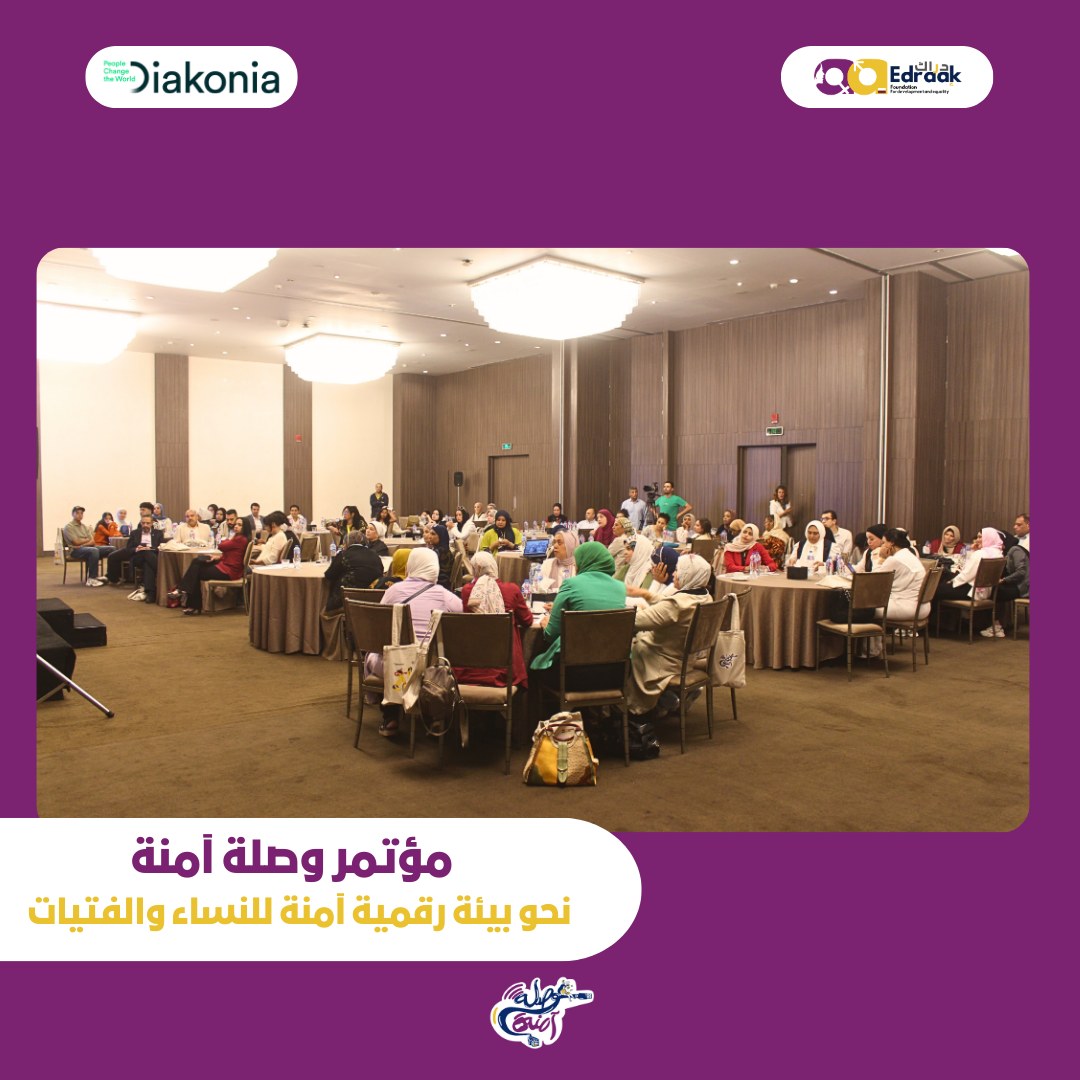
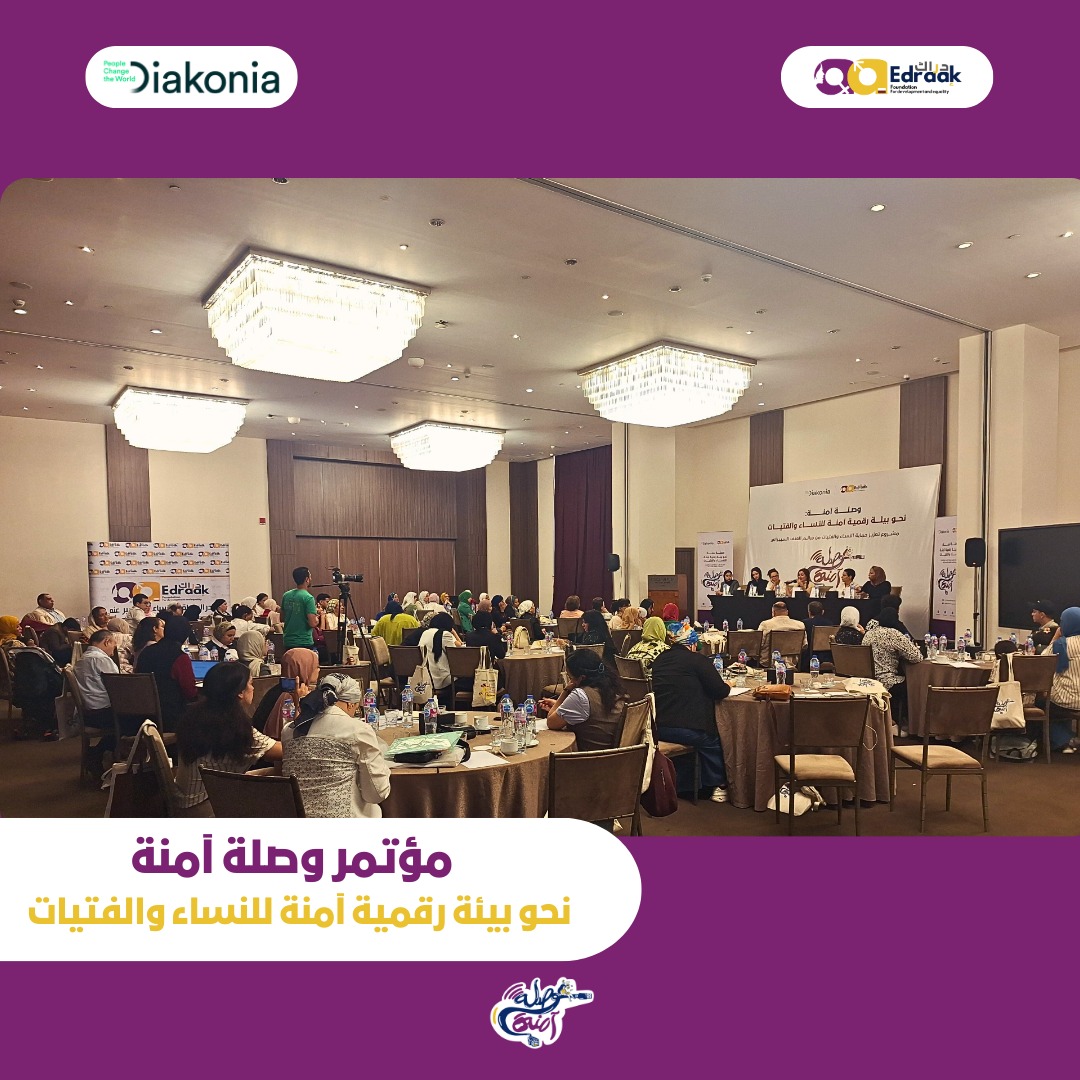
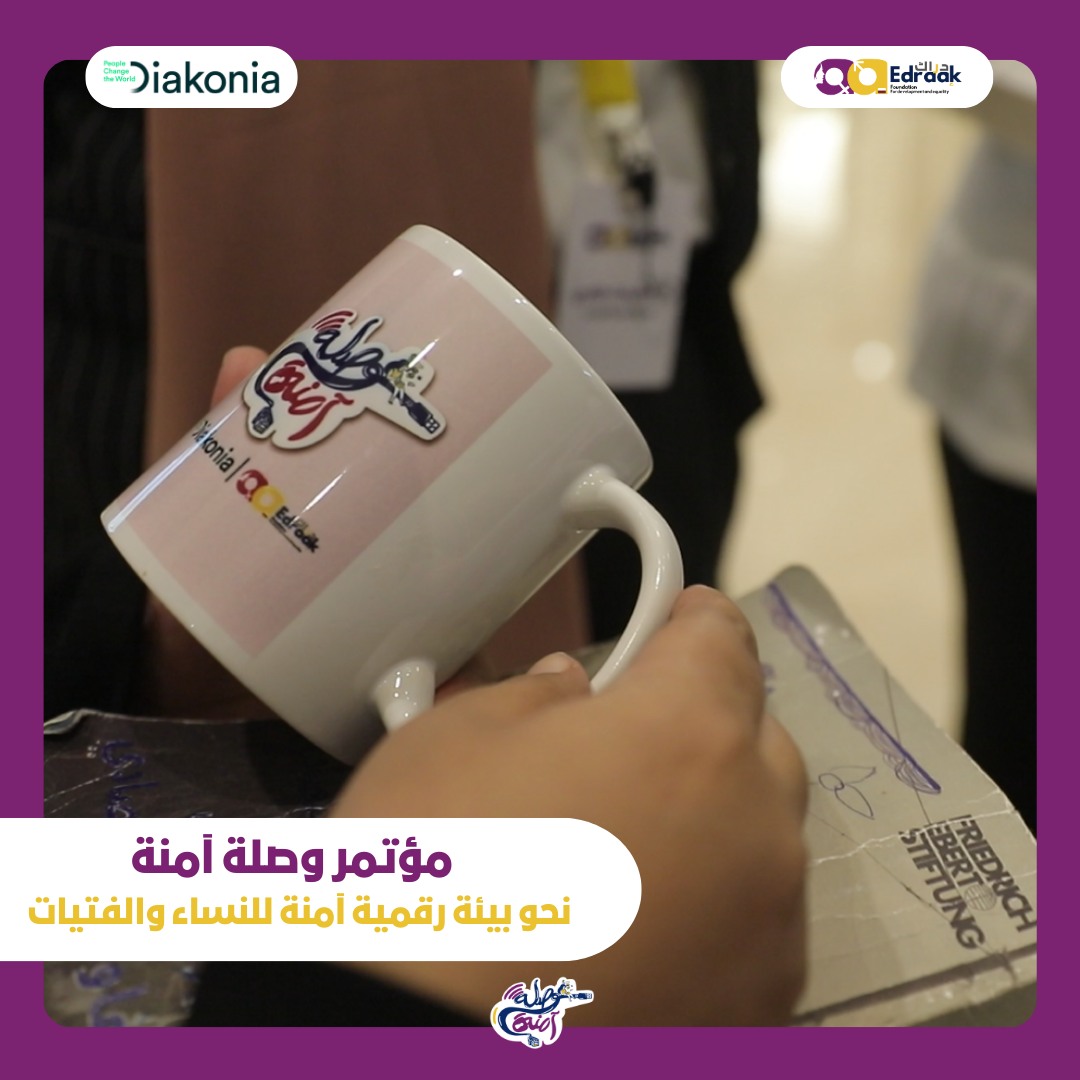
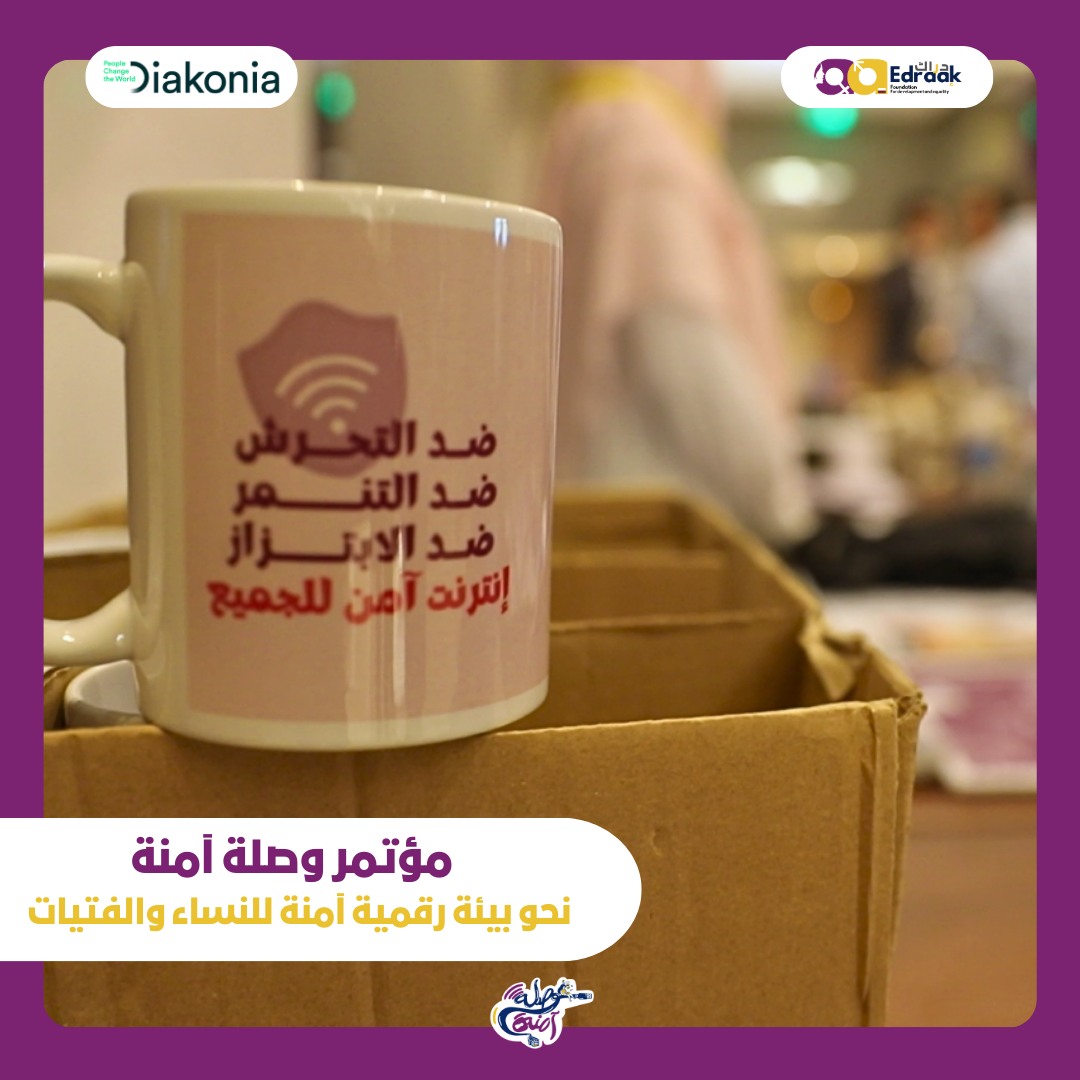
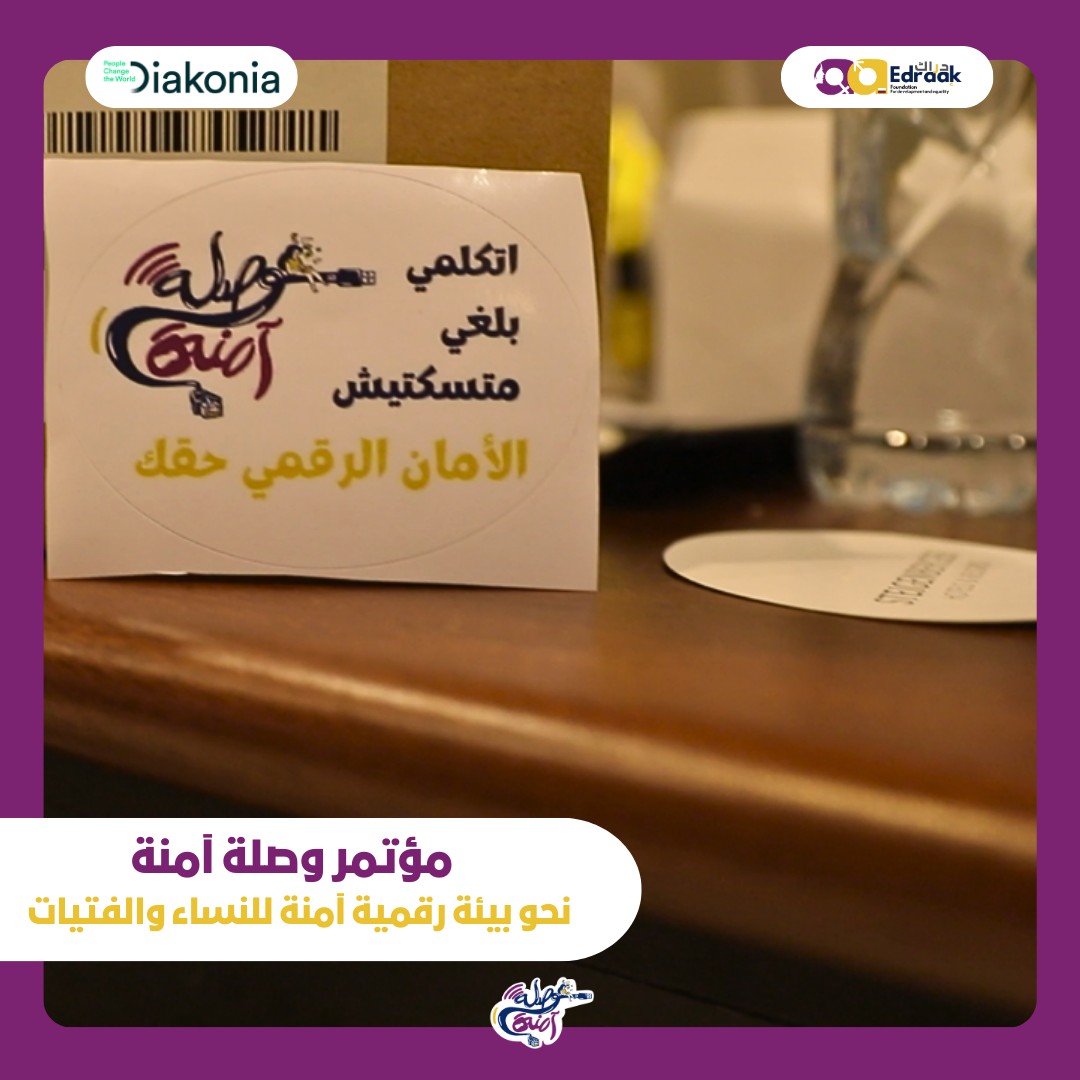
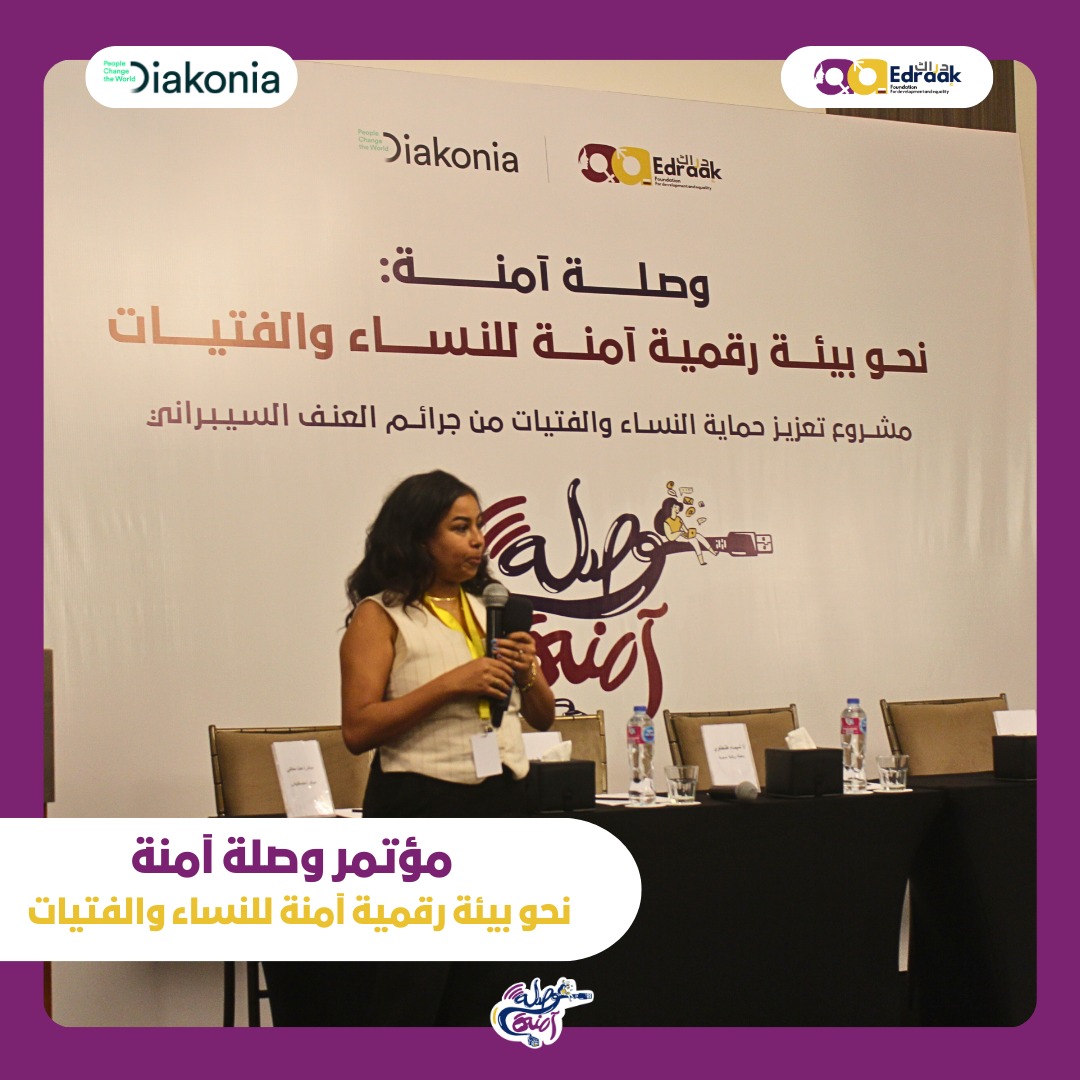
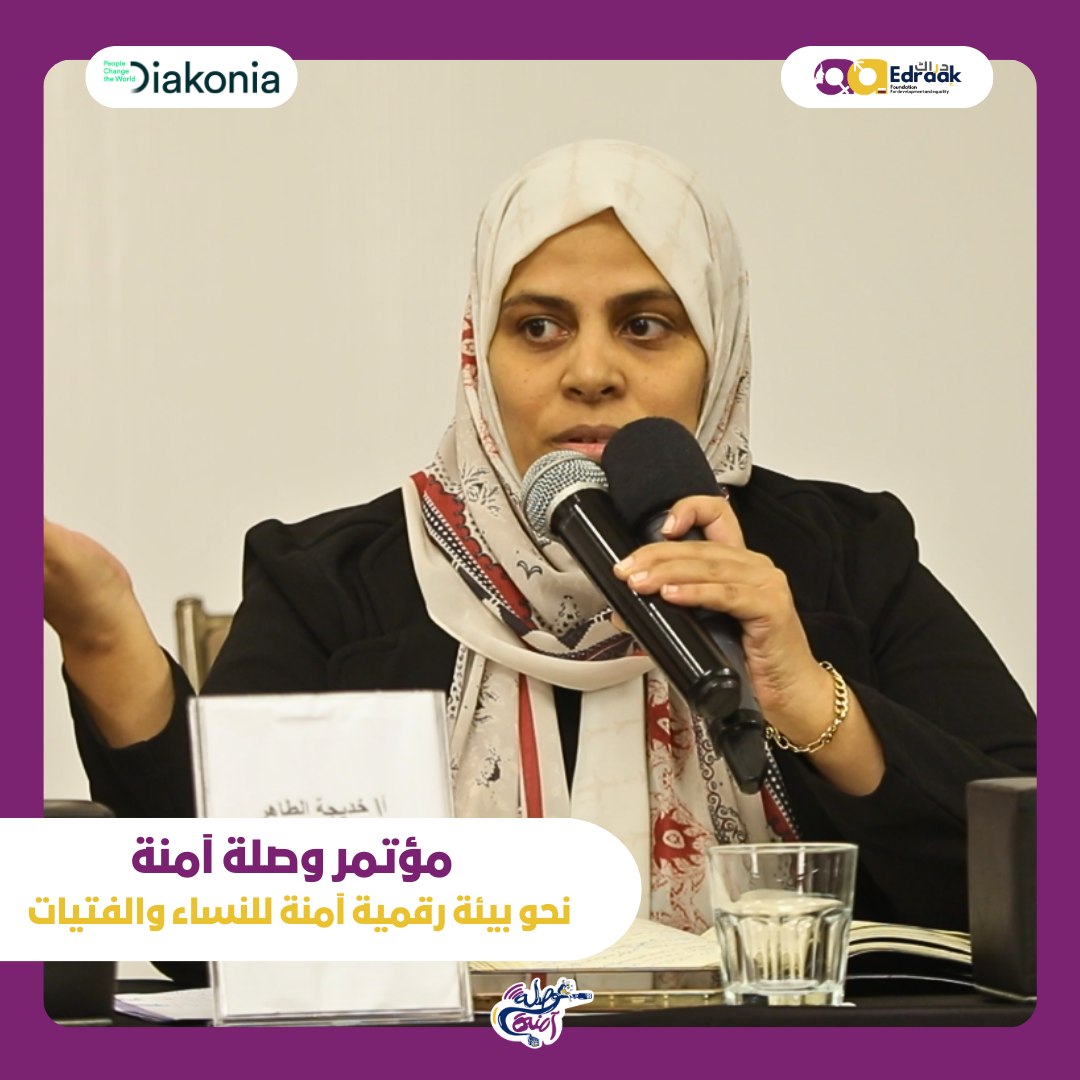
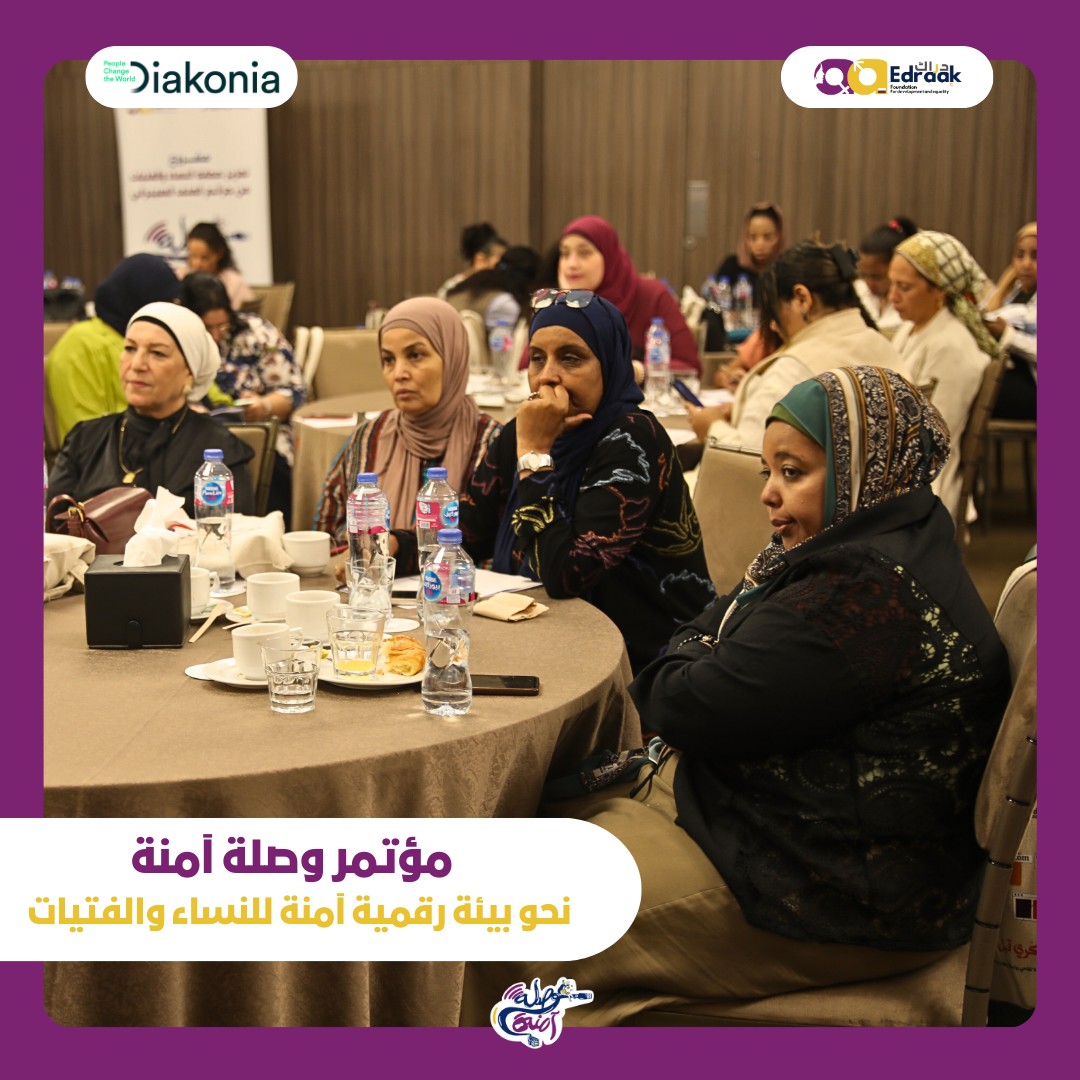
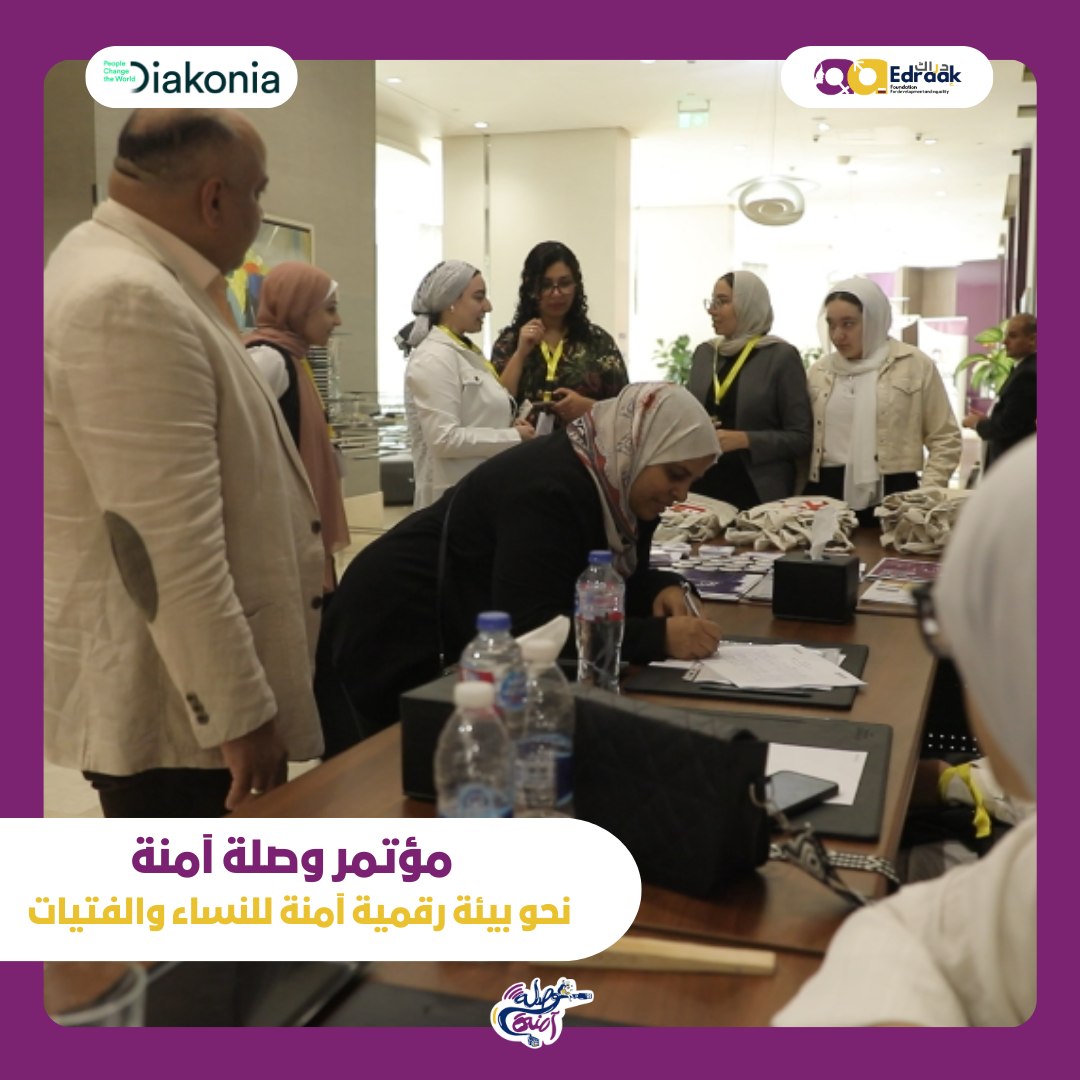
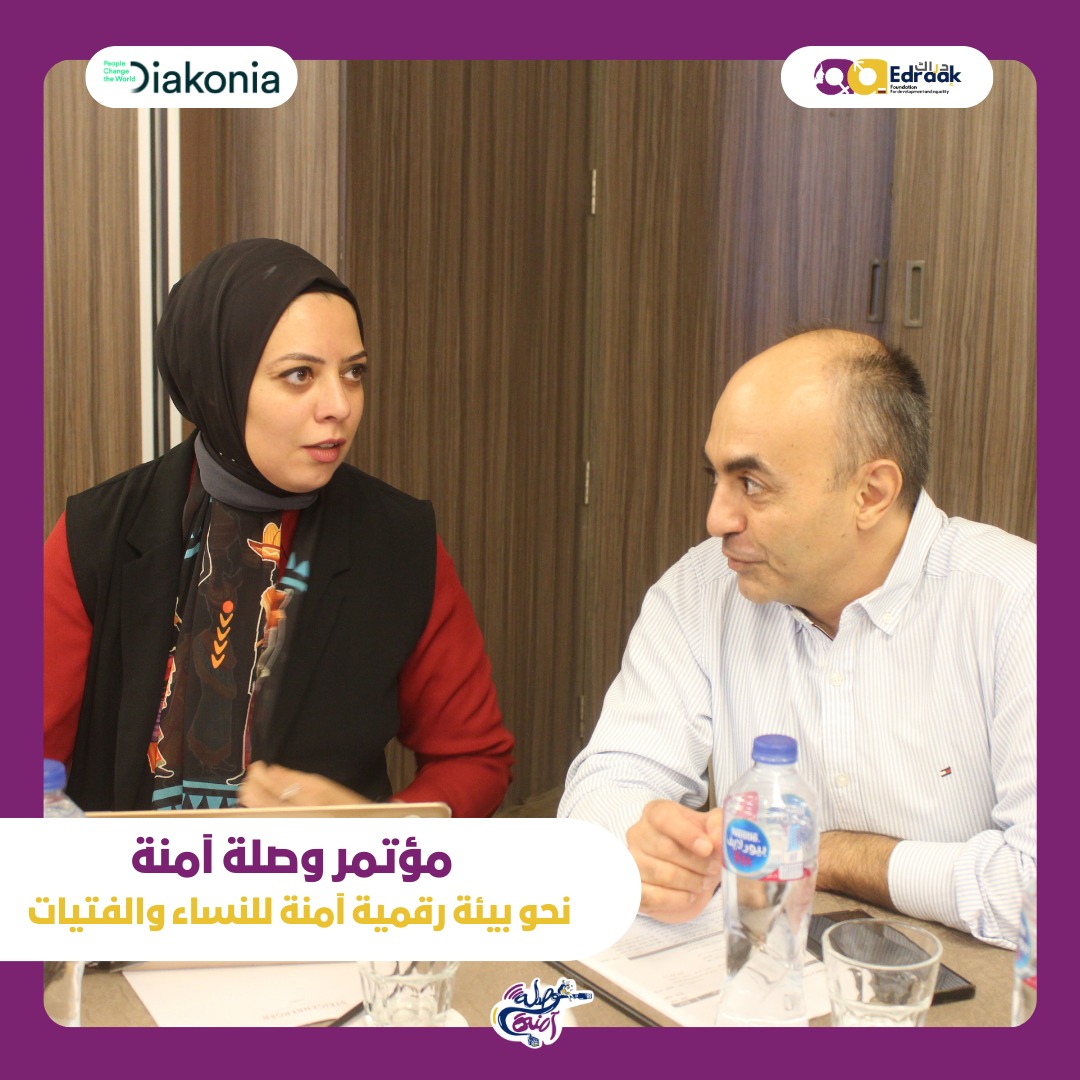
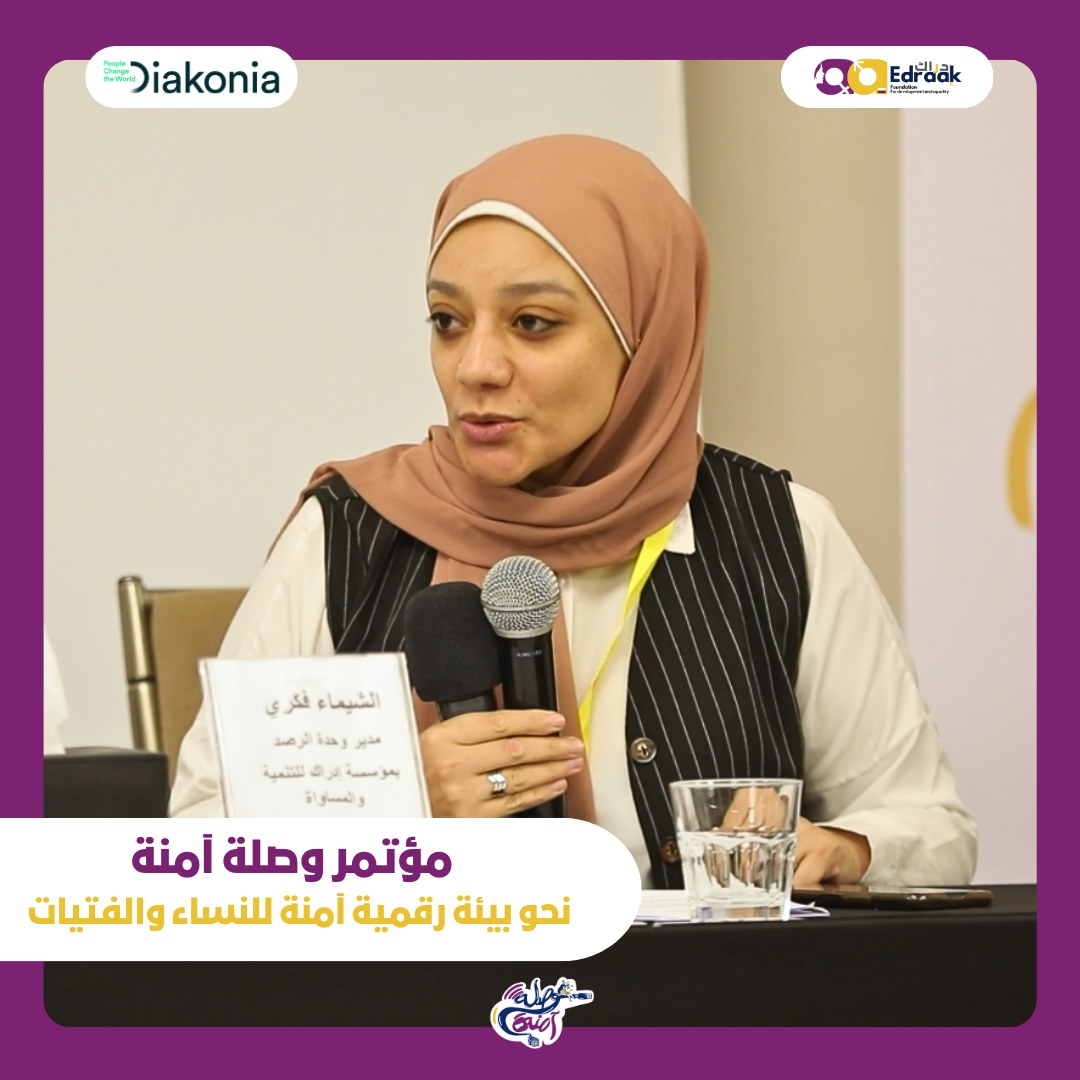
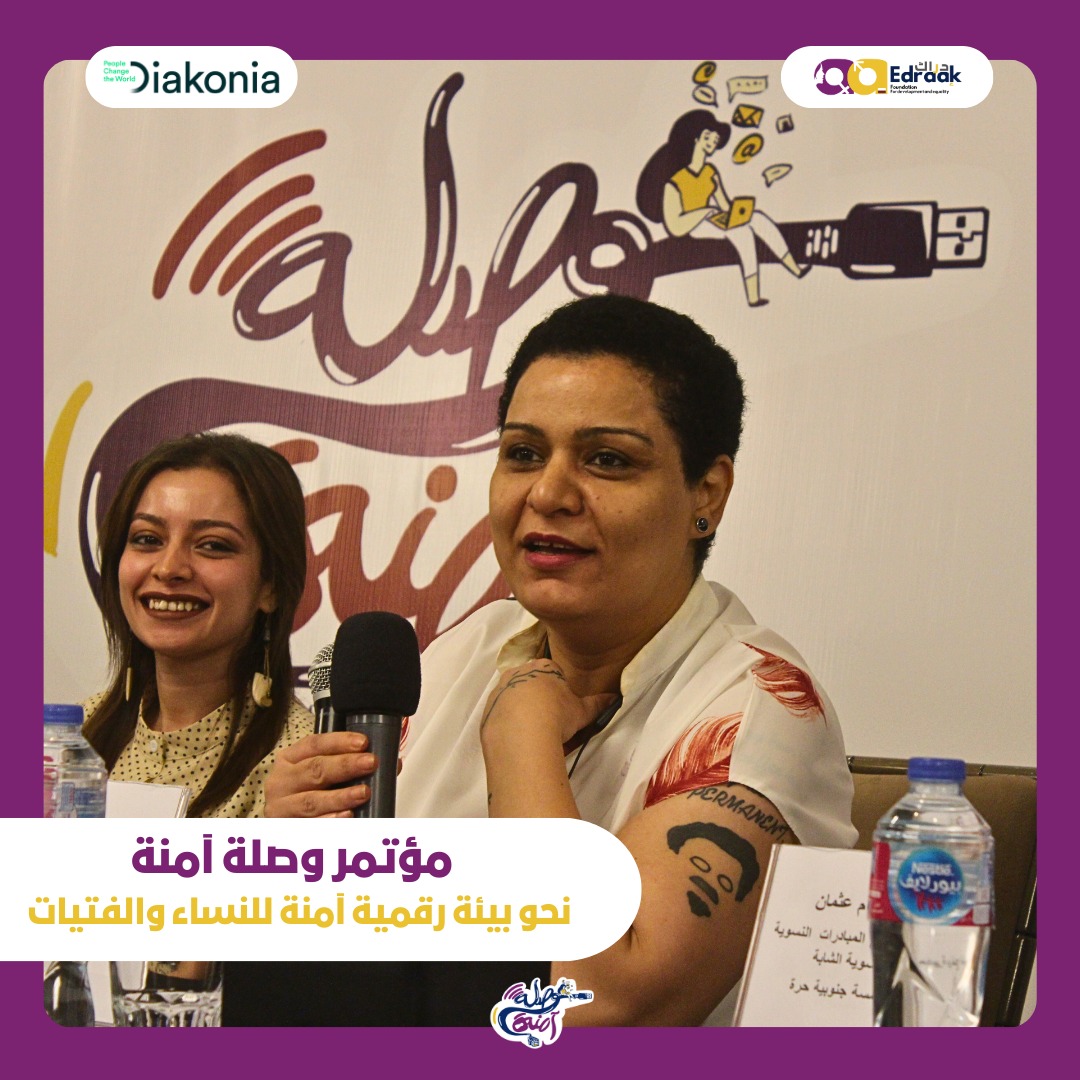
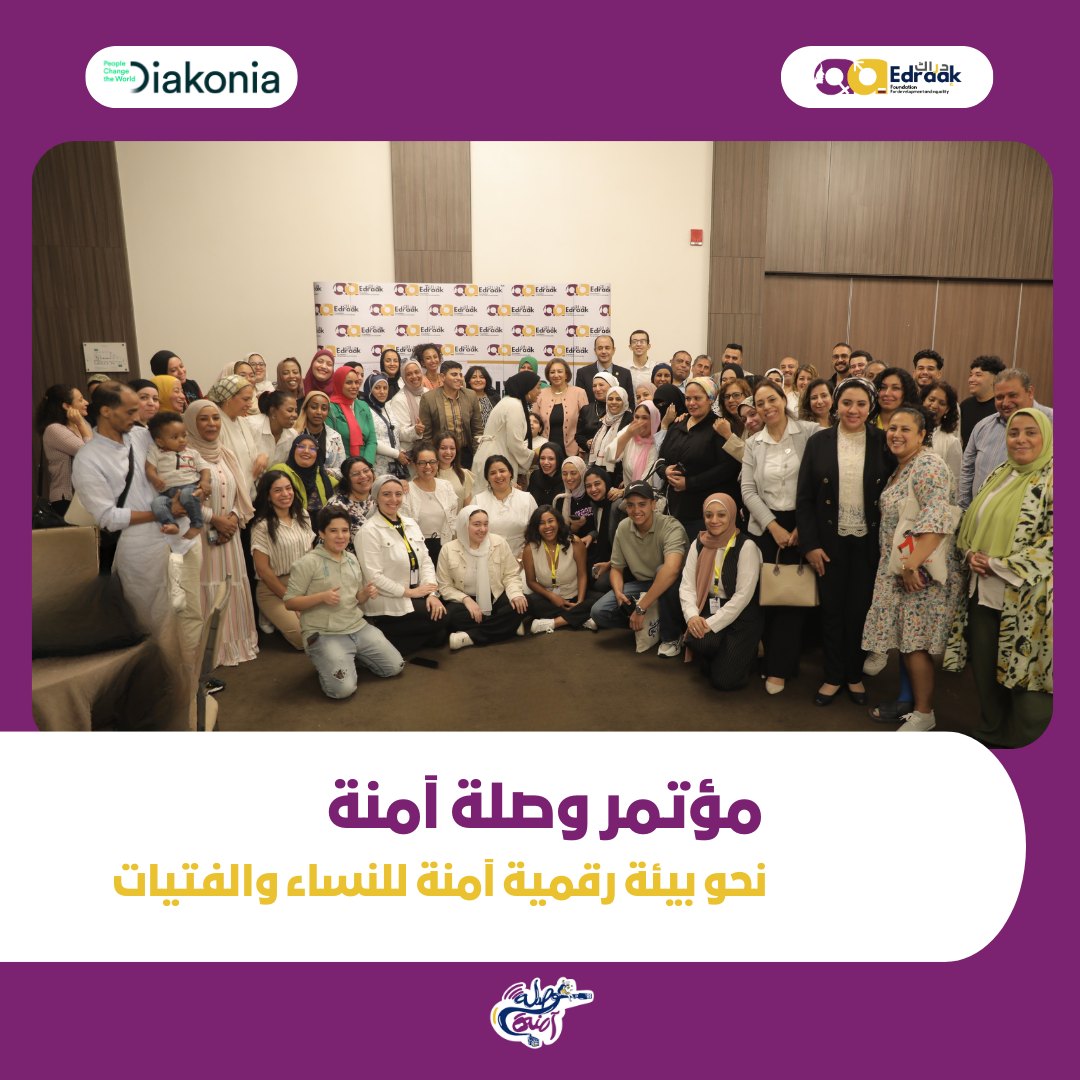
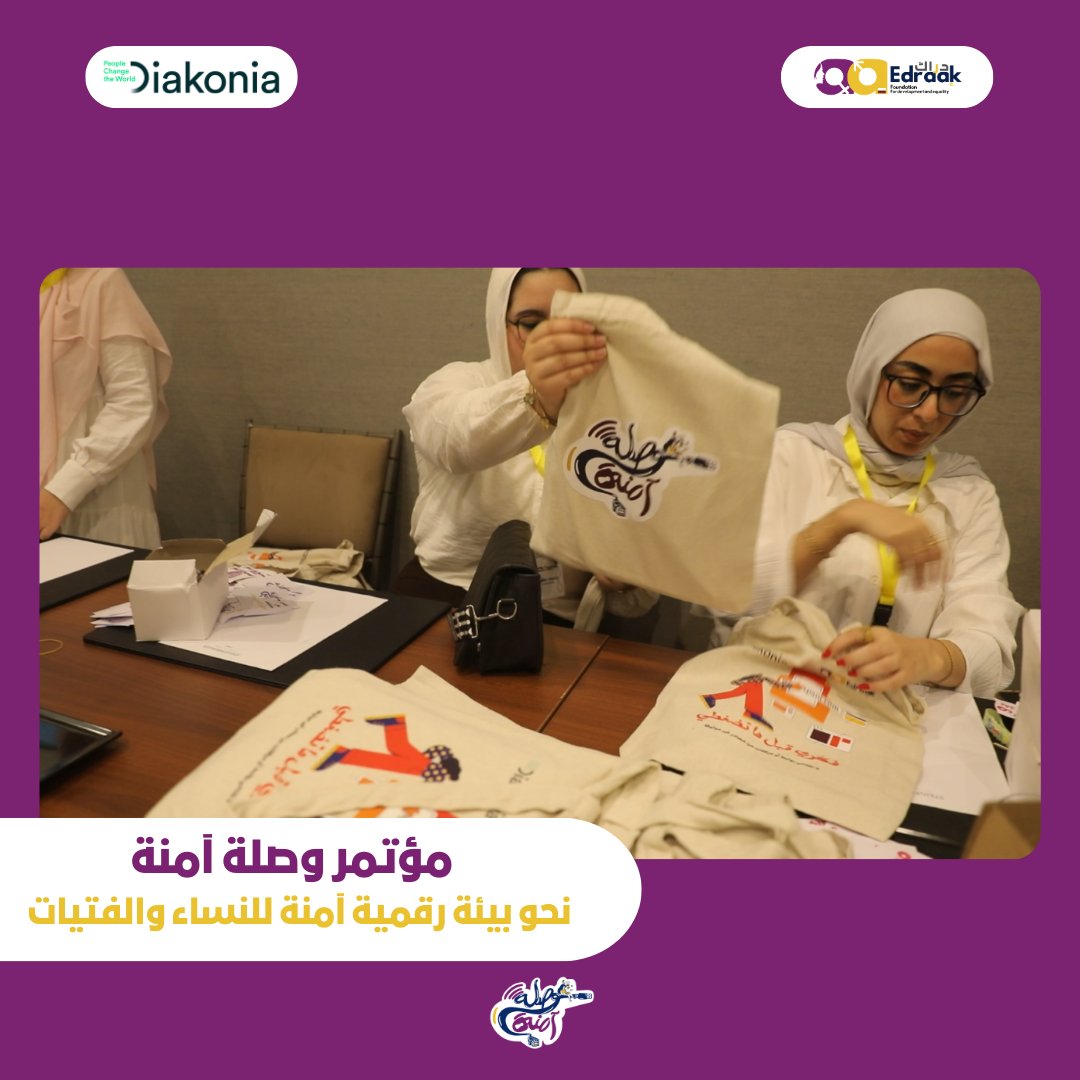
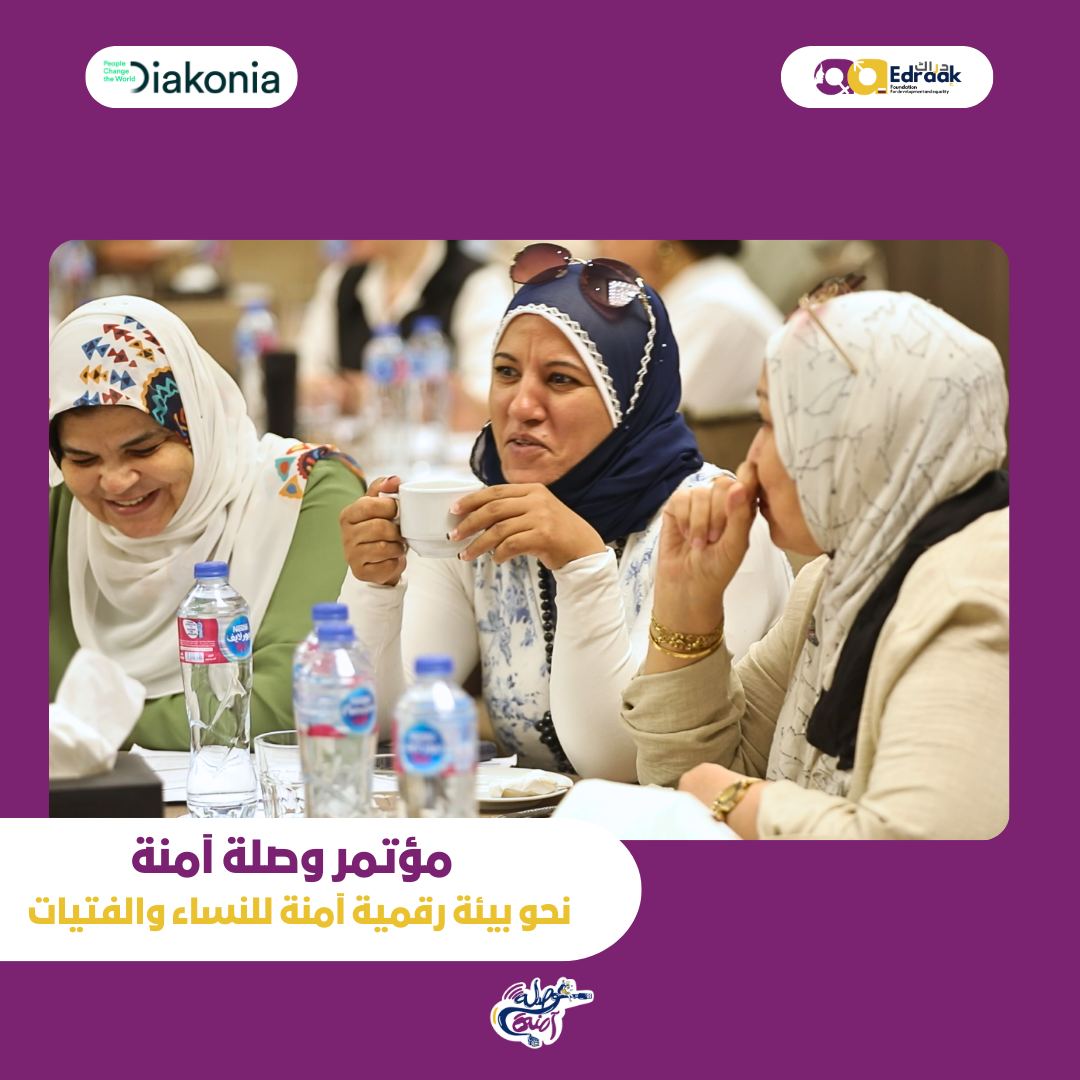
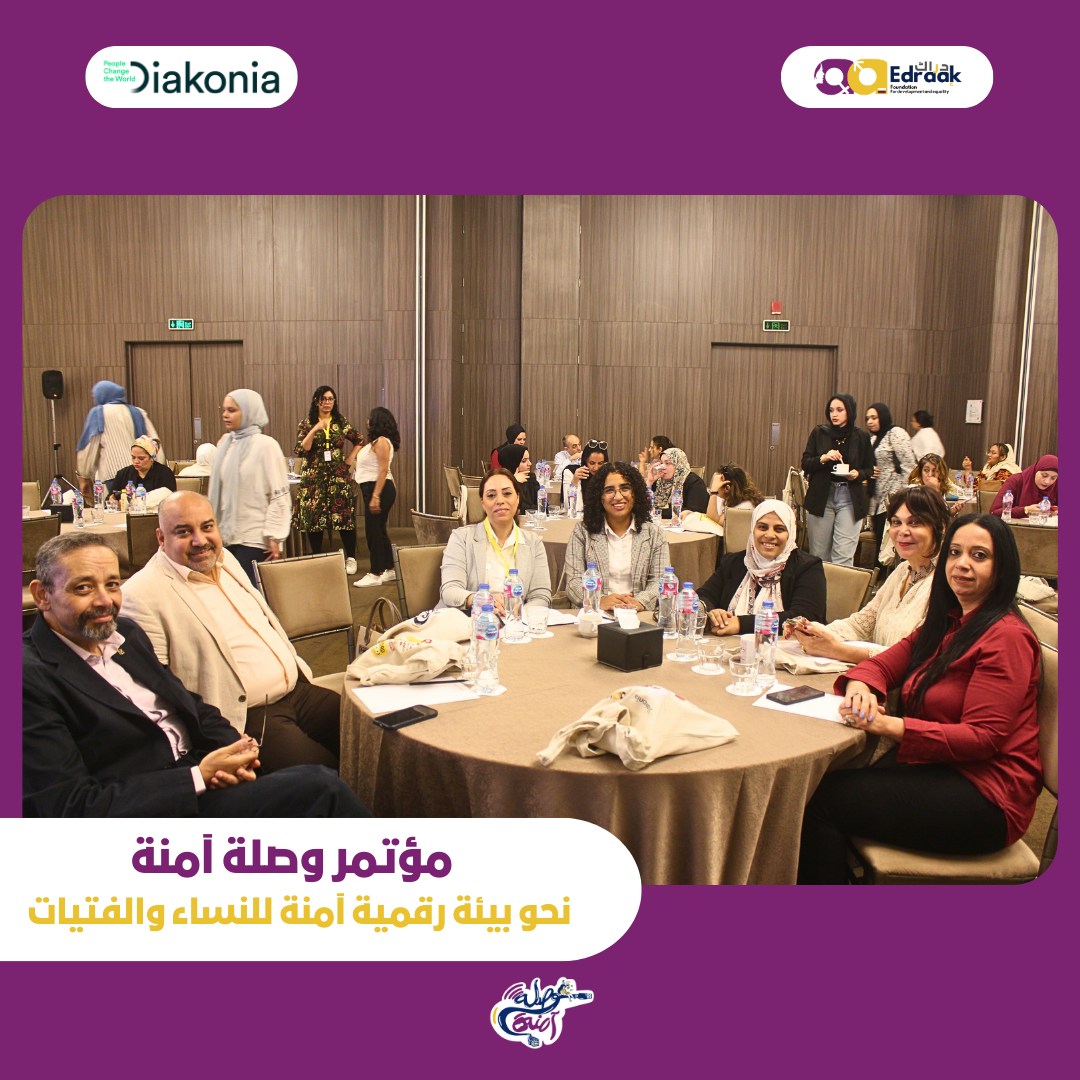
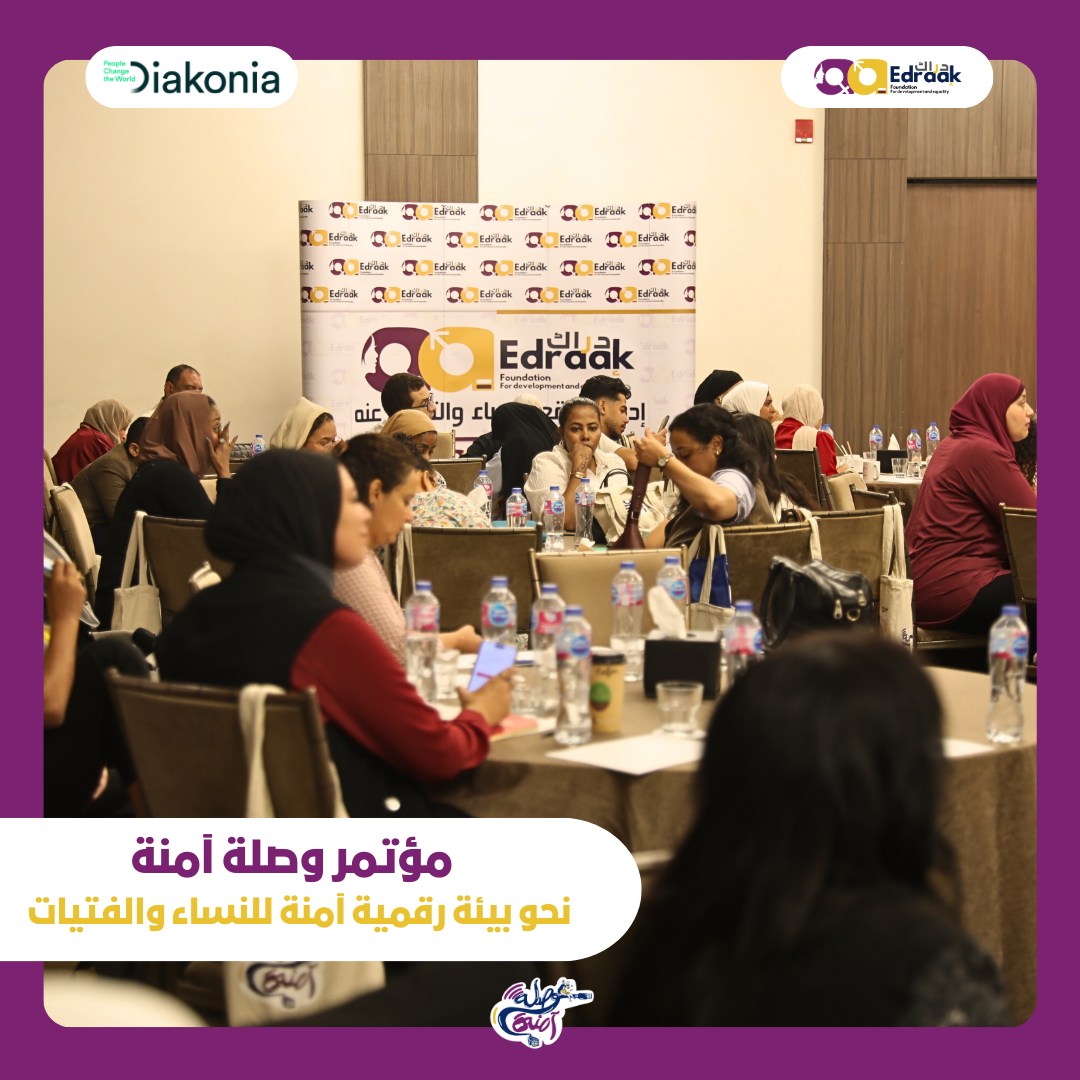
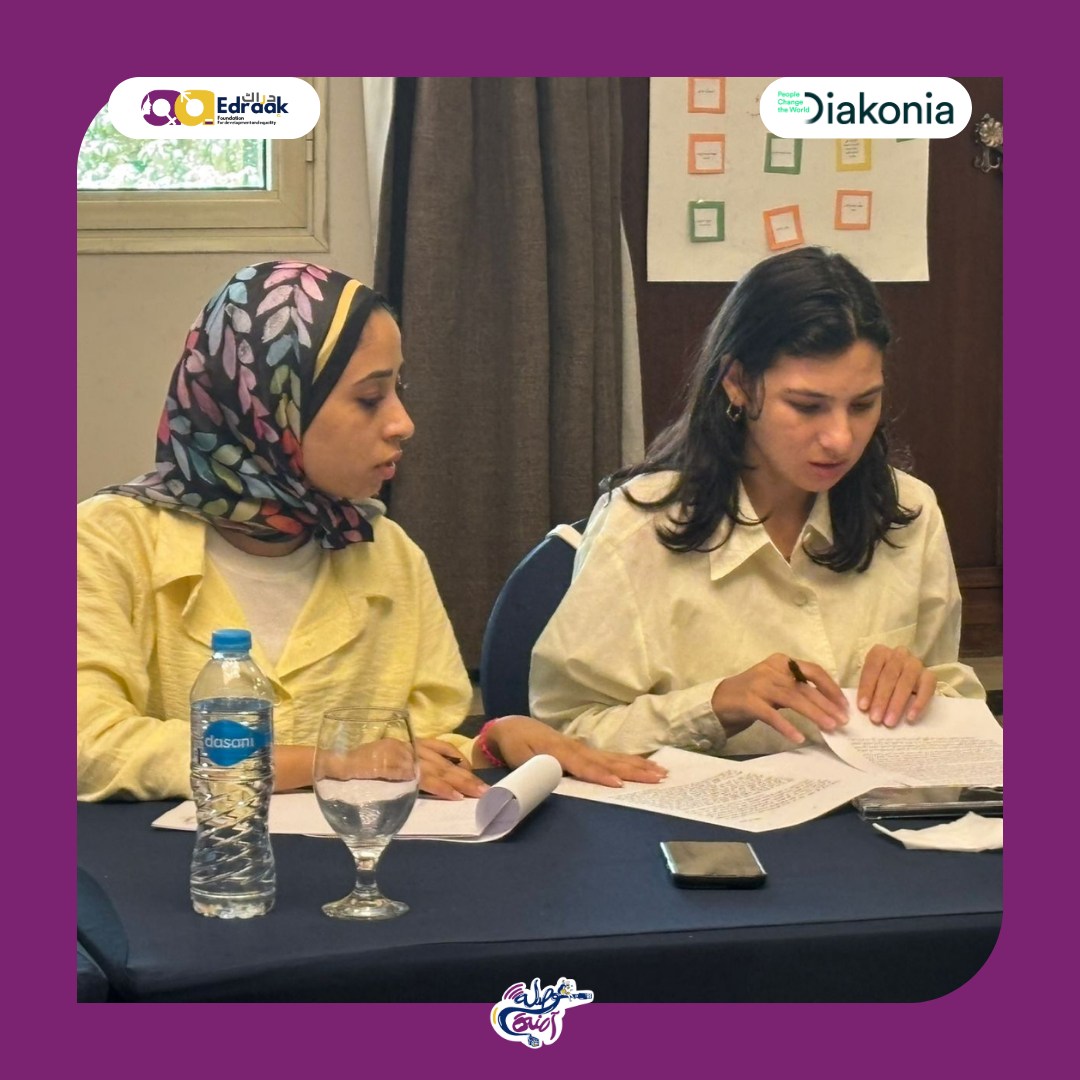
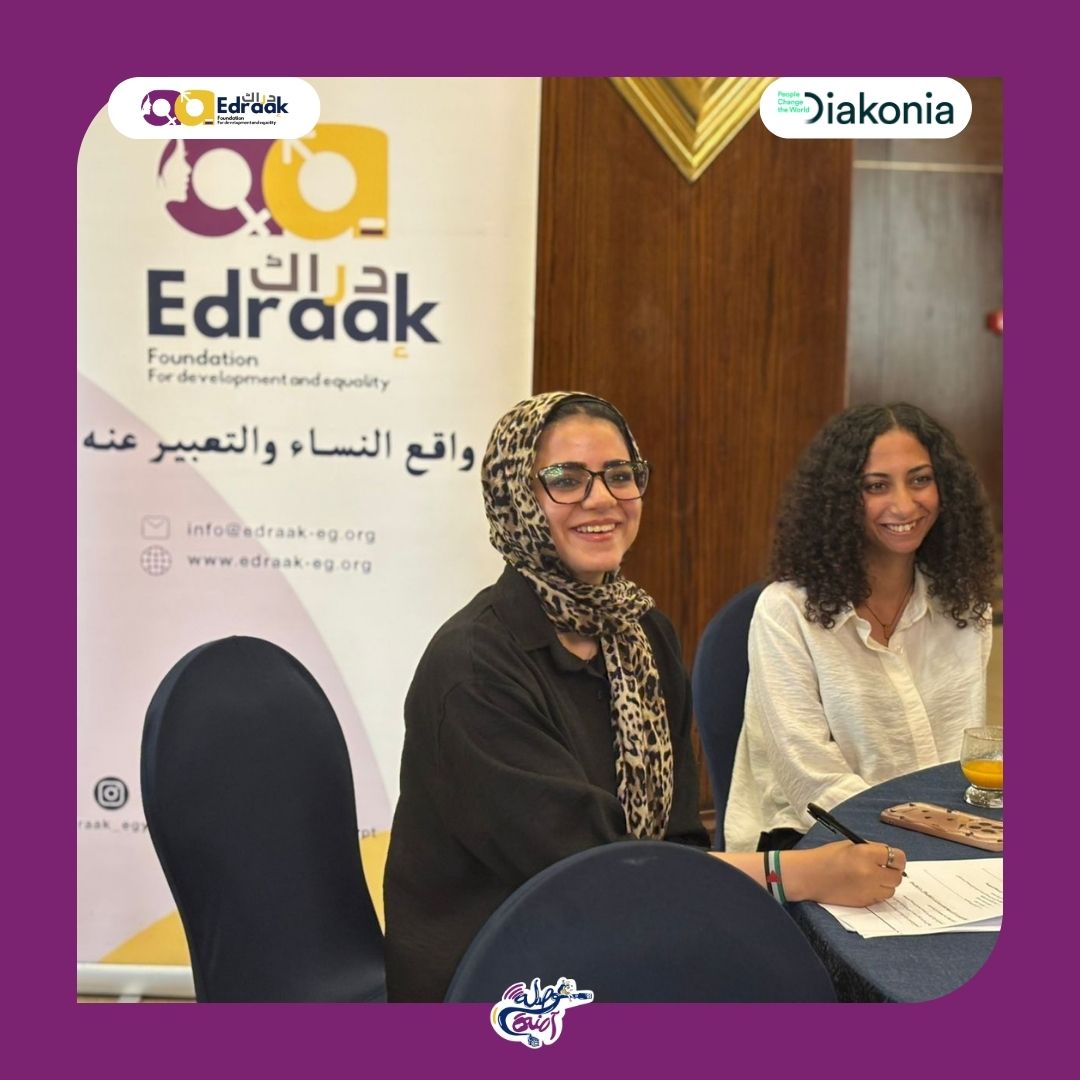
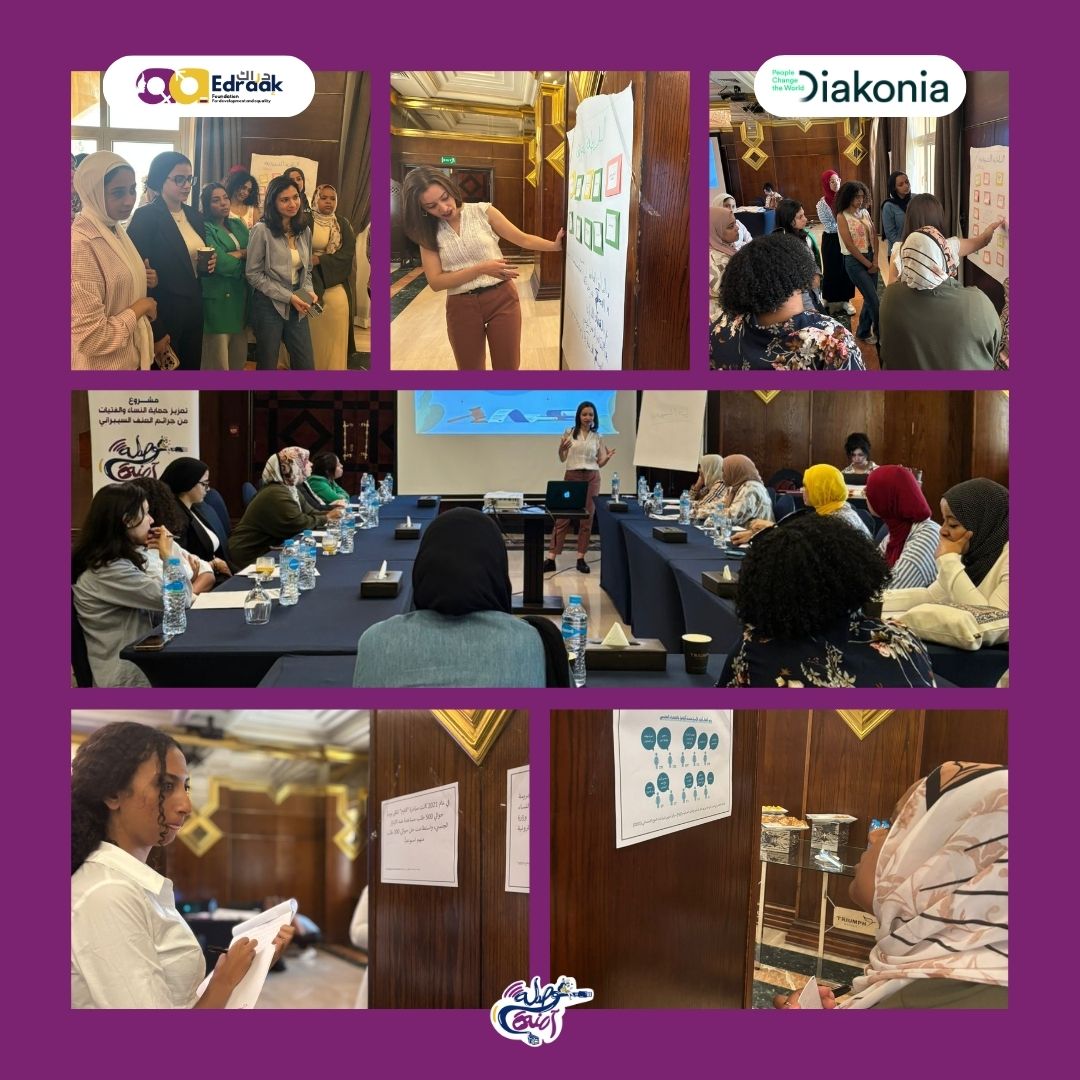
Safe Community for Women Conference: Towards a Secure Digital Space for All

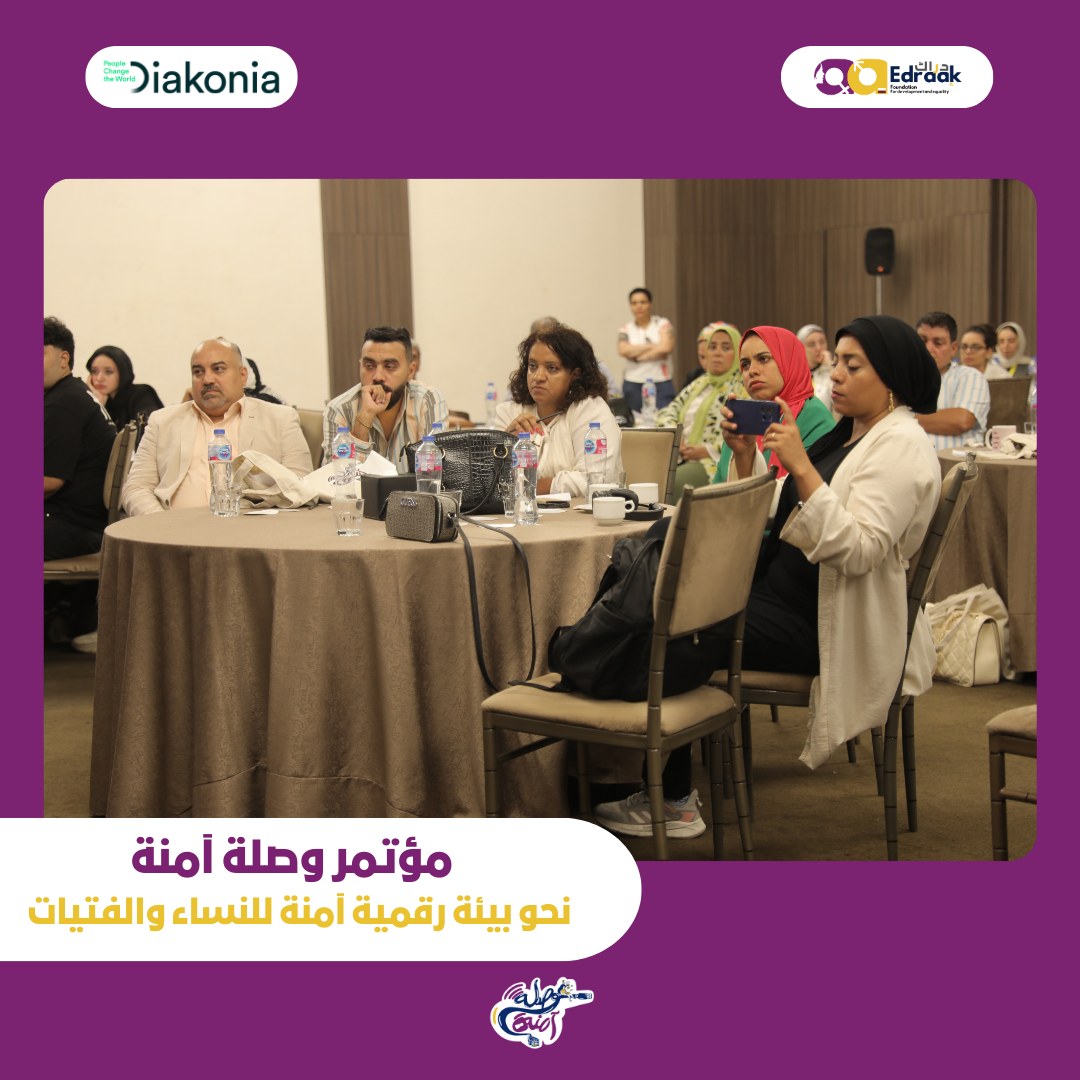
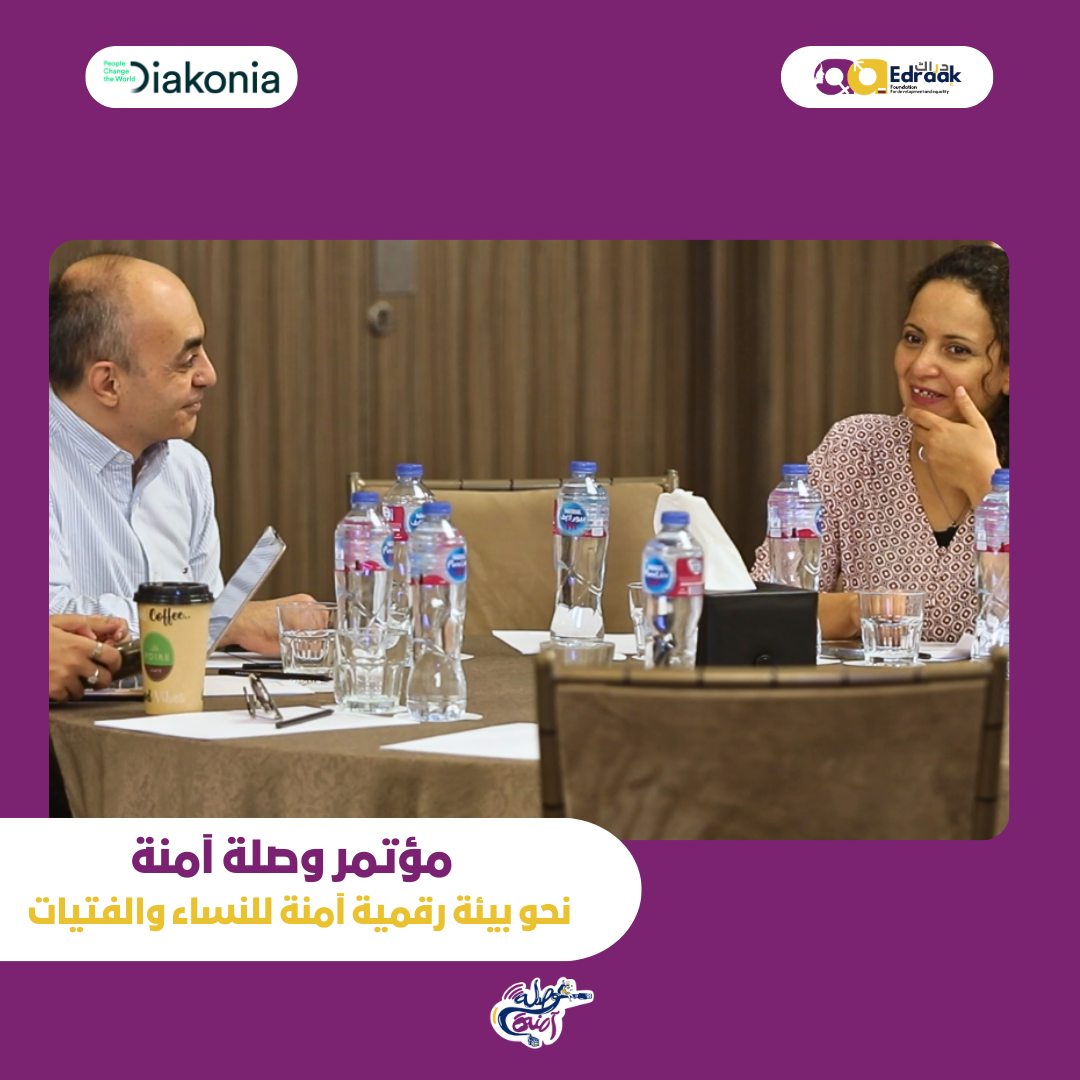
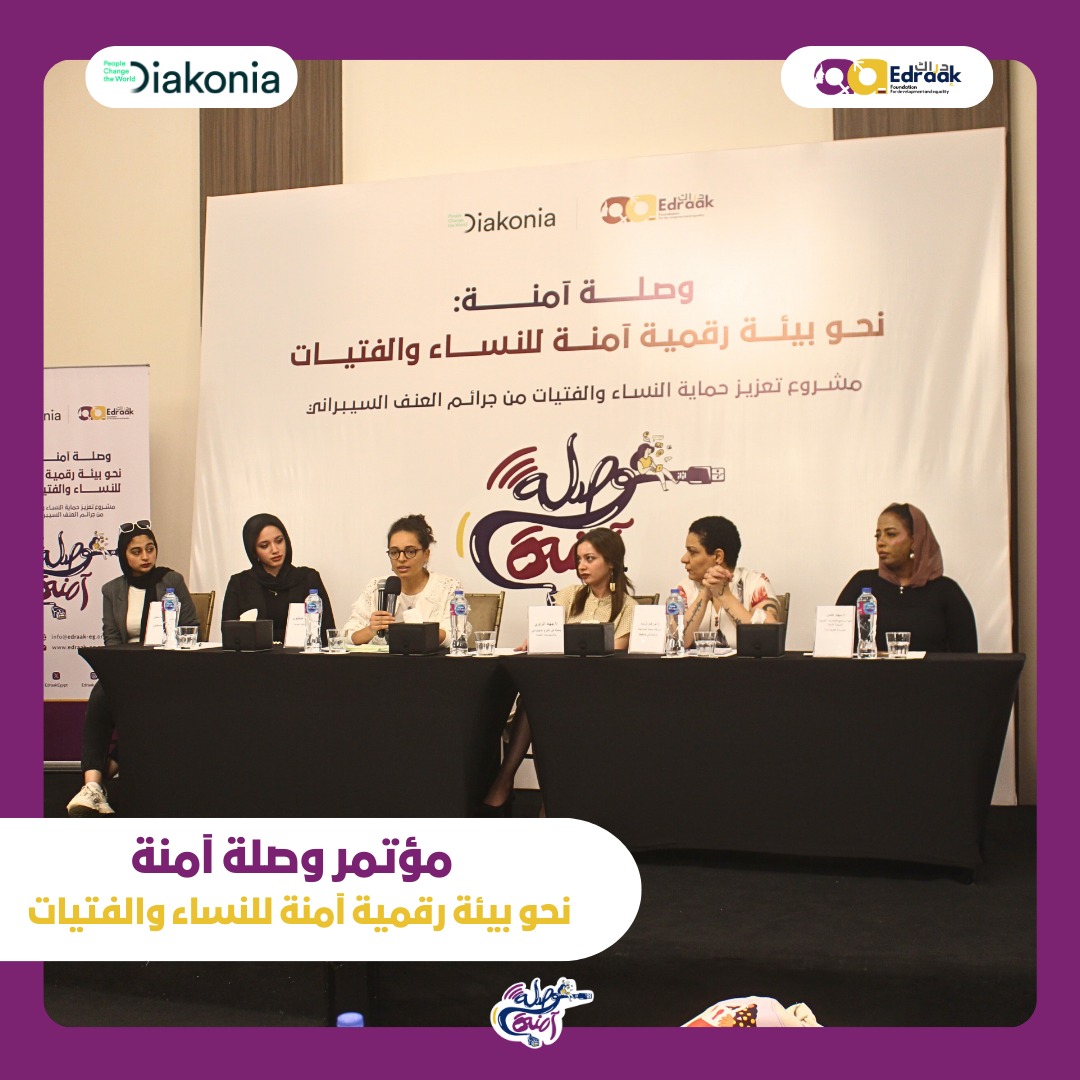
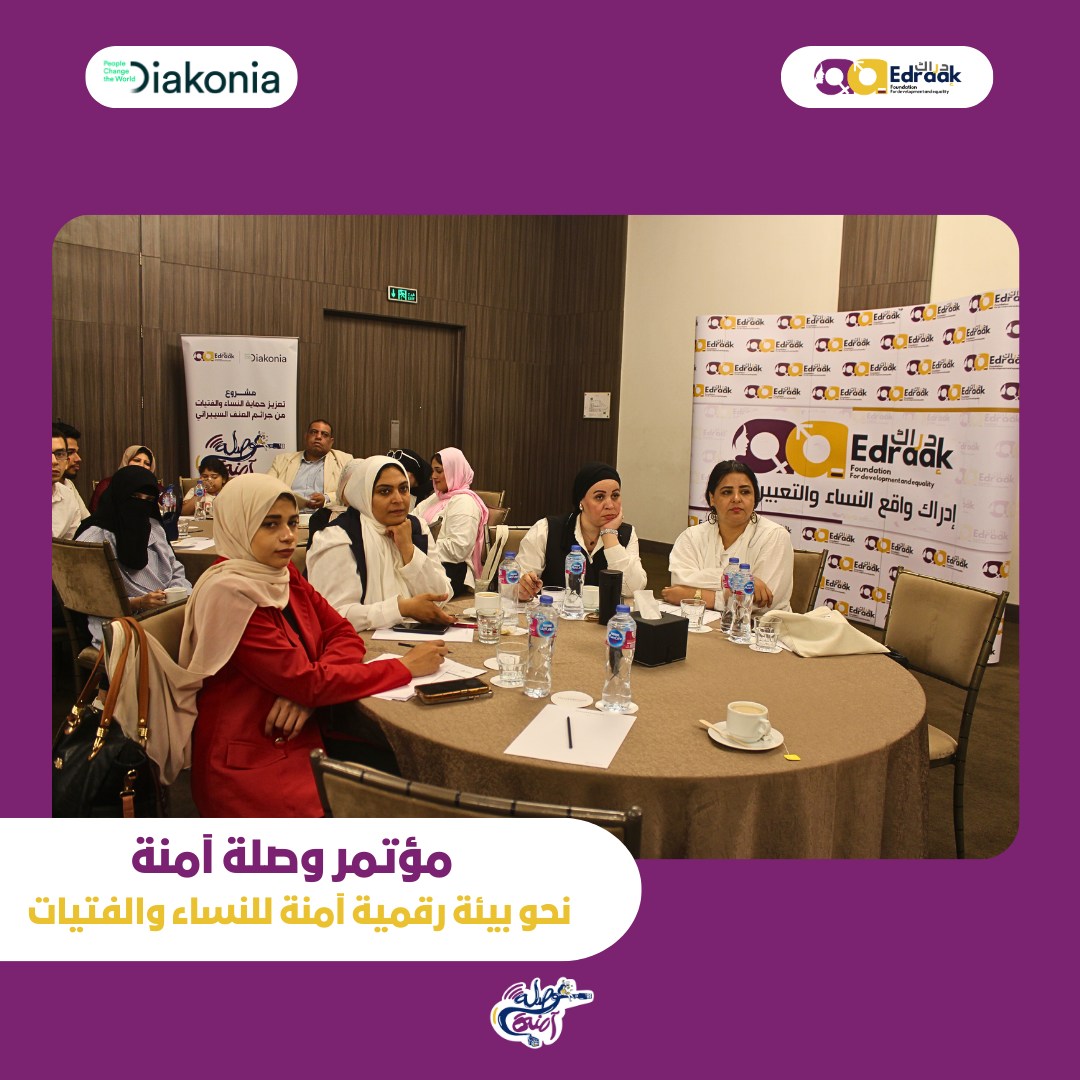
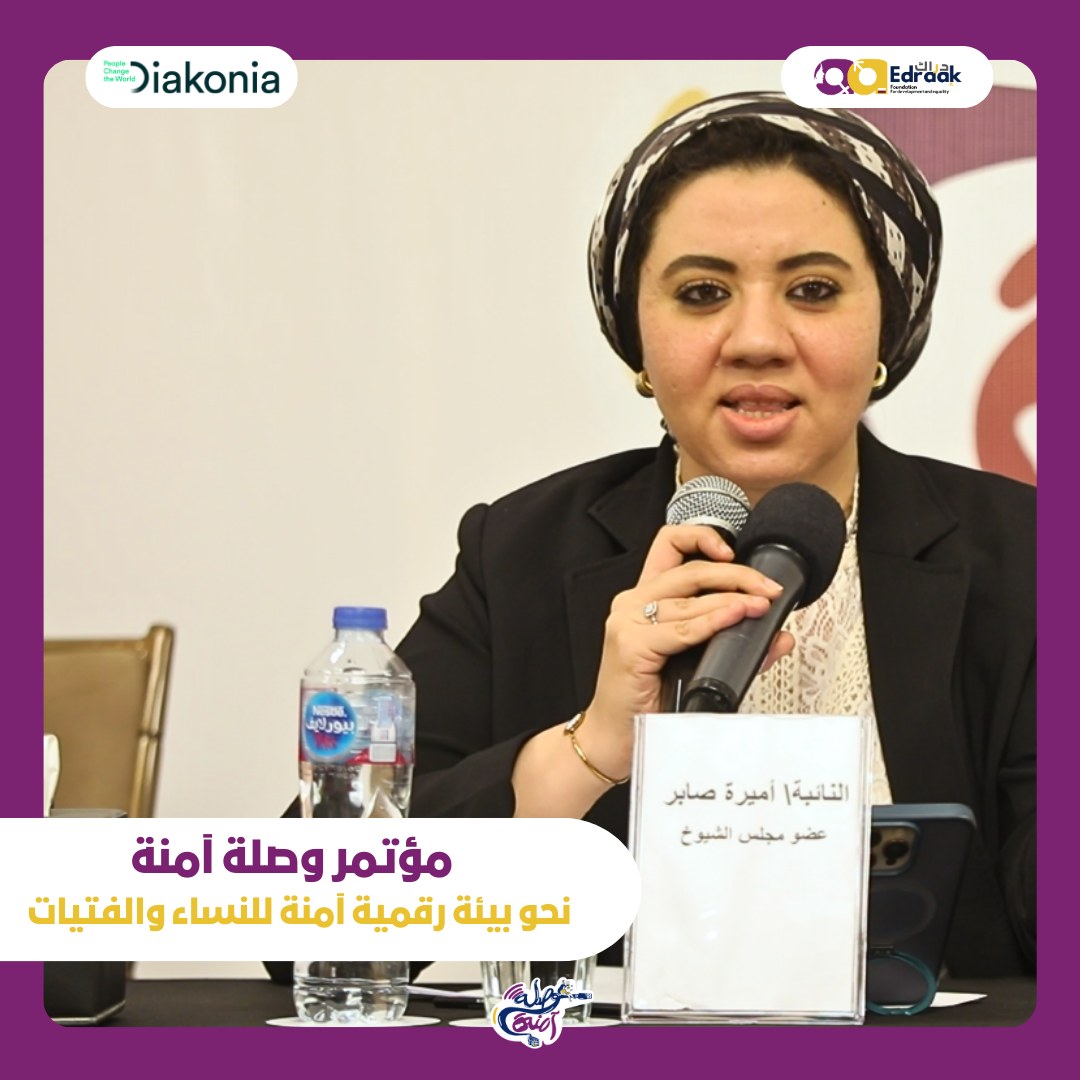
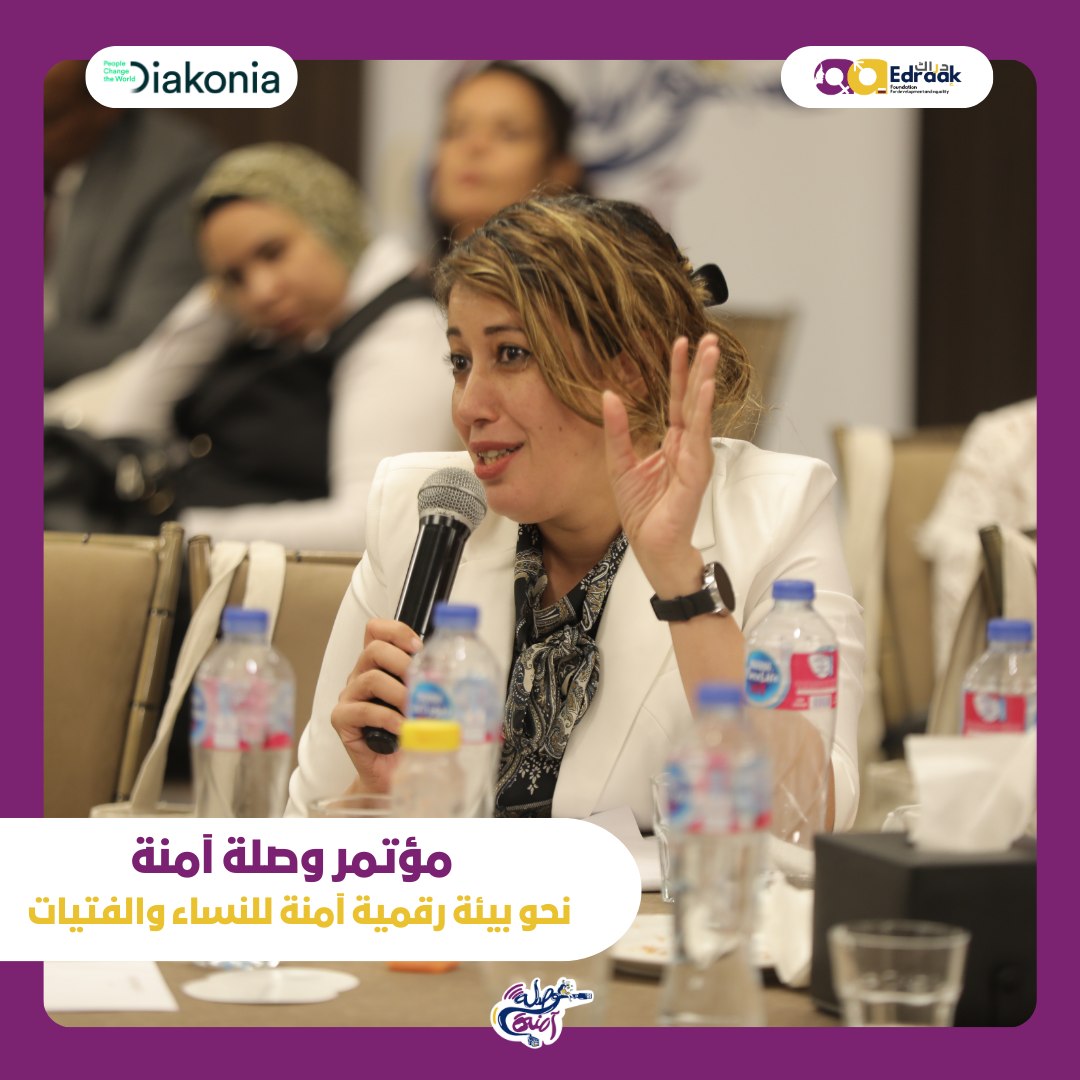
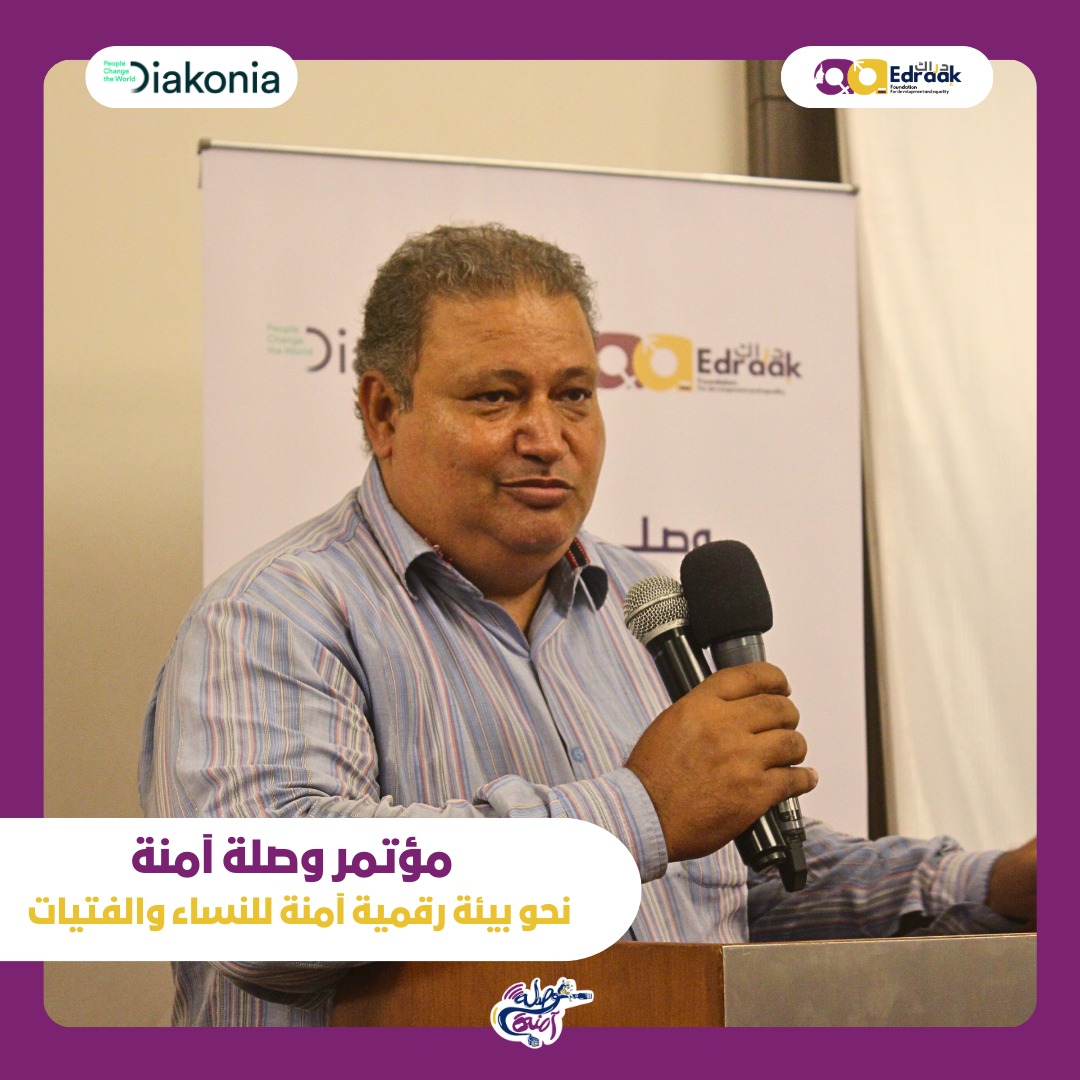
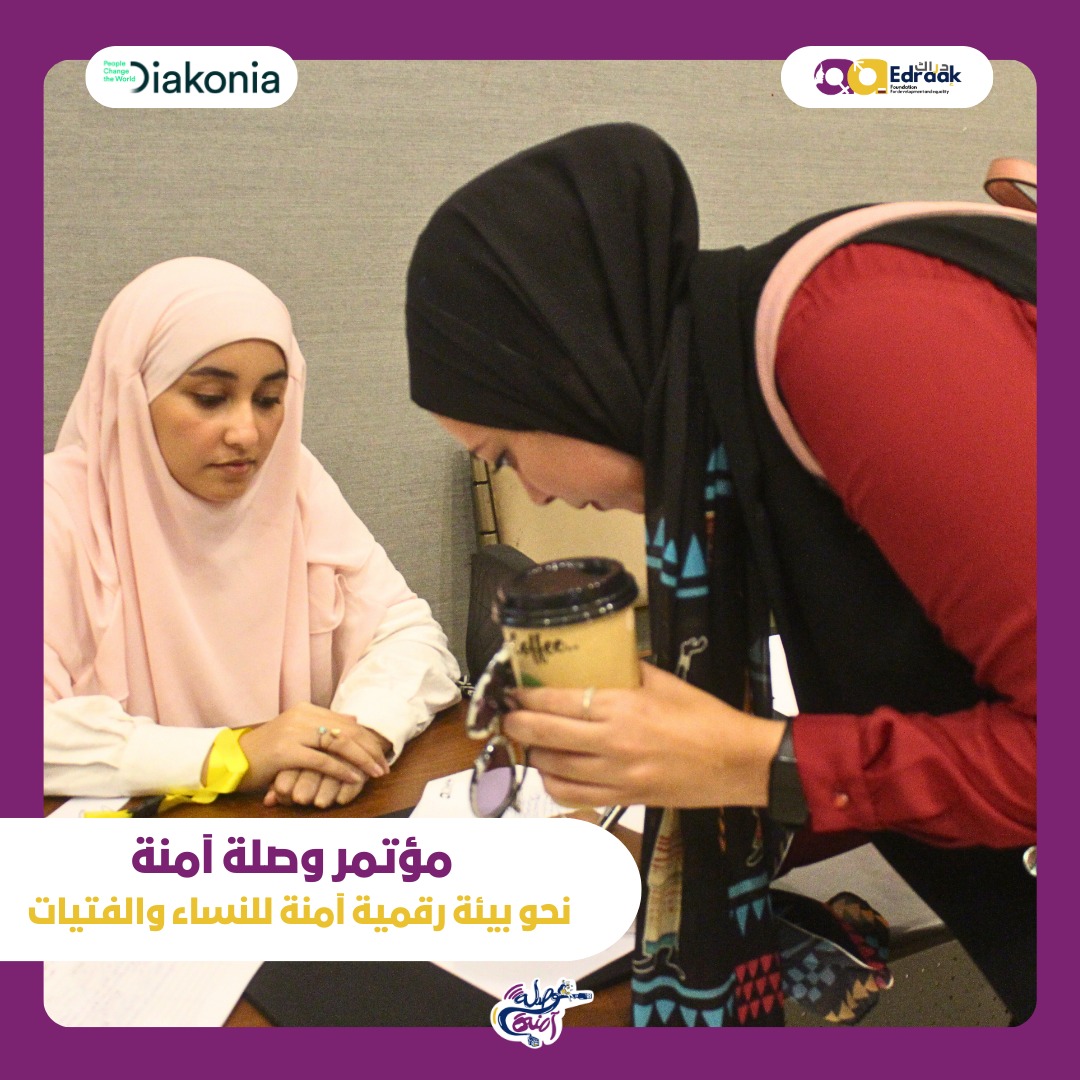
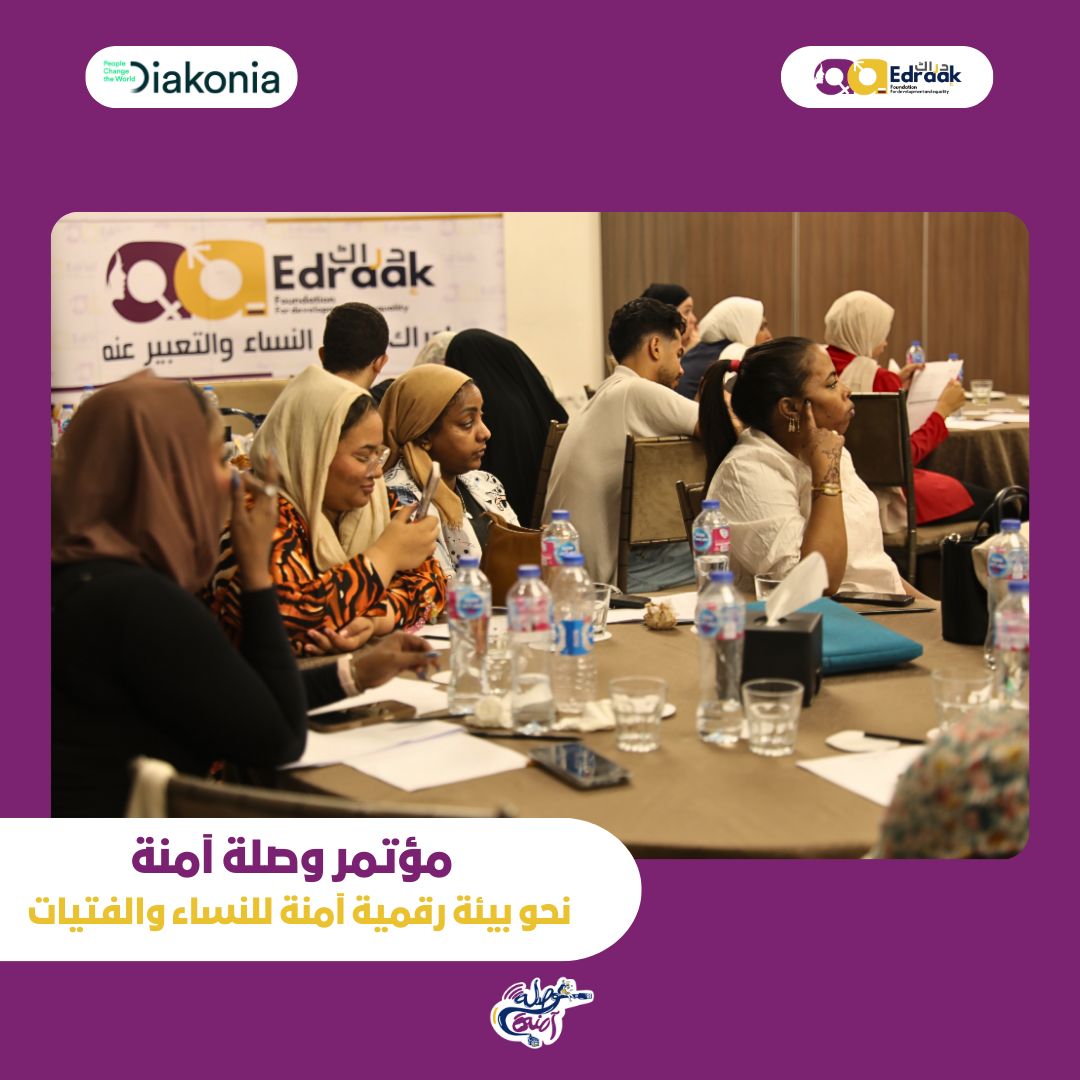
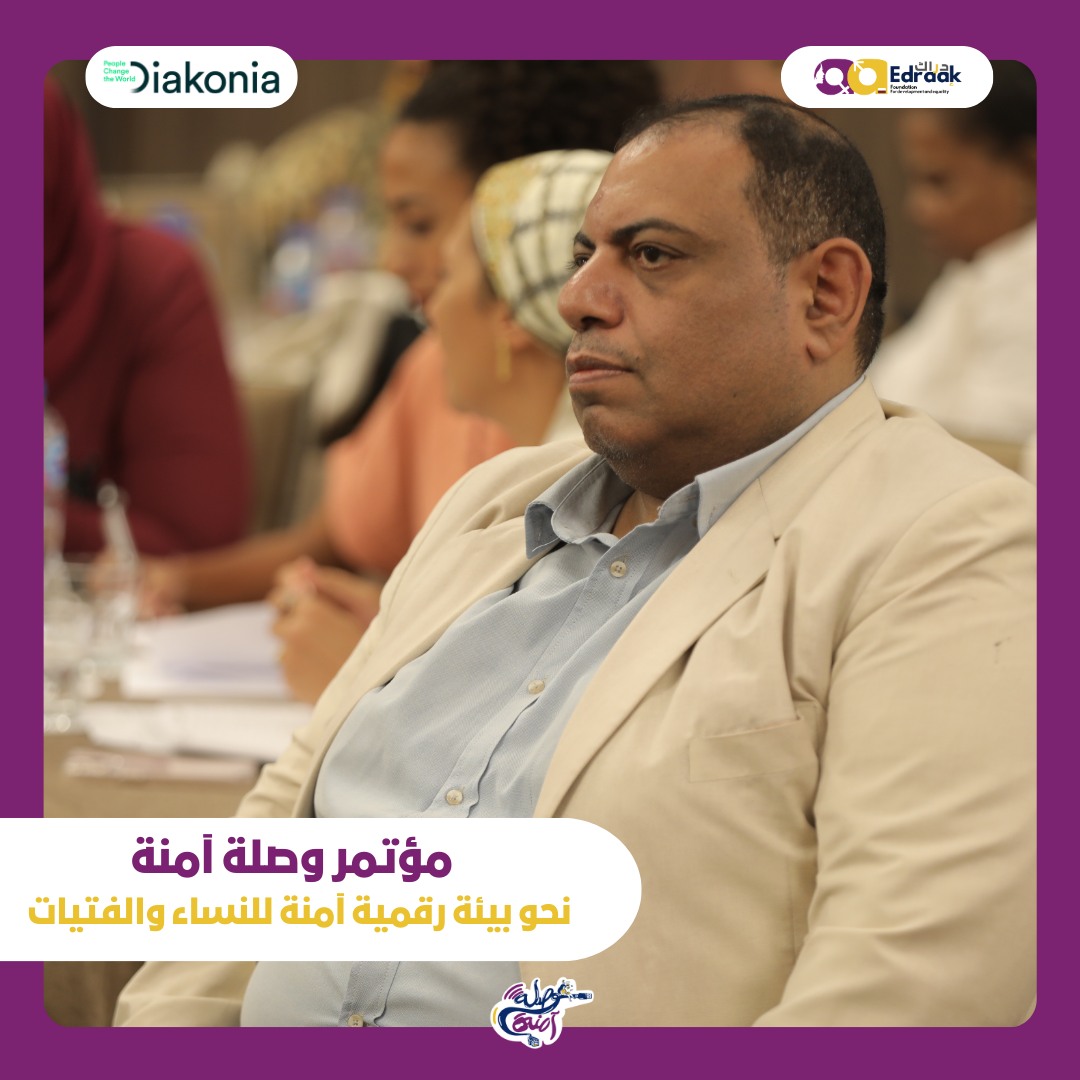
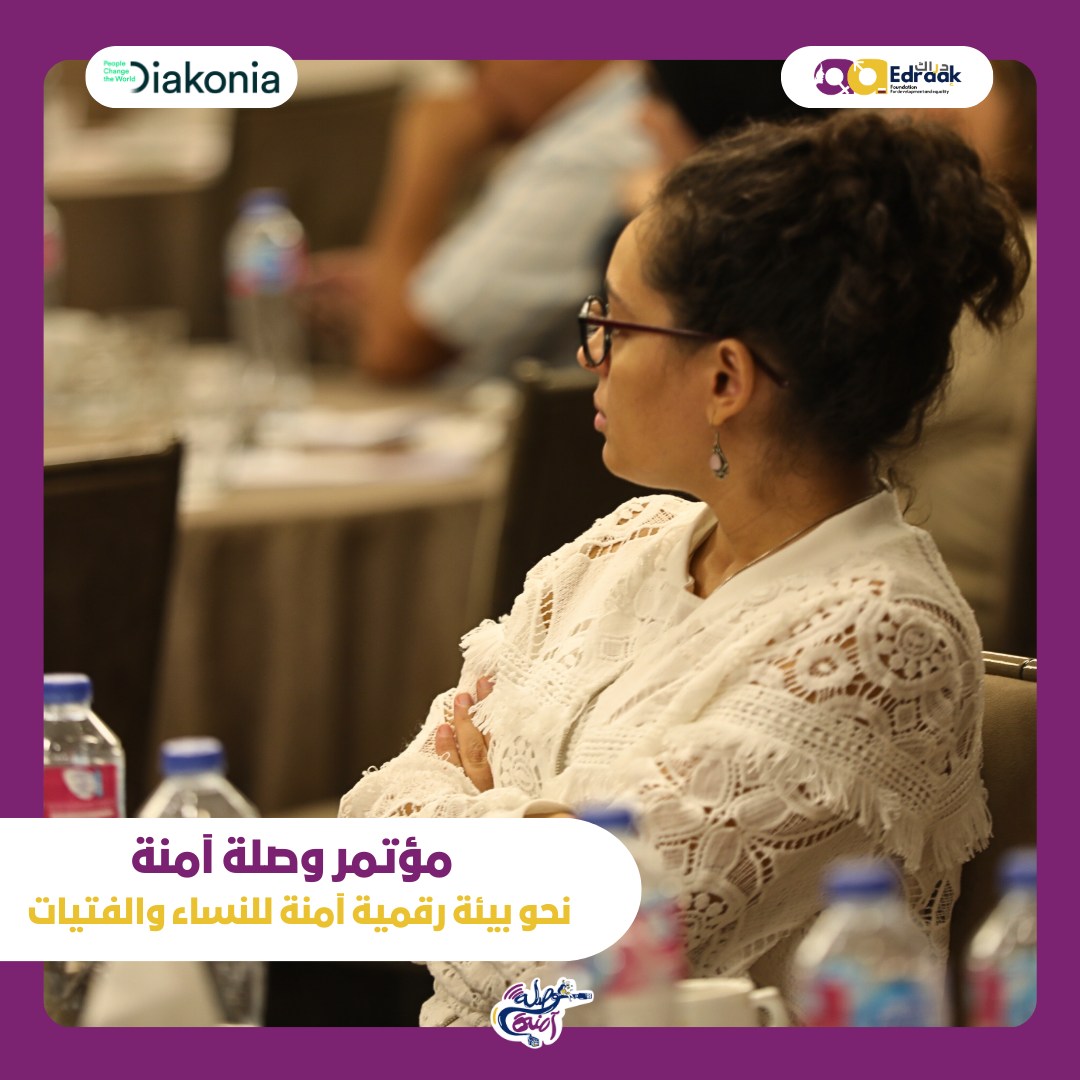
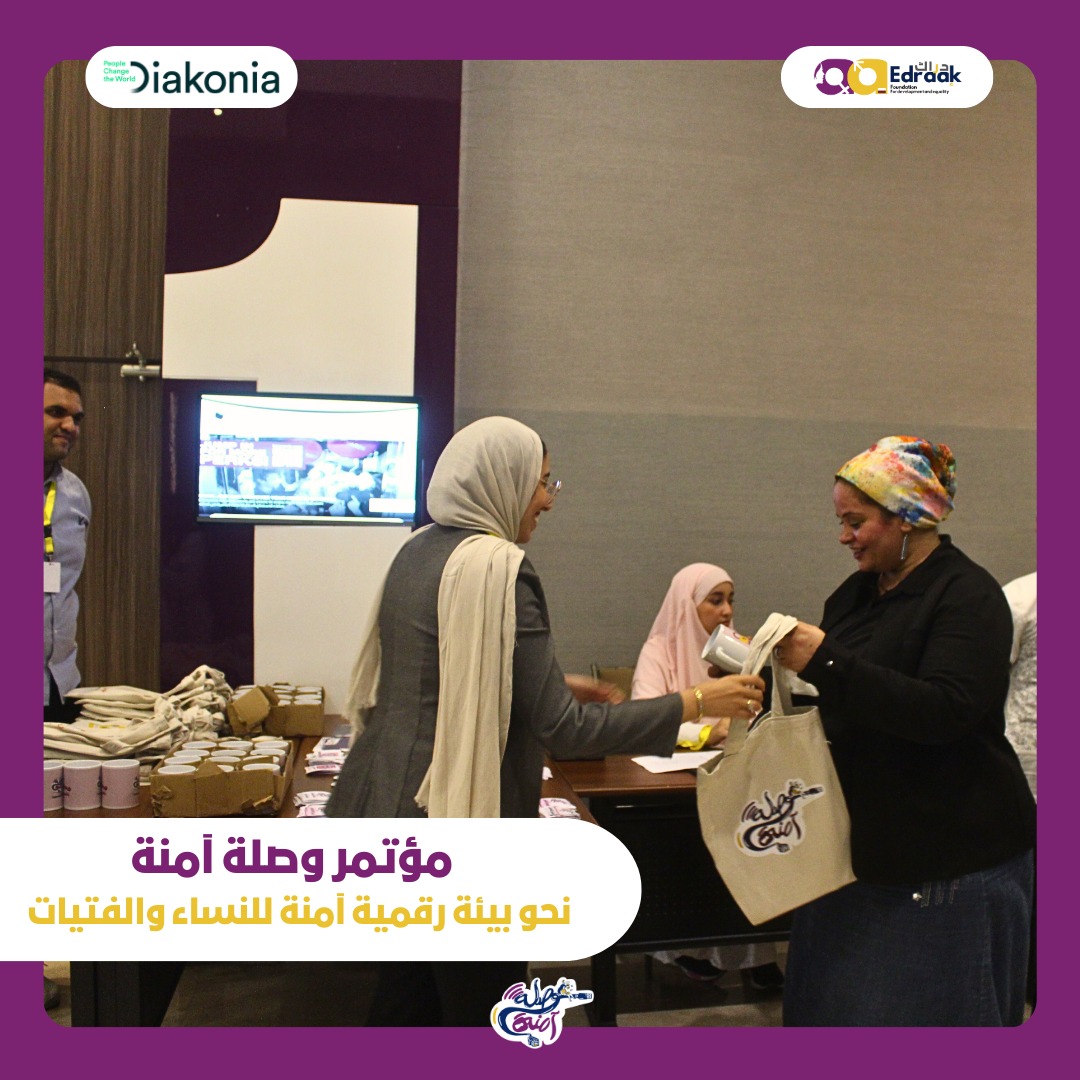
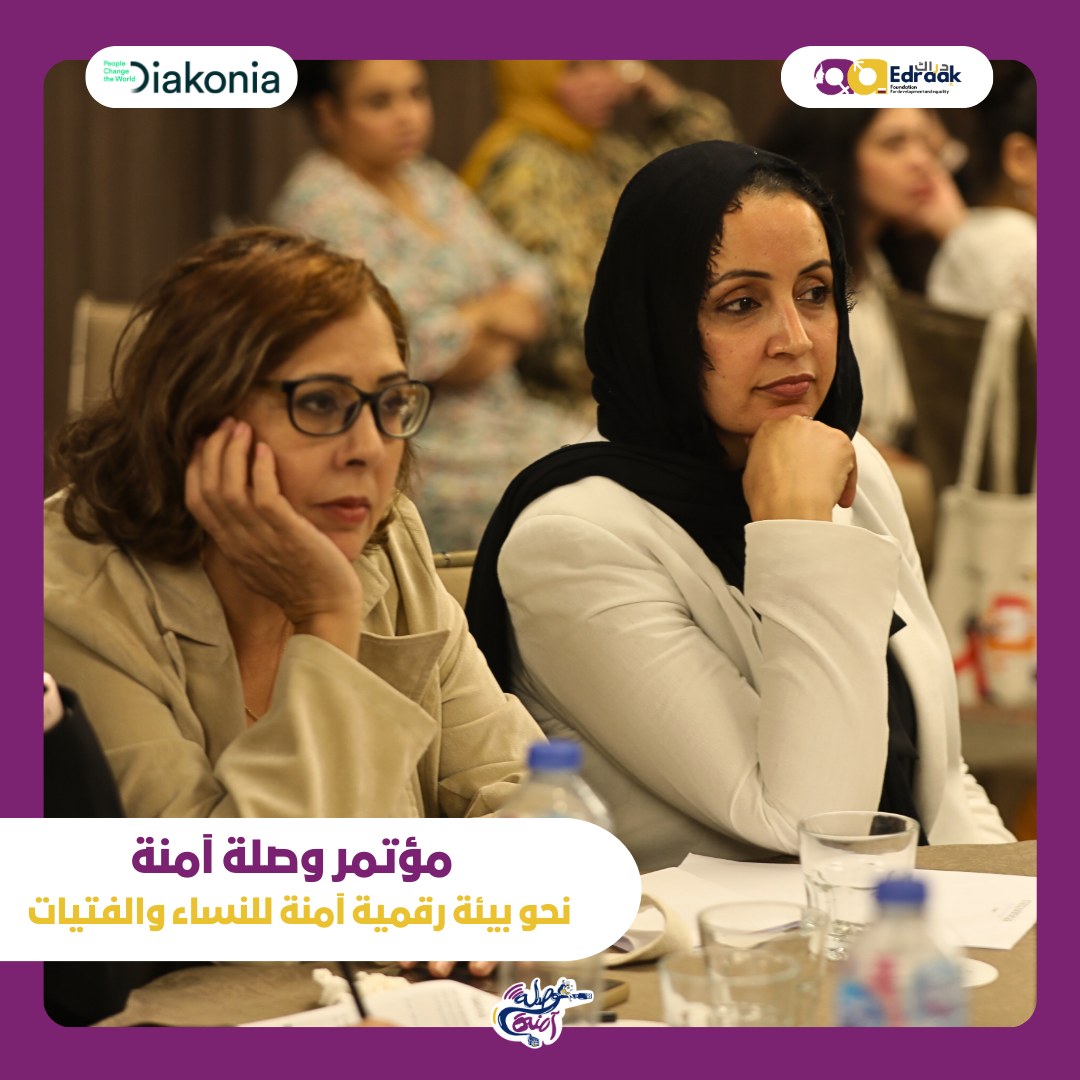
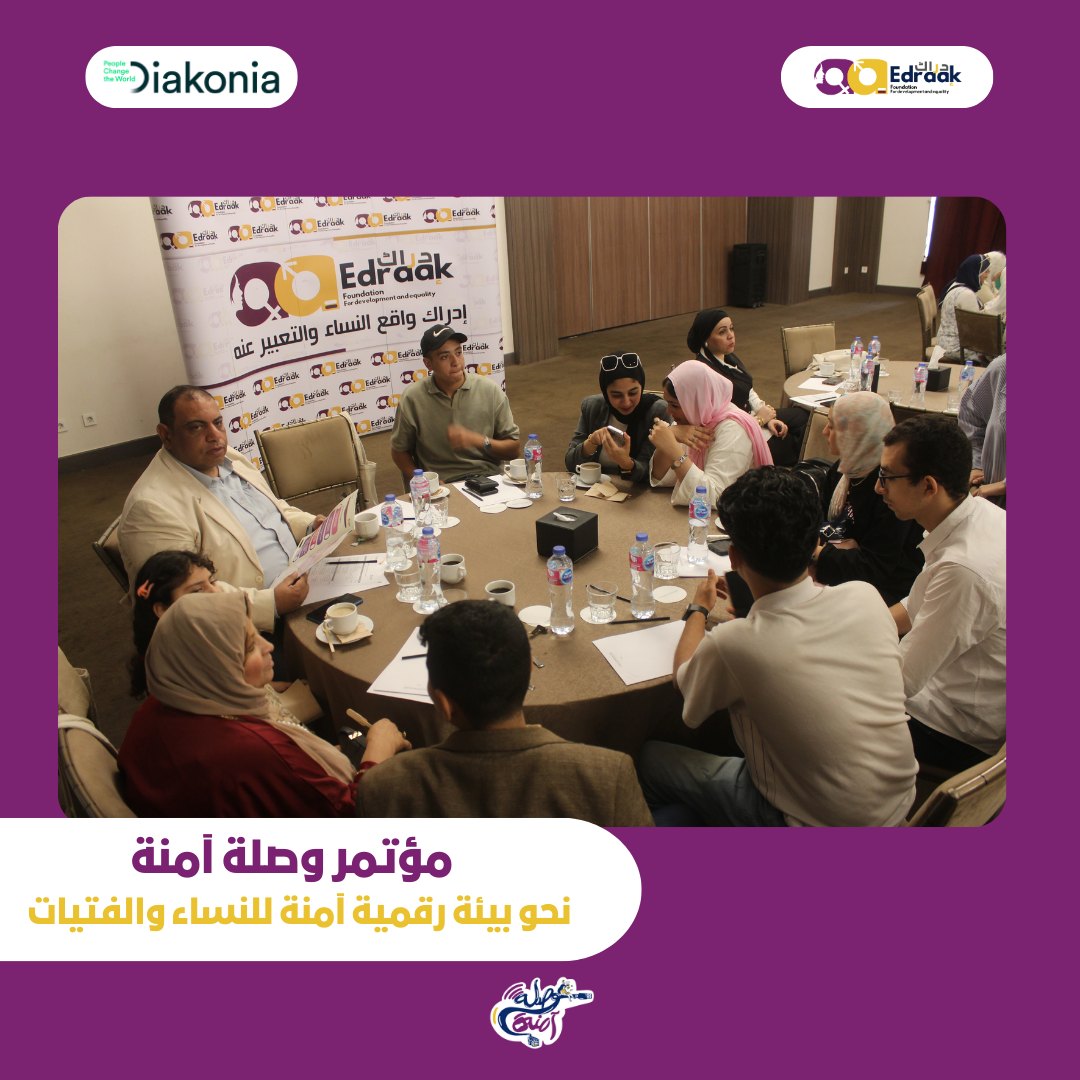
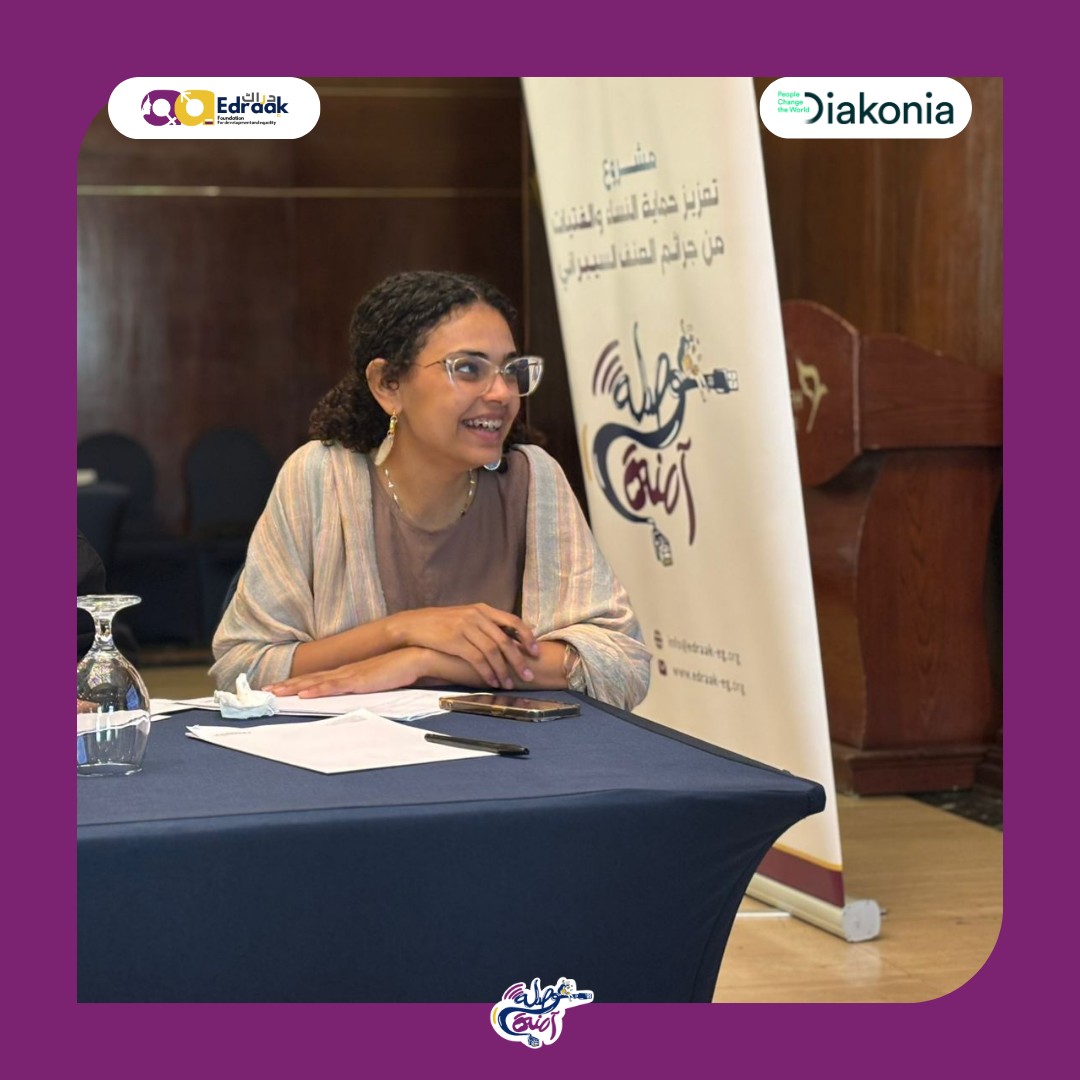
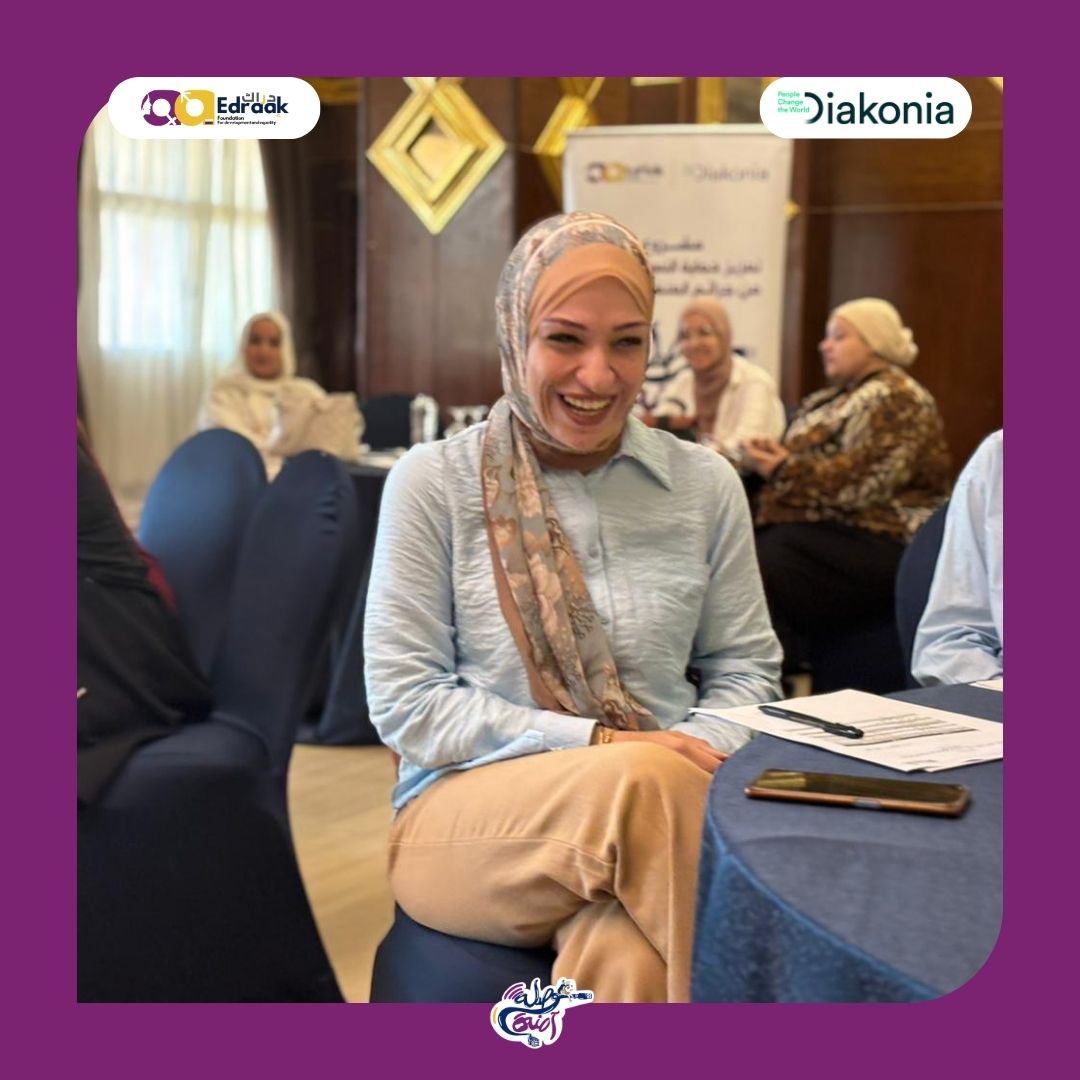
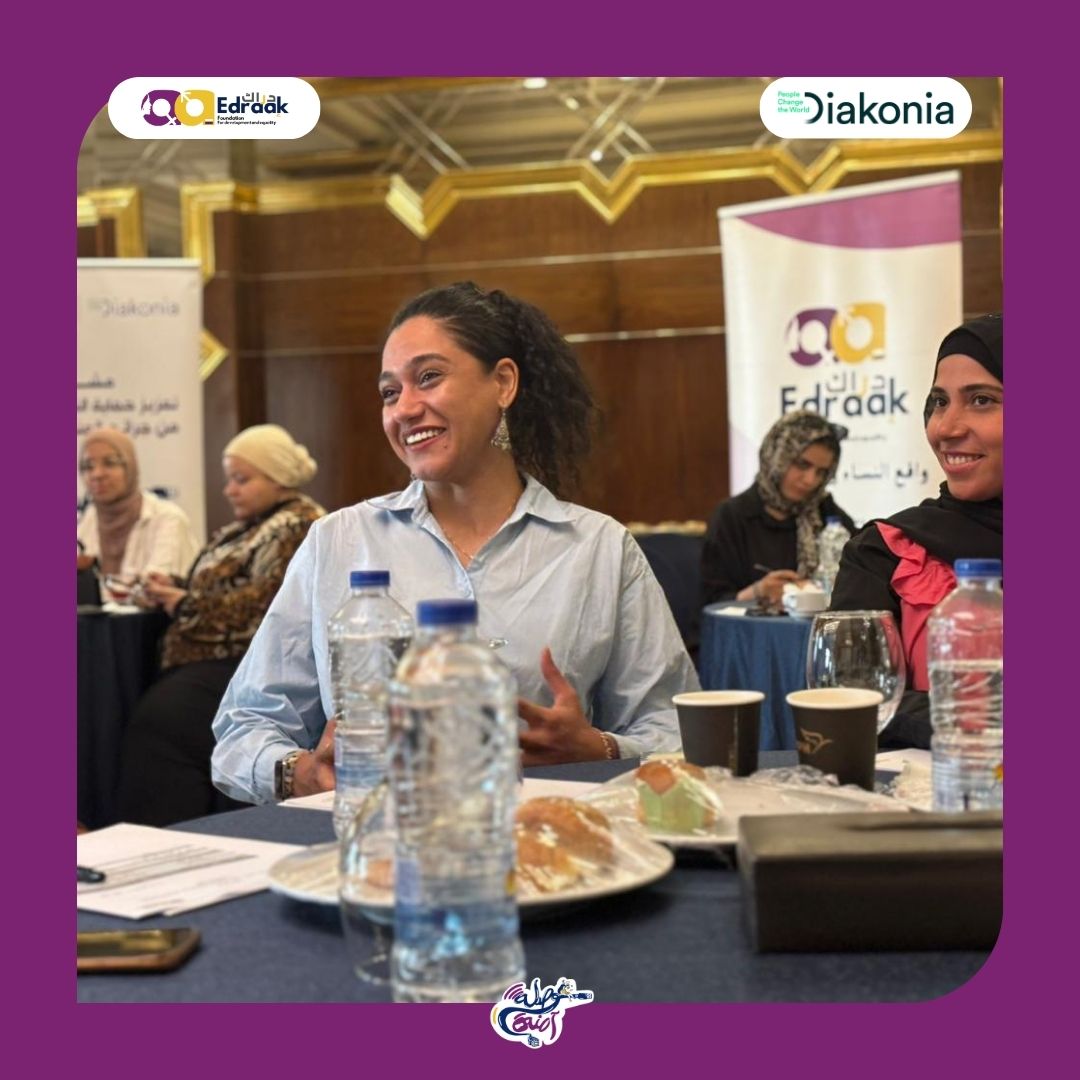
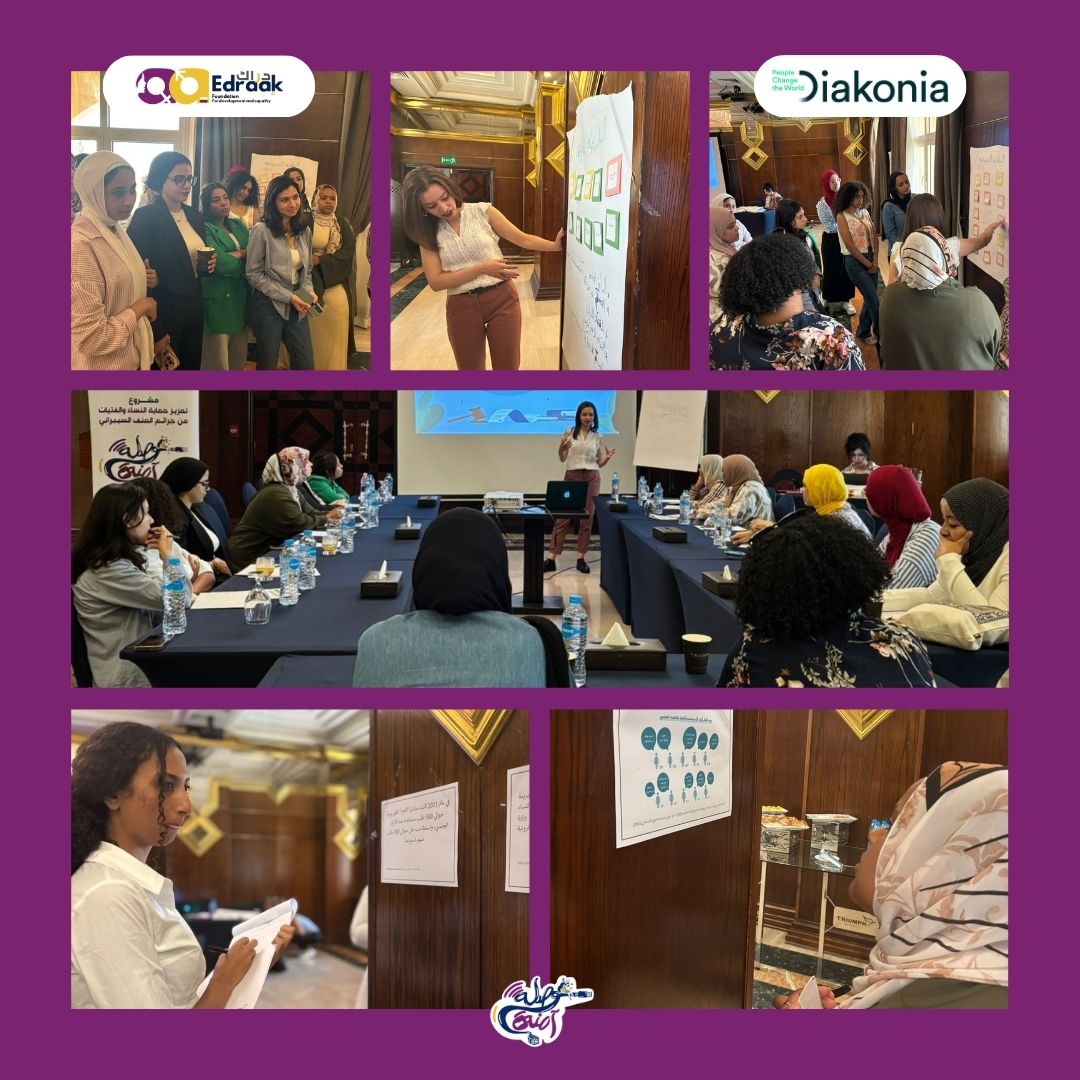
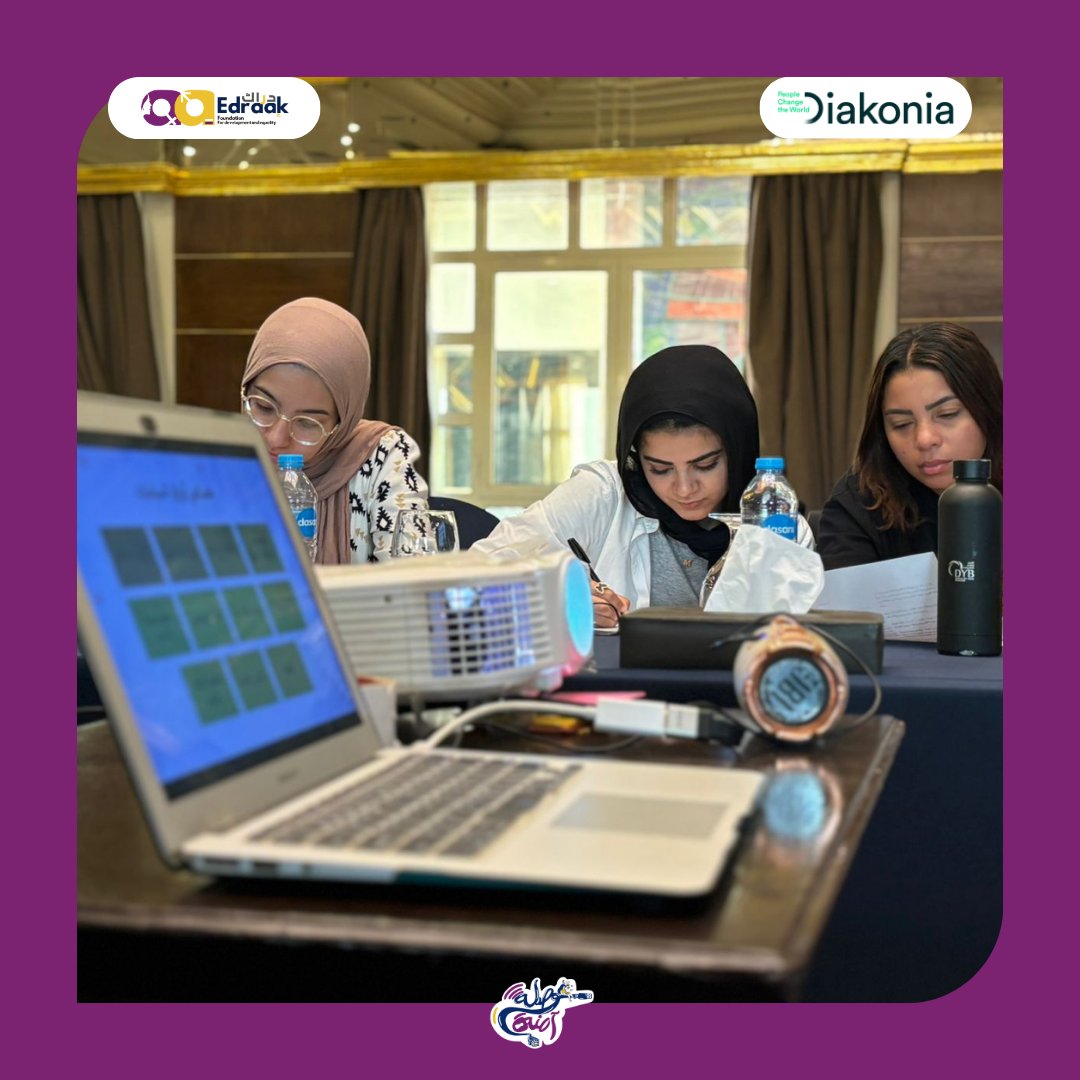
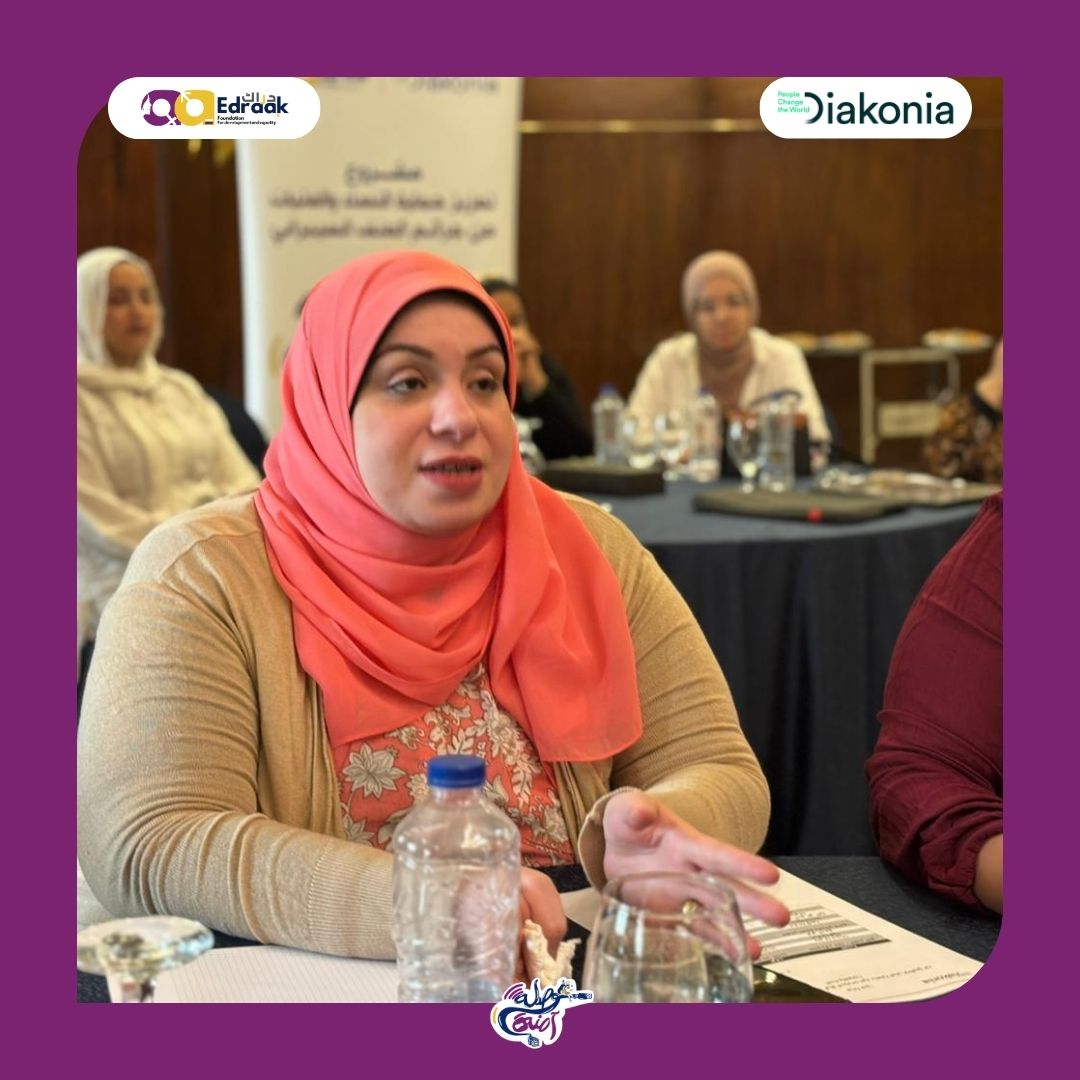
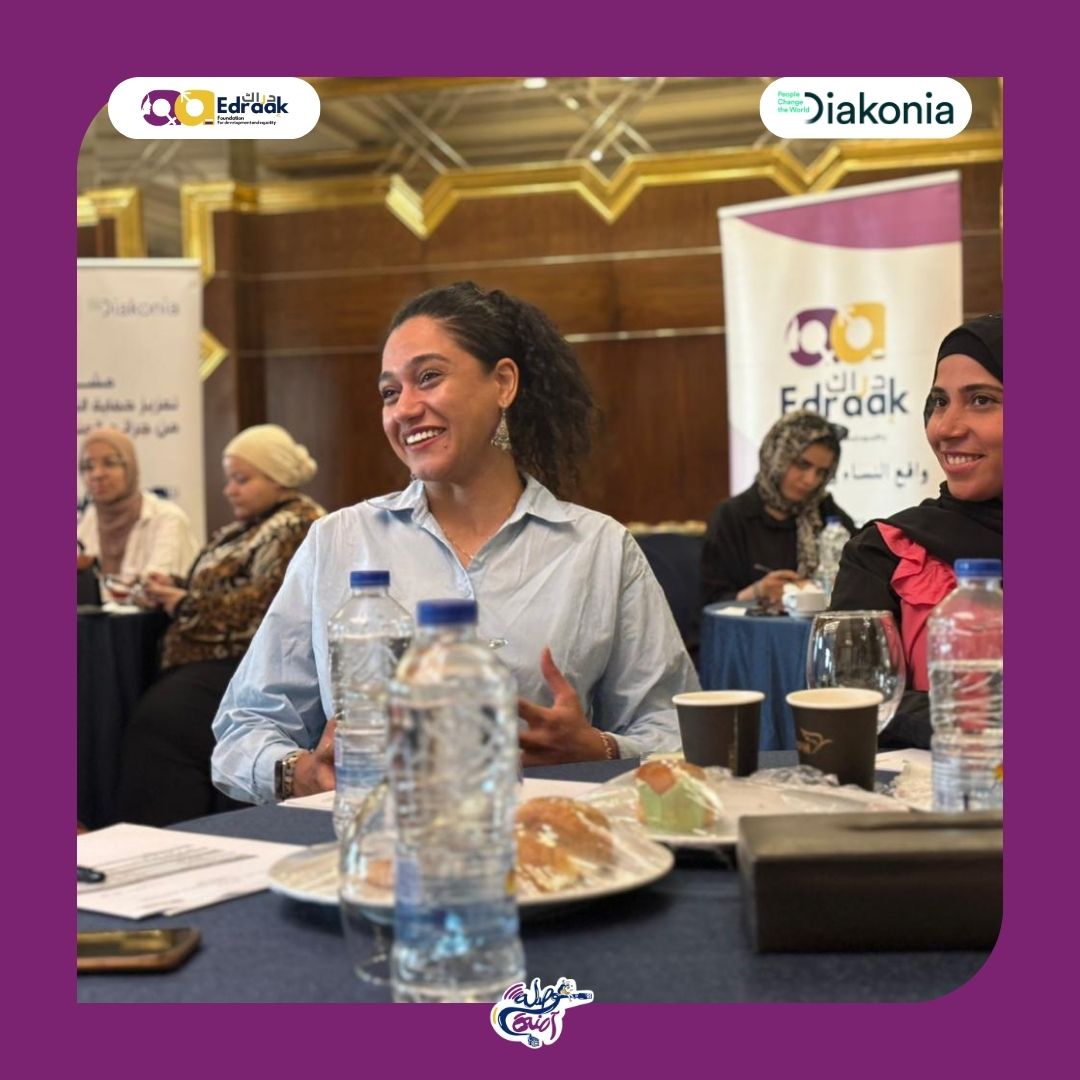
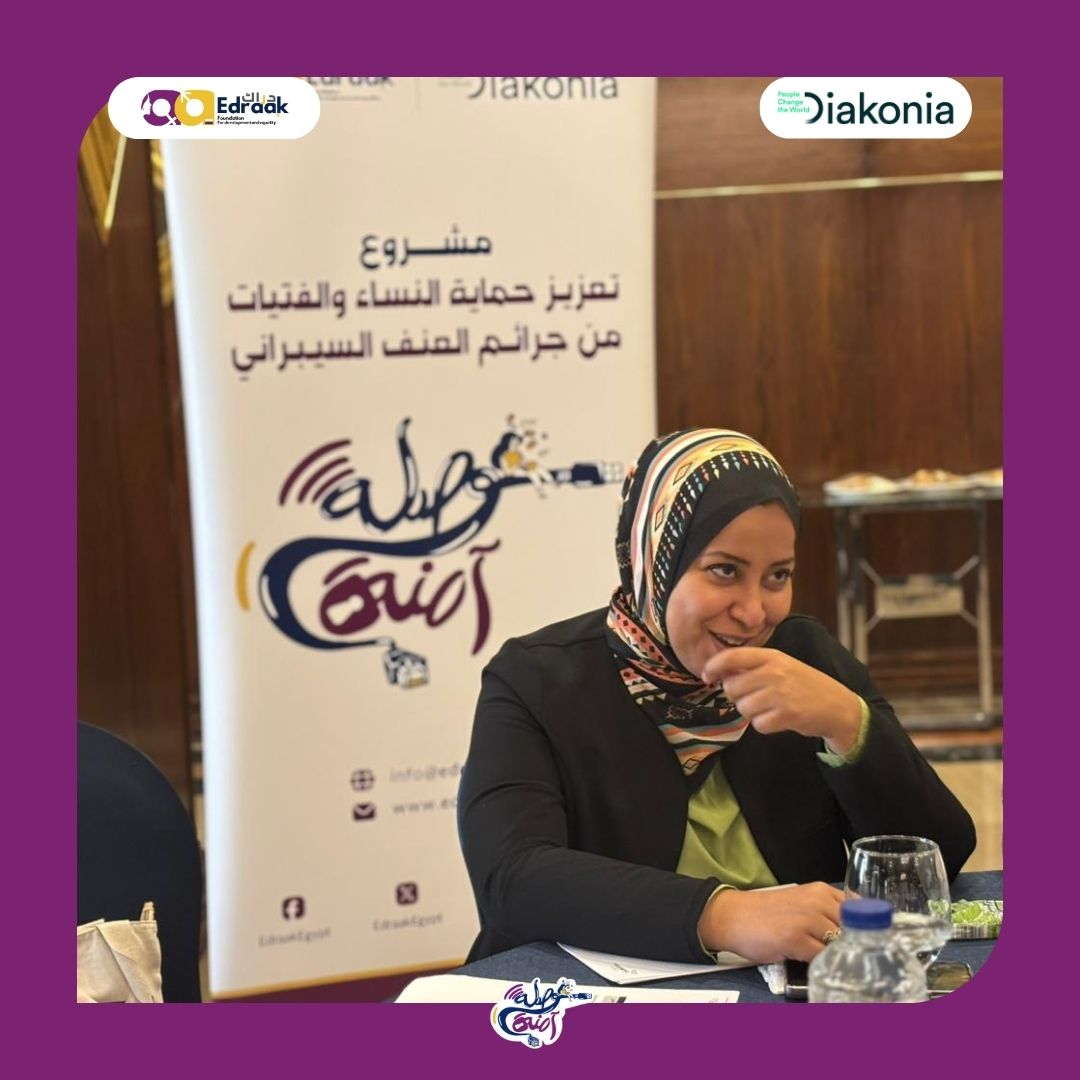
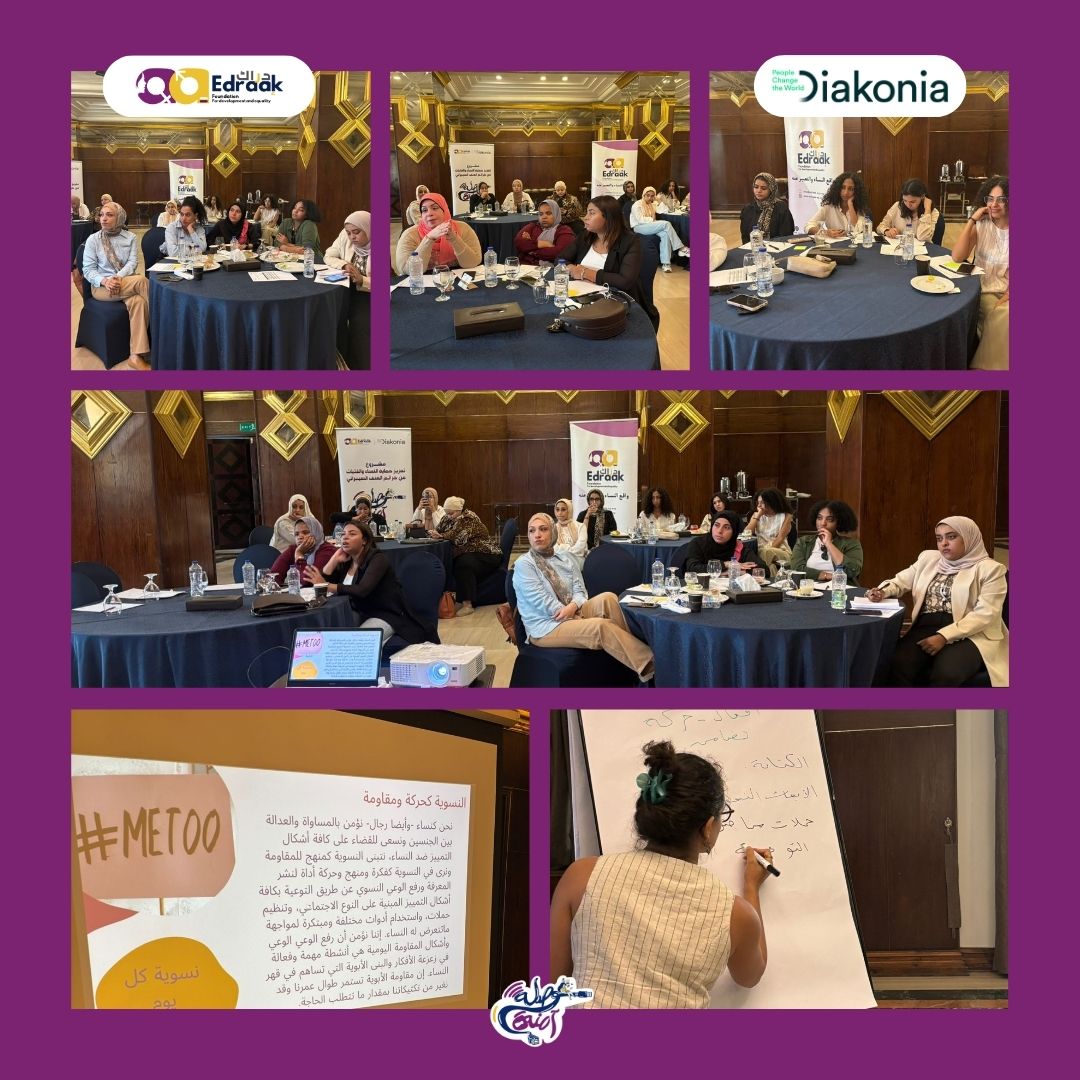
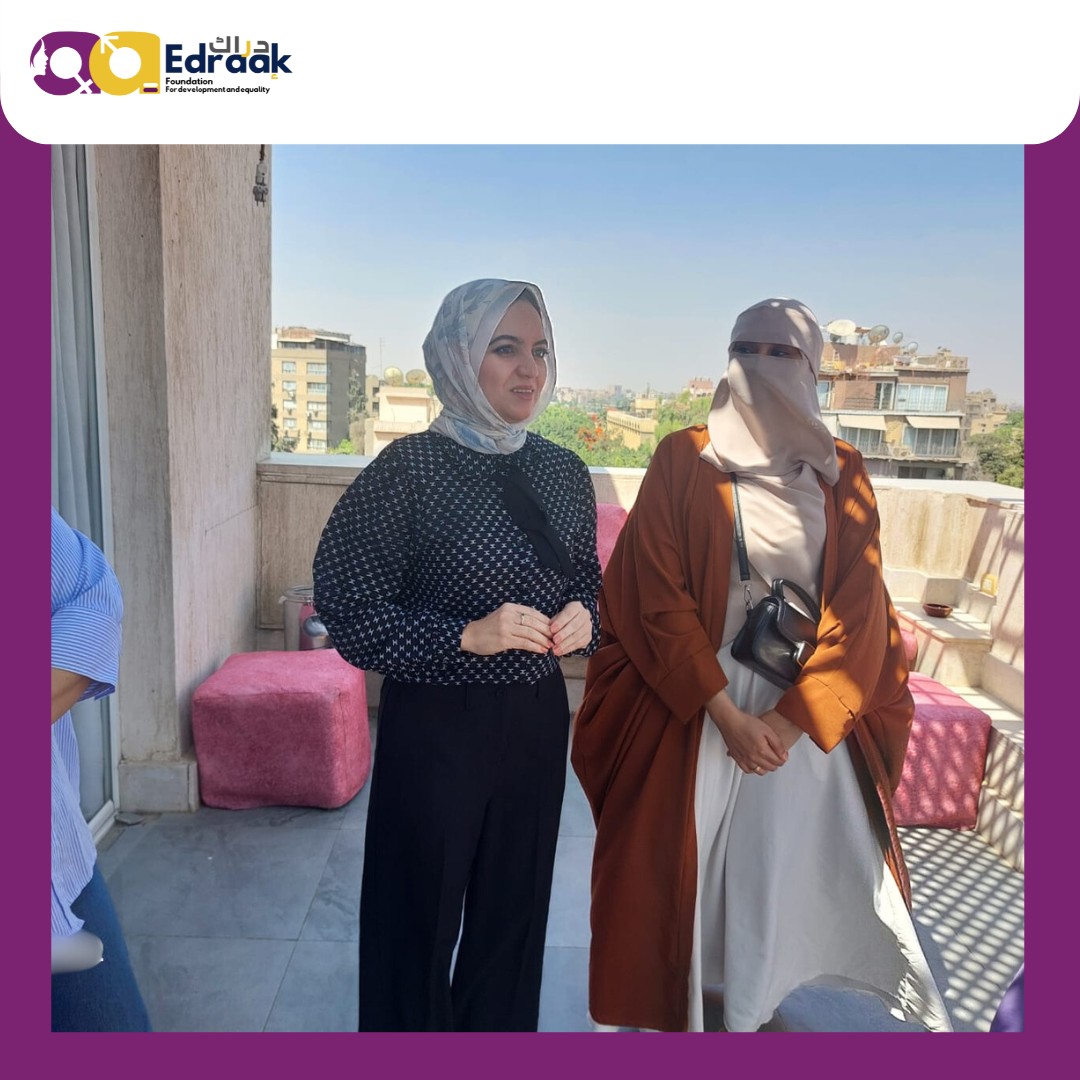
Edraak Foundation, in cooperation with Diakonia, organized the mid-term conference for the first phase of the Safe Link project (WASLA AMNA), The event brought together a wide range of participants from civil society organizations, government and parliamentary bodies, as well as women’s and youth initiatives.
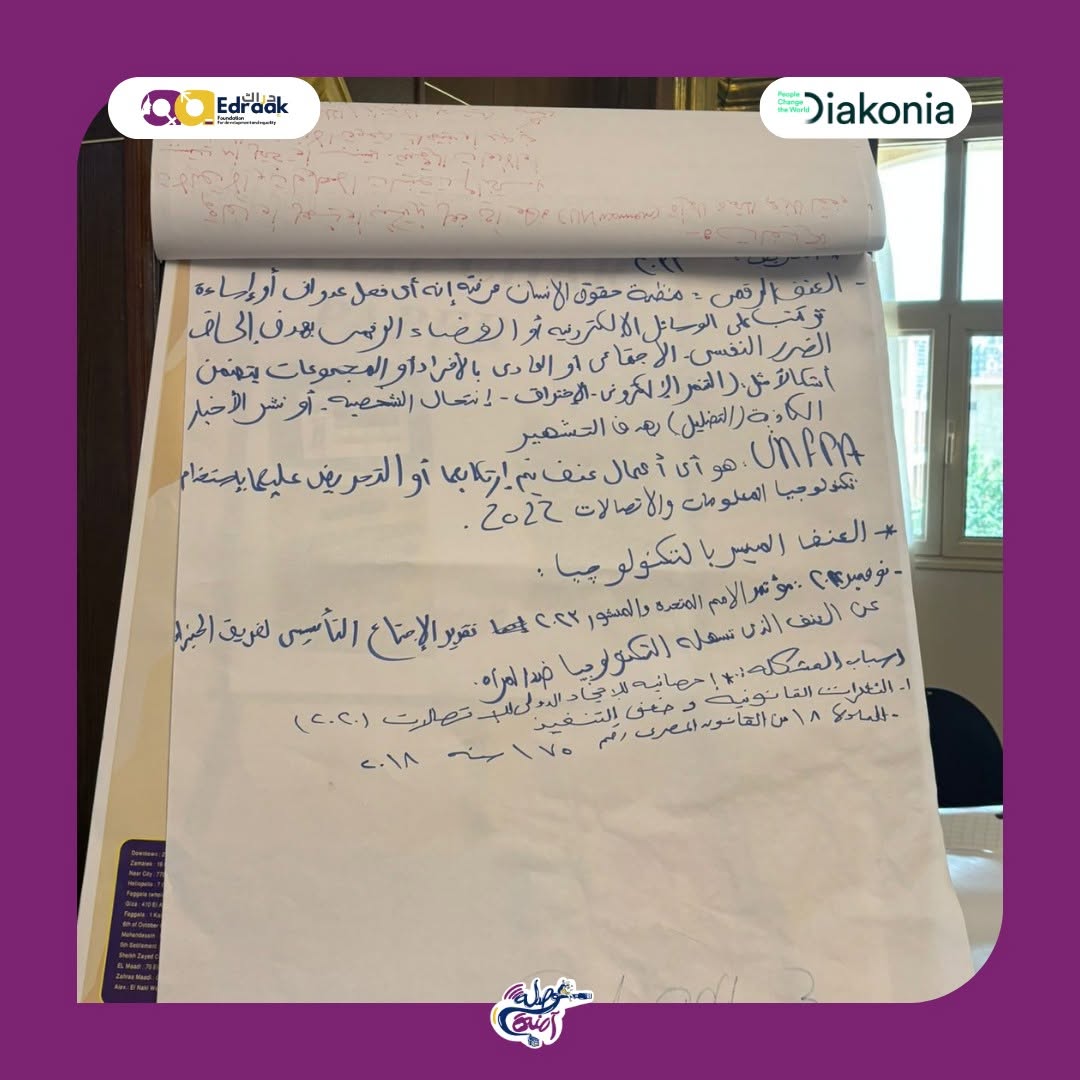
The conference addressed the threats facing women and girls in the digital space and highlighted the crucial role of women’s initiatives and civil society in combating digital violence. Discussions also explored legal challenges and reporting mechanisms, and examined the impact of artificial intelligence on bias and stereotyping.
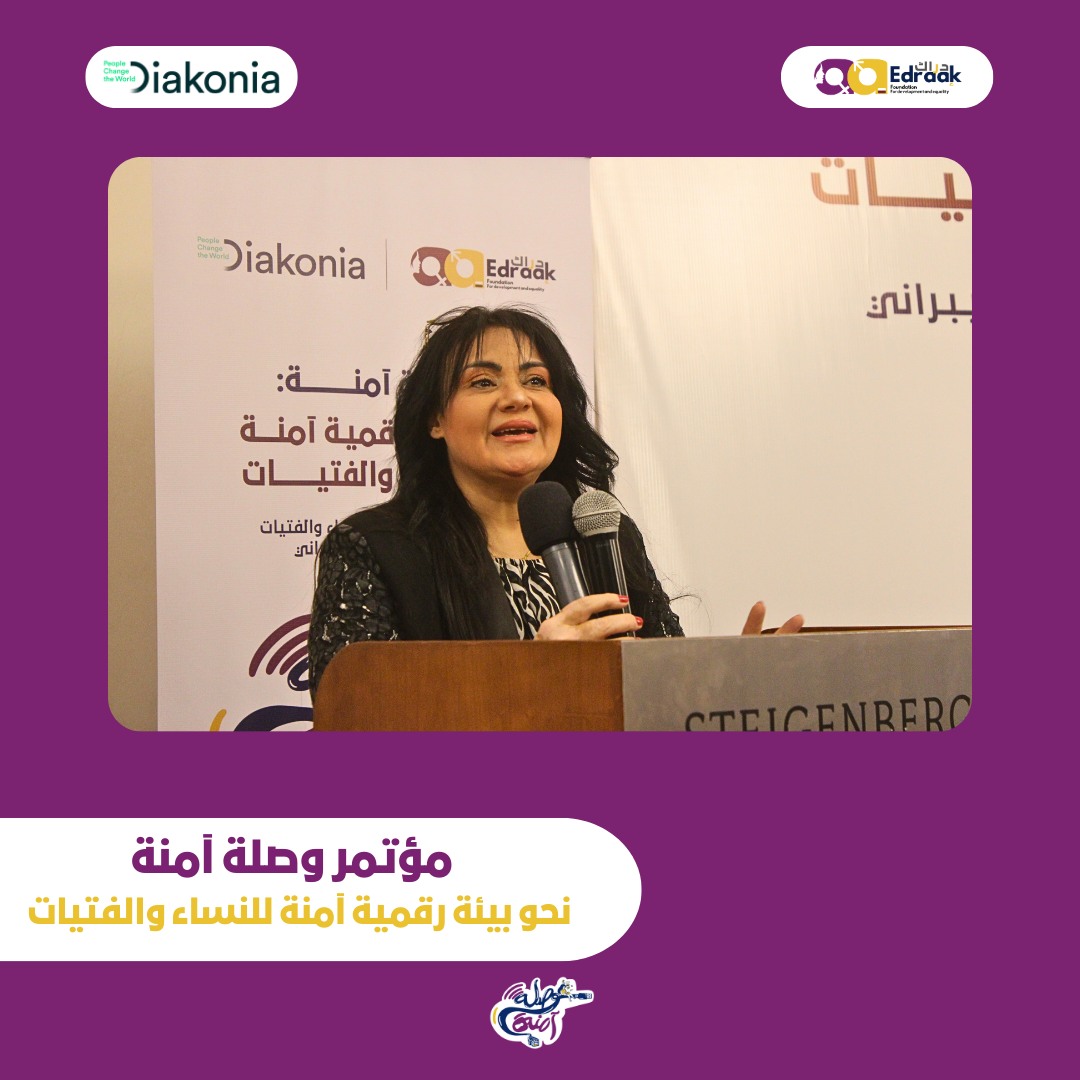
The opening session featured remarks from project partners and showcased key achievements and lessons learned from the project’s first phase, reaffirming the shared commitment to building a safer, more inclusive digital environment for all.
#SafeComm4women
#wasla_amna

How do we protect women and girls from cyber violence?

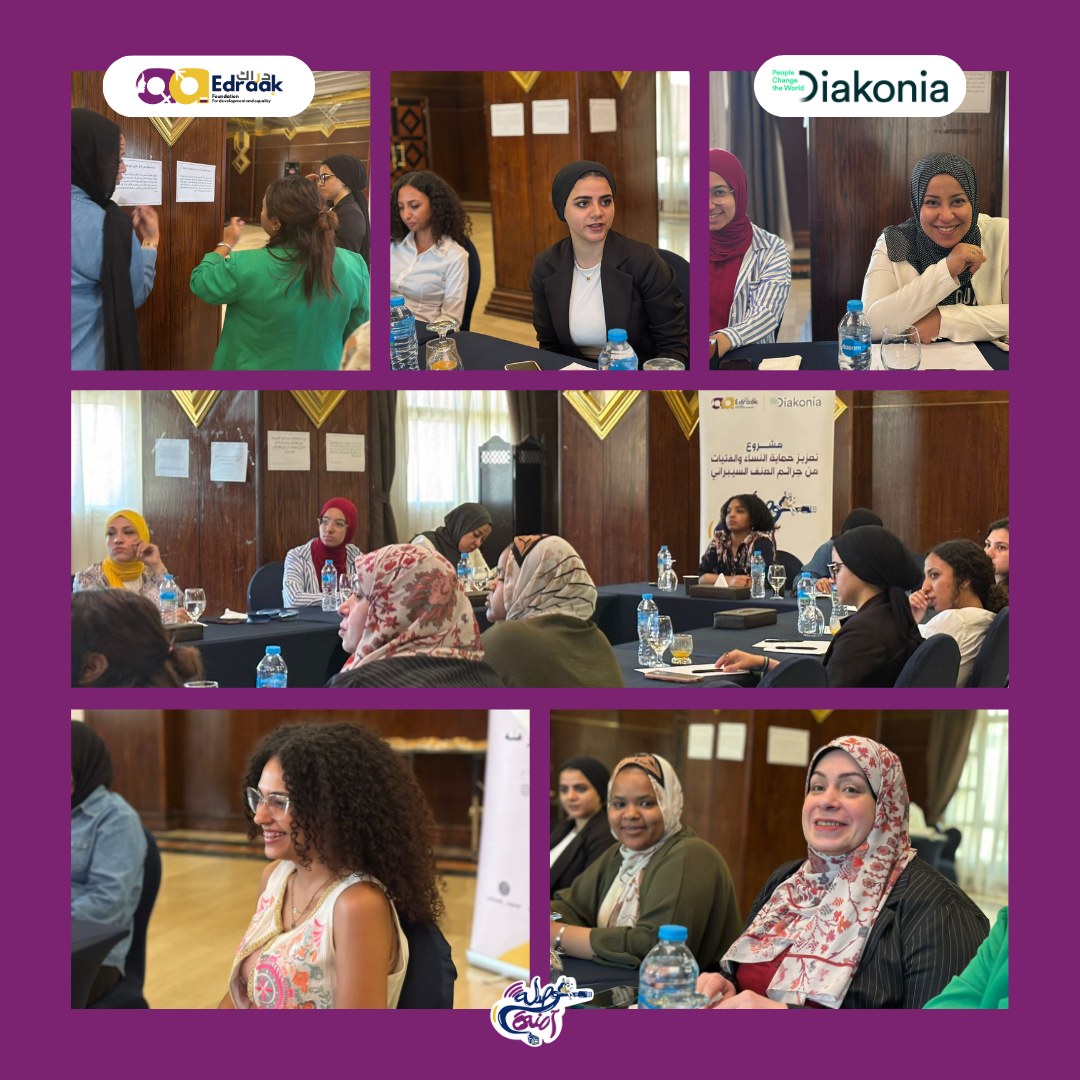
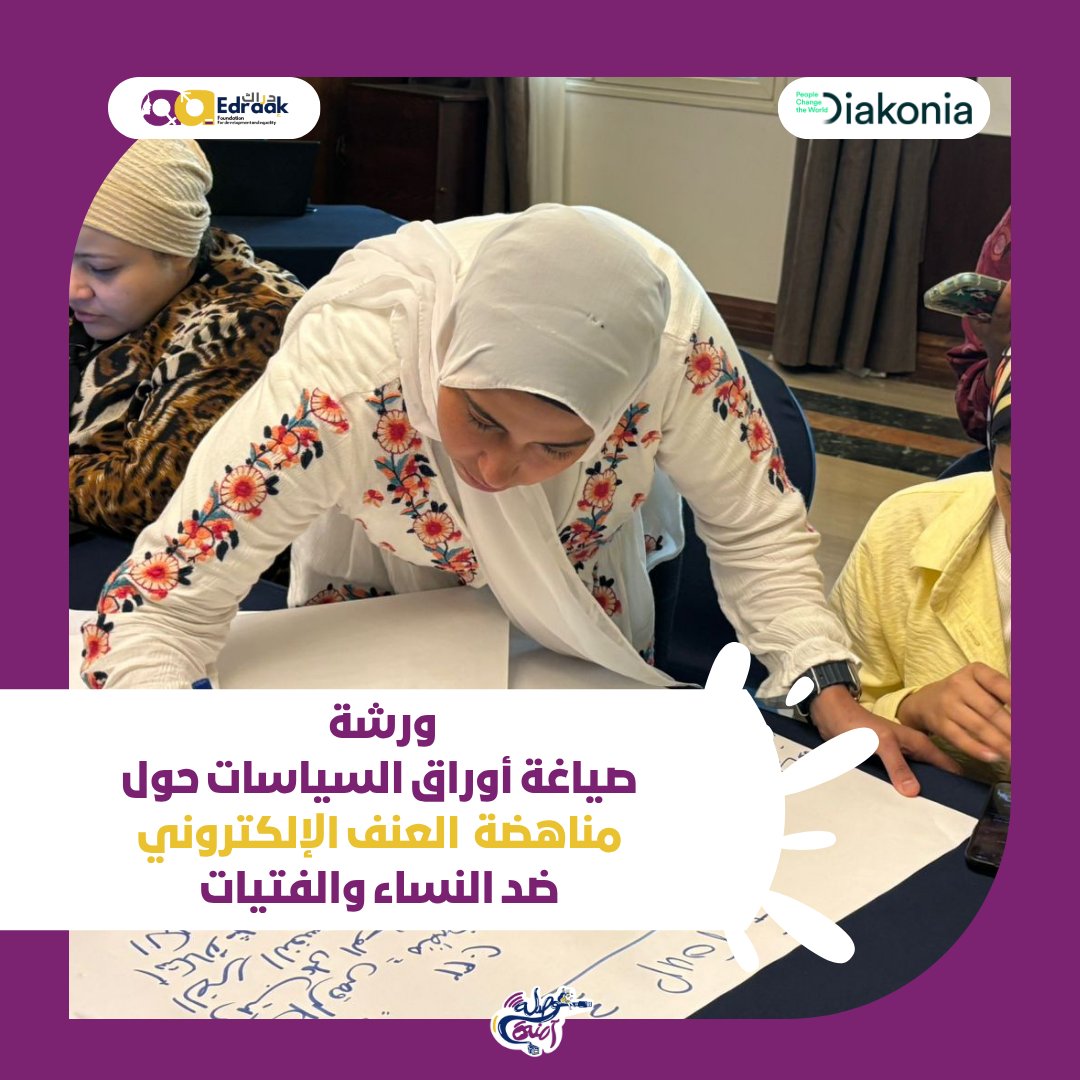
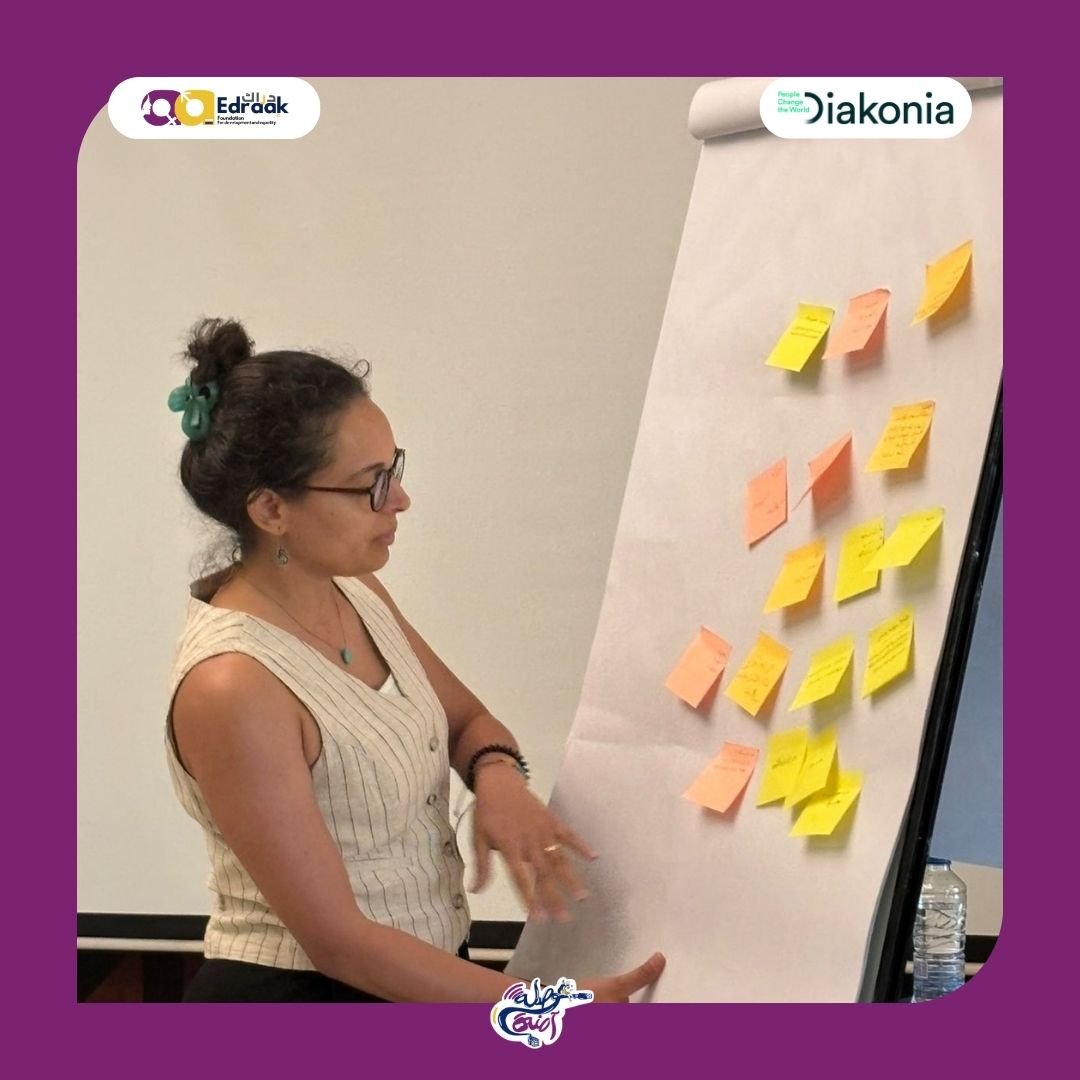
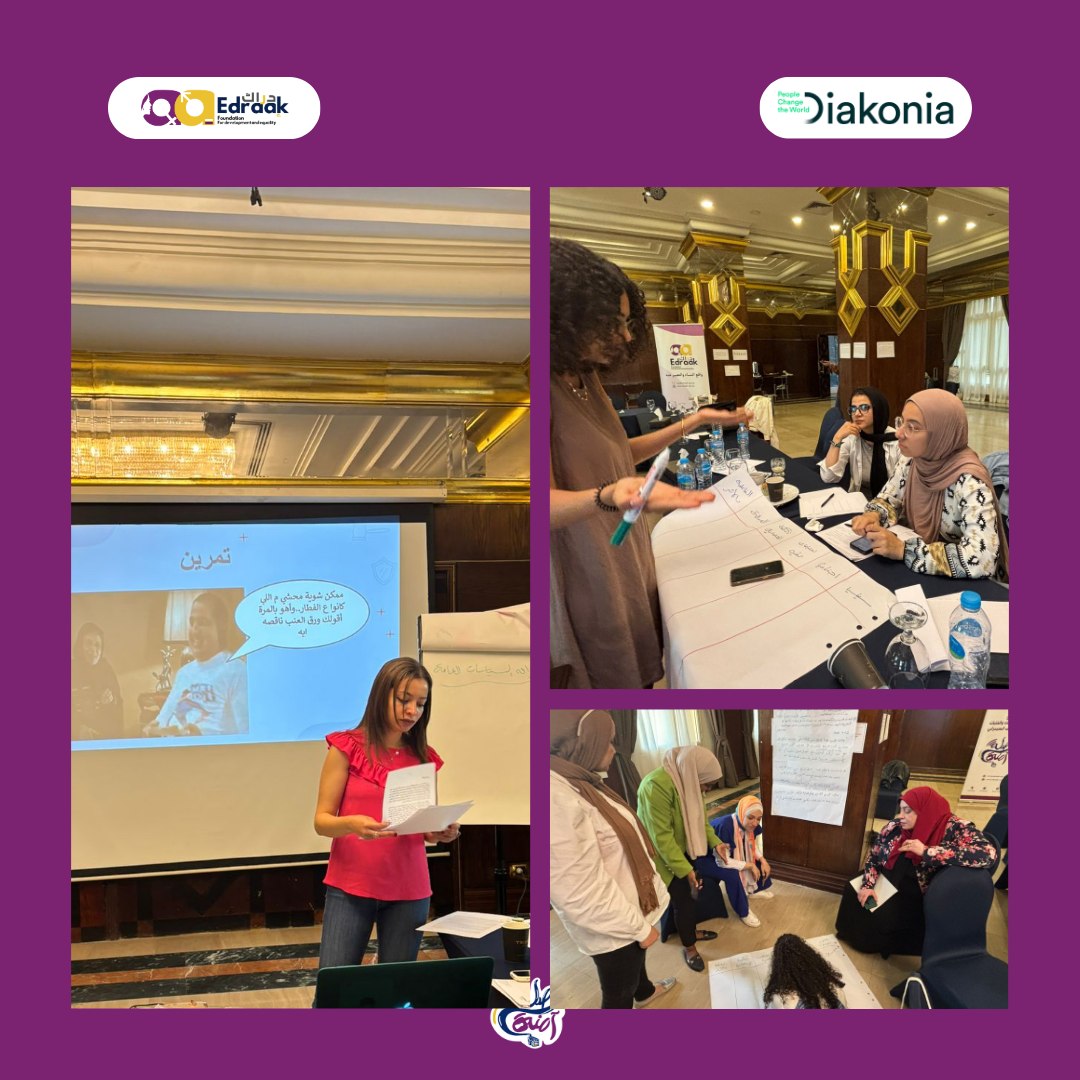
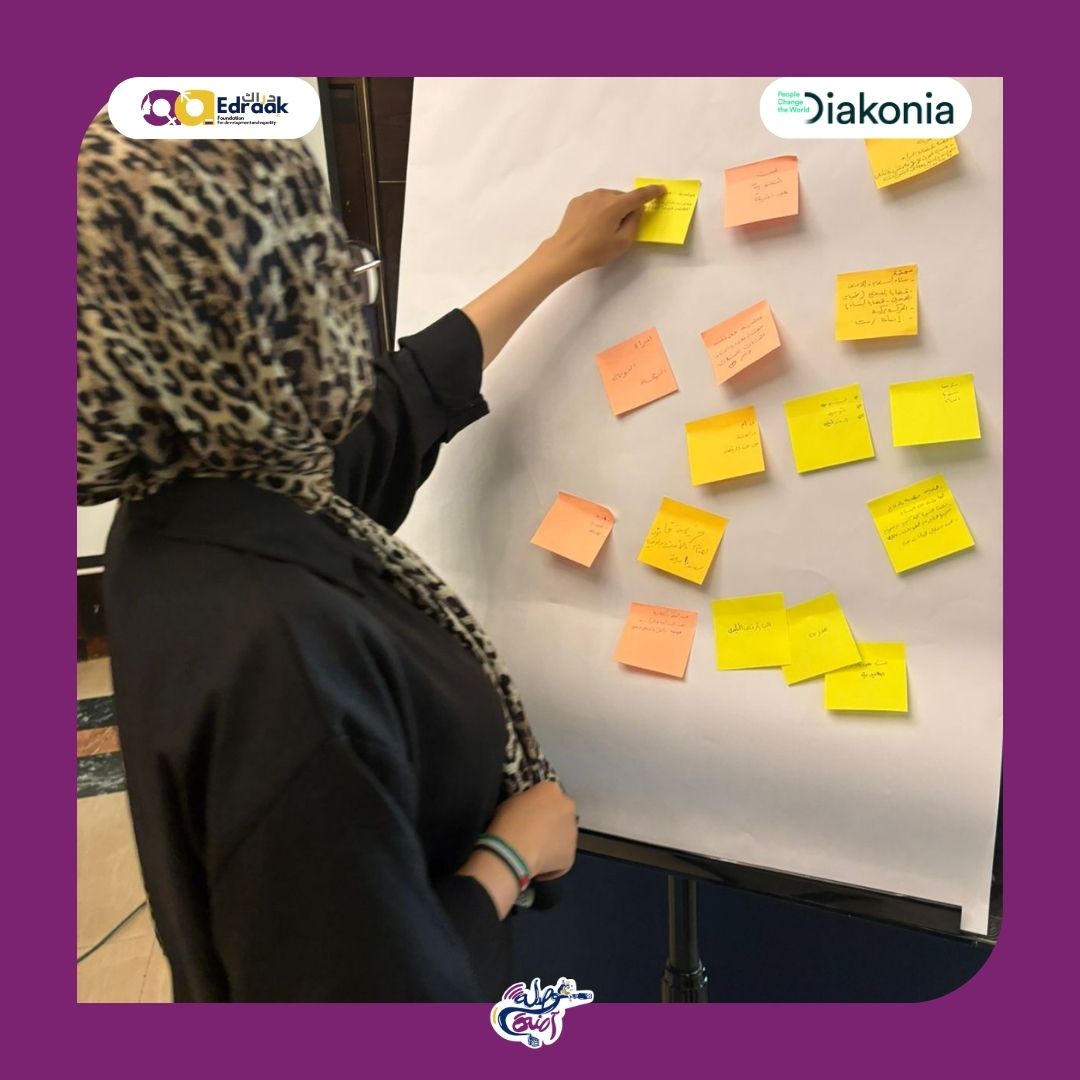
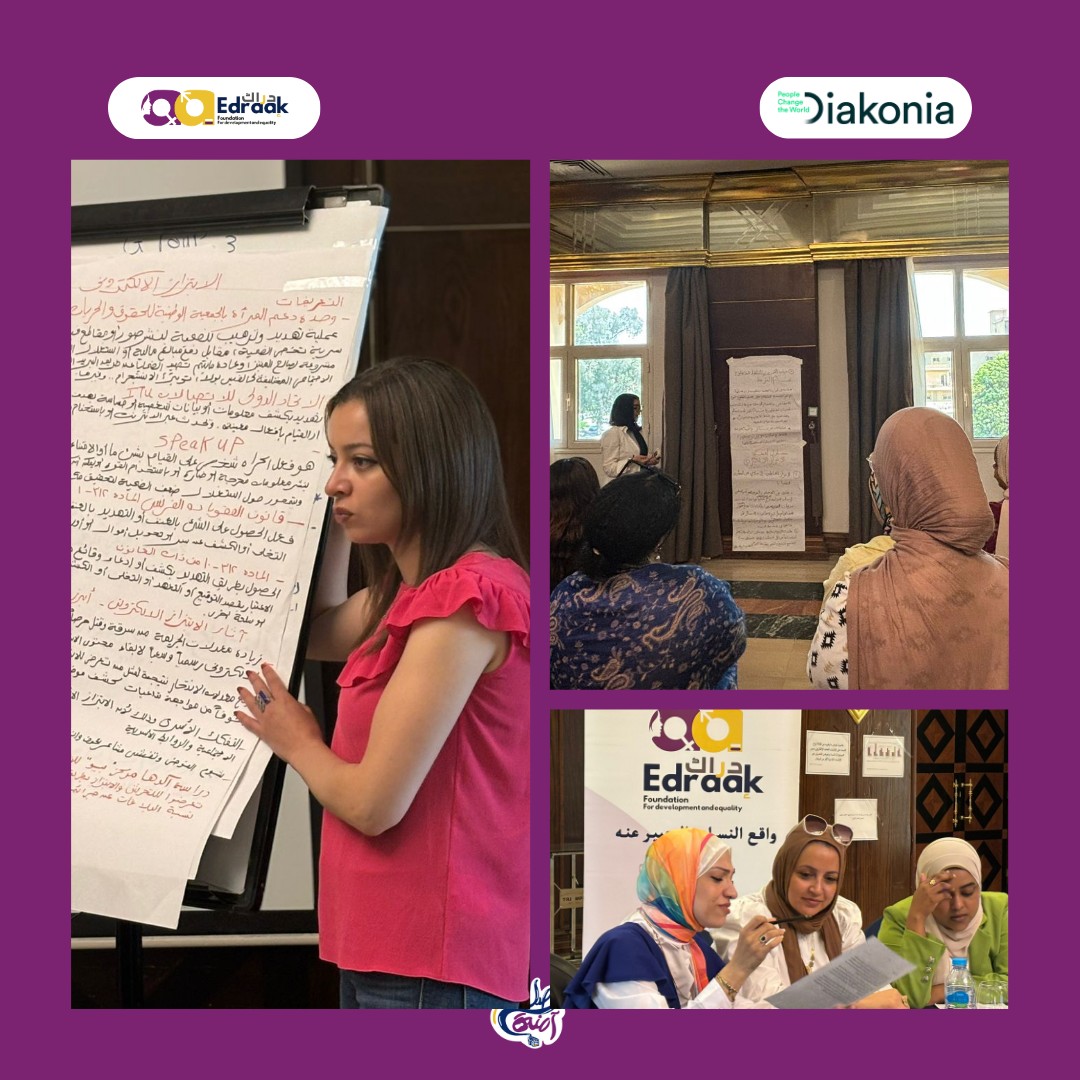
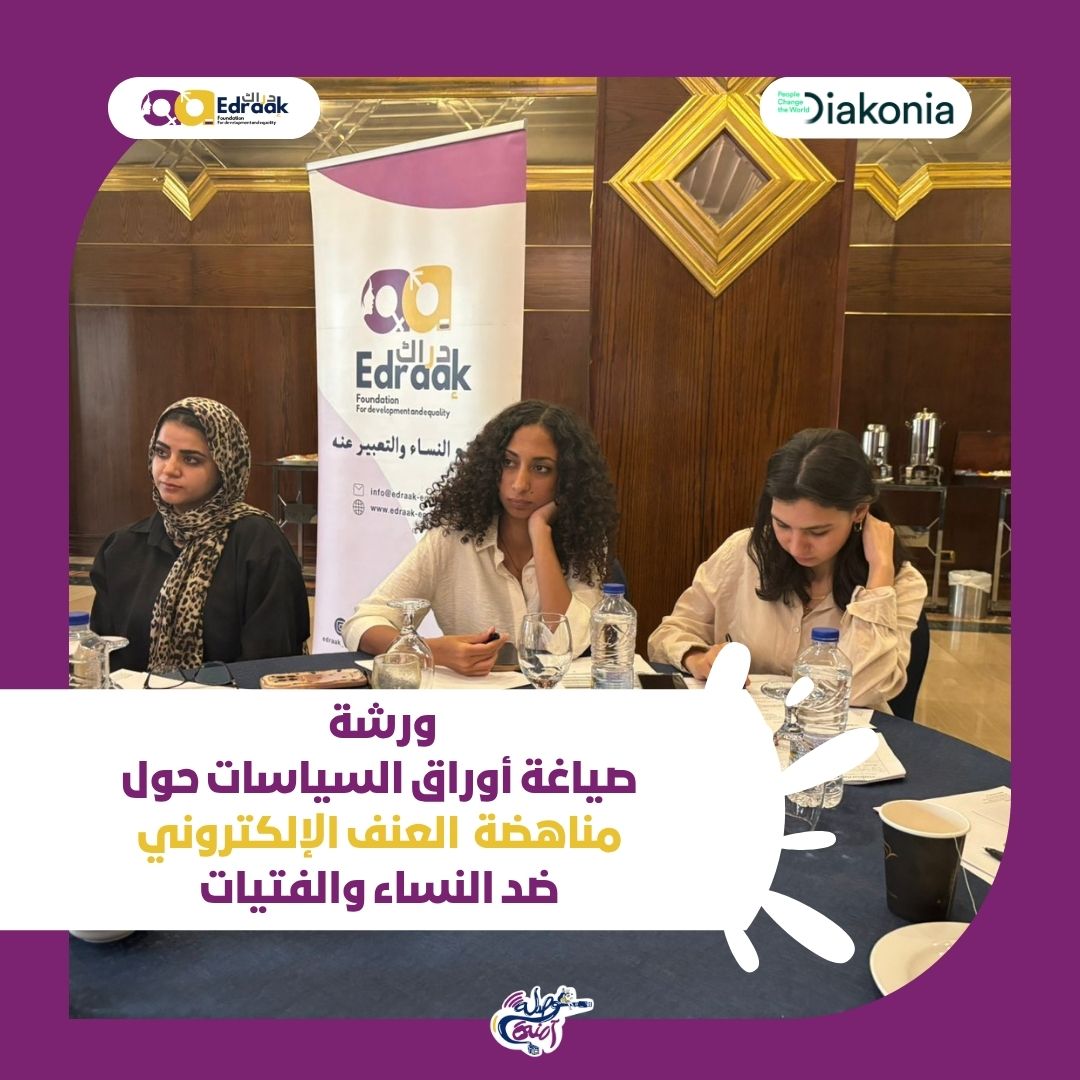
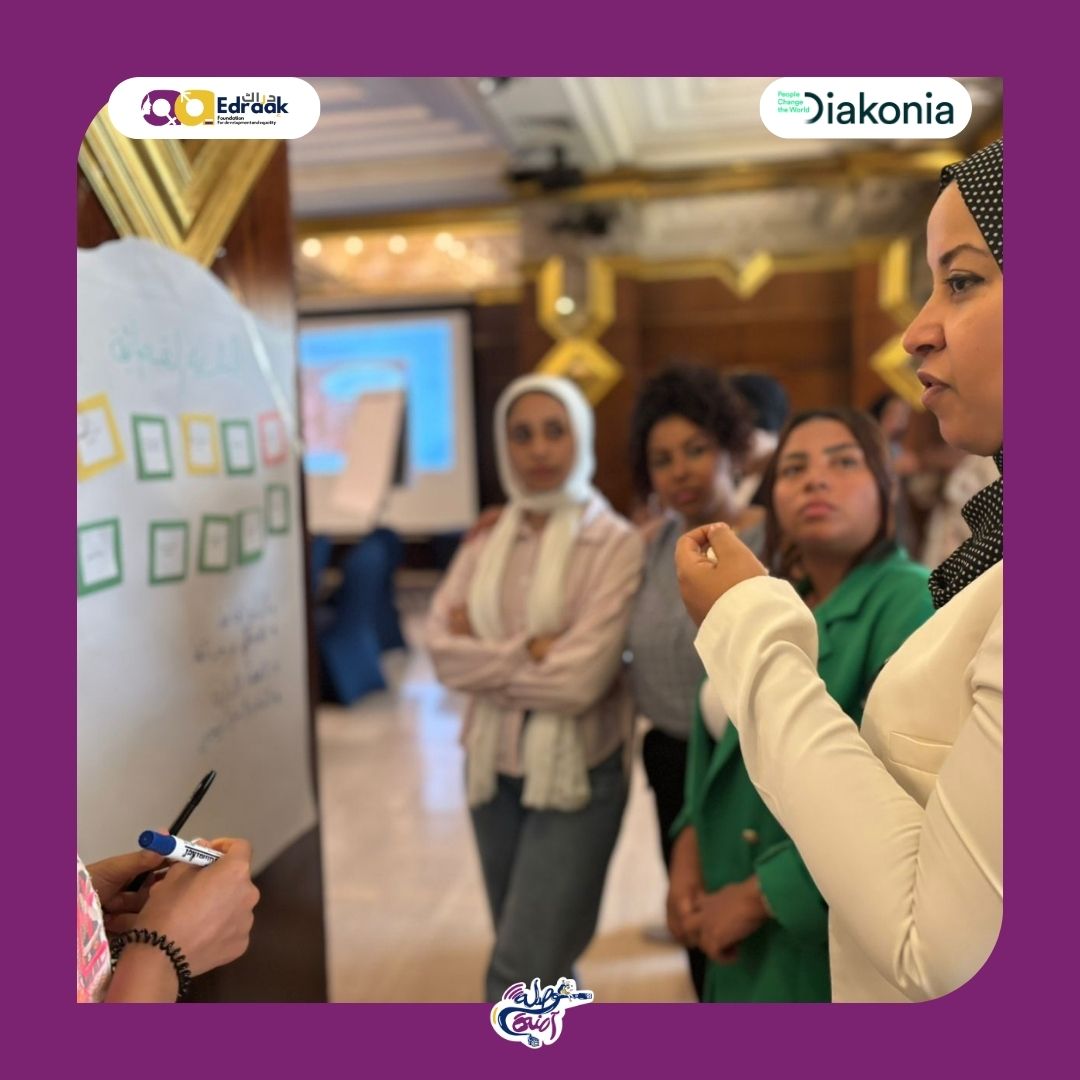
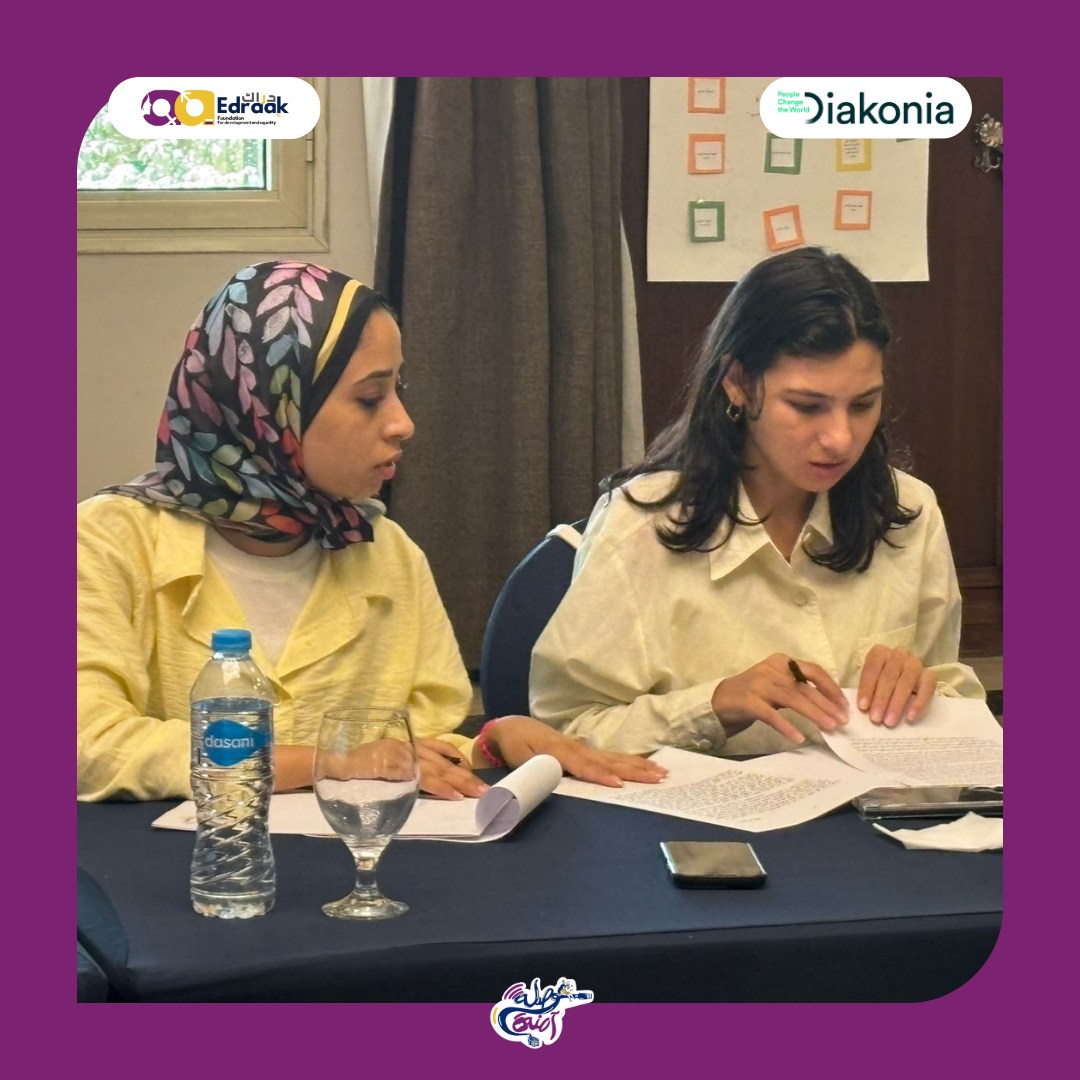
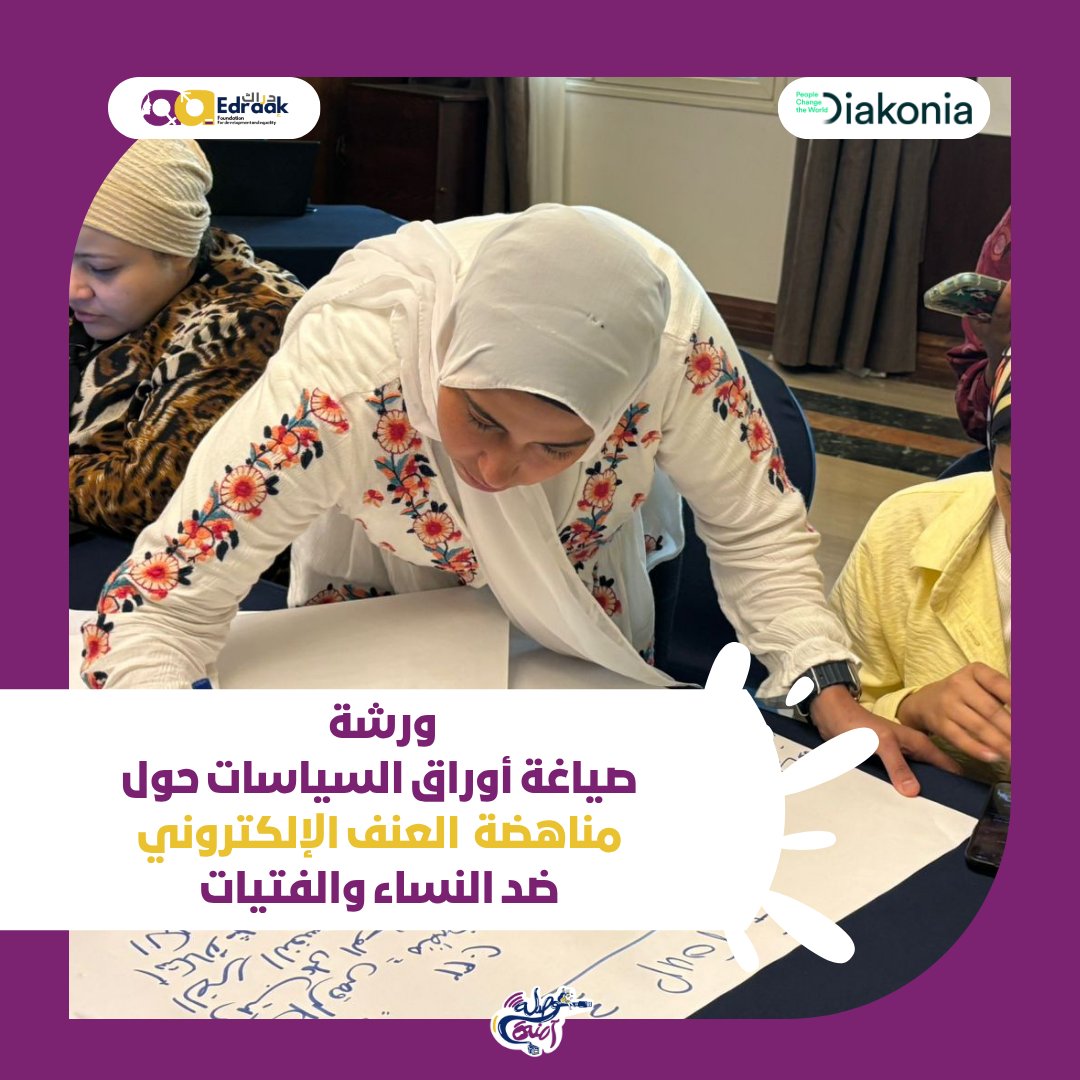
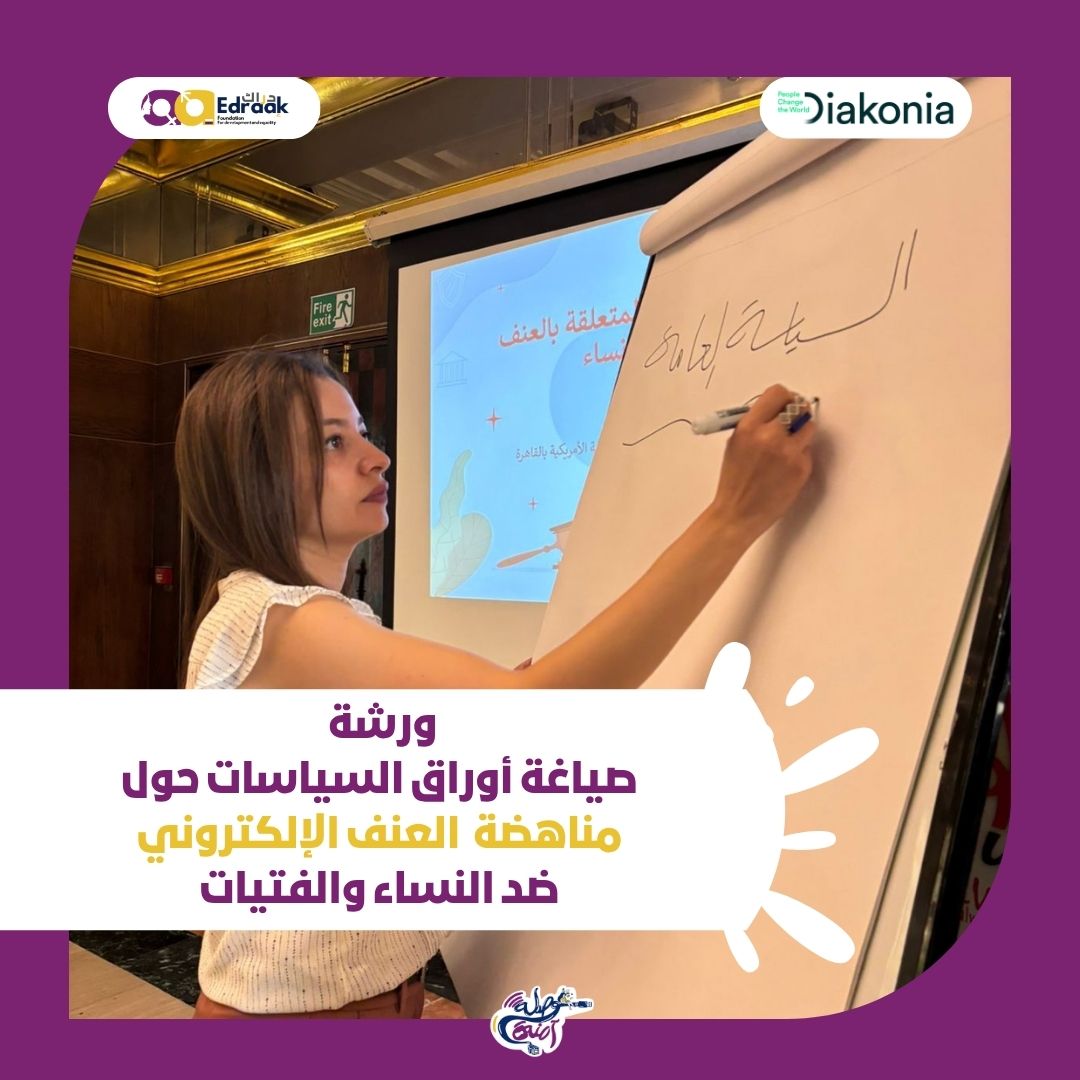
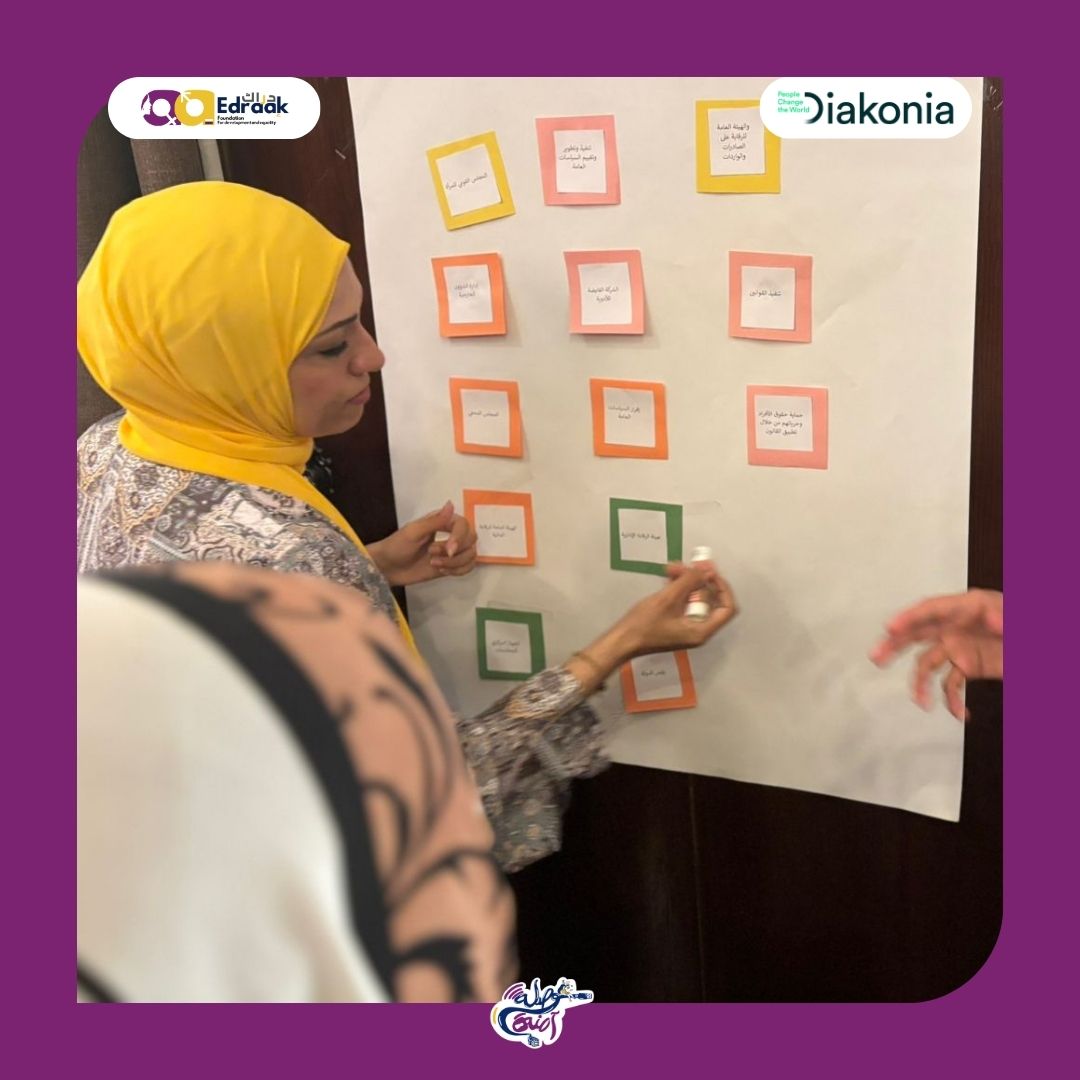
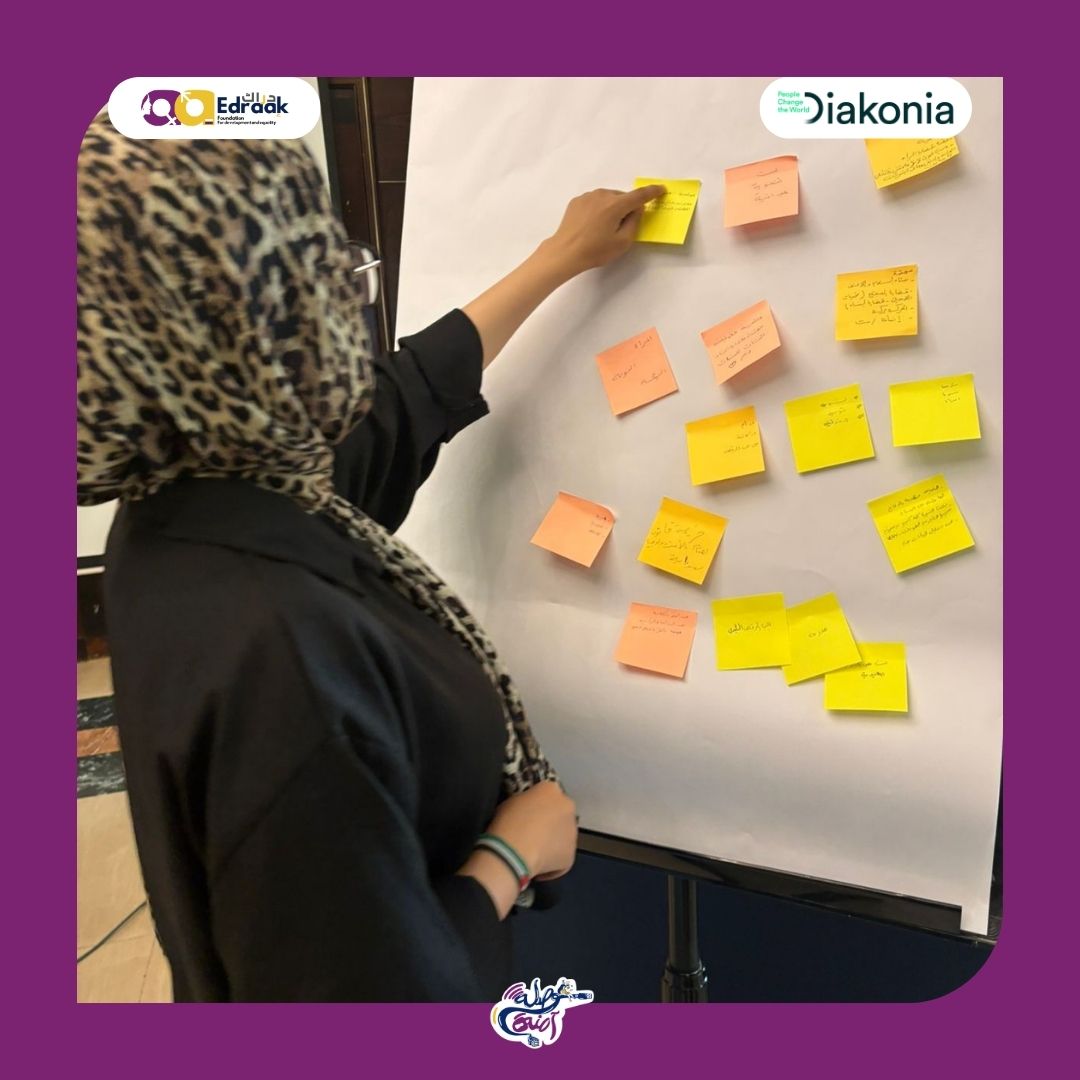
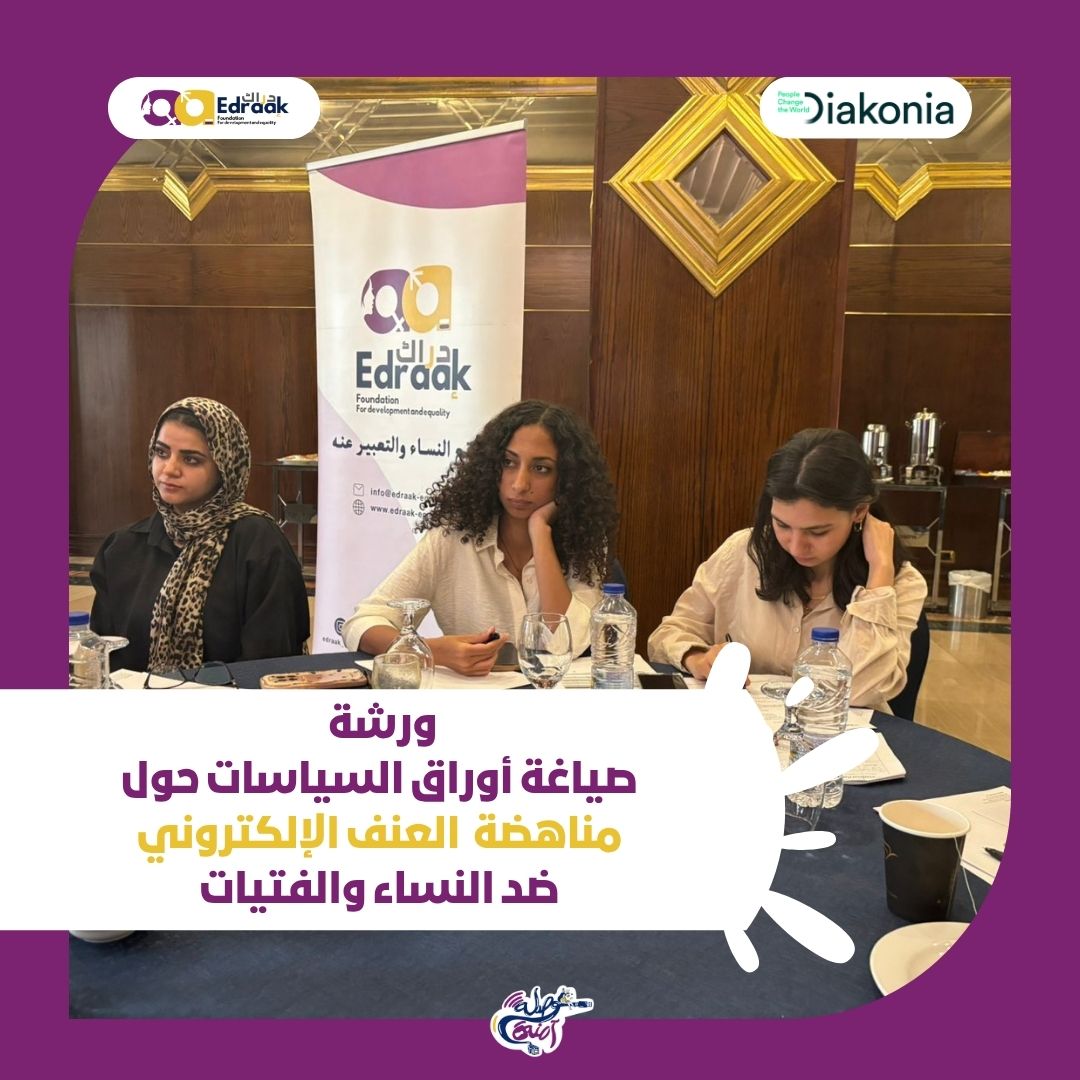
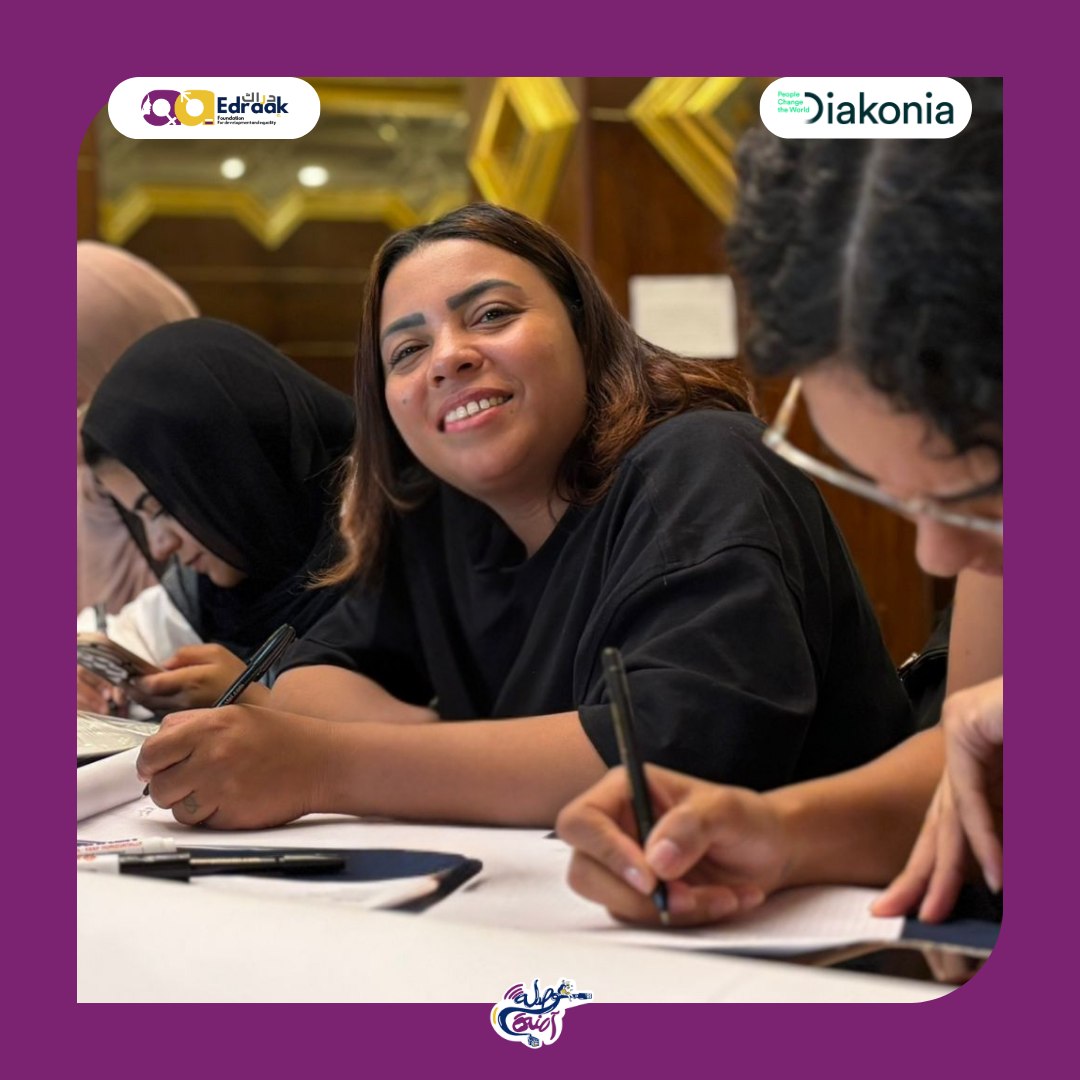
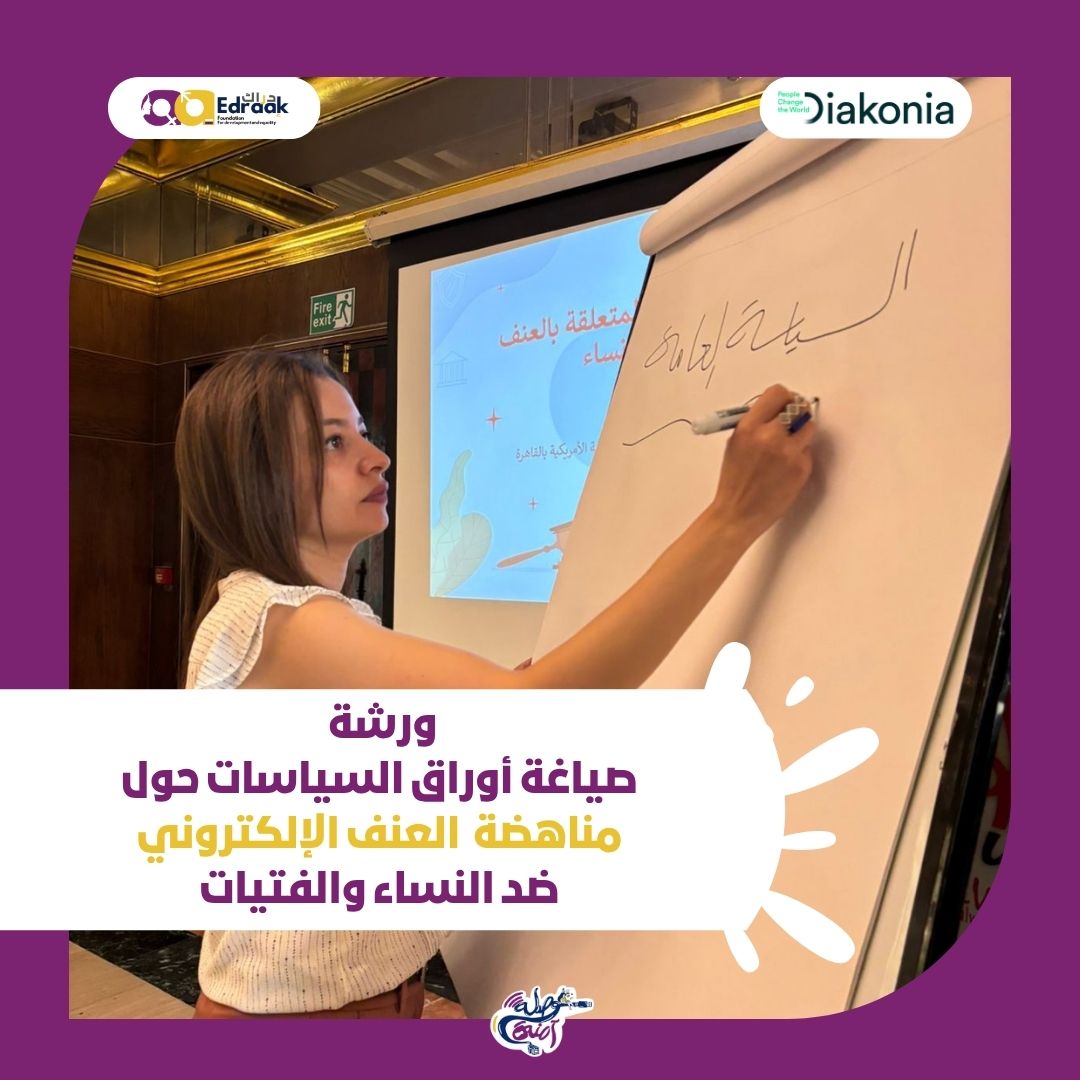
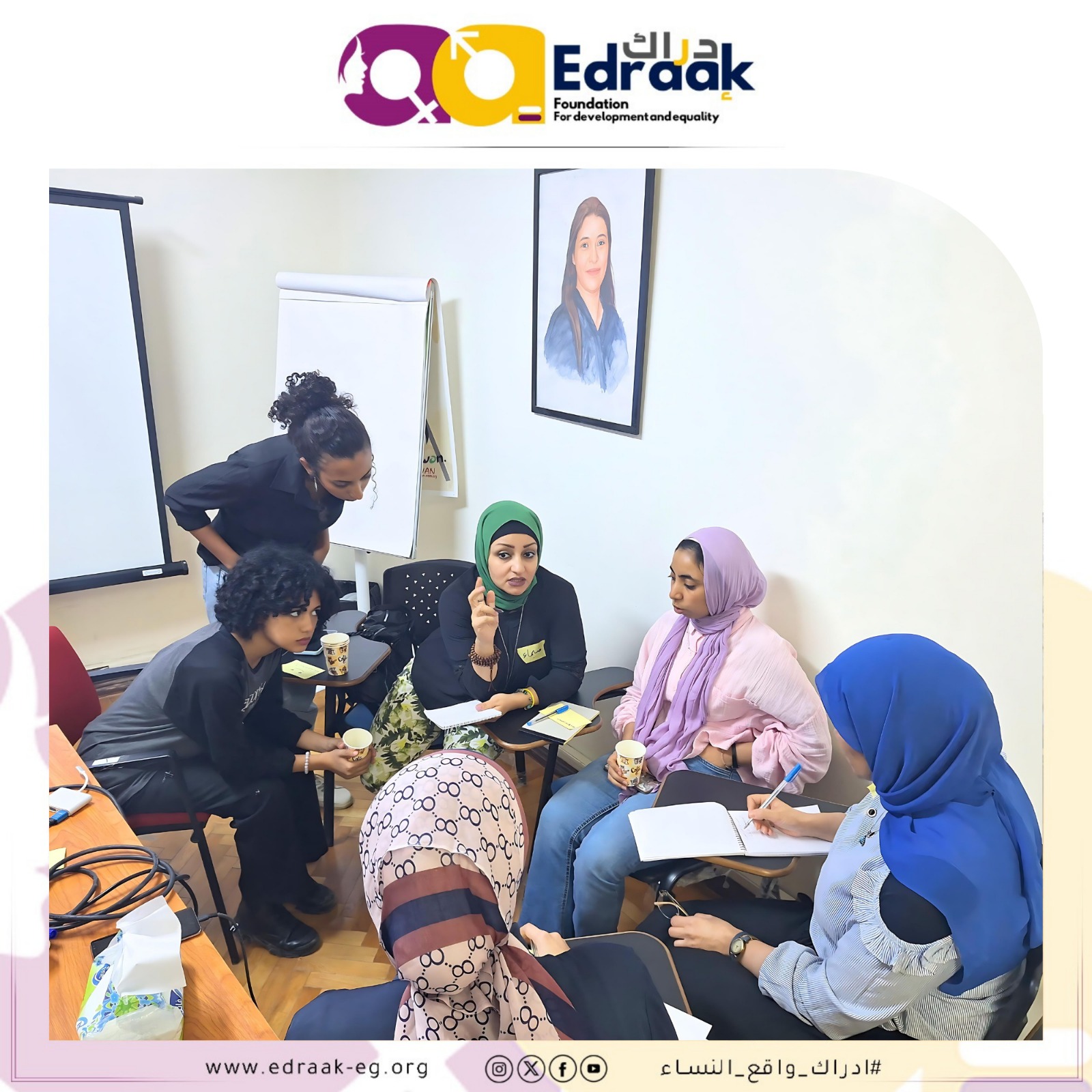
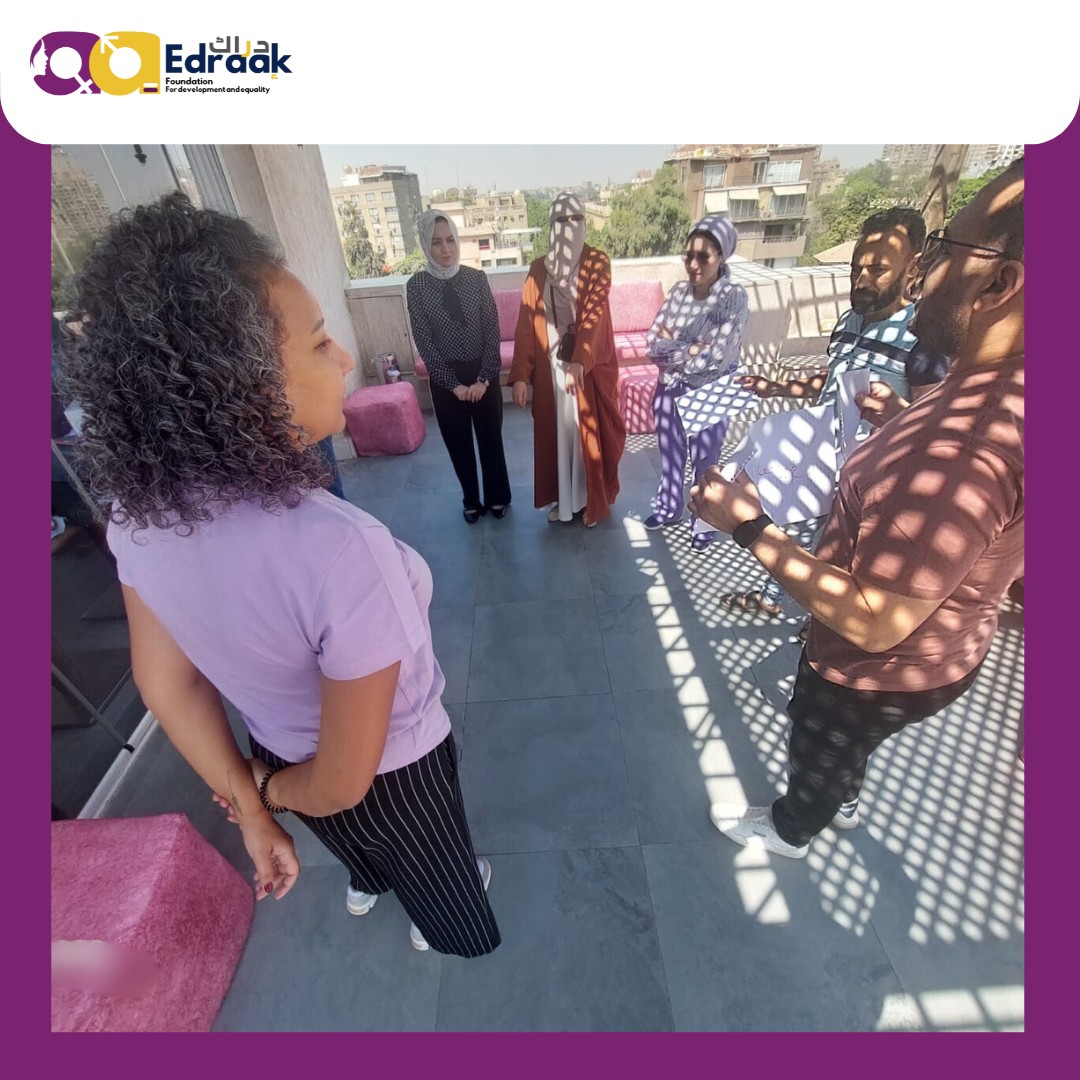
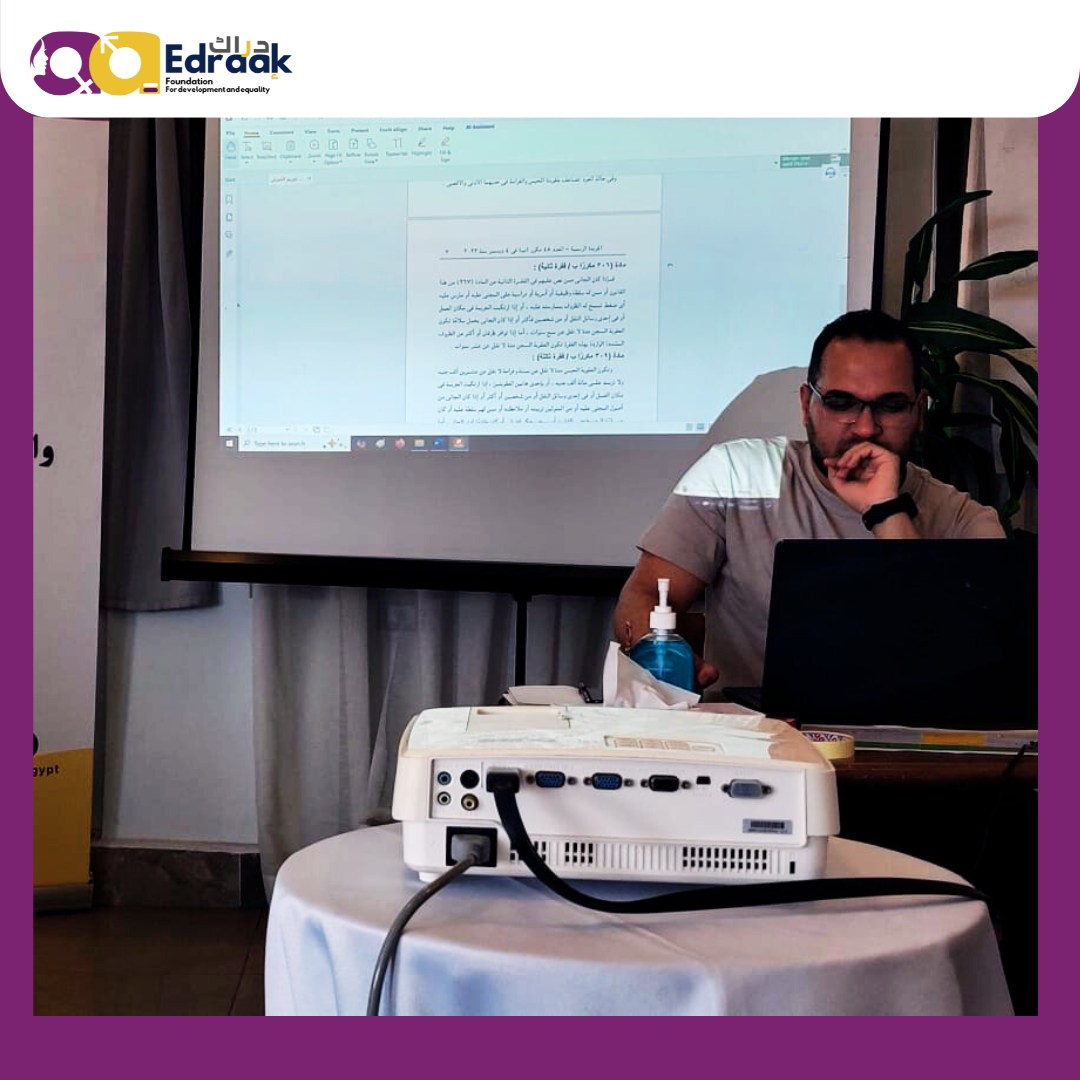
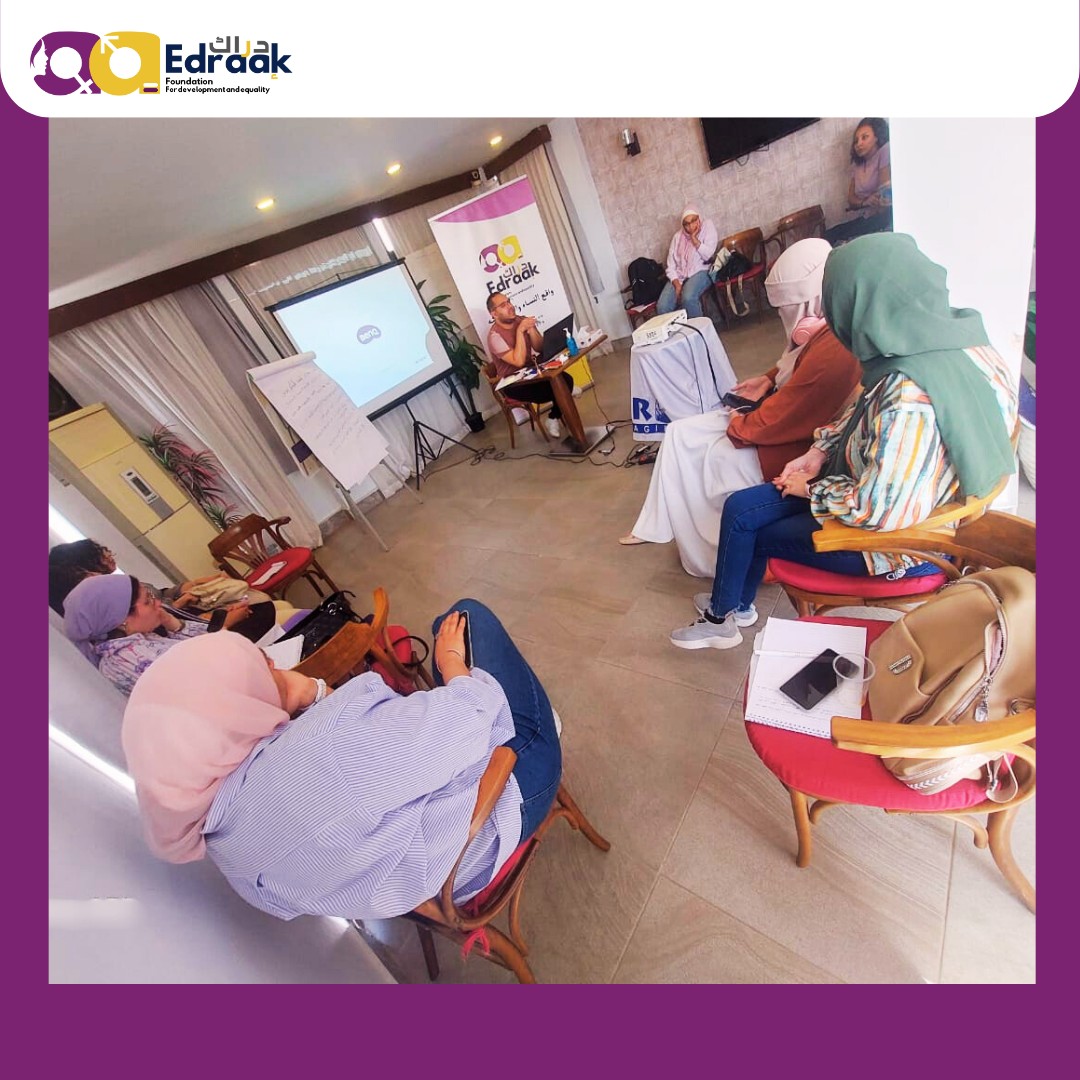
In a workshop organized by #Edraak_Foundation in collaboration with Diakonia as part of the #Safe_Connection project, feminist groups and initiatives from across #Egypt came together to exchange knowledge and build knowledge on how to analyse public policies and write policy papers from a feminist perspective.
📌 Over the3-days workshop, we discussed:
The core concepts and principles of feminism and feminist solidarity of feminism and the foundations of feminist solidarity
Forms of Gender-Based Violence
Public Policy Analysis from a Feminist Perspective
How to write good policy papers and strategies for policy advocacy🎤 The workshop was delivered by the Feminist Researcher Shaimaa Tantawi, focusing on core concepts of feminism and feminist solidarity, and the Feminist Researcher Gehad Rawy, focusing on public policy analysis from a feminist perspective. Through interactive sessions, the workshop blended knowledge and experience aiming to reshape digital policies that work to ensure women’s safety, security, and fair participation in cyberspaces. be more just and safe.
📹 Watch the participants answer the question:
“What does it mean to be a feminist? And what stereotypes do you encounter when you say you’re a feminist?”
🔗 Follow us to know more about the tools for change and workshop outcomes on our path toward a more just and safe cyber spaces for women and girls.

#CyberViolenceIsACrime
#FeminismIsNotAnInsult
#SafeConnection
#EdrakFoundation

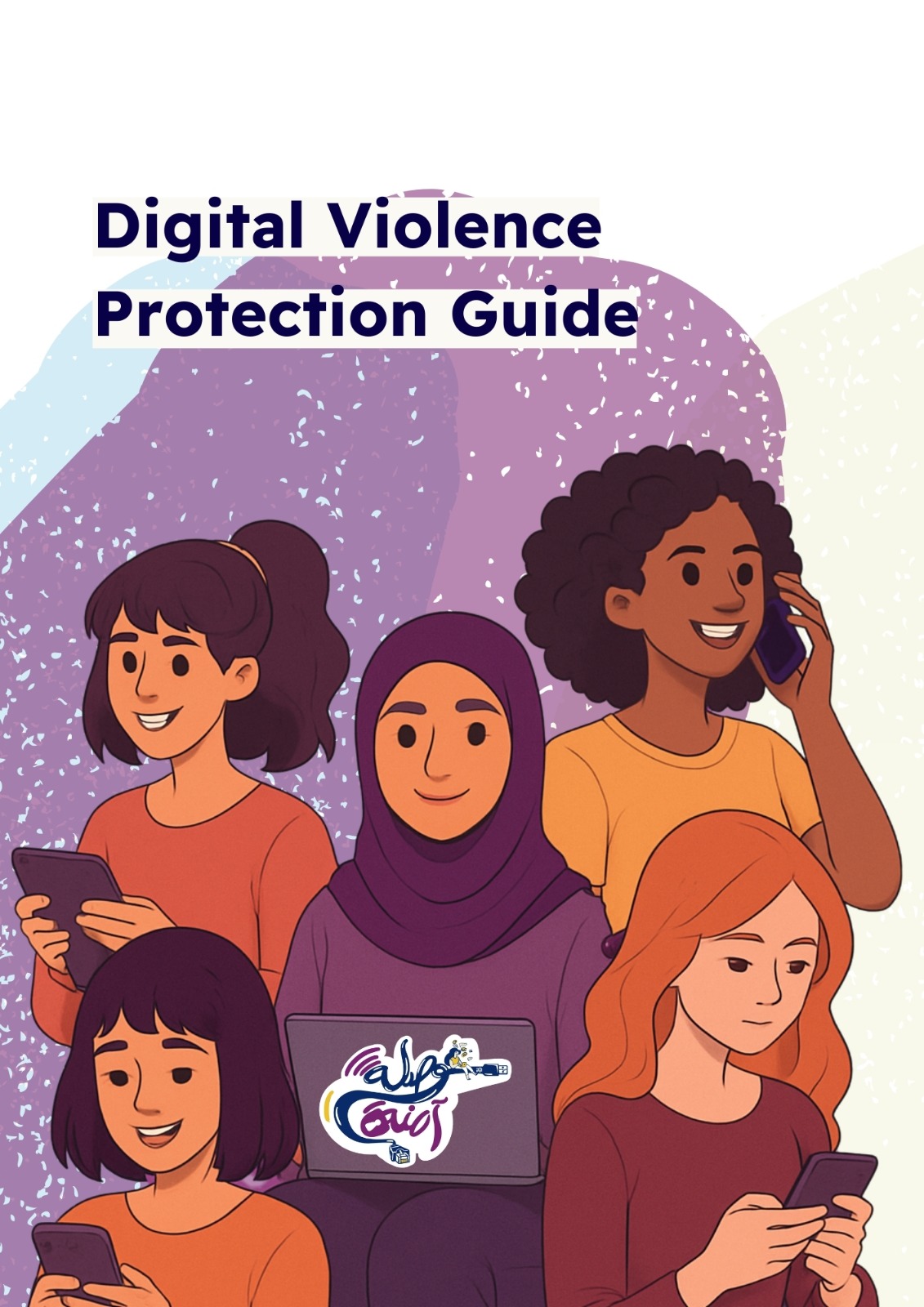
Guidance Manual for Protection from Digital Violence

This manual was developed as part of the “Strengthening the Protection of Women and Girls from the Threats of Online Violence” project, implemented by Edraak in collaboration with Diakonia. It aims to create a safe and sustainable digital environment that enables women and girls to express themselves with freedom and privacy.

The project seeks to empower women and girls to understand their digital rights and strengthen their ability to take practical measures to protect themselves from online abuse and confront digital violence. This is achieved by promoting a culture of digital safety, raising awareness of digital threats and available protection tools, and placing particular emphasis on supporting survivors and encouraging the reporting of incidents. The project also focuses on building partnerships with civil society organizations, feminist and student groups, and educational institutions to disseminate the knowledge and skills necessary to enhance digital safety at the community level.

The manual draws on examples informed by real life cases in which women and girls were subjected to multiple forms of digital violence. It also documents developments driven by feminist initiatives and organizations working on digital rights, alongside recent progress in legal frameworks and reporting and enforcement mechanisms. These shifts have been strengthened through sustained efforts to spotlight the issue working with women and girls who chose to confront digital violence and advocate for safer digital spaces for everyone.

The manual outlines different forms of digital violence and presents relevant procedures, reporting mechanisms, and protection measures, helping users distinguish between available options. It prioritizes practical steps for legal and digital protection. Accordingly, this manual is not a general introduction to digital safety; it focuses specifically on gender-based digital violence.

To view the full Arabic version of the guide, please use the following link: (For translated editions, please contact us) _الدليل الإرشادي وصلة آمنة

The second meeting of the Reproductive and Sexual Health Task Force

The Reproductive and Sexual Health Task Force held its second meeting of 2025 with the participation of several institutions and initiatives working in the field of sexual and reproductive health and rights. The meeting marked a significant expansion in the task force’s membership, growing from seven to eleven participating organizations, following the inclusion of Bar Aman, Manara, 6 Aman, and Bastet. This expansion reflects the increasing momentum toward collaboration and joint efforts to enhance public awareness of reproductive and sexual health in Egypt.

The session featured extensive discussions on preparations for launching a new digital awareness campaign targeting young men and women. Participants emphasized the importance of developing culturally sensitive and accessible digital content that communicates key messages in a realistic and relatable way. The discussion also focused on creating unified messaging across different platforms and initiatives to ensure consistency and maximize the campaign’s outreach and impact.

Participants exchanged field experiences and highlighted common challenges faced during community-based activities, such as persistent social stigma surrounding discussions of sexual and reproductive health, limited access to rural and marginalized areas, and the need to strengthen the capacity of field teams to address these topics with sensitivity and confidence. The importance of engaging young people—both men and women—as active partners in awareness efforts was also underscored.

The meeting further addressed several public issues that gained attention in Egypt during 2025 and intersect with reproductive health topics, including the debate around introducing sexual health education in schools, increasing awareness about the dangers of early marriage, the link between adolescent mental health and reproductive decision-making, and the economic factors influencing family planning choices. Participants also discussed the growing spread of misinformation on social media related to pregnancy and contraception and stressed the need for science-based, accurate communication to counter it.

By the end of the meeting, the participating institutions and initiatives agreed to develop a joint implementation plan for the upcoming digital campaign, with clear stages and measurable indicators to assess its reach and social impact. The task force members affirmed that expanding participation within the group is a positive step toward building stronger, sustainable partnerships capable of creating real change in how Egyptian society perceives and engages with reproductive and sexual health—grounded in respect, knowledge, and human rights.

.

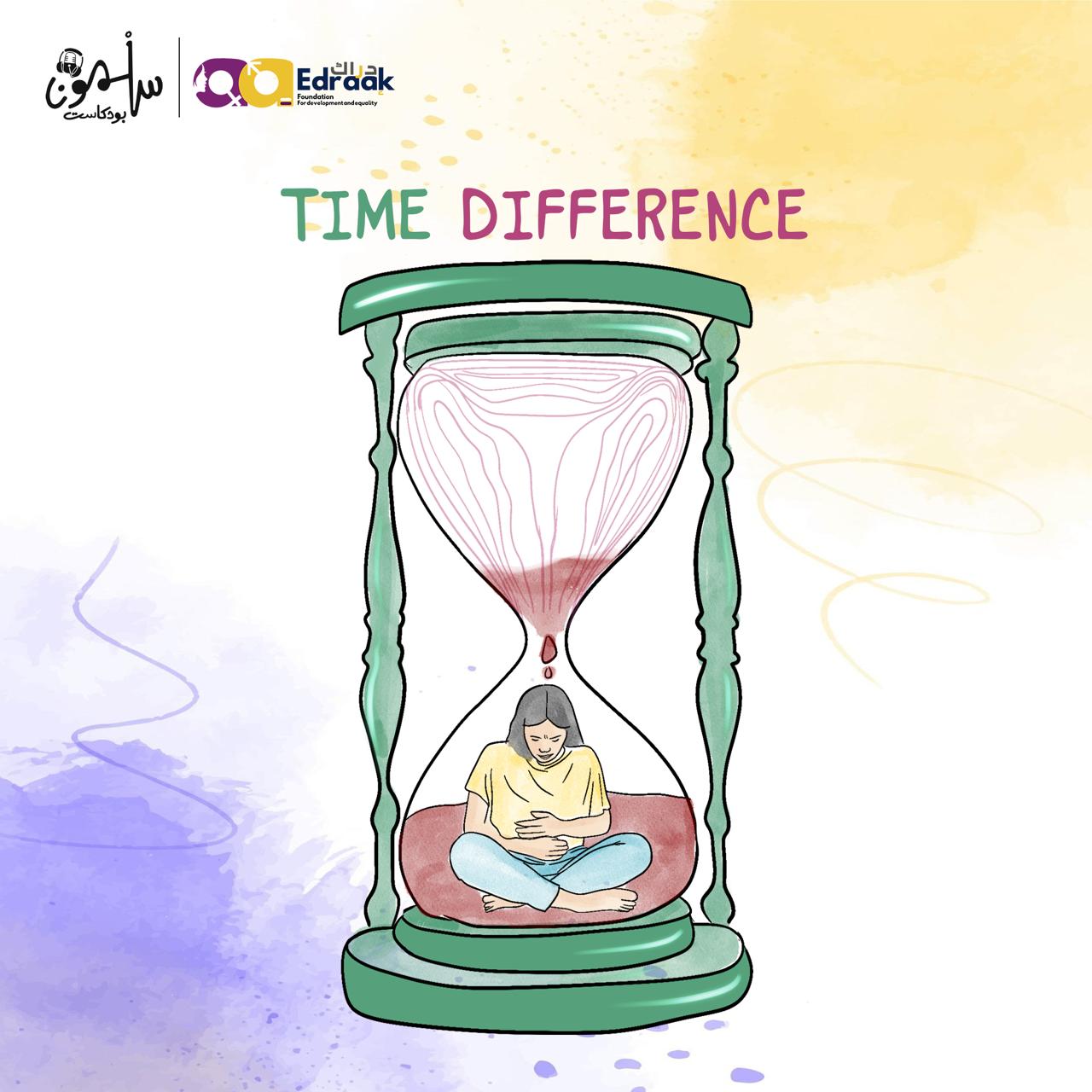
Podcast: Time Difference

When your body starts to change without warning, and you find yourself lost between doctors and conflicting diagnoses, without access to clear and accurate information or support… This is what happens to women who face premature menopause.
In this episode “Time Difference”of #SalmonPodcast we’ll listen to the stories of women experiencing premature menopause. and its impact on their relationship with themselves, their bodies, and the people and society around them. We’ll also know more about premature menopause from a medical perspective and the best ways to deal with it.
Episode Guest: Dr. Monica Magdy, Physician and Sexual Health Consultant
This episode was produced in collaboration between #Edraak_Foundation and Salmon Podcast.

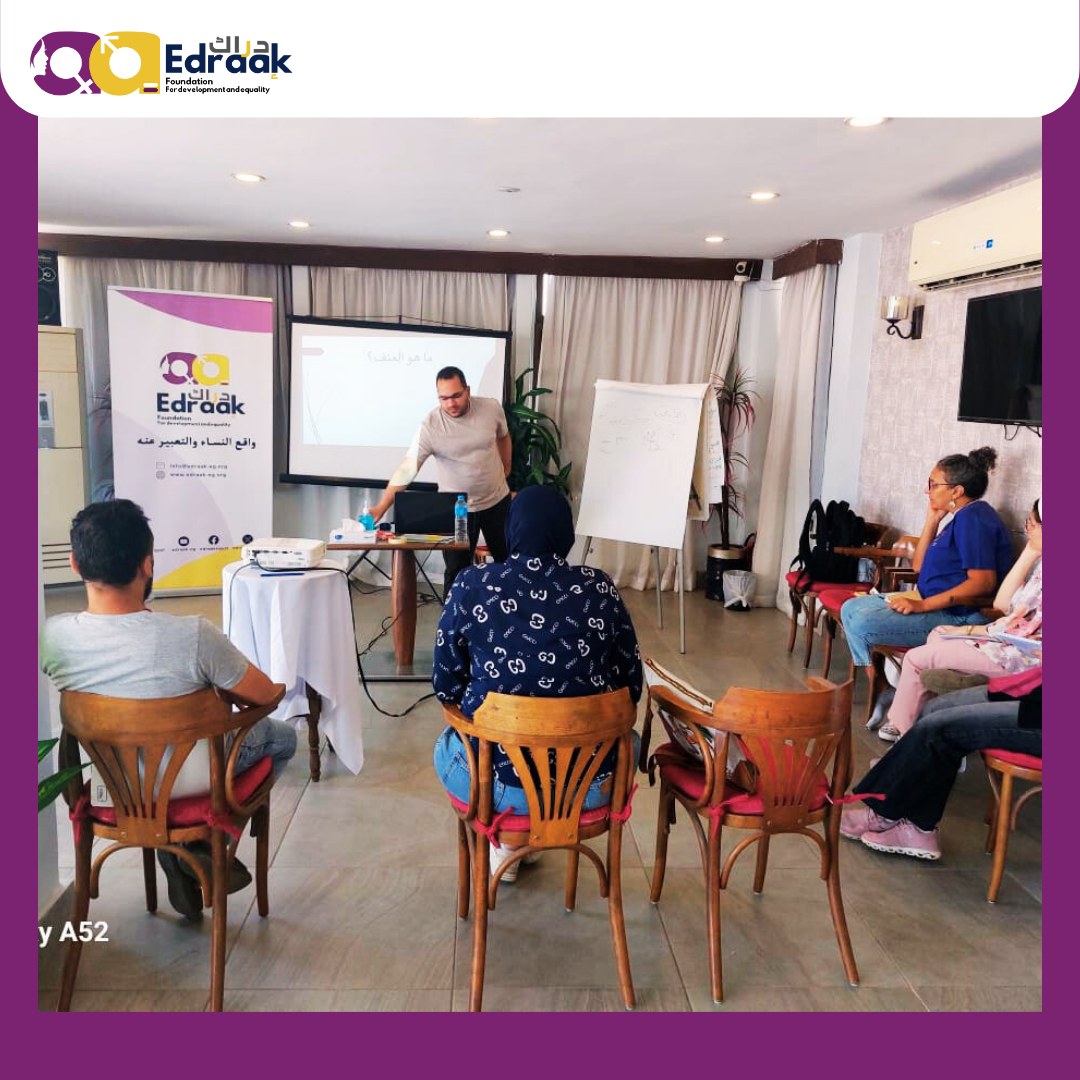
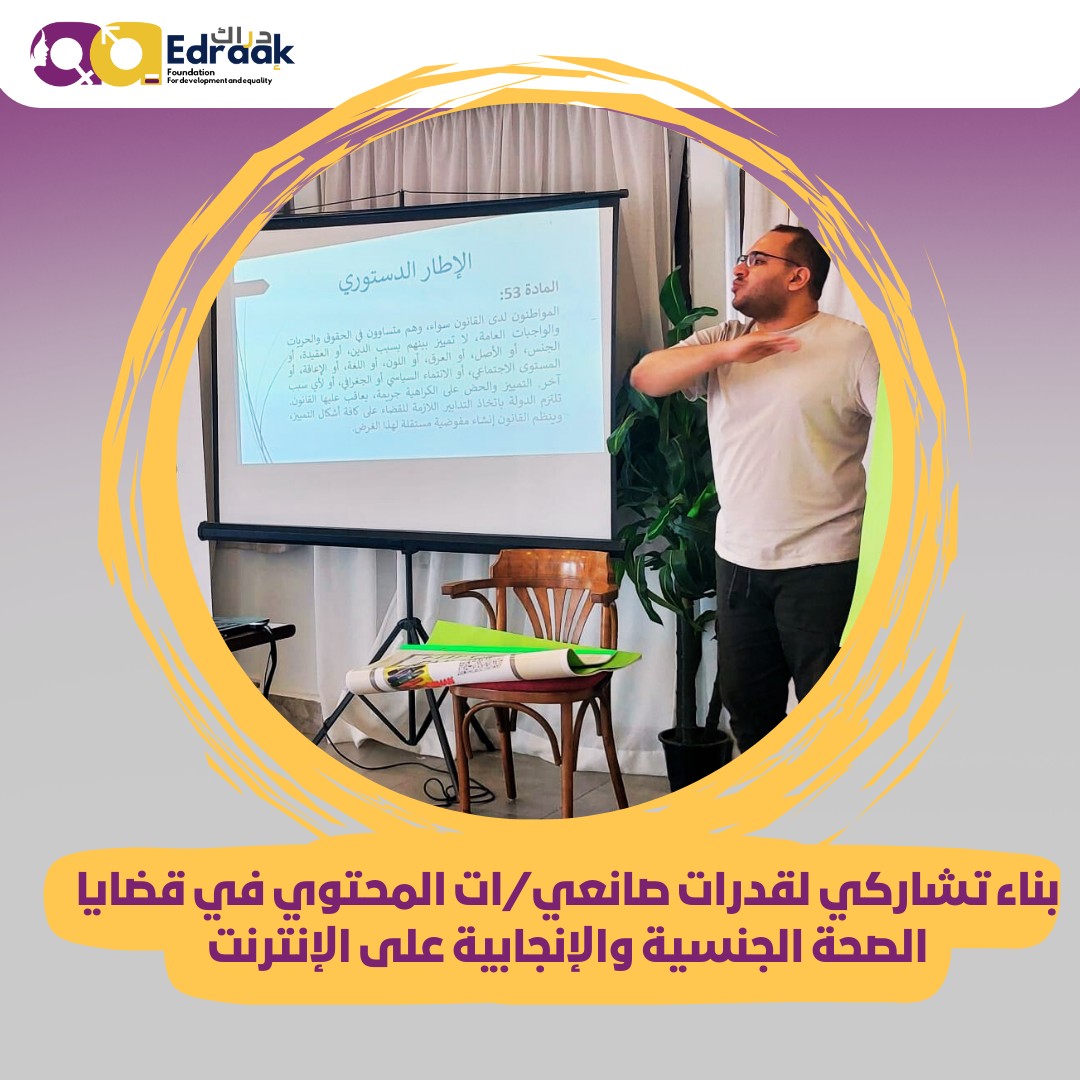
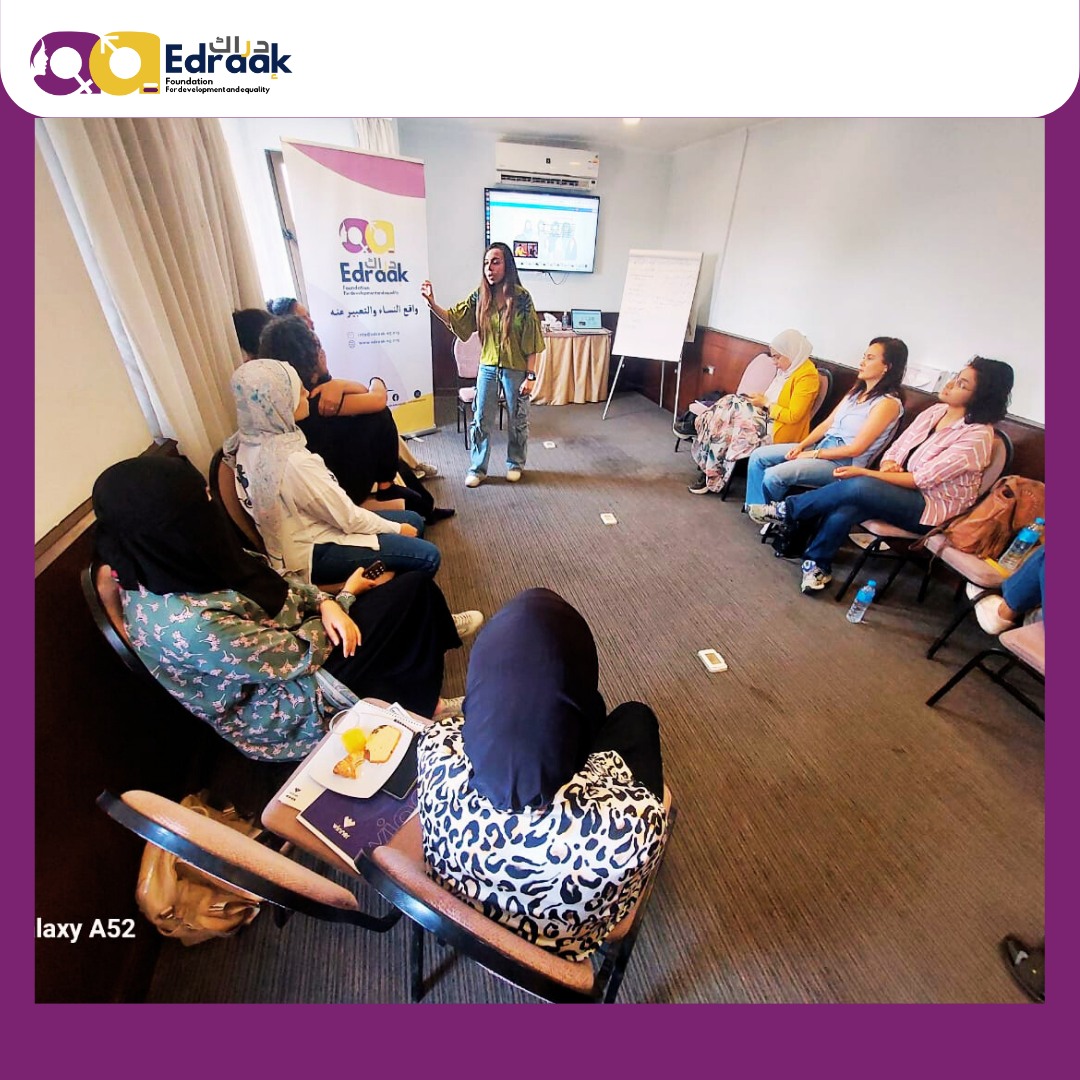
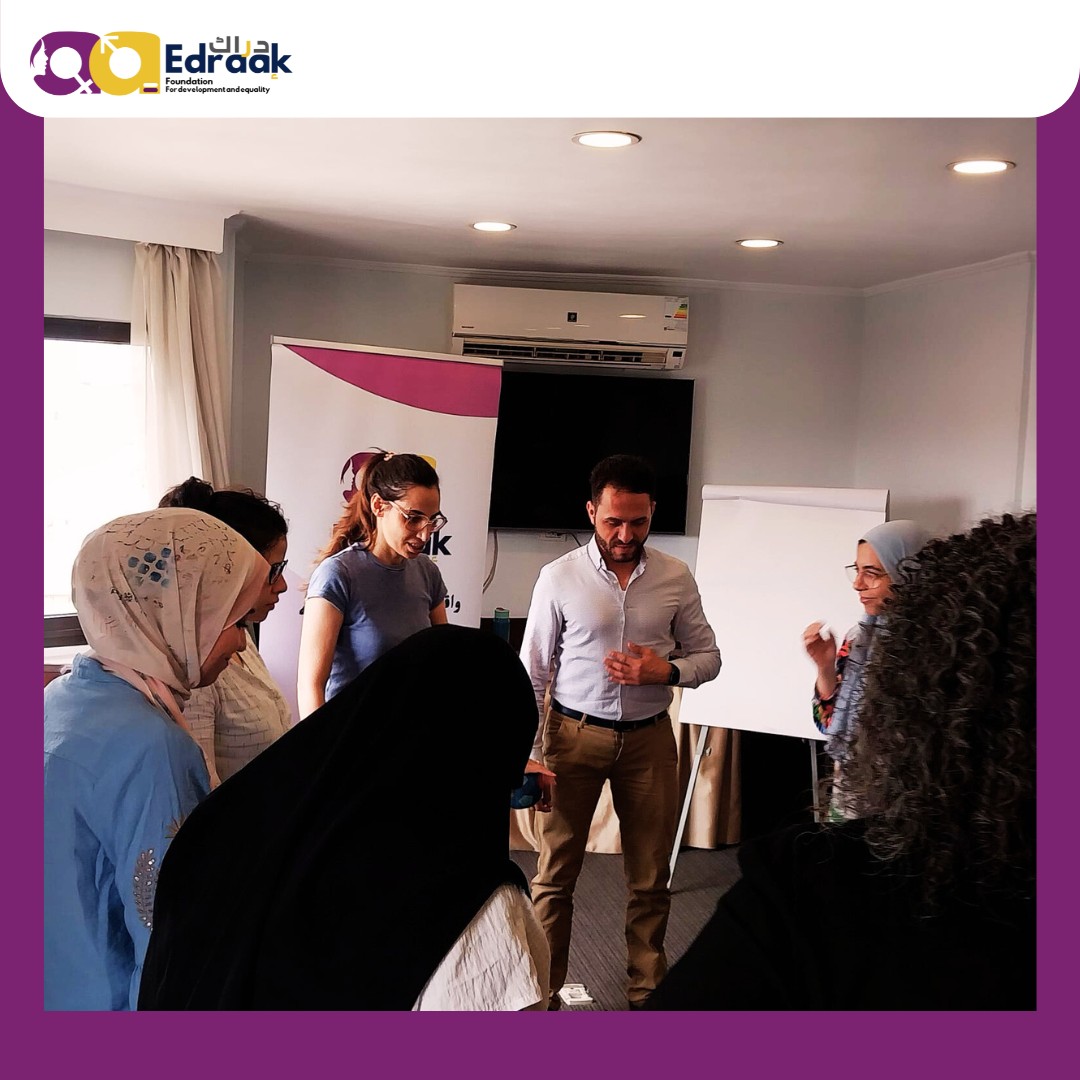
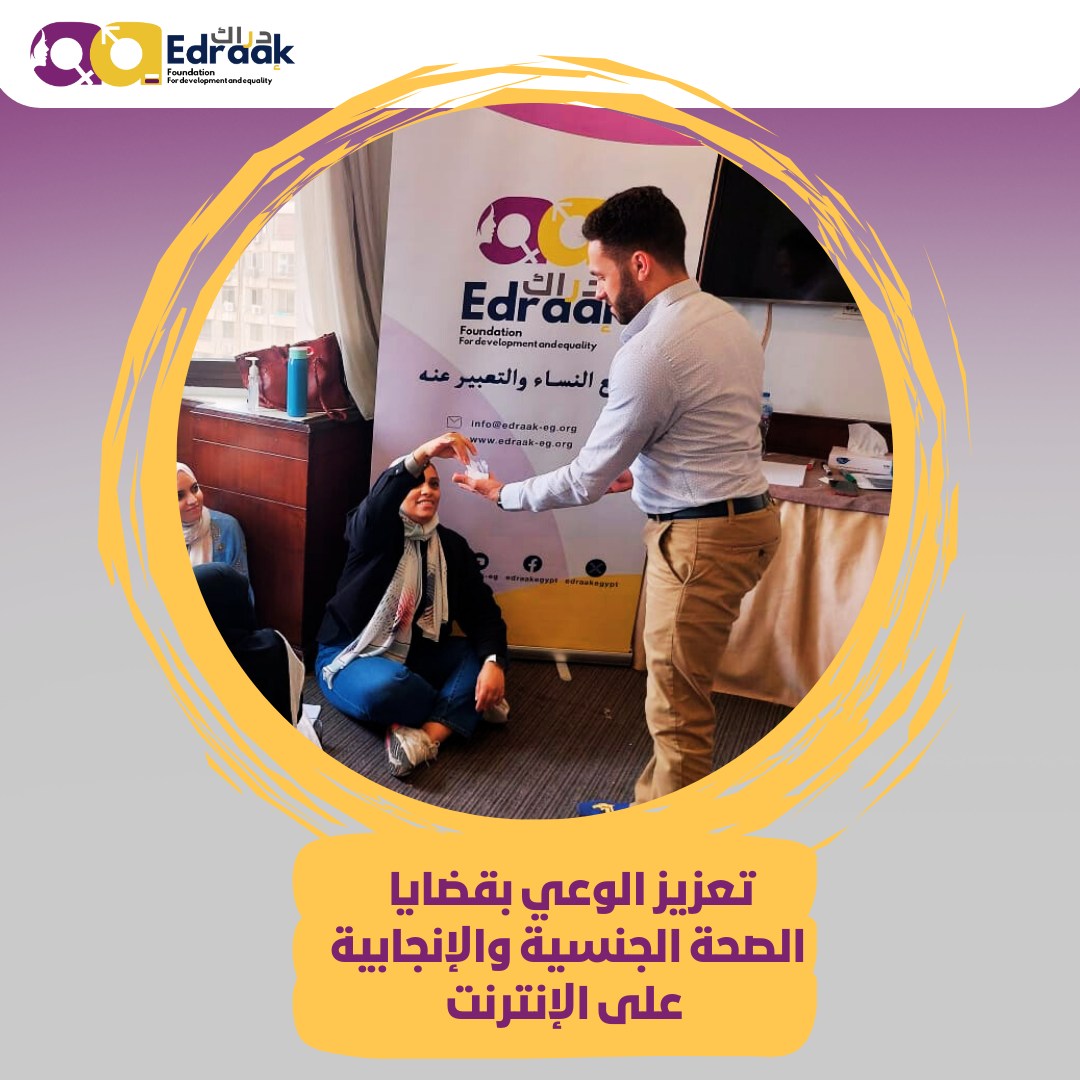
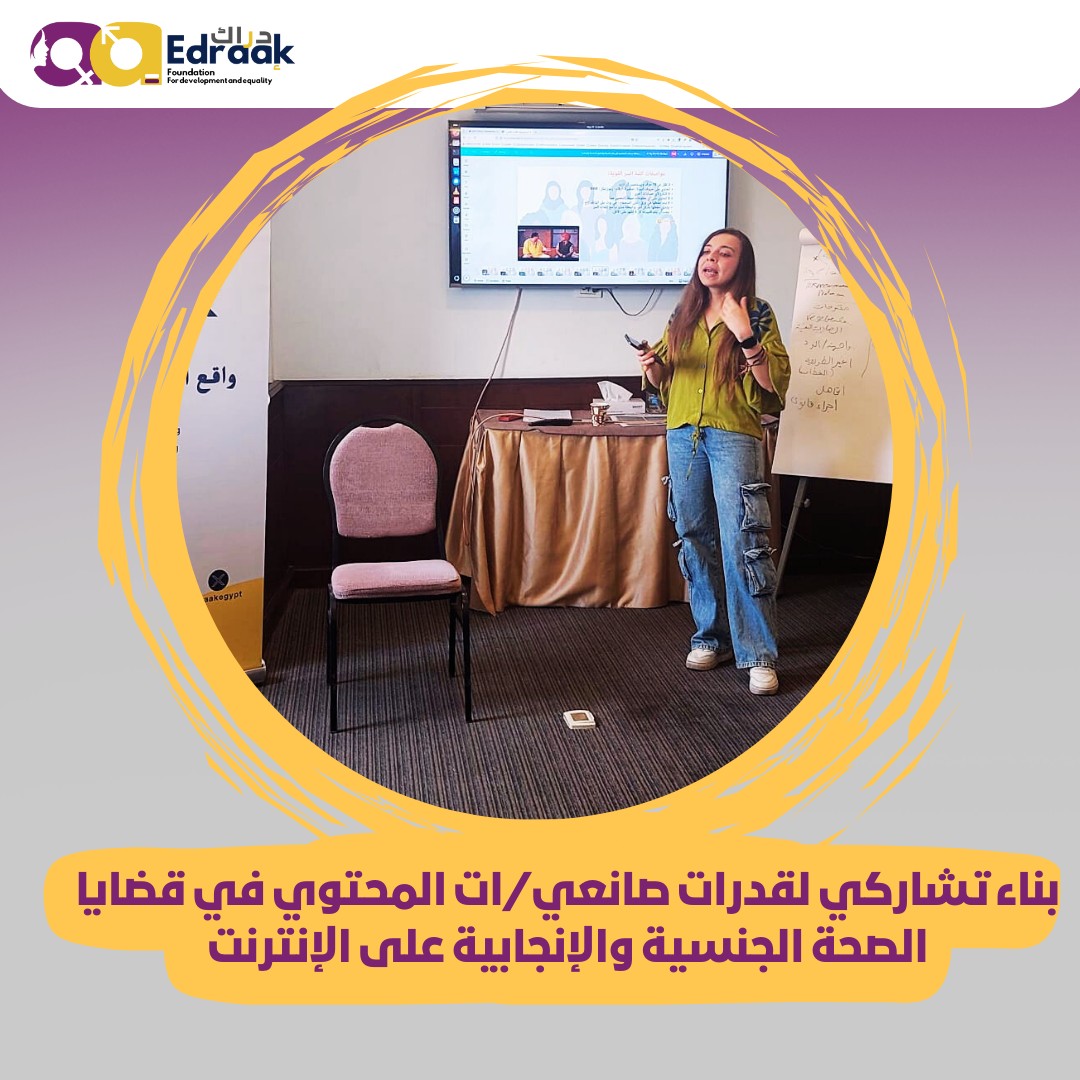
Edraak concludes a specialized training to support content creators to address sexual and reproductive health issues.

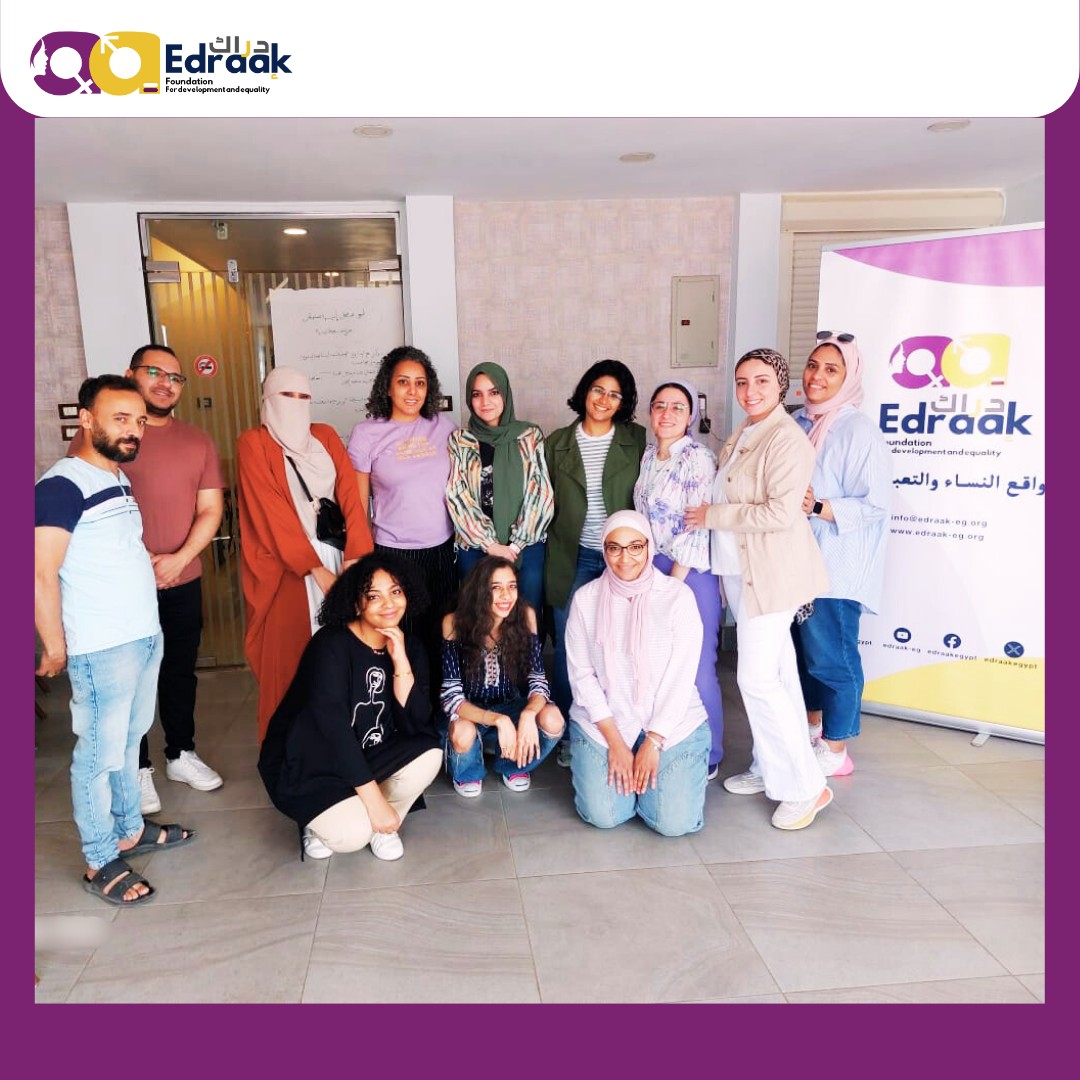
Edraak Foundation for Development and Equality concluded a specialized training titled “Participatory Capacity Building for Online Content Creators on Sexual and Reproductive Health Issues.” The four-day training, held in Cairo, brought together a group of digital content creators interested in raising awareness and educating about Sexual and Reproductive Health .
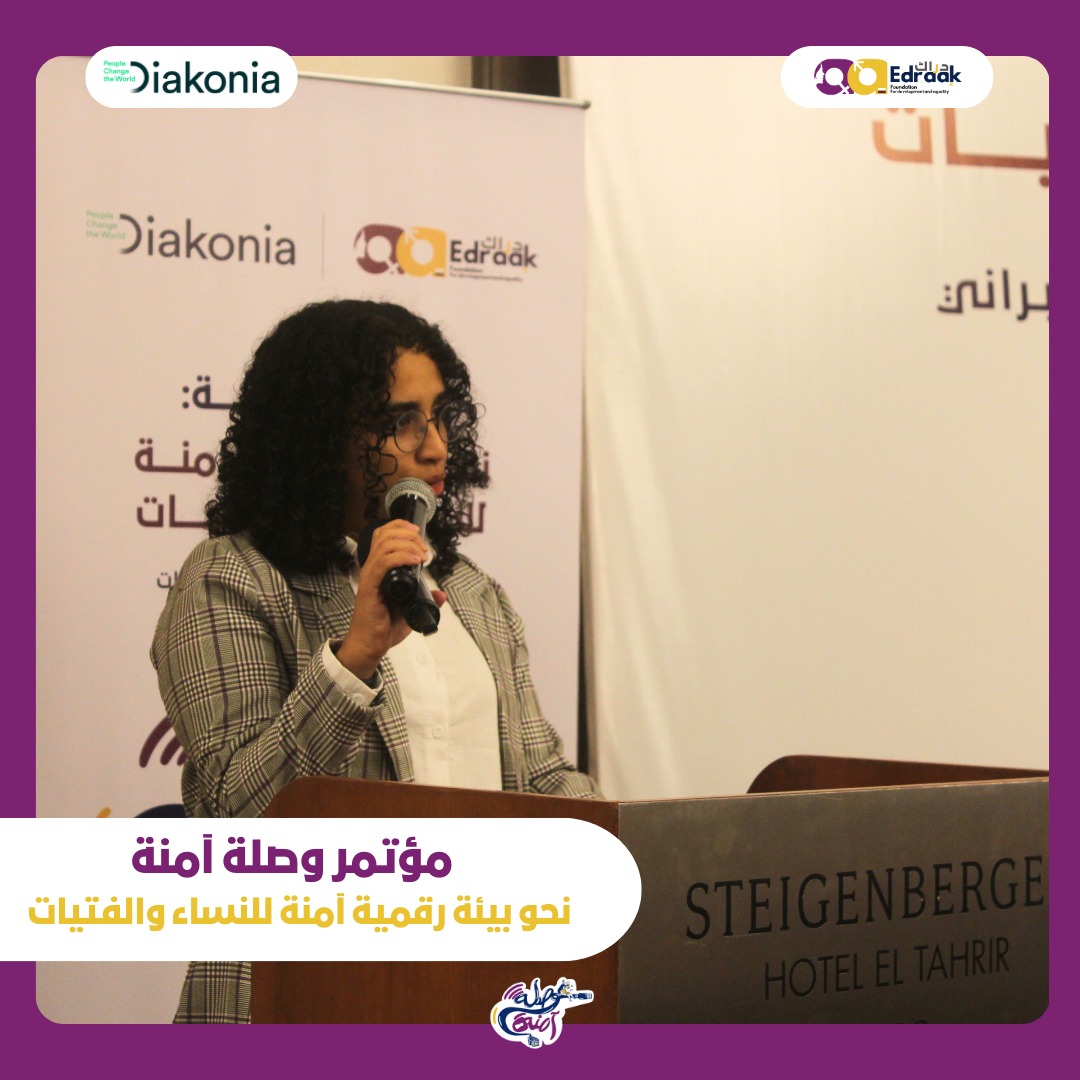
Day 1: Learning rights-based digital storytelling techniques, breaking stereotypes, and impactful influencing across social media platforms.
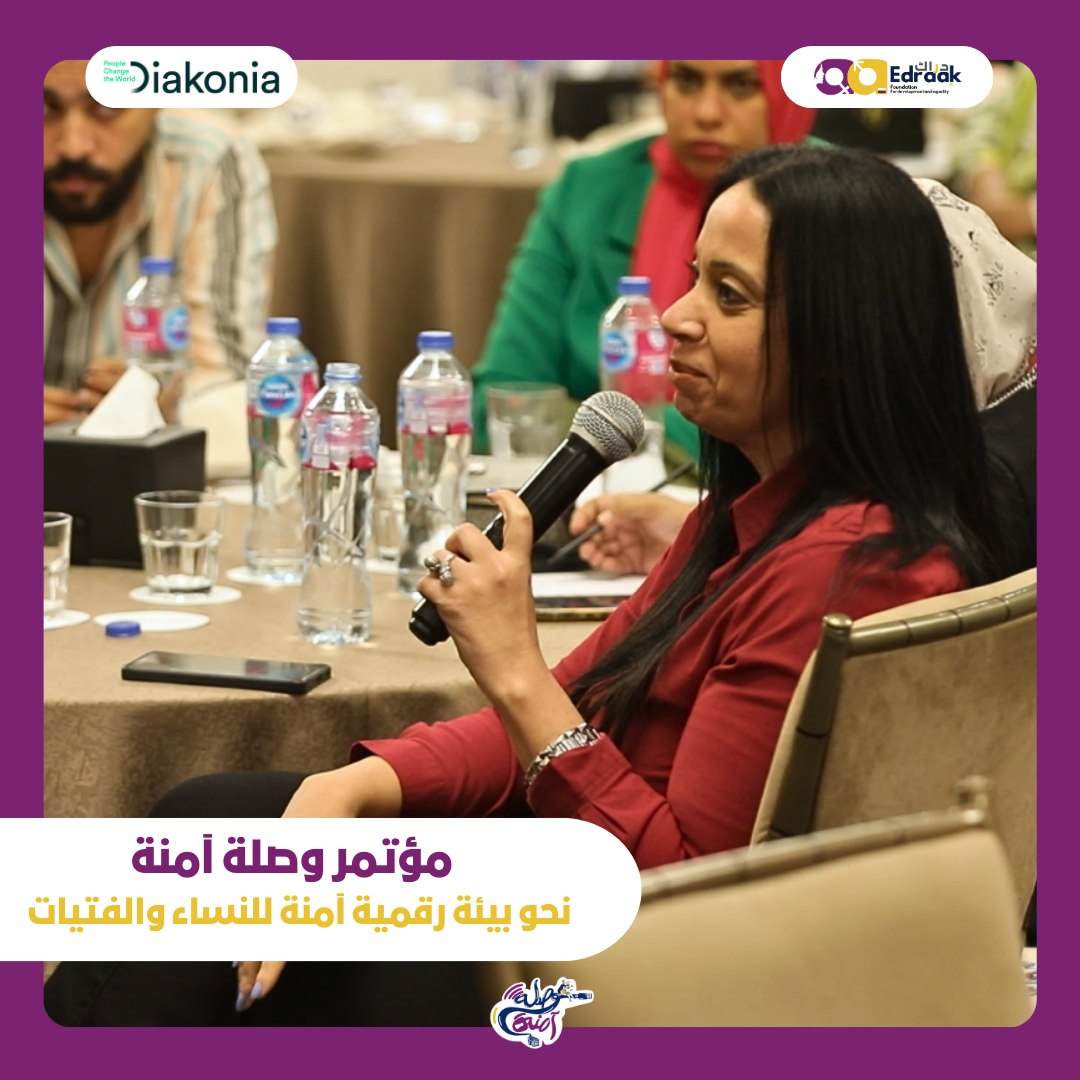
Day 2: Learning the fundamentals of digital safety, understanding algorithmic mechanisms, and dealing with digital challenges.
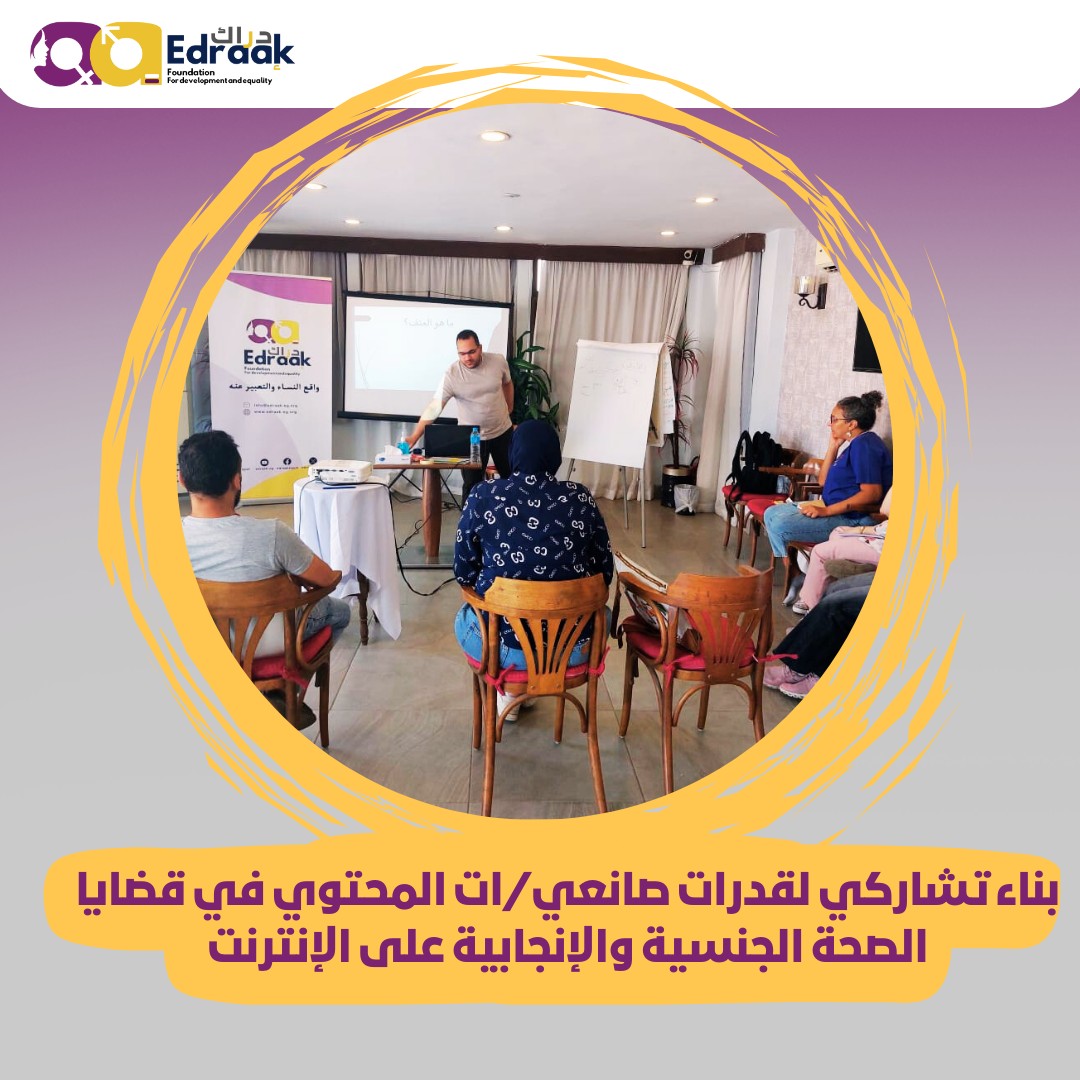
Day 3: Discuss the legal aspect of publishing on sexual health issues, such as abortion, and the ways for content creators to be legally protected
Day 4: Emphasizing ethics and inclusive language in content creation, and the importance of fostering a fair and non-discriminatory discourse.

This training is part of Edraak’s efforts to promote safe digital spaces and build the capacities of content creators to deliver awareness and rights-based messages that contribute to changing societal narratives and supporting the right to access information.

#HerBodyIsHerRightAndHerRightDecides
#ImportantWordsNotShameful

A workshop for Civil Society Association: “Improving the Quality of Reproductive Health Services for Women in Dakahlia”

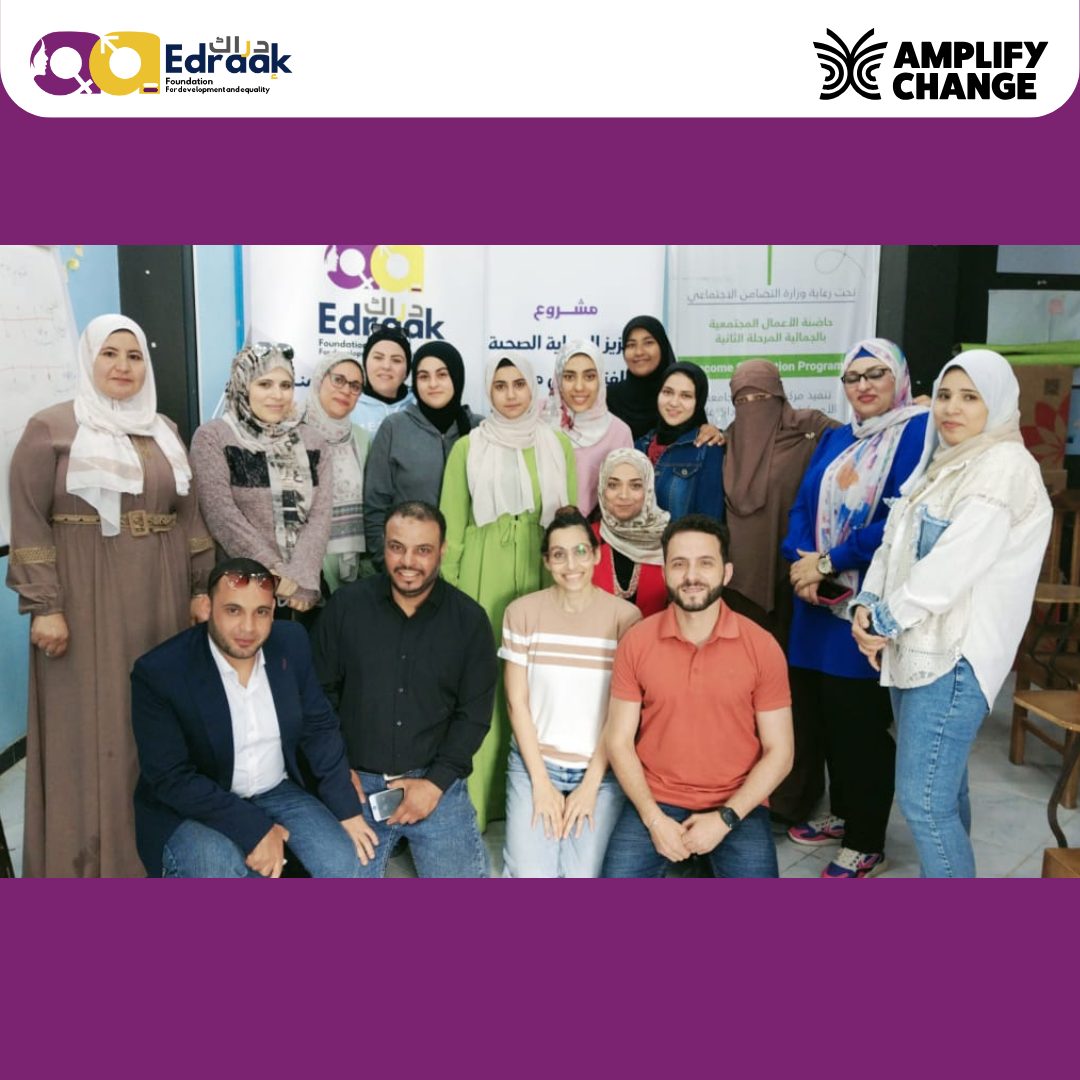
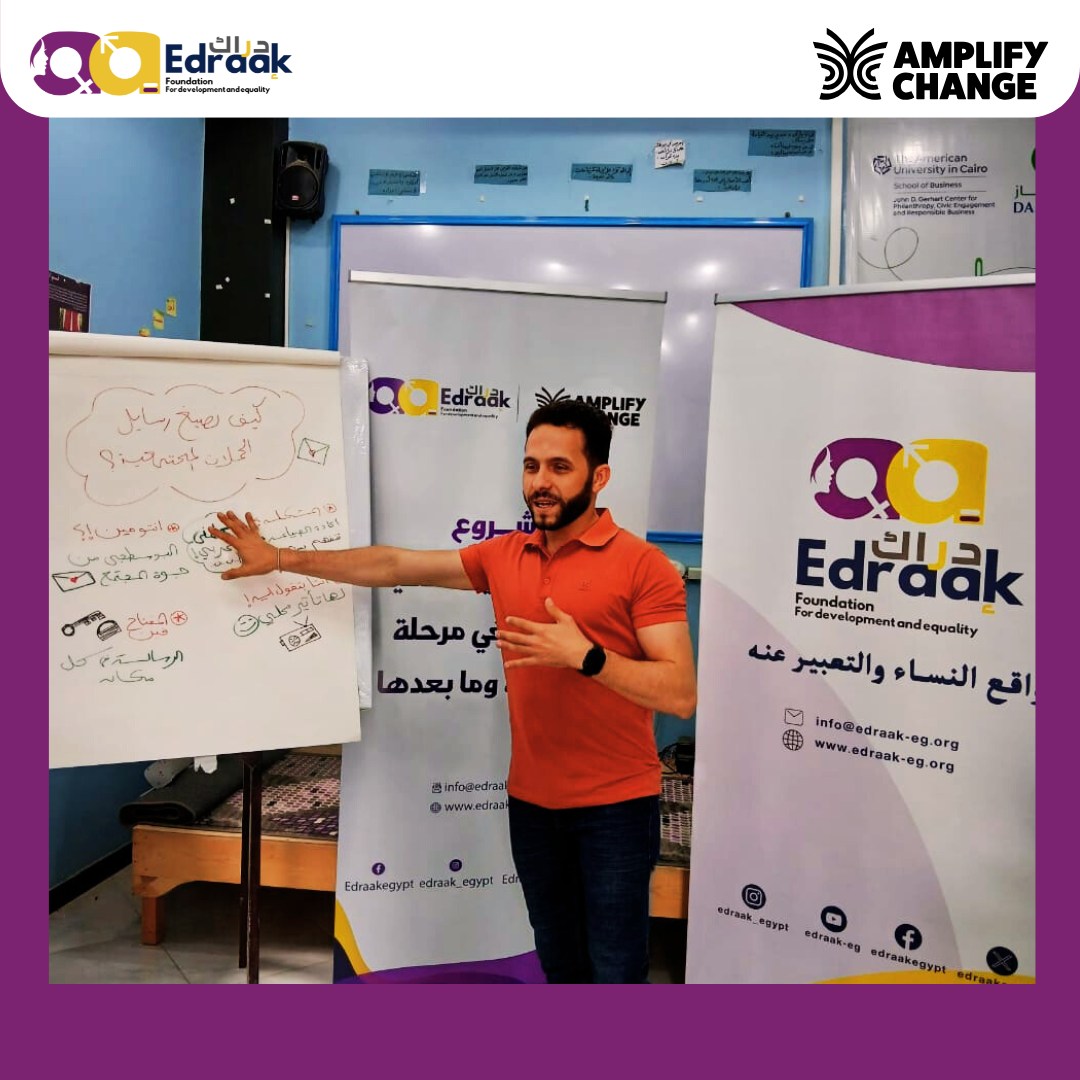
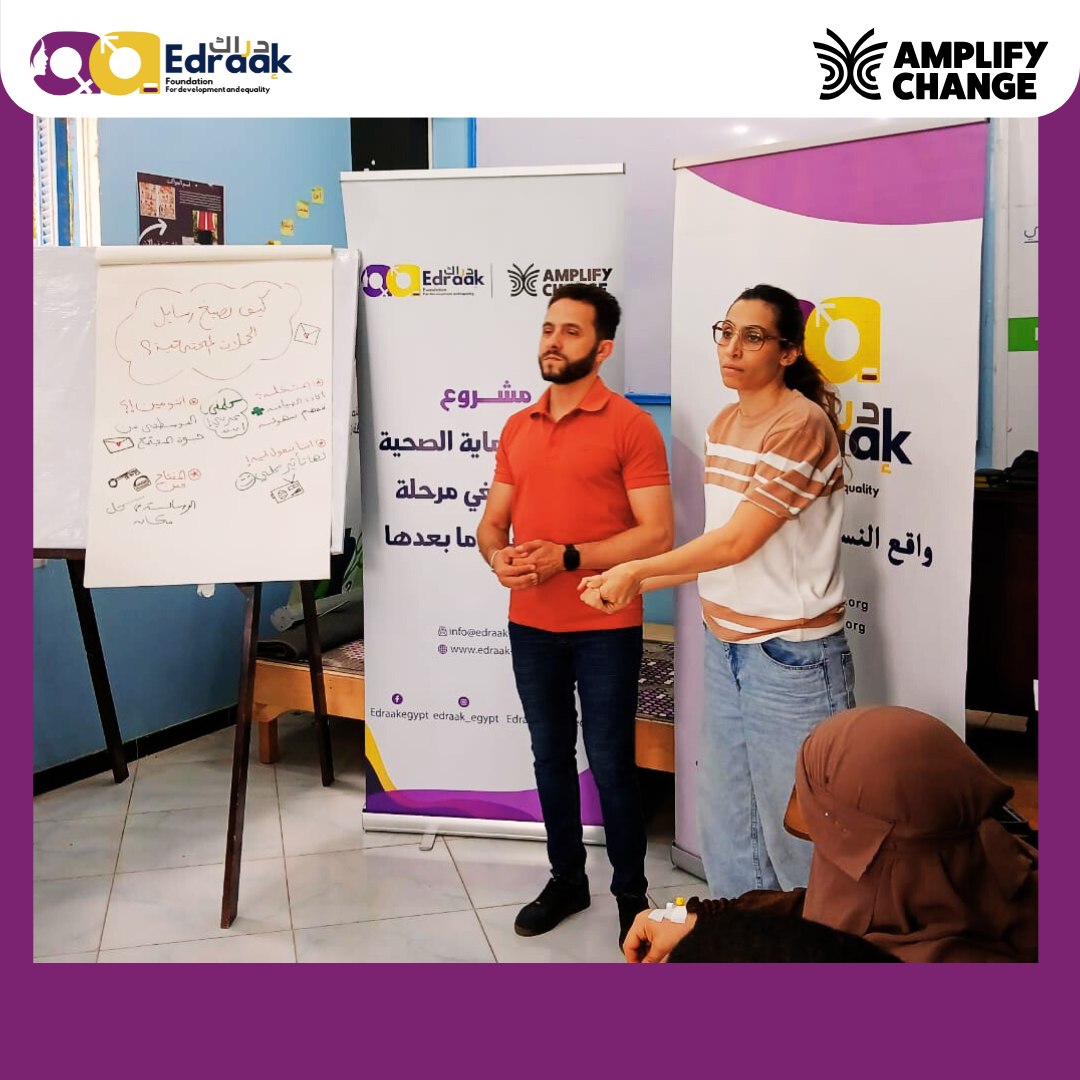
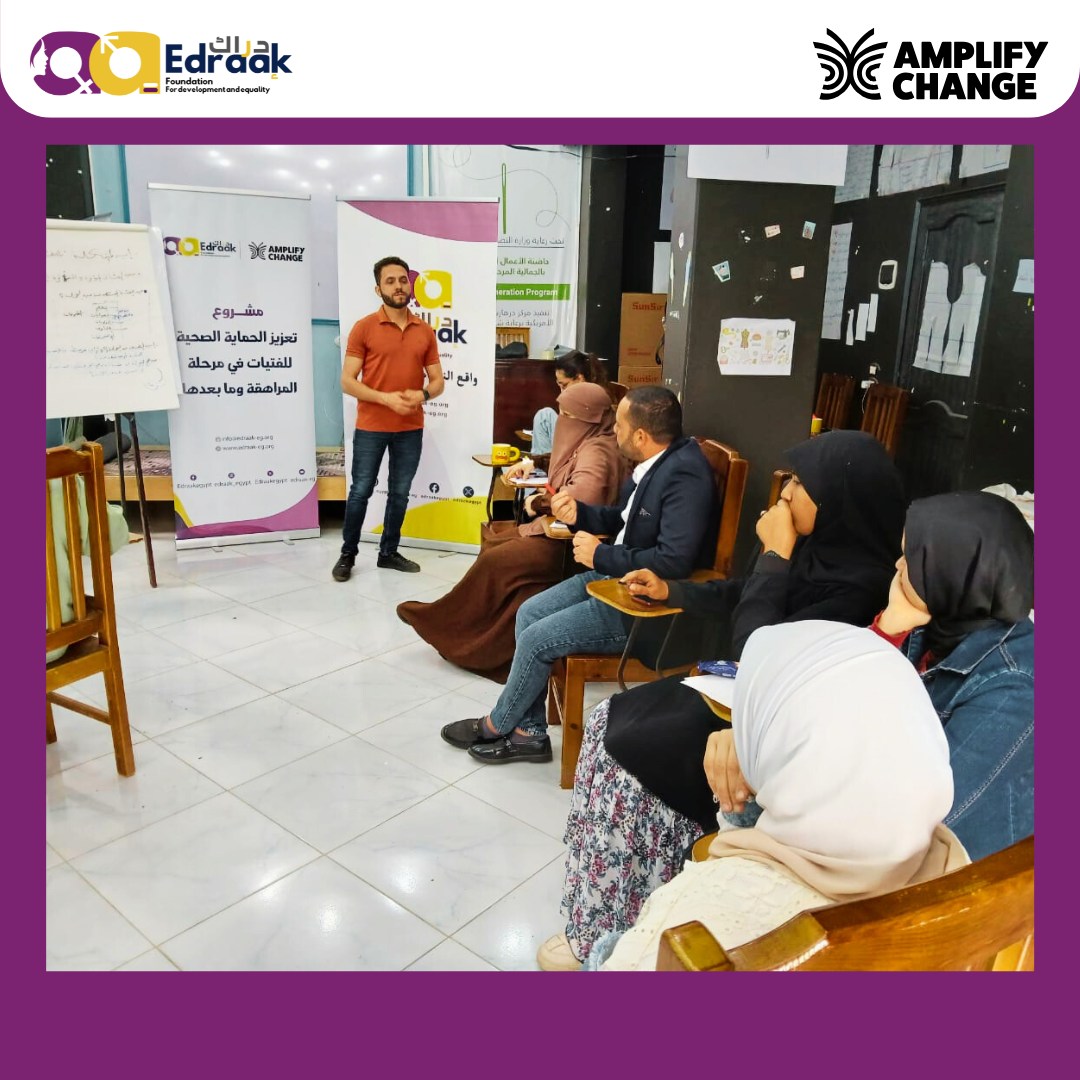
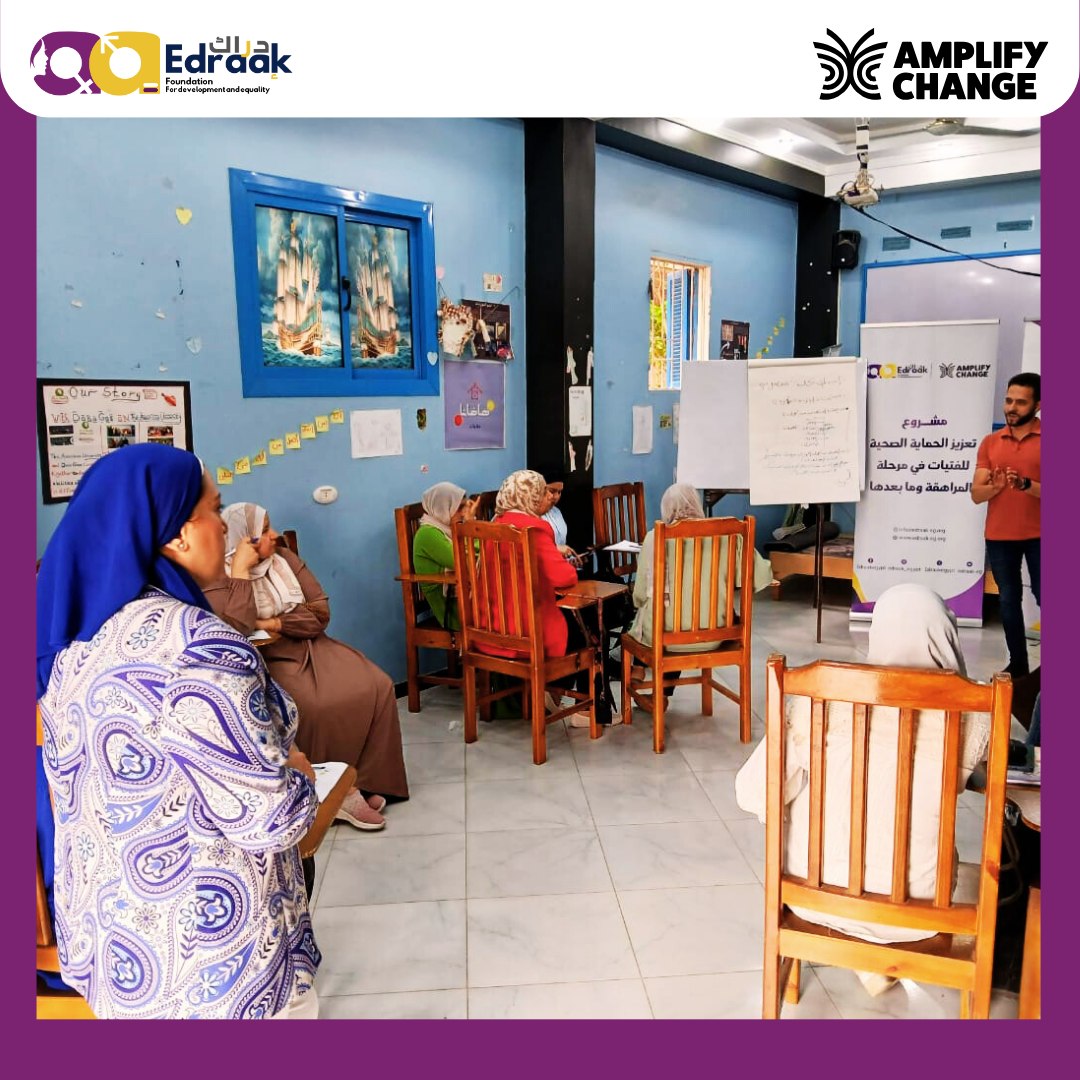
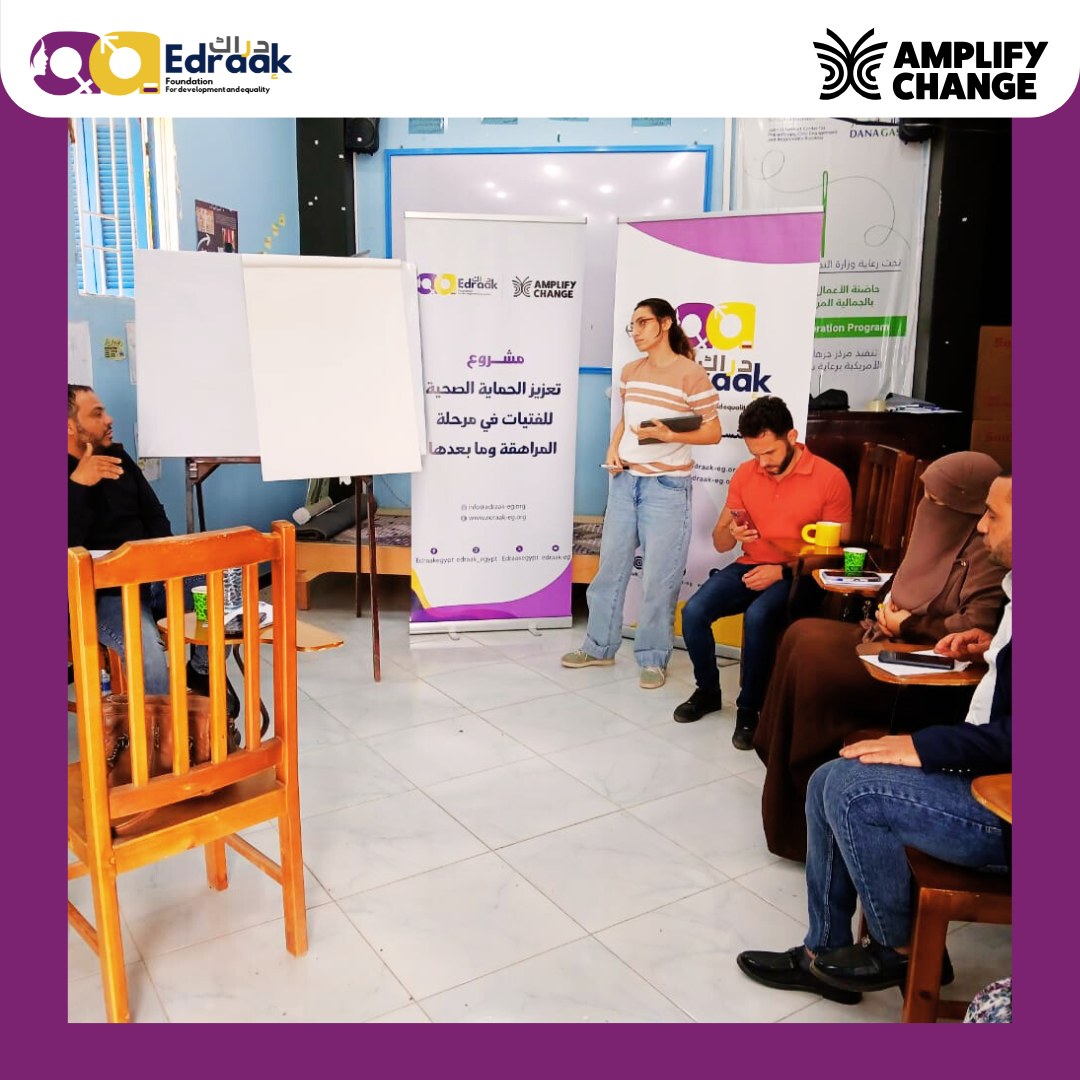
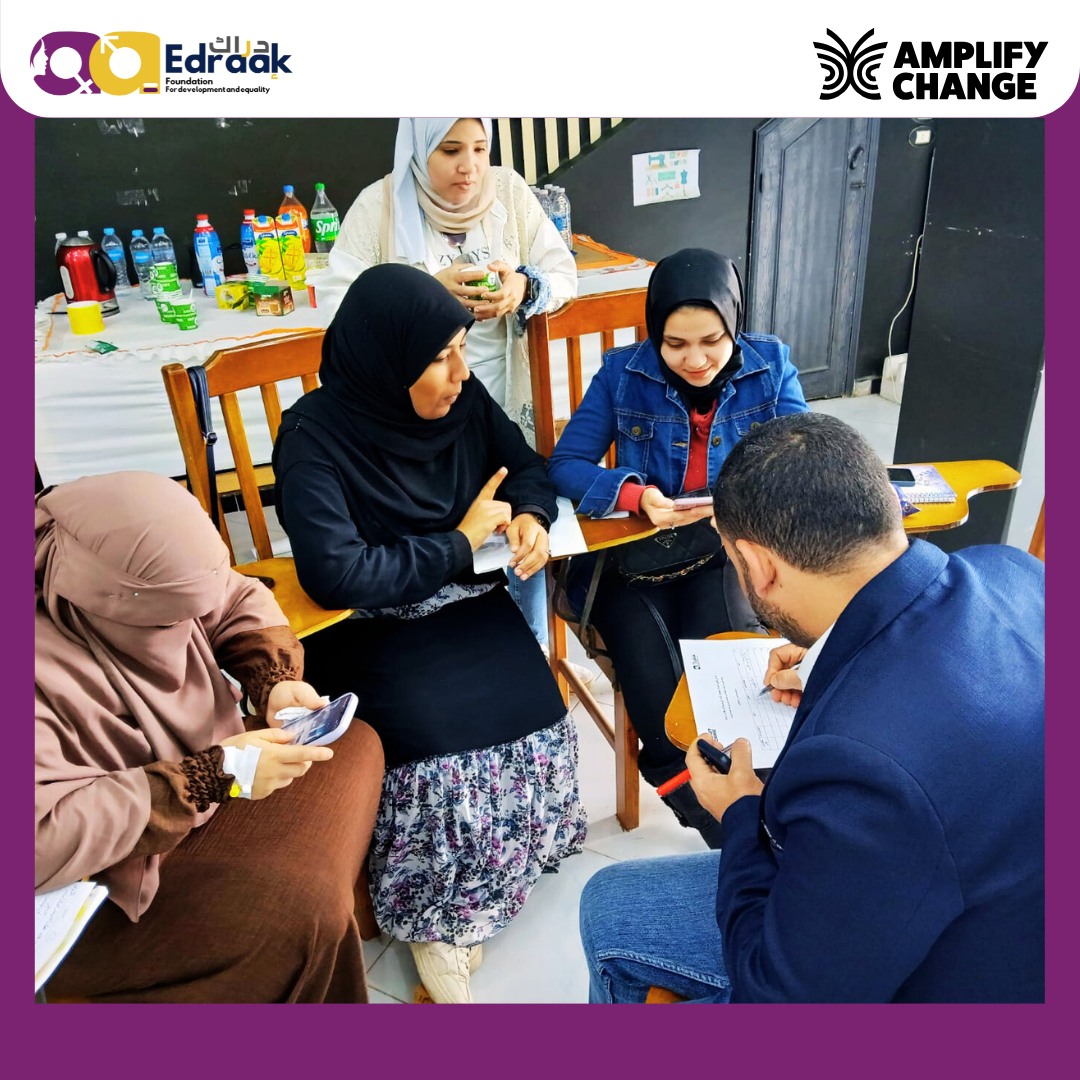
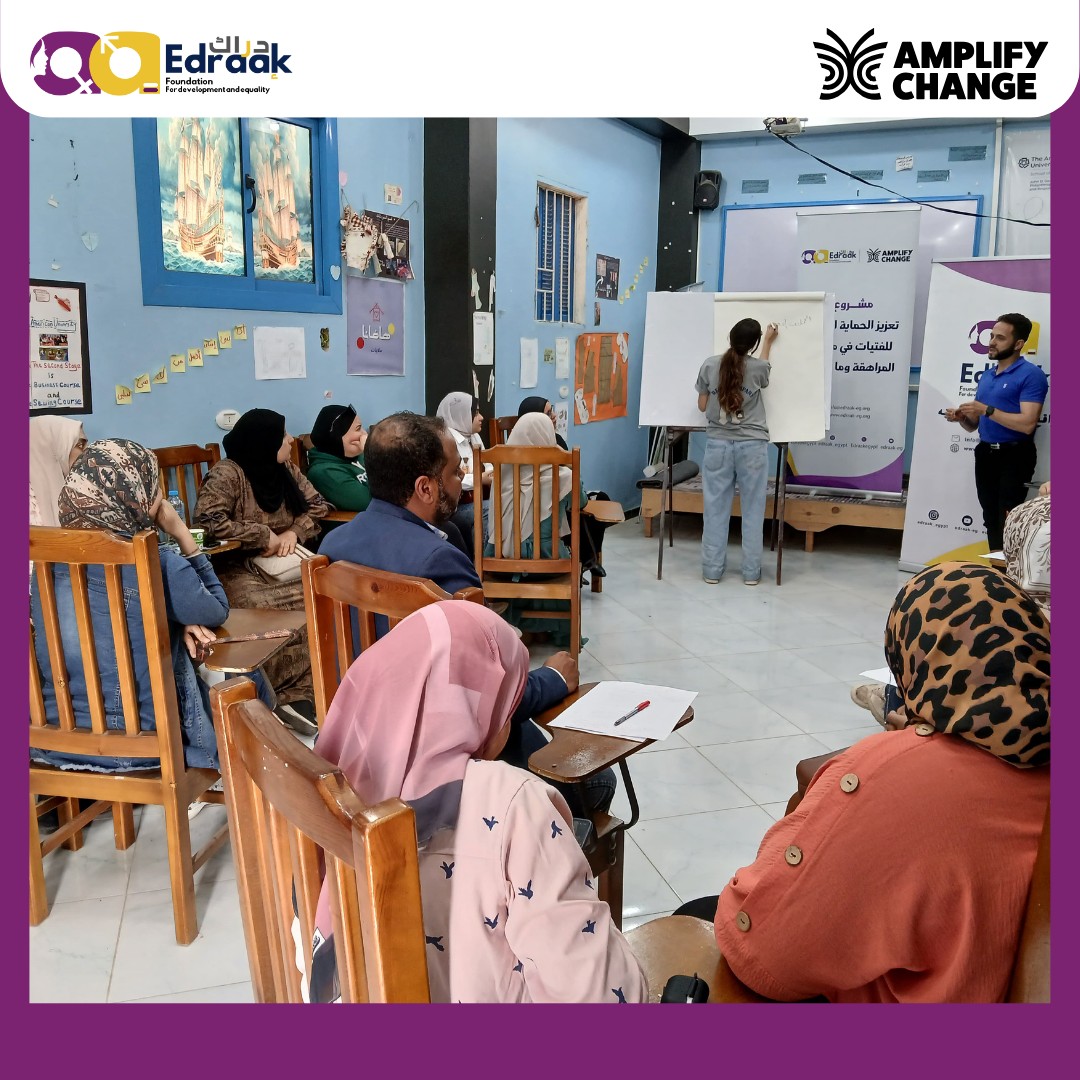
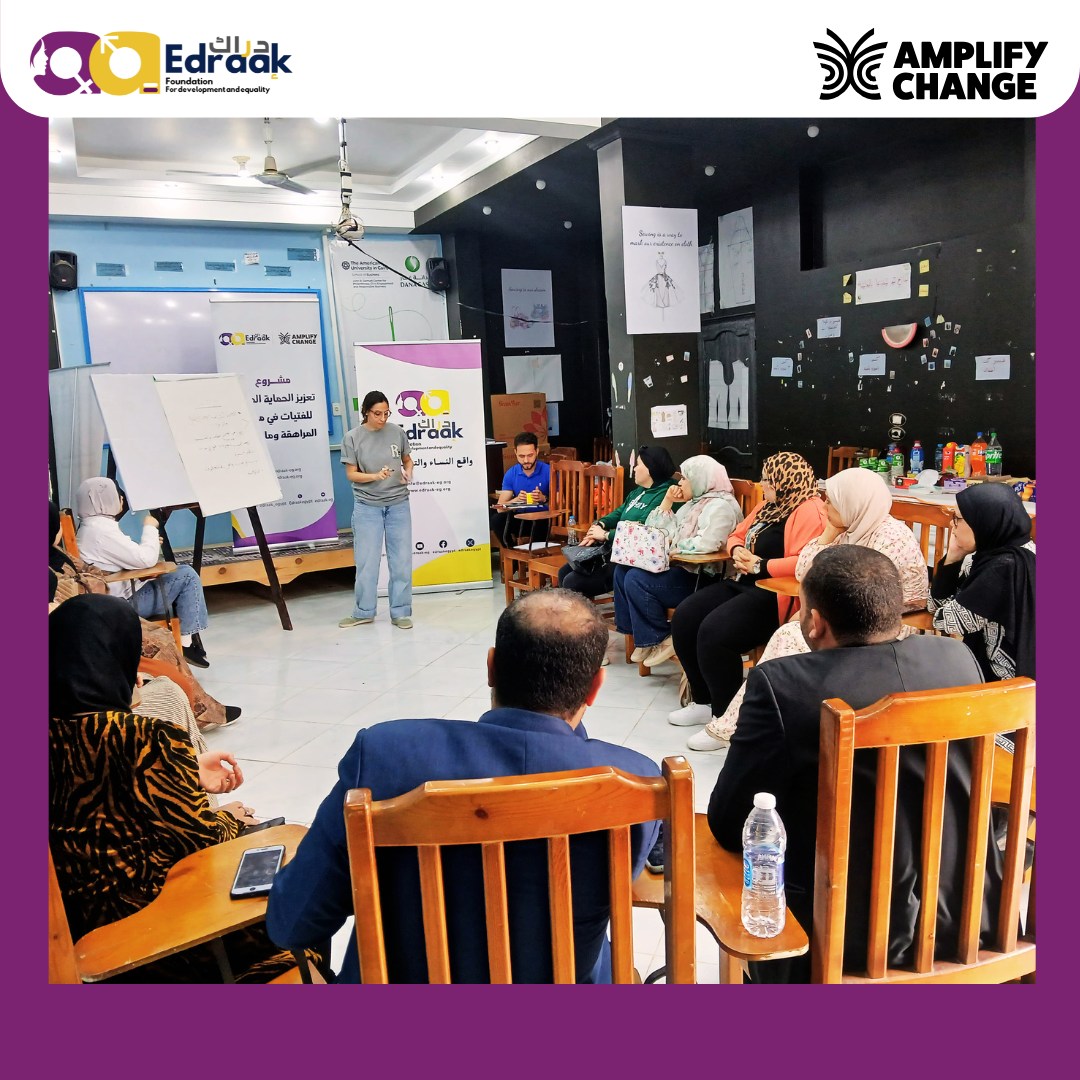
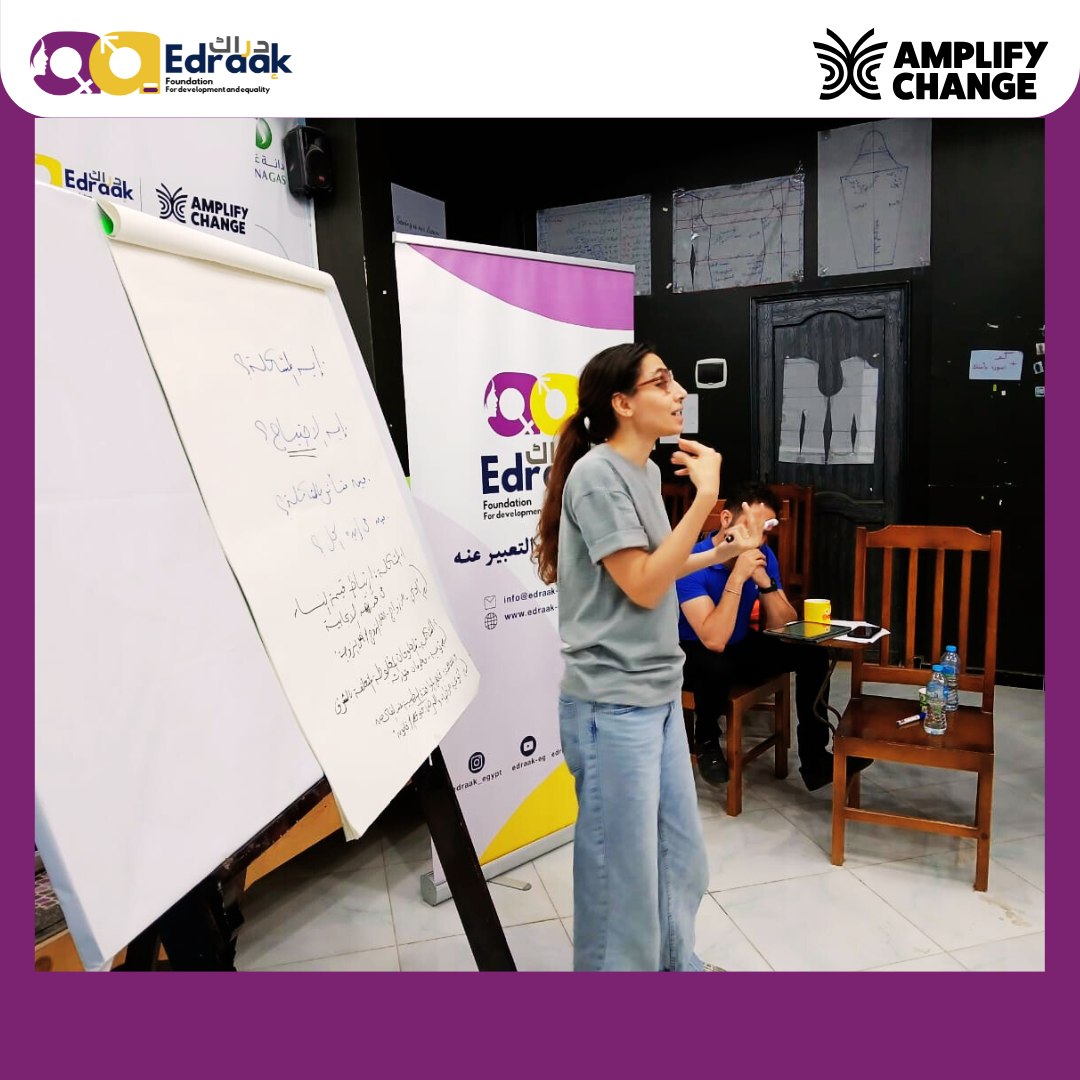
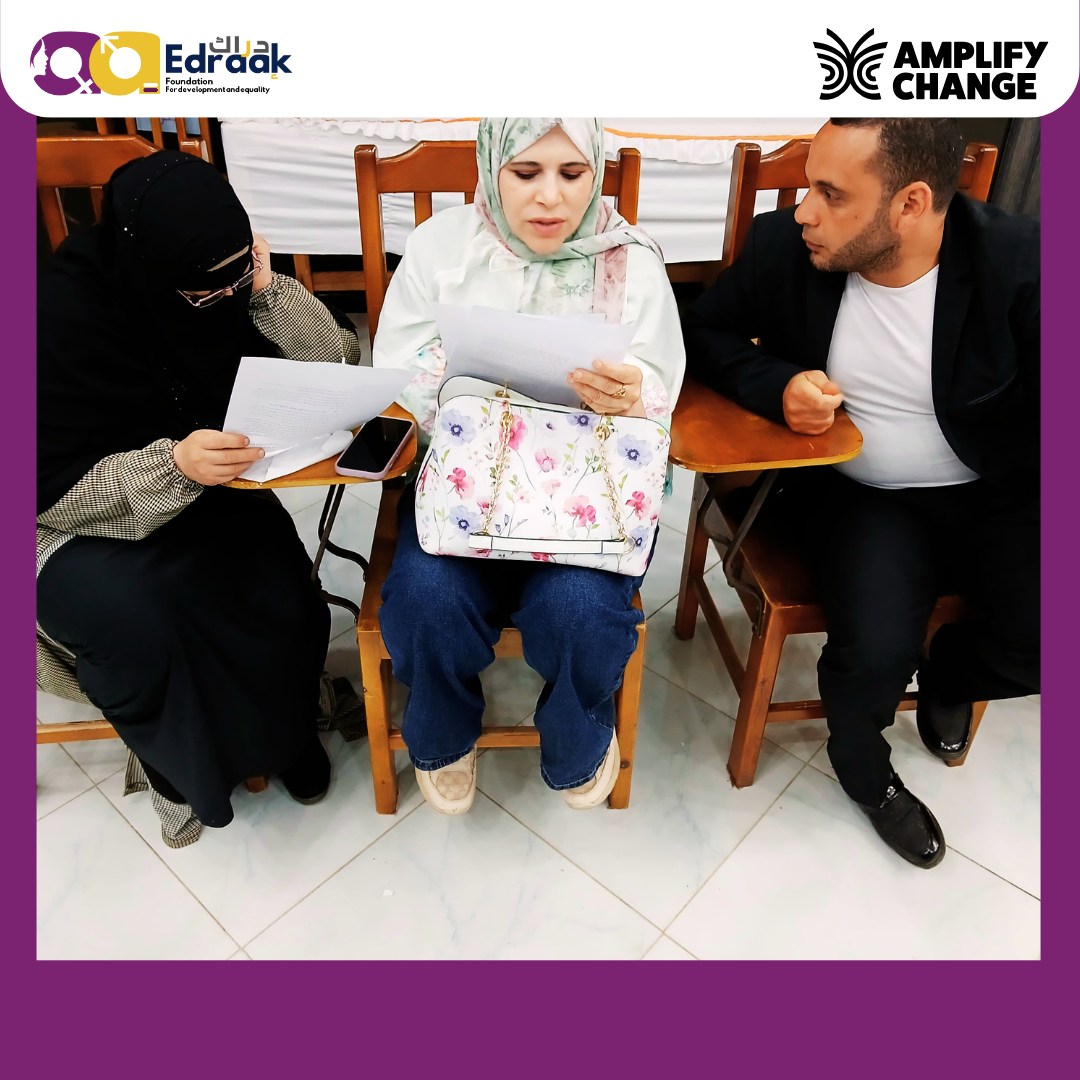
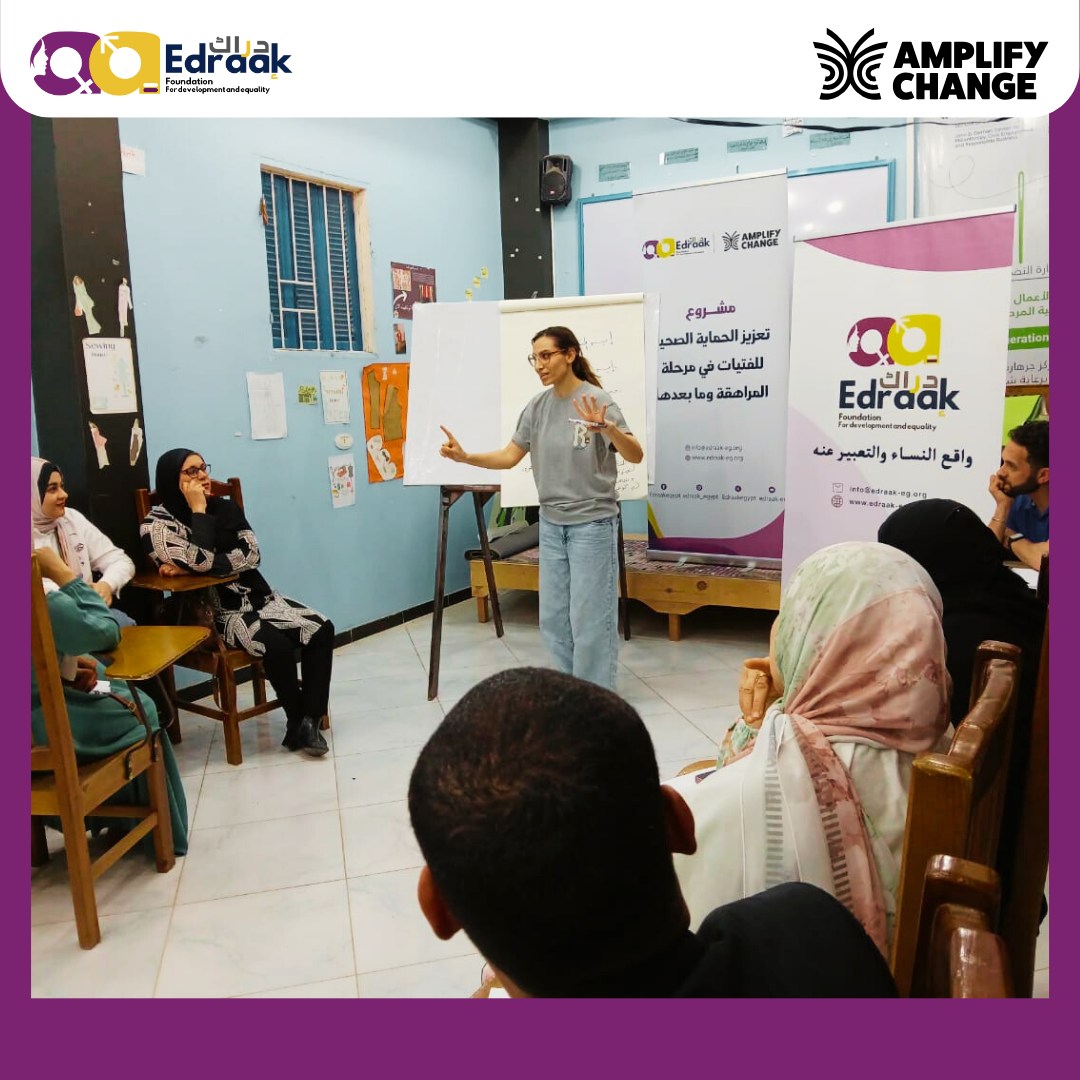
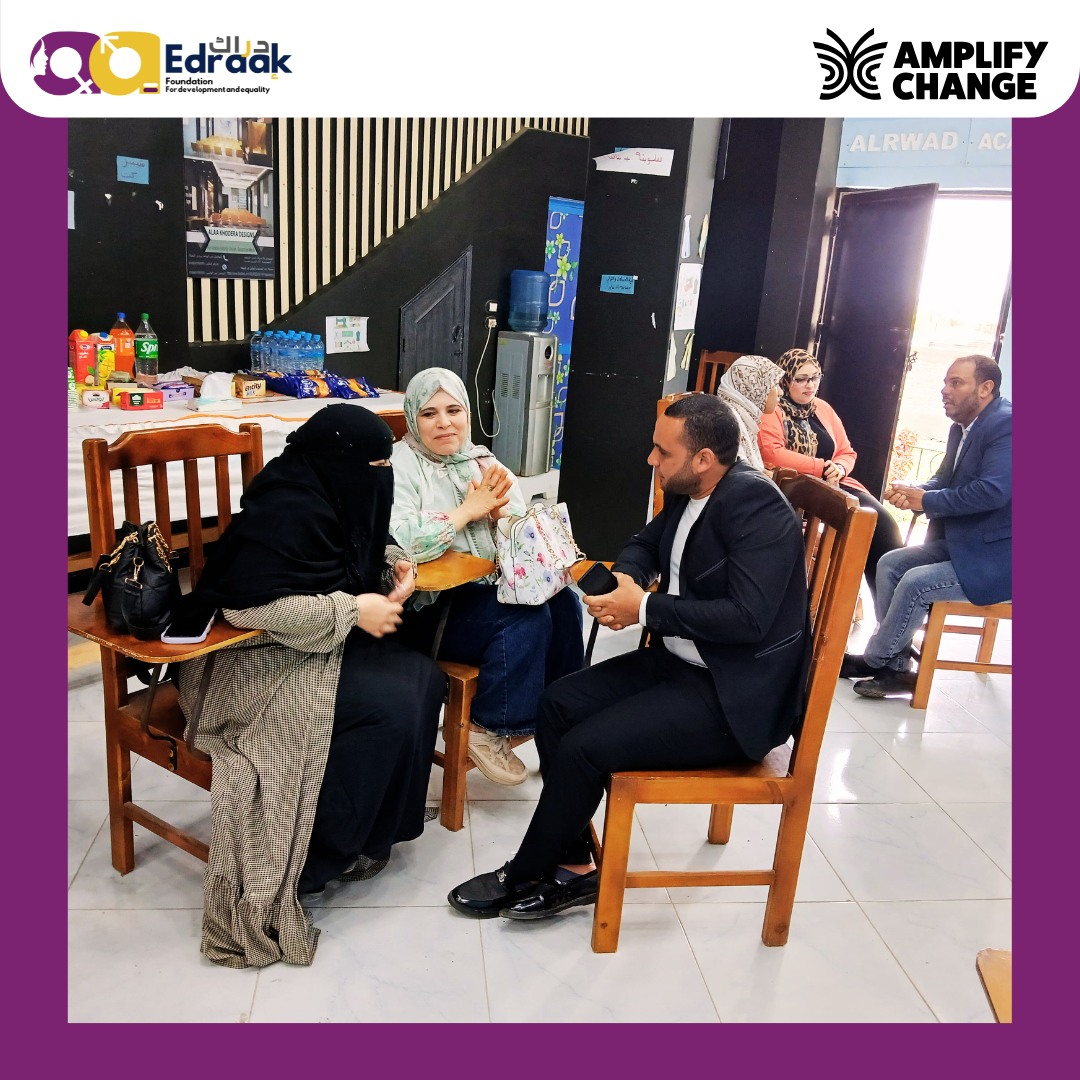
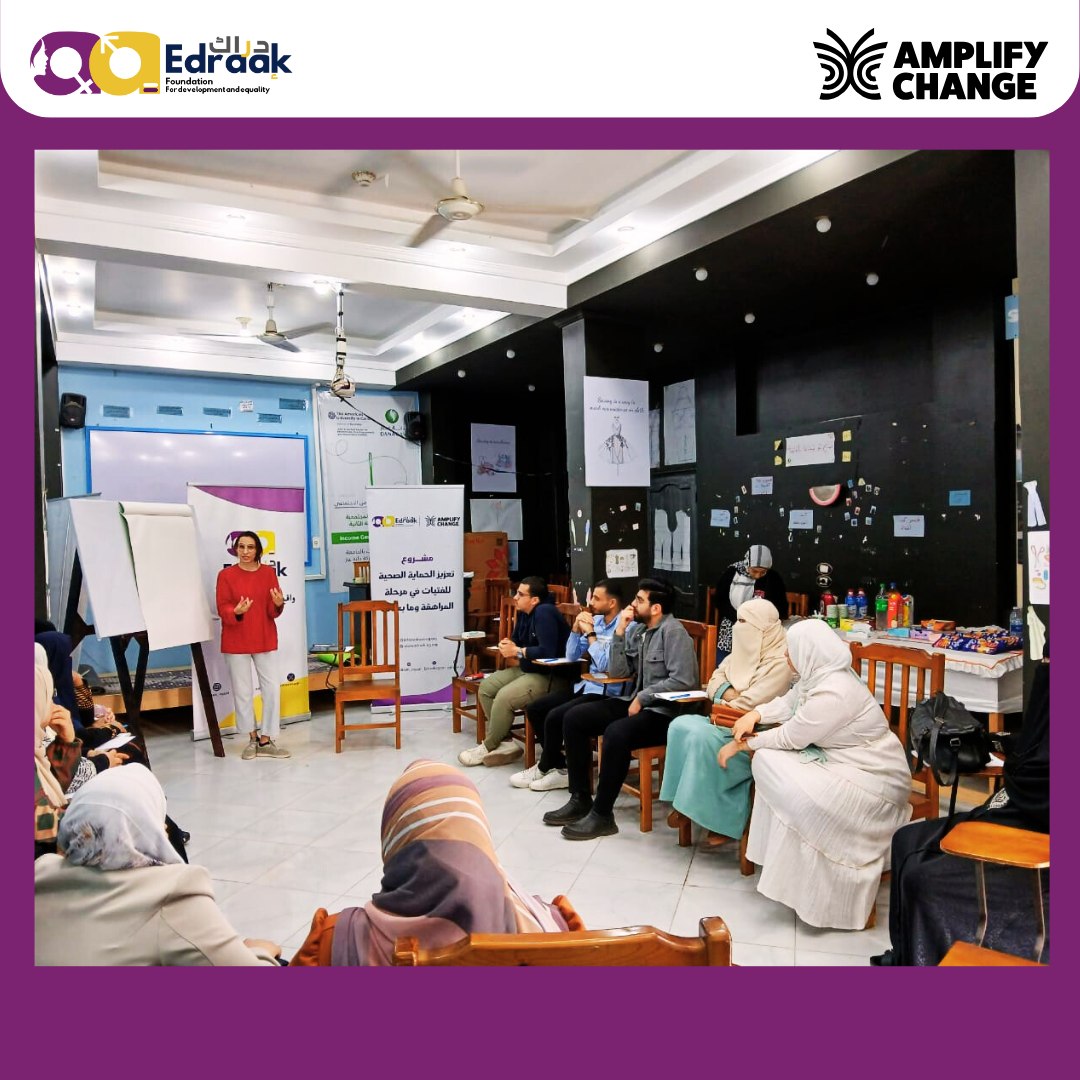
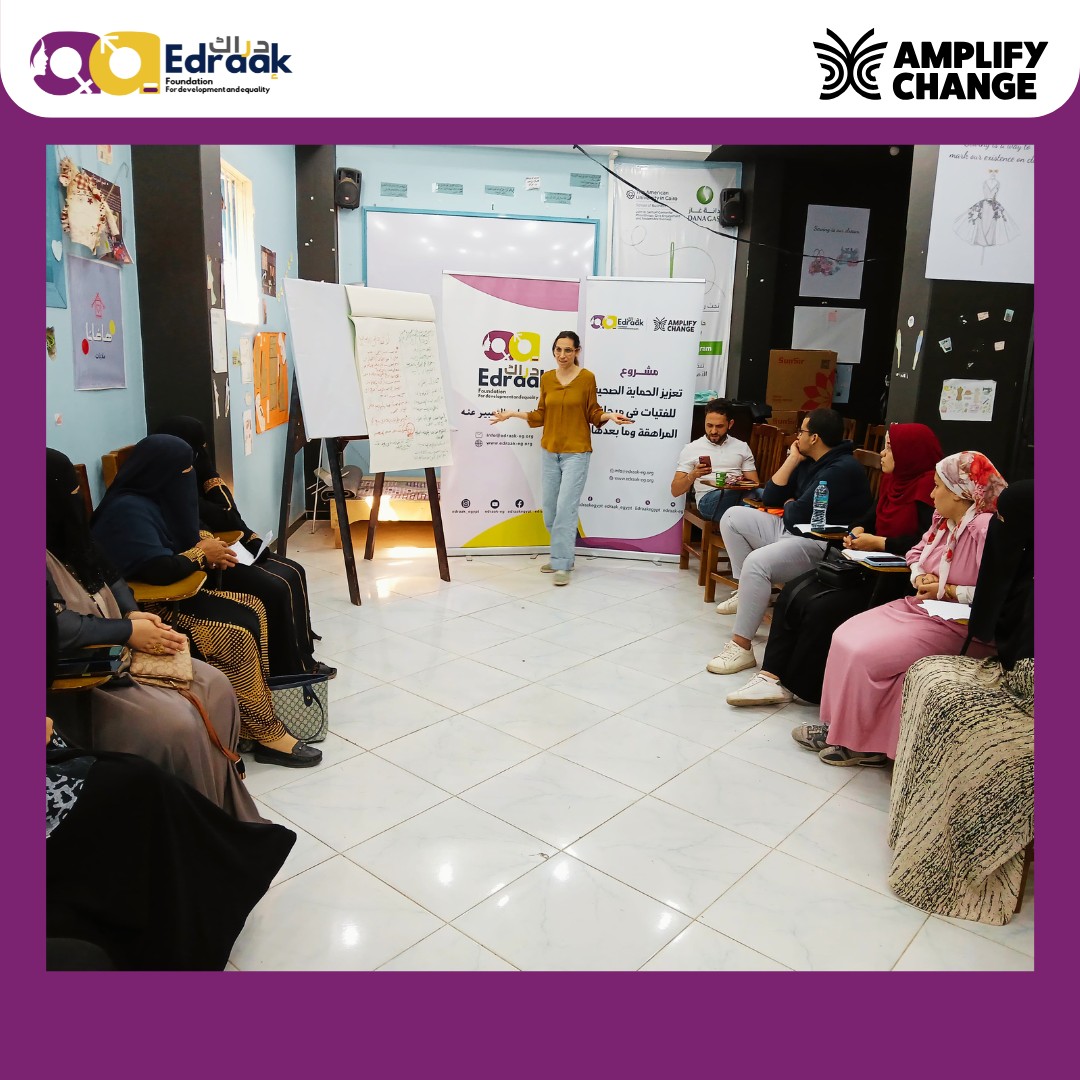
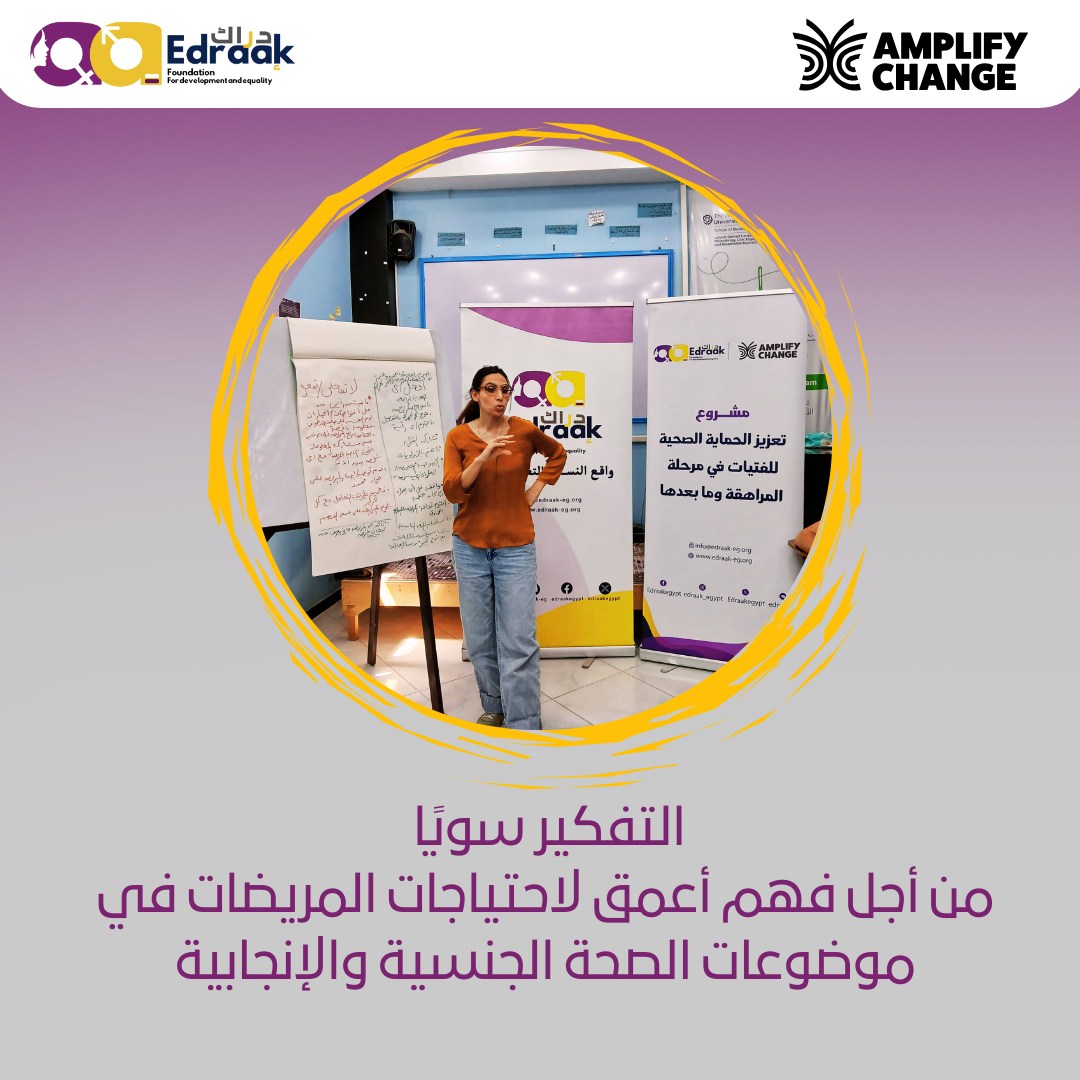
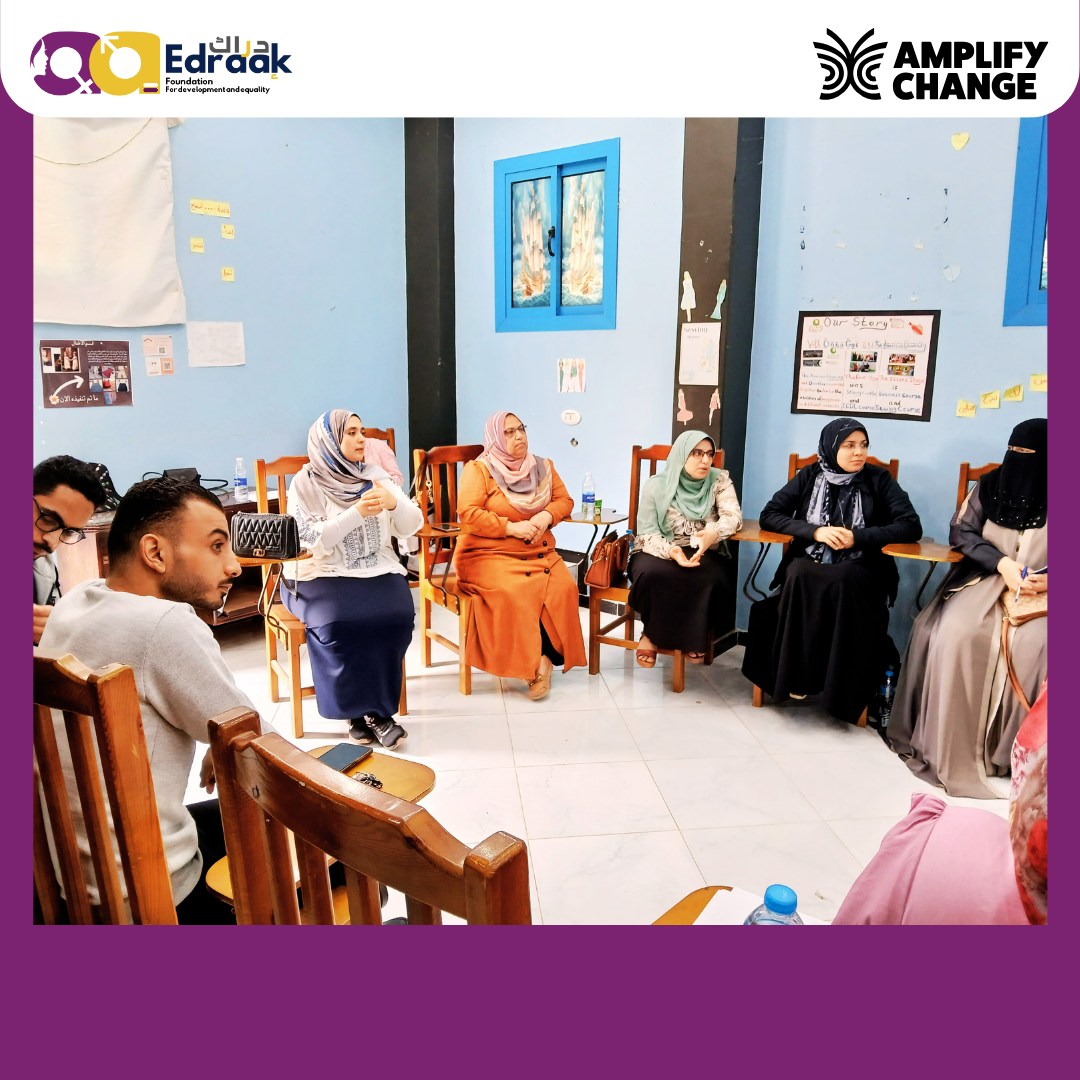
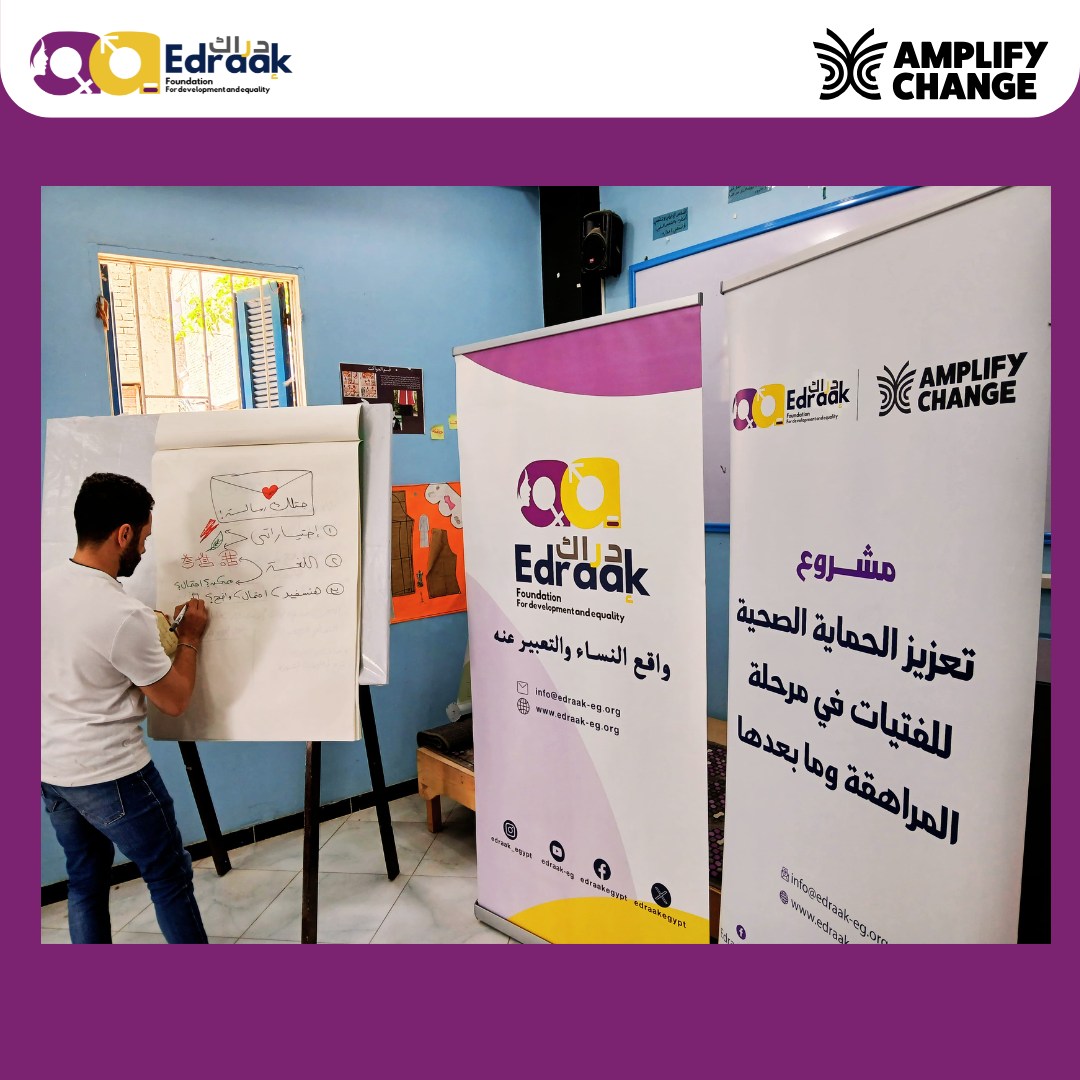
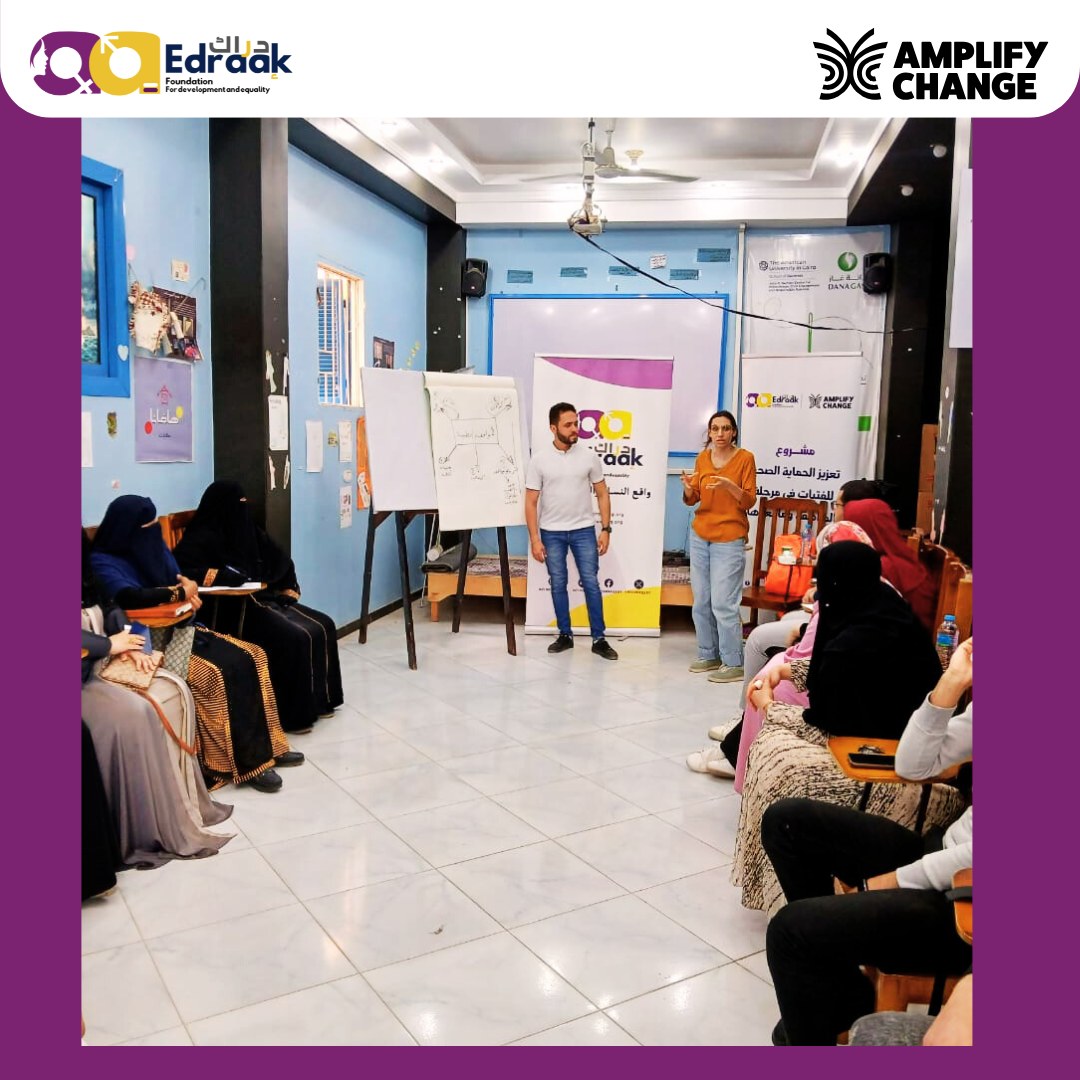
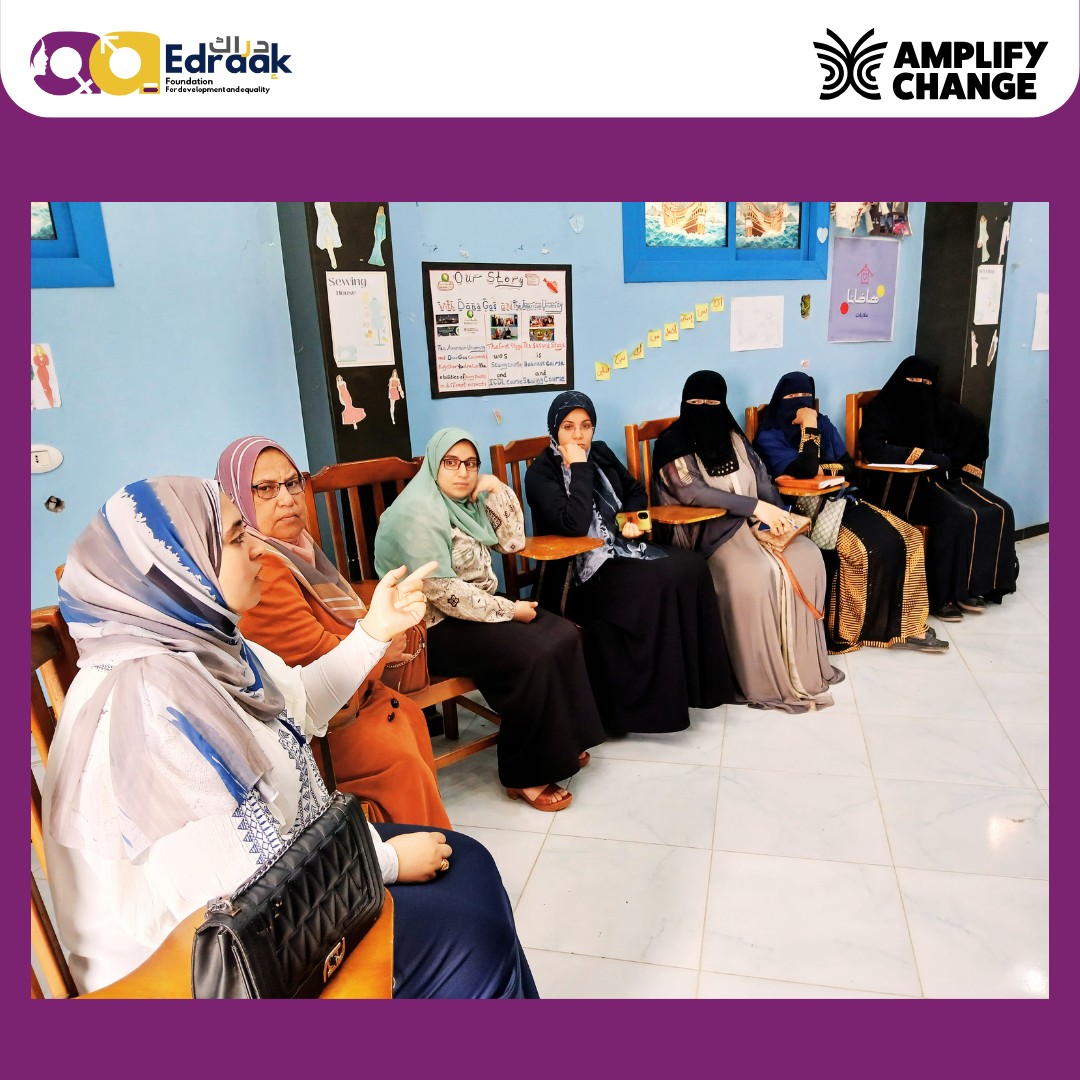
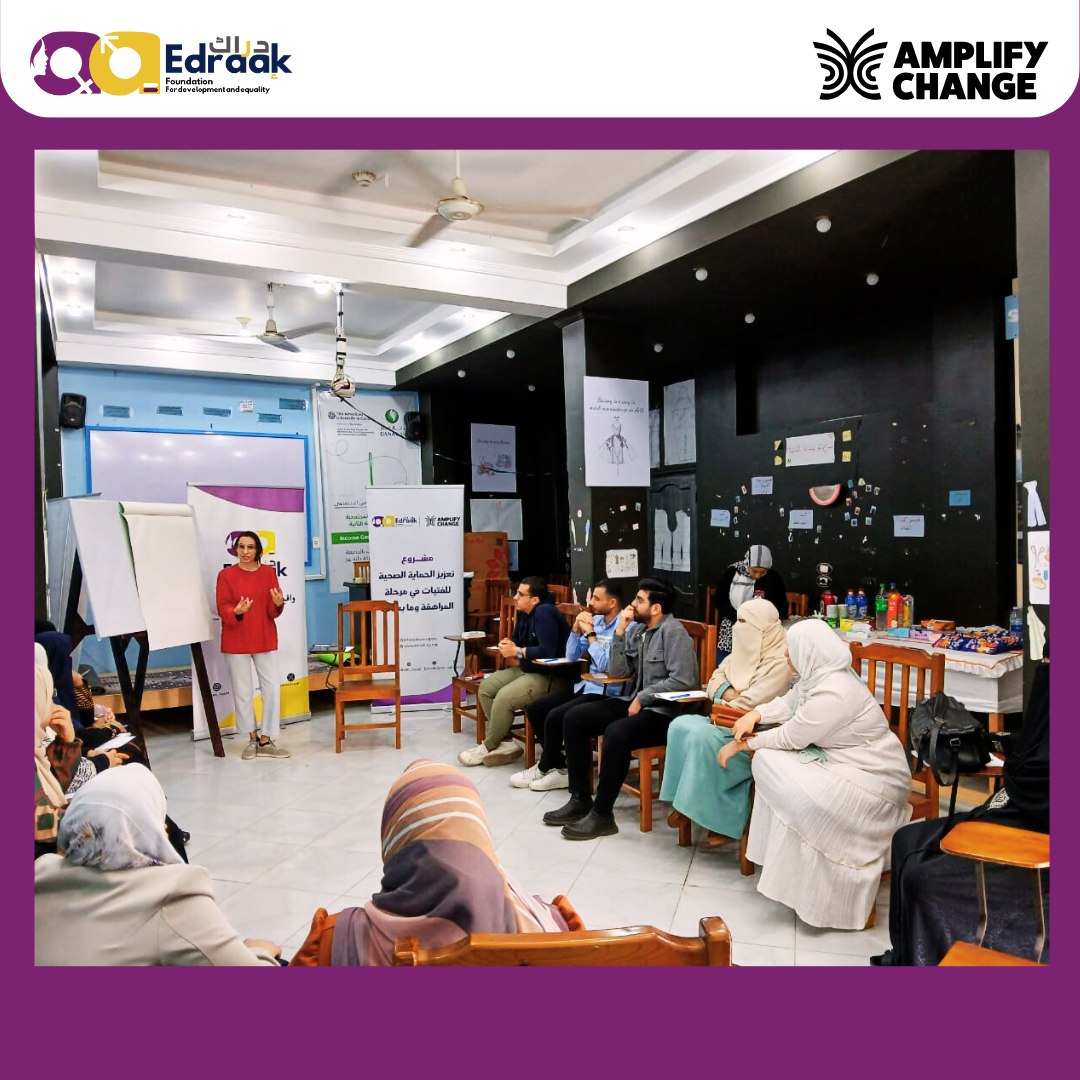
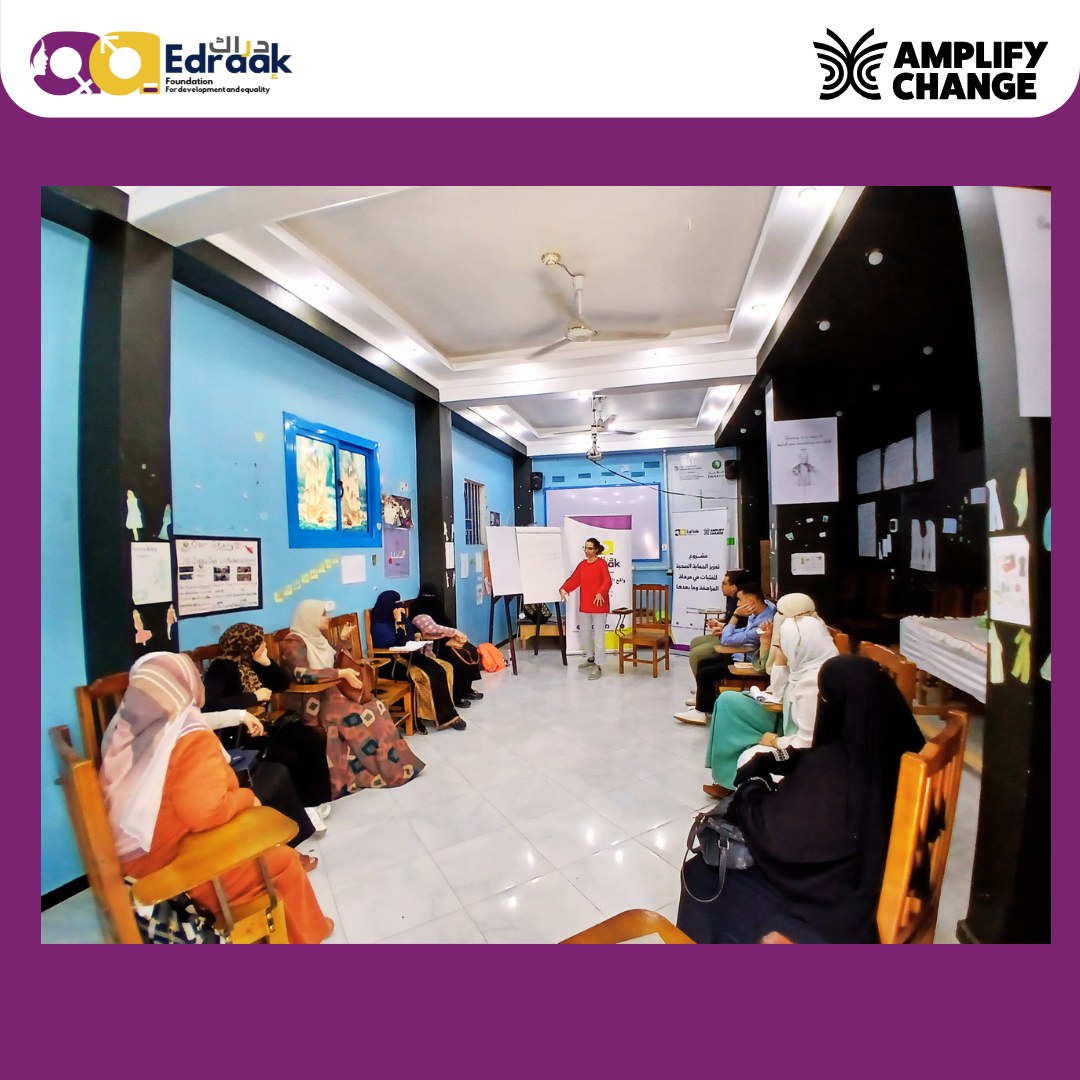
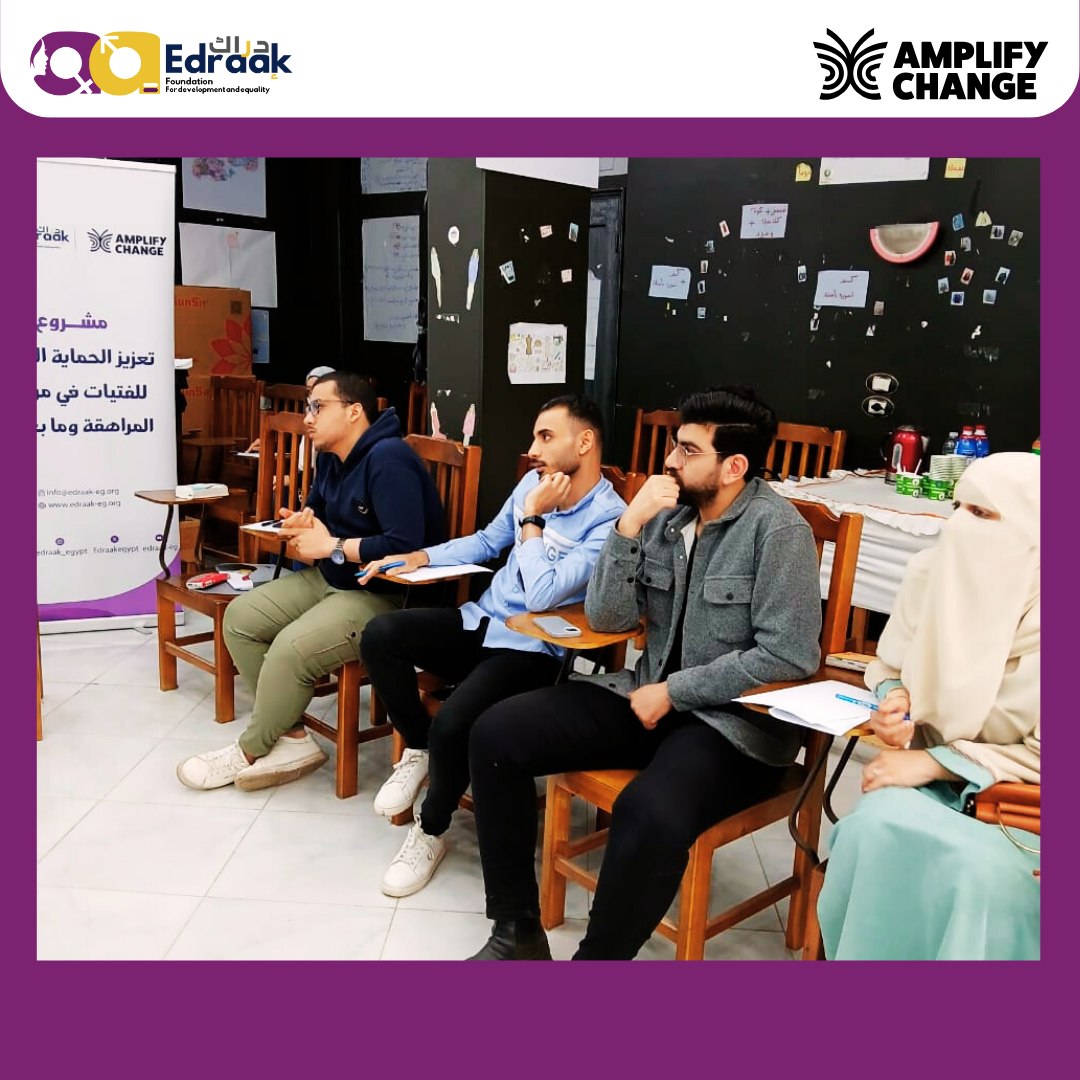
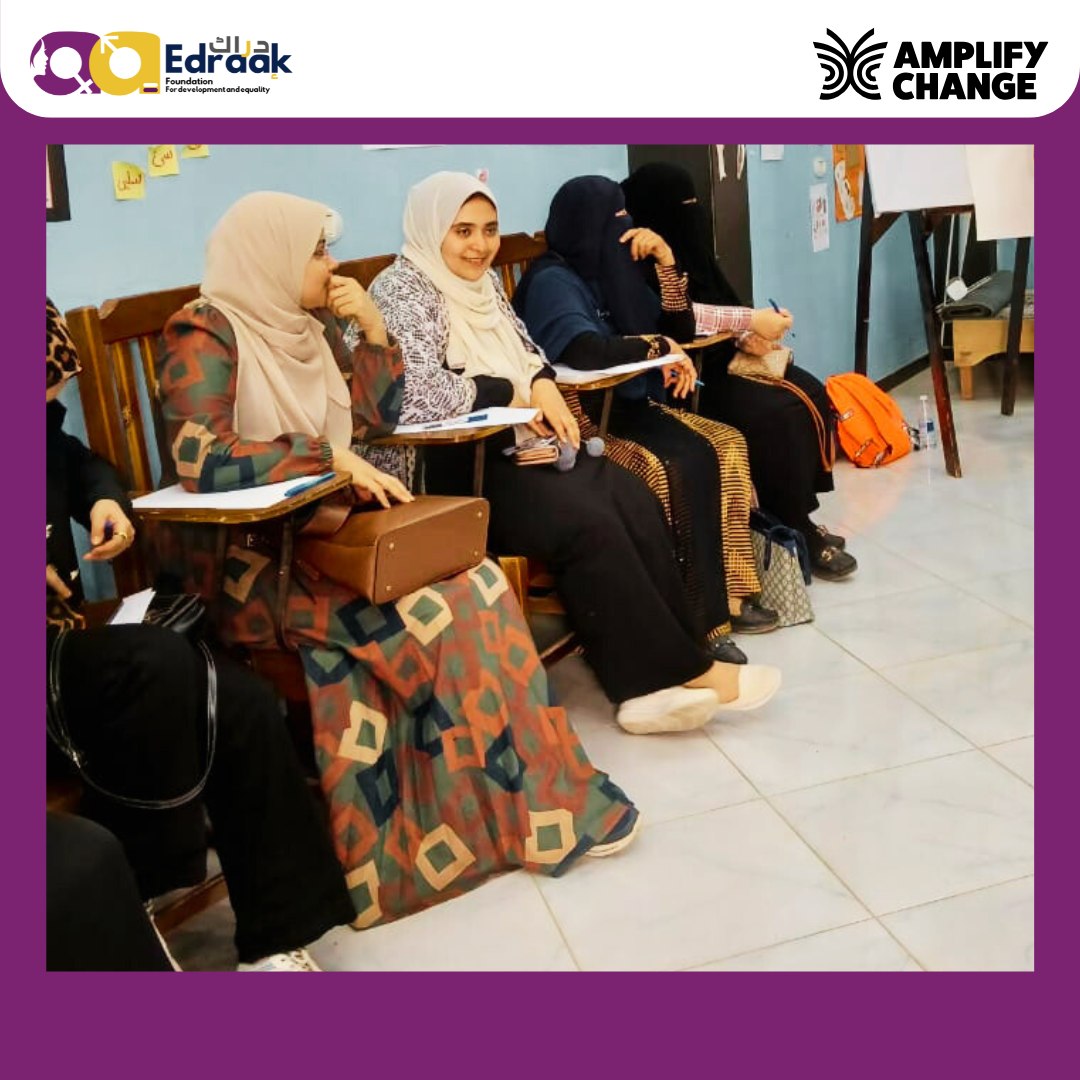
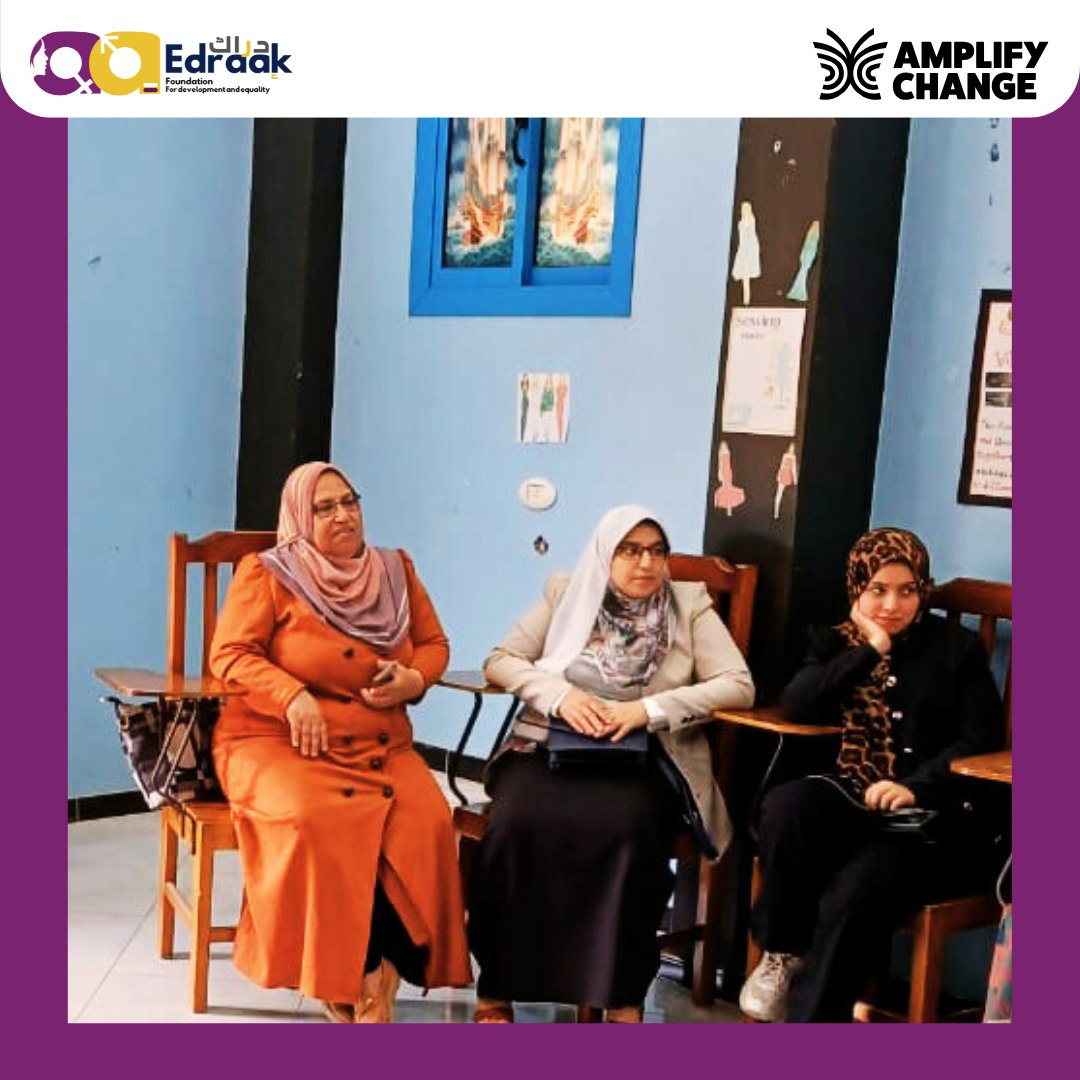
In its efforts to respond to the reproductive health needs of women in local communities, #Edraak Foundation for Development and Equality, in cooperation with AmplifyChange, organized an intensive training in Dakahlia Governorate, titled: “Enhancing Health Protection for Women and Girls,” with the participation of representatives of civil society Associations and community activists..
Spanning several days, the workshop covered crucial topics related to providing quality, privacy-sensitive health services for women, especially in rural and marginalized areas. On Day 3, the workshop sessions focused on the core knowledge and skills that are essential to provide quality services that meet the reproductive health needs of women.
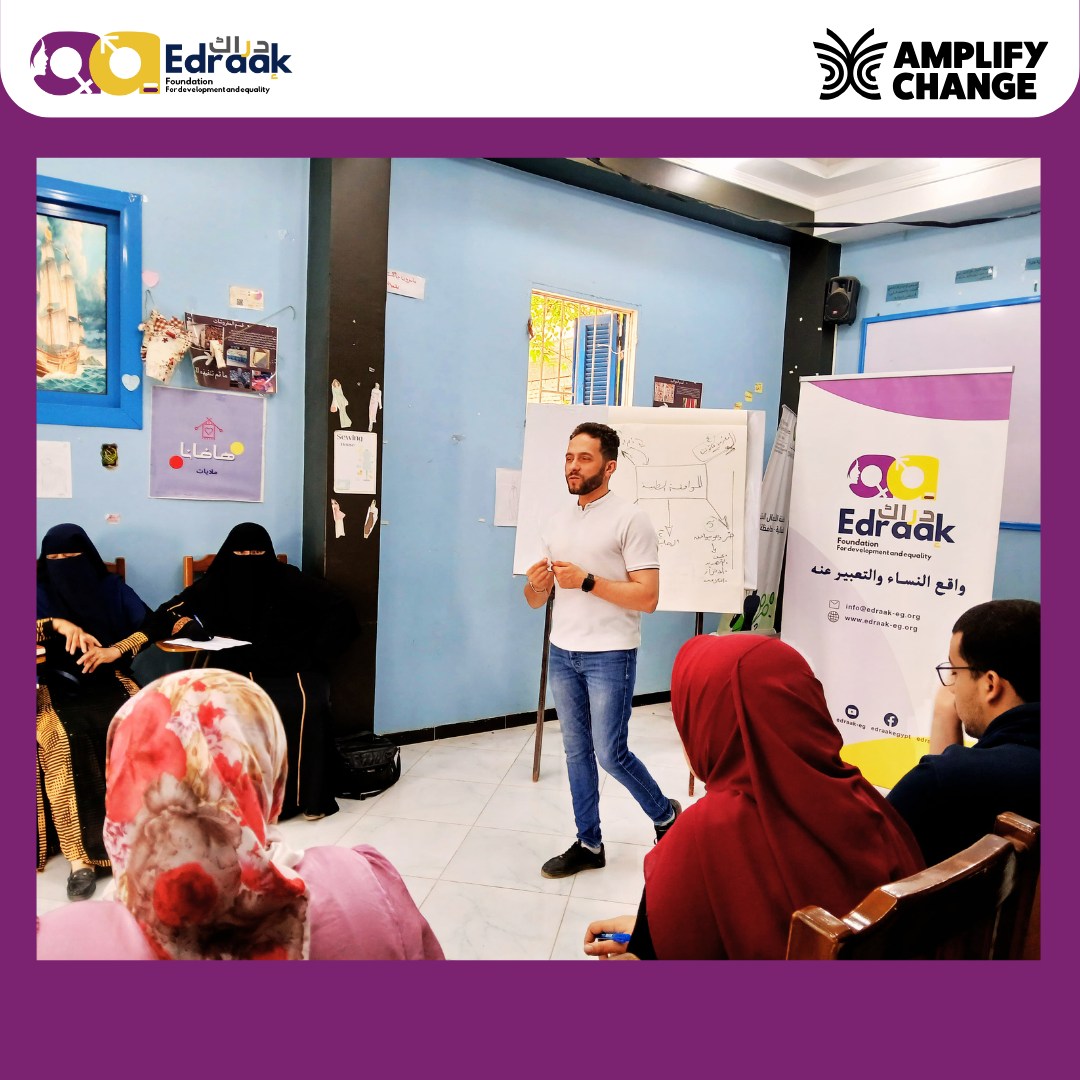
The Day 4 activities included an open discussion that was moderated by trainer and researcher Sama Al-Turki, in collaboration with Dr. Omar Al-Gabry, focusing on women’s health needs in Dakahlia Governorate and how to meet them through local community work.
Overall, the Interactive Training Sessions focused on:

– Understanding the social and cultural contexts that influence women’s health needs.
– Crafting health messages, particularly those related to sexual and reproductive health, in a safe and effective manner.
– Discussing effective tools and methods for conveying these messages, such as awareness workshops, field work, and social media.
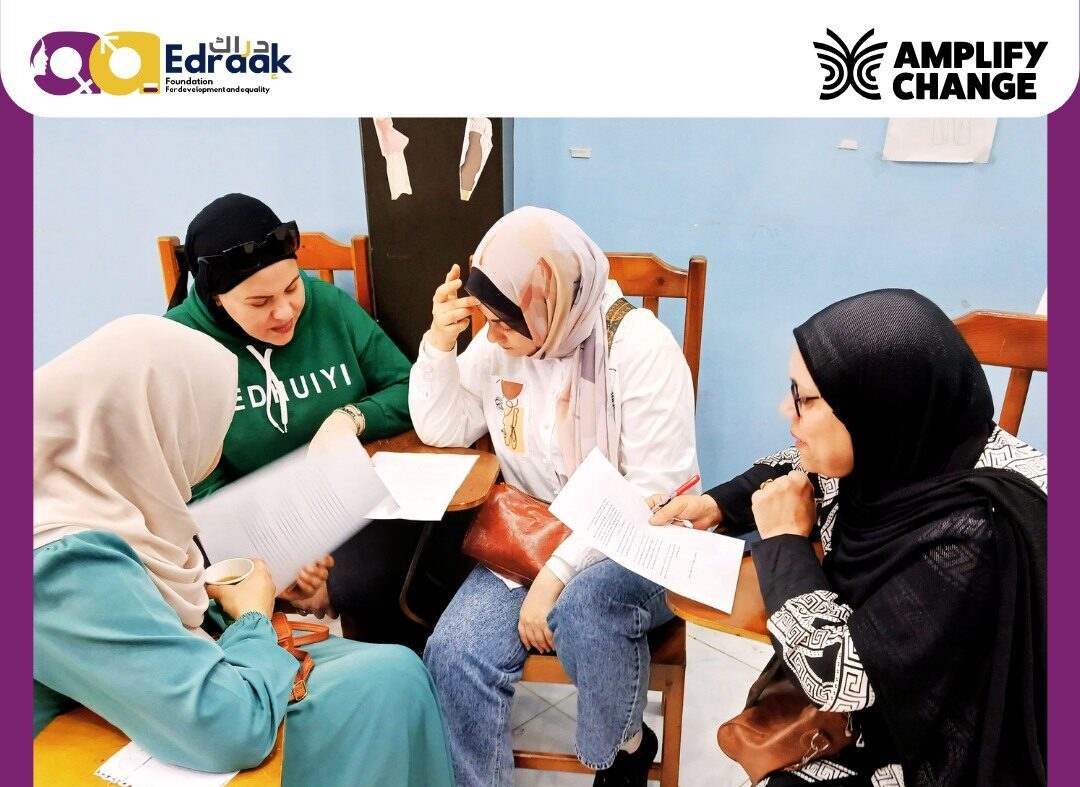
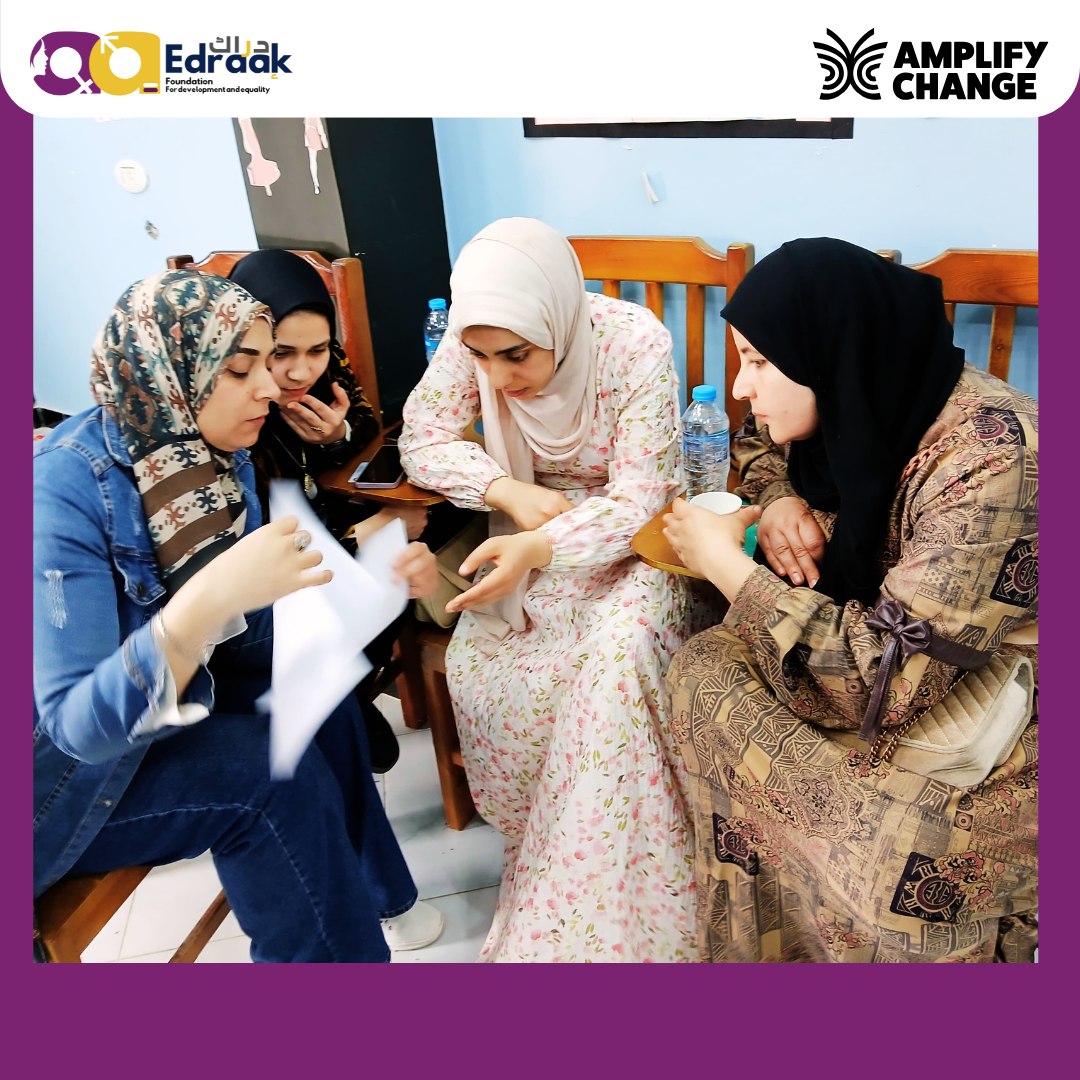
– Interactive working groups were also held to discuss how to design these tools and messages to suit the needs of each community group,with a strong emphasis on building trust between service providers and the women they serve
Towards a gender-sensitive healthcare services
The workshop aimed at empoweringNGOs workers to develop a gender-sensitive health discourse that places women’s needs at the heart of the planning and implementation process and ensures their right to access quality and comprehensive health services. The workshop represents a practical model for partnerships between civil society and supporting institutions to build a safe health environment that supports women and girls, especially in light of the increasing health and social challenges.

#Edrak Foundation
#YourHealthIsAPriority #GynecologyClinicIsNotShameful #Women’sHealth #ReproductiveHealth #Doctors #GynecologicalExamination #Adolescence
#HerBodyIsHerRightAndHerRightToDecide #KnowledgeMakesA Difference

Doctors’ workshop on understanding women patients’ needs in sexual and reproductive health in Dakahlia

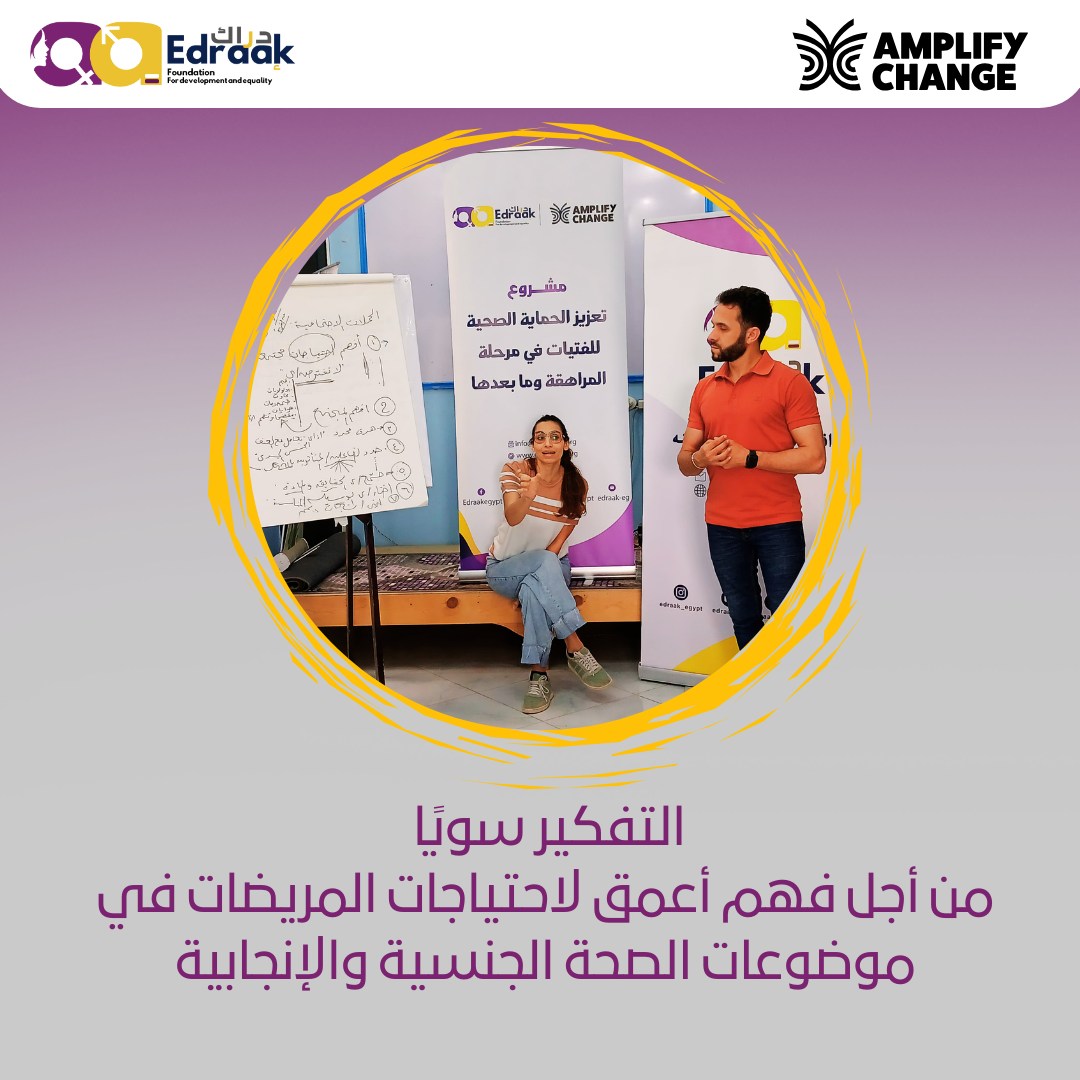
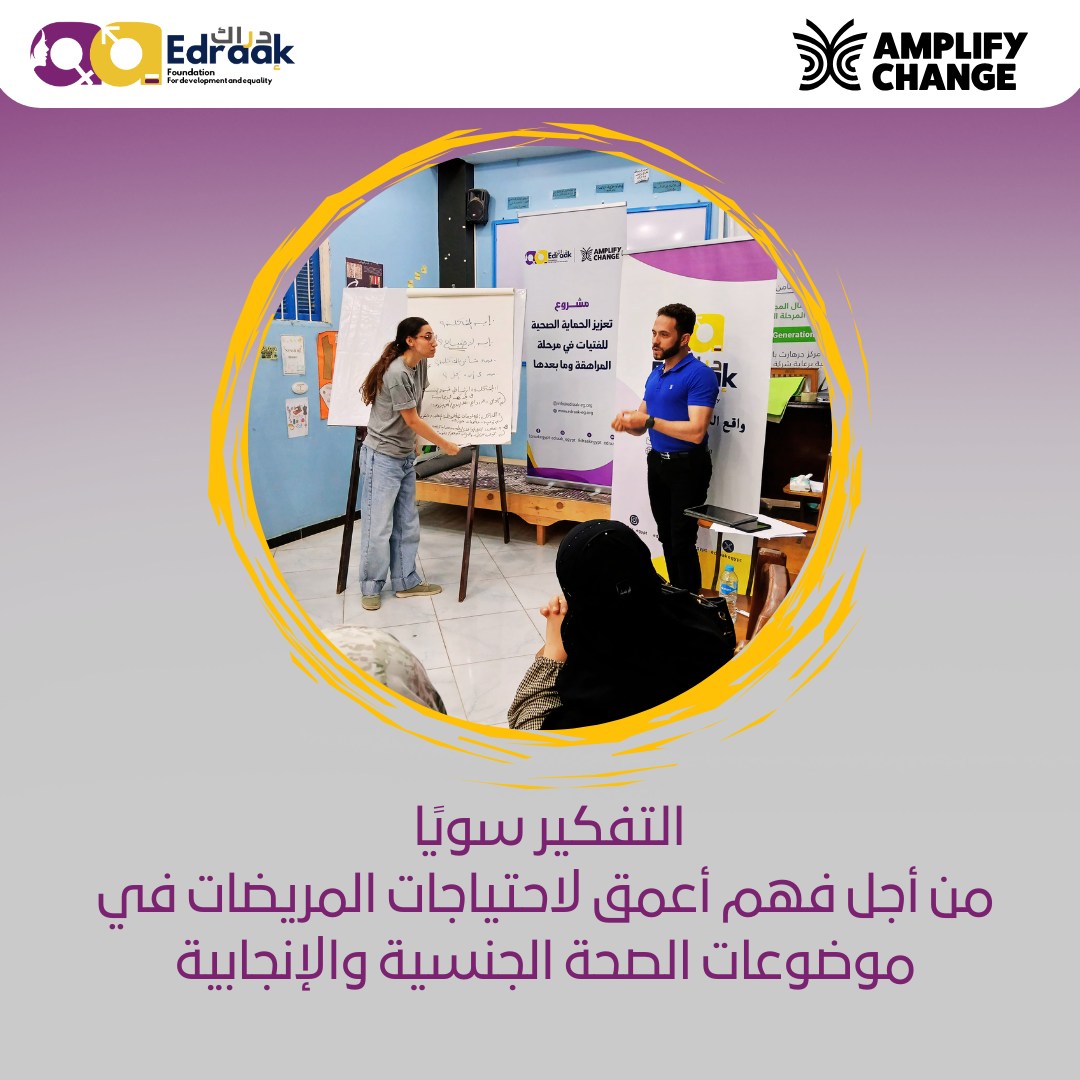
As part of the “Enhancing Health Protection for Women and Girls” project, the #Edraak Foundation for Development and Equality, in collaboration with AmplifyChange, organized an interactive workshop bringing together a group of doctors and healthcare providers in #Dakahlia Governorate to discuss a study on:
“How do women make decisions related to their sexual and reproductive health?”
The workshop was led by Dr. Omar Al-Gabry, and the researcher and trainer on SRHR Sama Al-Turki. The first day featured a rich discussion about the role of medical service providers in providing quality and safe healthcare for women. The second day focused on:
– Women patients privacy, including maintaining the confidentiality of health information, respecting privacy during examinations, and ensuring informed consent before any medical procedure.
– How to convey medical information in a simplified, scientific, and safe manner that enhances women patients’ awareness and supports their decisions.
– Assumptions and stereotypes: How do they affect the quality of health care? And the importance of dismantling them to ensure fair and humane treatment of women patients and create a supportive environment for them.
– The importance of creating a judgment-free space that allows women and girls to interact freely and confidently with the medical team.
Follow us for more workshop activities on how healthcare providers in #Dakahlia are promoting privacy, respect, and fairness while providing medical services.

#EdrakFoundation
#YourHealthIsAPriority #GynecologyClinicIsNotShameful #Women’sHealth #ReproductiveHealth #Doctors #GynecologicalExamination #Adolescence
#HerBodyIsHerRightAndHerRightToDecide #HerBodyHerRightSheDecides #KnowledgeMakesA Difference

A Year of Advocacy for Sexual and Reproductive Health Rights (SRHR)

Edraak Foundation has released its annual newsletter, documenting a full year of advocacy for sexual and reproductive health rights in Egypt. This work was achieved through implementing various activities and programs aimed at empowering women and girls, raising community awareness, and training healthcare providers, in collaboration with civil society organizations and partners from feminist groups and initiatives.
The report captures powerful testimonies and on-the-ground stories, and initiatives that have made a tangible impact across various governorates.

To read the full newsletter, click Here : A year of advocacy on SRHR